
Turning left at the aircraft door is a small moment, but crews see it hundreds of times a year. Most passengers don’t realize they’re being read from the second they step aboard. The cues are rarely dramatic, and they’re almost never unkind.
Aviation outlets and travel guides have collected plenty of crew observations over the past year or so. Together they paint a surprisingly consistent picture of what separates a seasoned premium traveler from someone sitting up front for the first time. Some of the signs are funny, a few are useful, and most are simply human.
The Phone Comes Out Immediately
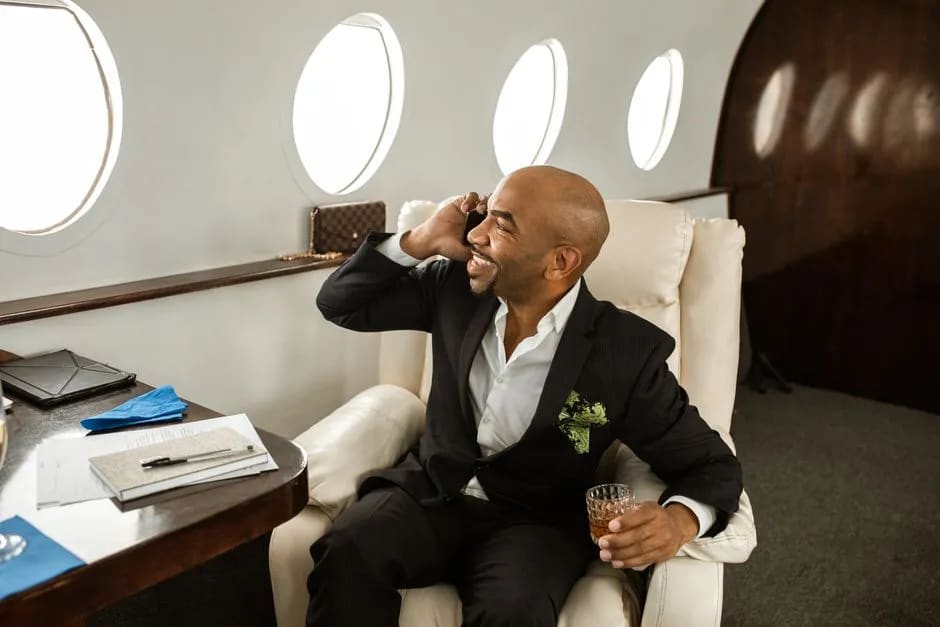
One of the most common signals is the camera. With social media shaping how people share their travels, many first time business class passengers instinctively reach for their phones the moment they settle into their pod.[1] Photos of the seat, the table, the welcome drink and the amenity kit tend to follow.
It isn’t a problem, and crews know why it happens. Business class asks passengers to navigate comfort, autonomy, and elevated service all at once,[1] so documenting it is a natural reaction. Regular front cabin flyers, by contrast, often treat the same details as routine.
Watching the Crew Very Closely
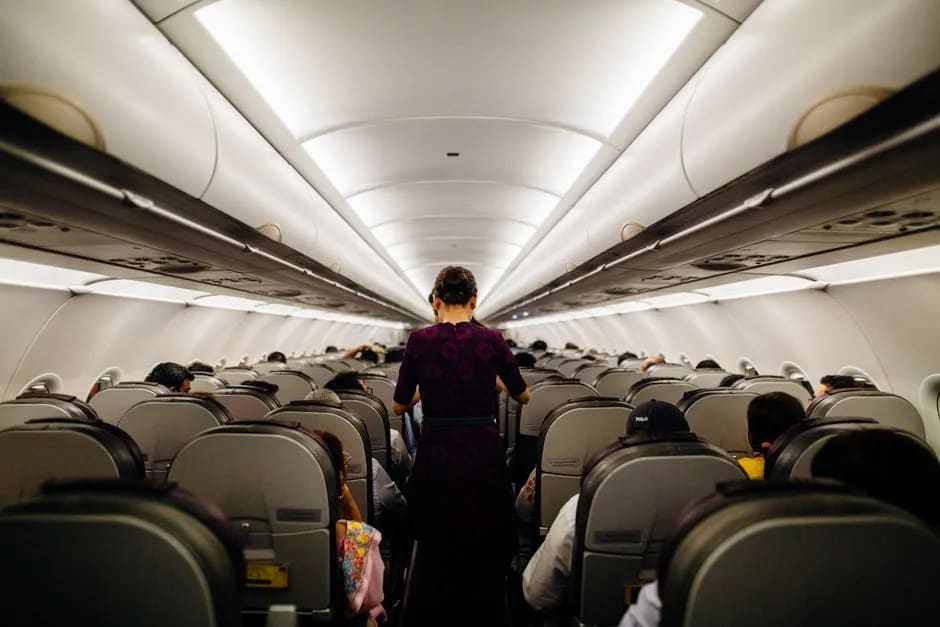
Flight attendants often notice when a passenger’s eyes follow them down the aisle. Another sign of a first time business traveler is that they intensely watch the flight attendants.[2] The aim is usually to learn how things work, not to be rude.
Crews generally respond kindly to it. Flight attendants tailor their service to each passenger, providing more assistance to those new to the cabin.[2] A first timer who looks unsure will probably get an extra explanation without having to ask.
Using the Call Button Too Often
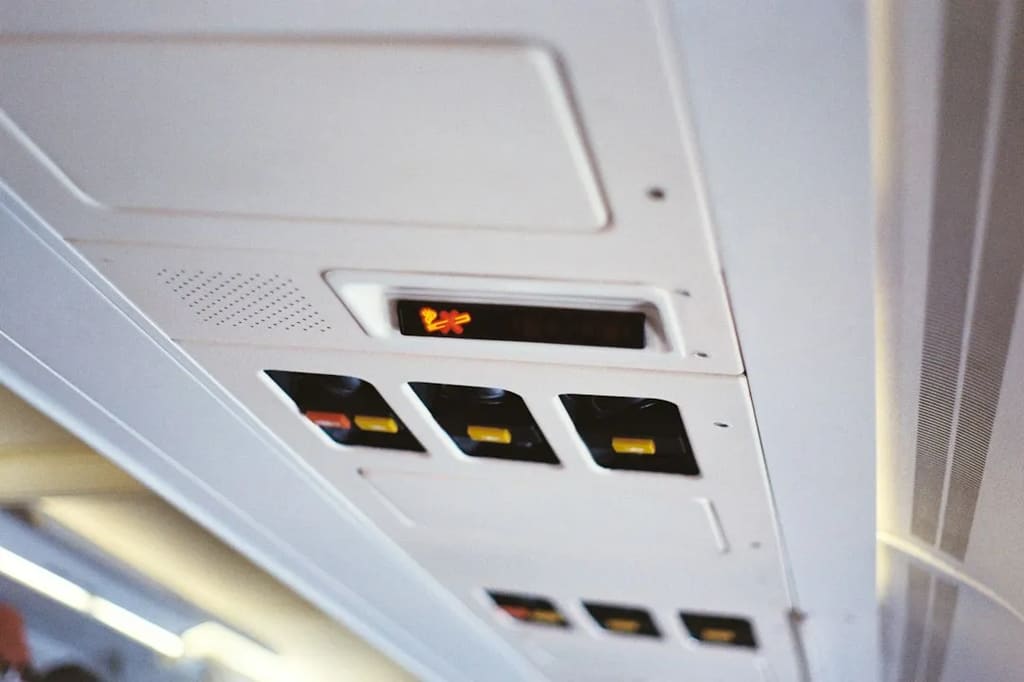
The call button is another giveaway. Frequent use of the flight attendant call button may cause passengers to stand out amongst the routine business class crowd.[1] Many first timers assume service only happens on request.
In reality, the cabin runs on a rhythm. Depending on the airline, a long haul business class flight includes a pre departure service, followed typically by two additional meal services, with many walkthroughs throughout the flight.[1] Waiting a little usually means what you need arrives on its own.
Apologizing for Being There
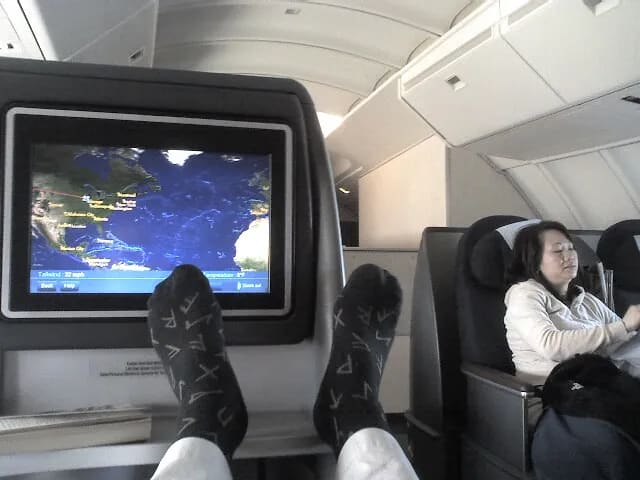
Some first timers carry a quiet sense that they don’t belong. Self consciousness or impostor syndrome is commonly felt among first time business class passengers.[1] It tends to show up as over thanking, hesitating before accepting a drink, or asking permission for ordinary things.
The effect can be stronger after a free upgrade. Economy passengers may show apologetic behavior upon being upgraded free of charge.[1] One aviation outlet notes that flight attendants can tell who is comfortable in the cabin and who is not.[2]
Dressing Up More Than Necessary
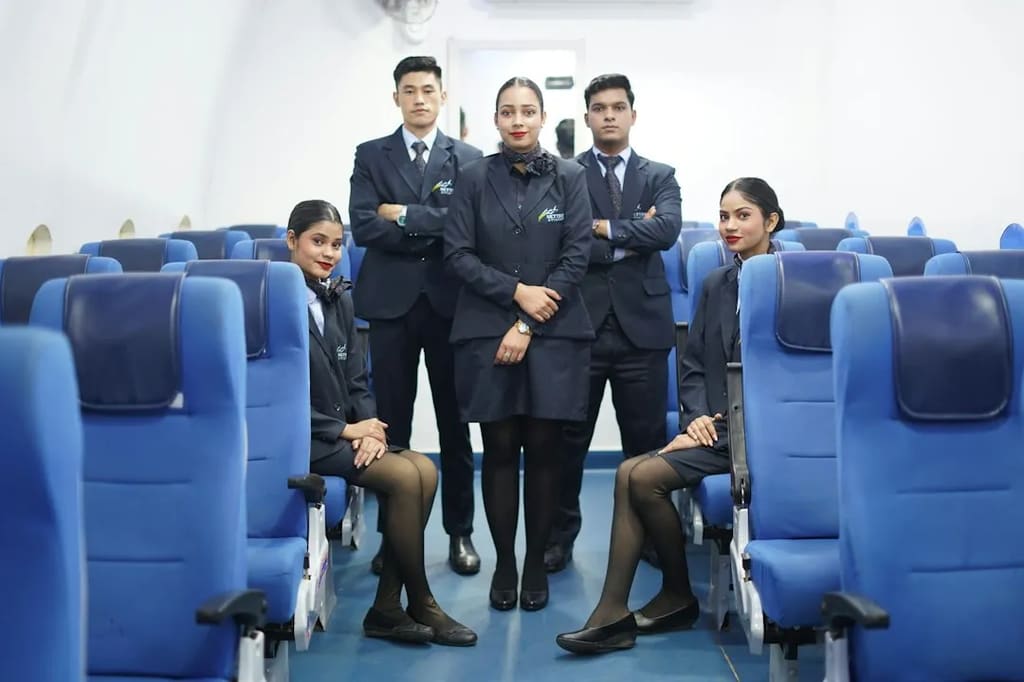
Clothing is one of the first things crews register at the door. Flight attendants will notice what passengers are wearing when they board.[2] A full suit or formal dress on a long haul flight can read as a first timer trying a bit too hard.
The modern expectation is far more relaxed. The Points Guy advises that you don’t have to get suited and booted for business or first class.[3] Etiquette guides generally land on smart casual, with clothes that are clean and not too provocative.[4]
Clutching the Boarding Pass at the Door
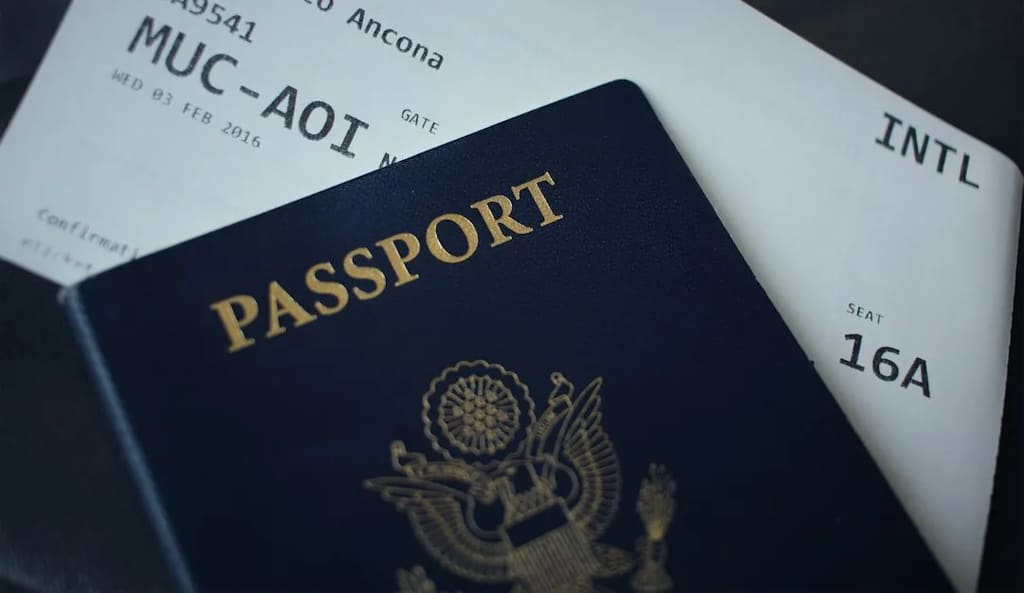
Crews describe a kind of silent evaluation at the boarding door. Within the first 30 seconds of interaction, flight attendants are scanning for cues, from posture onward.[5] Nobody is judging harshly, but experience tends to show.
The classic tell is hyper awareness. A first timer may clutch the boarding pass like a sacred document and scan the seat numbers with visible intensity.[5] Frequent flyers usually walk straight to their row without checking.
Wrestling With the Seat Controls
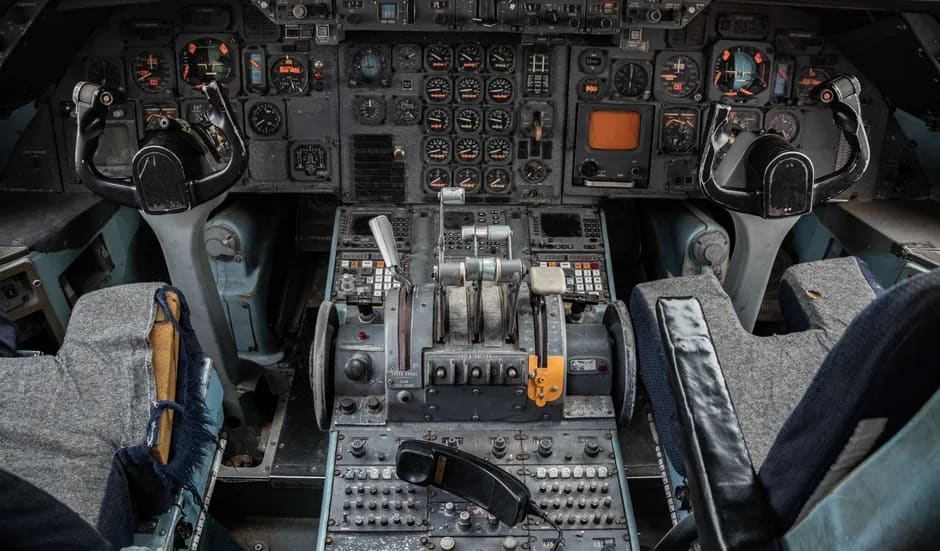
Modern business class seats are more complicated than they look. Moving from economy to business class for the first time can be overwhelming and confusing.[2] Controls for recline, lumbar support, lighting and sometimes massage can all sit on one panel.
Crews are used to demonstrating them. One first timer’s account recommends simply asking the flight attendant to show you how the seat works, after trying to figure out the buttons alone and wasting time pressing things at random.[6] It takes about a minute and saves a lot of fumbling.
Not Knowing What the Pajamas and Amenity Kit Are For
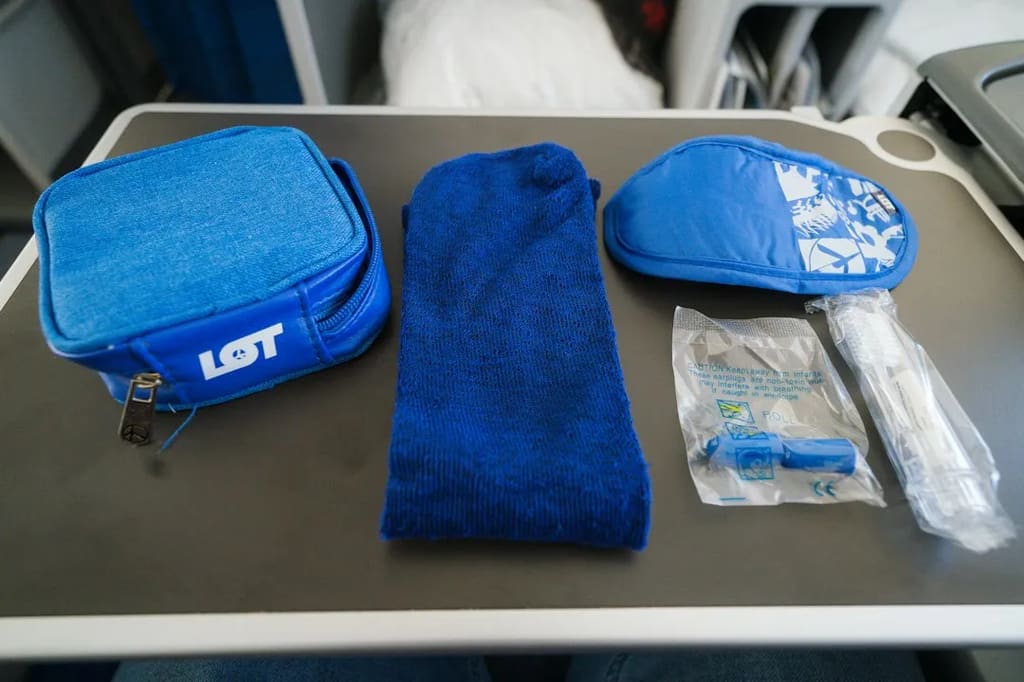
Many perks aren’t announced. The Points Guy notes that not every aspect of business or first class is offered without first prompting the cabin crew,[7] and its writer found out about pajamas on one Virgin Atlantic flight only because he asked. First timers often miss these extras entirely.
Related Stories From Travelbinger


When they do get them, etiquette still applies. One guide says pajamas should be worn in the restroom before meal service ends, not left in the plastic wrapper on the floor.[8] Another notes that amenity kits, toiletry gift sets, pajamas, and slippers can go home with you.[9]
Ordering Everything and Overdoing the Lounge
Excitement can lead to over ordering. One etiquette guide points out that a four course meal is on offer, yet ordering what you actually want reads as far more confident than ordering every line item because it’s included.[8] Crews tend to notice who is pacing themselves.
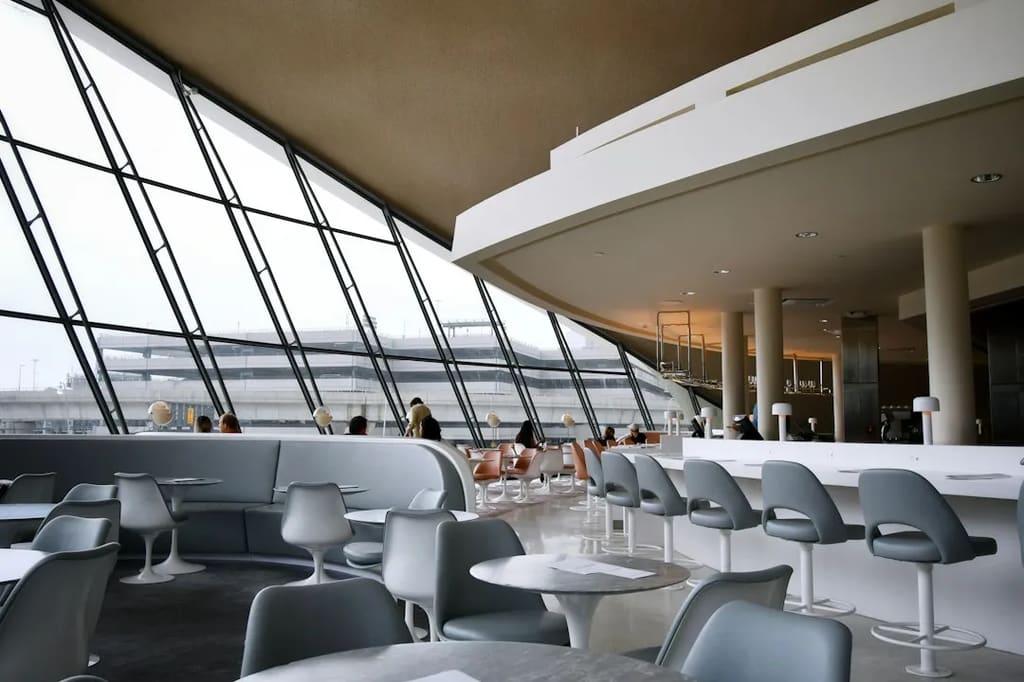
The same goes for the airport. The Points Guy suggests that most travelers should avoid eating too much in the lounge to save room for food in flight.[3] It’s also worth checking your fare, since cheaper basic business fares can lose perks like lounge access, seat selection or a checked bag.[9]
Visible Delight at the Whole Experience
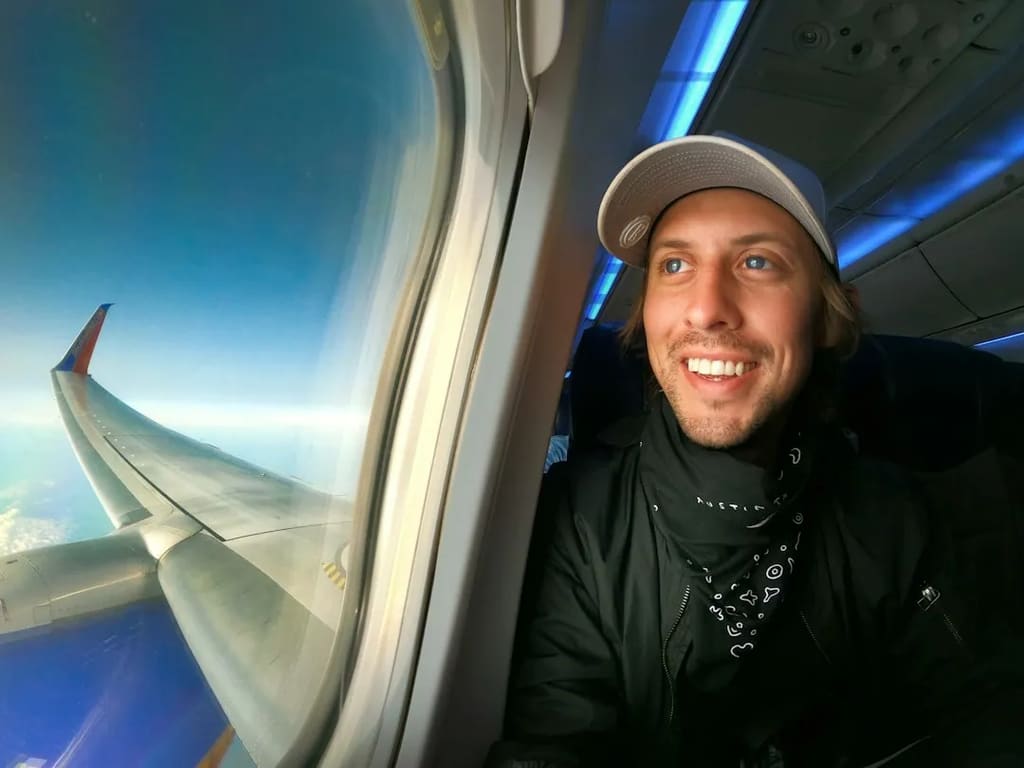
Not every giveaway is awkward, and crews say this one is a favorite. One of the most endearing things flight attendants notice about first timers is the look of delight and excitement on their faces when they turn left.[2]
That joy can be a welcome change on a long shift. It’s reported that the grin when champagne is topped off, or the wonder at a lie flat bed, is often cited by crew as one of their favorite parts of the job.[5] Passengers who treat the crew as fellow human beings rather than mere service providers[5] tend to stand out in the best way.