Ranking chocolate nations sounds simple until you start looking at the numbers. Some countries eat the most, others make the most, and a few grow the beans that give chocolate its flavor. Each of those counts for something if you love the stuff.
This list weighs all three. It looks at consumption, industry, craft and, for travelers, how easy it is to taste chocolate where it’s made. Figures differ between sources and years, so where they do, the text says so.
1. Switzerland
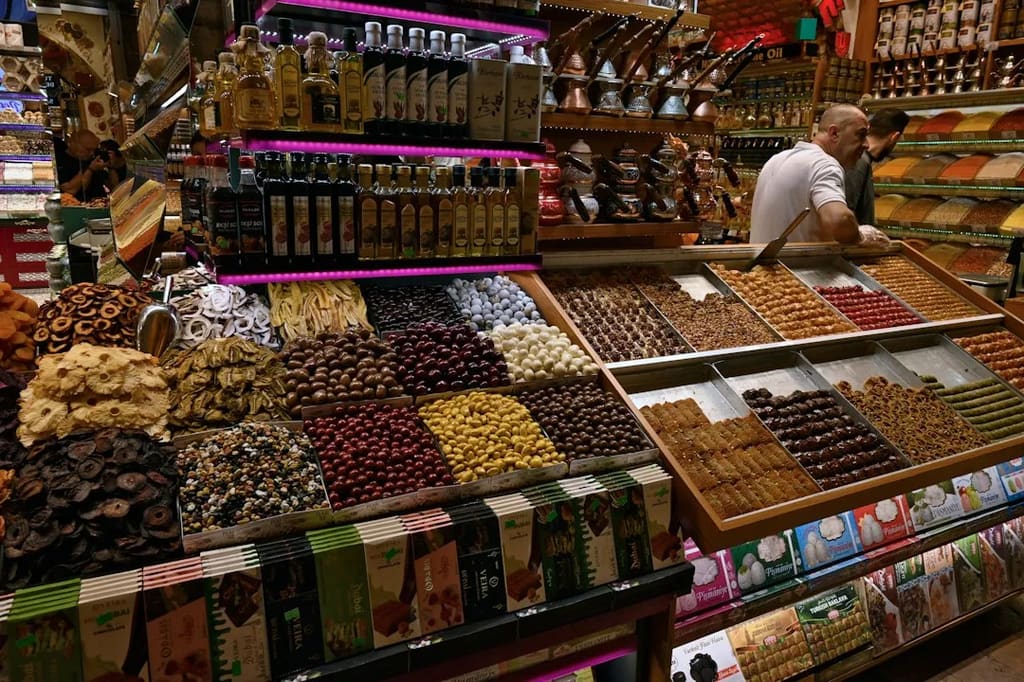
Switzerland is the usual answer to which country eats the most chocolate. Per-capita consumption there was 10.6 kg in 2024, according to CHOCOSUISSE.[1] Swiss chocolate made up 6.3 kg of that, and imports made up 4.3 kg.[1] That works out to roughly thirty grams a day for every resident.
The Swiss lead is narrower than it looks. A CHOCOSUISSE comparison put Denmark at 10.5 kg and Lithuania at 10.2 kg, though most of the comparison figures date from 2023.[1] The country’s brand names help its case: Lindt, Toblerone and Läderach all have deep roots there, alongside Nestlé.[2] It is also the country credited with inventing milk chocolate and conching.[3]
2. Germany
Germany pairs heavy appetite with serious industrial muscle. Its per-capita consumption was 9.6 kg in the same 2023 comparison.[1] In 2023 it also produced about 1.14 million tonnes of chocolate products, the highest total in Europe.[4] Leading exporters include Storck, Ritter Sport and Hachez.[4]
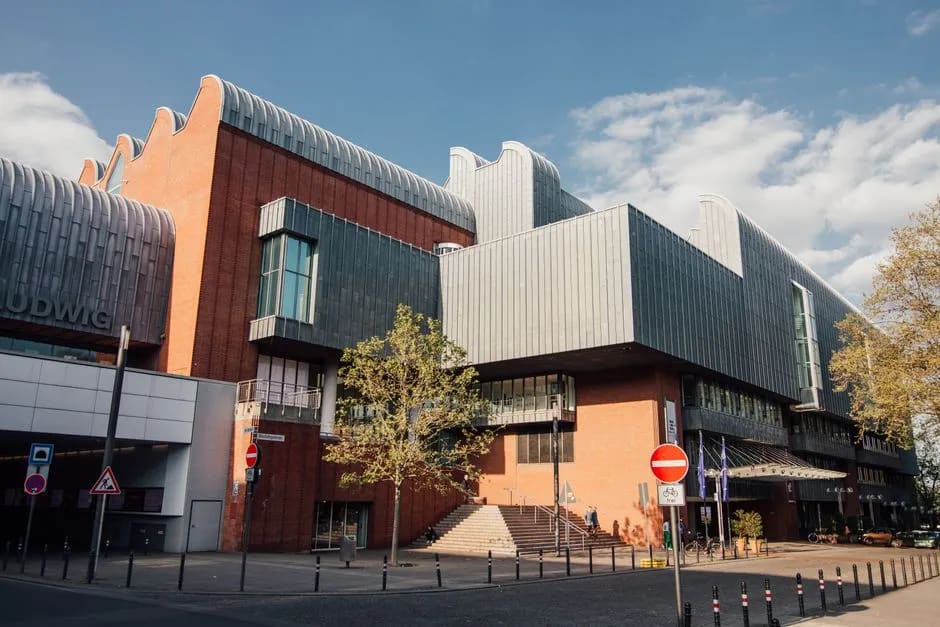
For visitors, Cologne is the stop. The Chocolate Museum Cologne recorded 716,000 visitors in 2025, a new attendance record.[5] Its exhibition covers the full span of roughly five thousand years of cocoa cultivation.[5] There’s also a three metre tall chocolate fountain, where an employee dips wafers in liquid chocolate and hands them out.[6]
3. Belgium
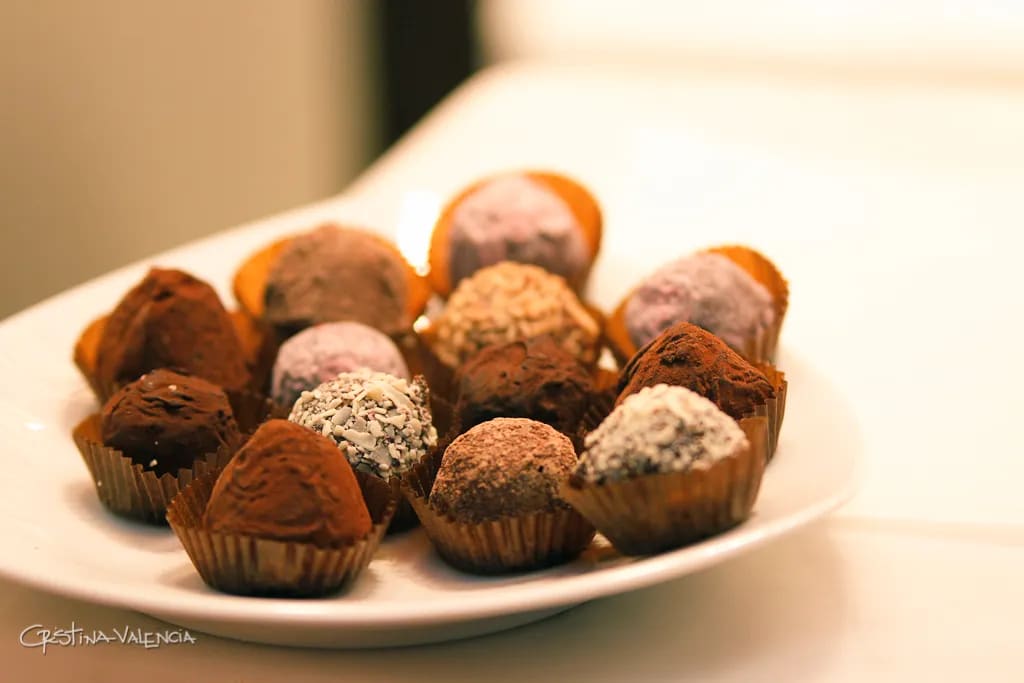
Belgium is small, yet it punches well above its size. The Belgian cocoa sector cites production of over 800,000 tonnes of chocolate a year.[7] That makes Belgium the world’s second largest chocolate exporter, behind Germany.[7] Older sources quote lower production totals, so it’s wise to treat any single number with some caution.
What counts as Belgian chocolate is a bit looser than people assume. The industry has been regulated by law since 1894, but there is no universal standard for the Belgian label.[8] Under the Belgian Chocolate Code, refining, mixing and conching must happen inside Belgium.[8] The country is said to have up to 2,000 chocolate shops[9], which makes browsing easy.
4. France
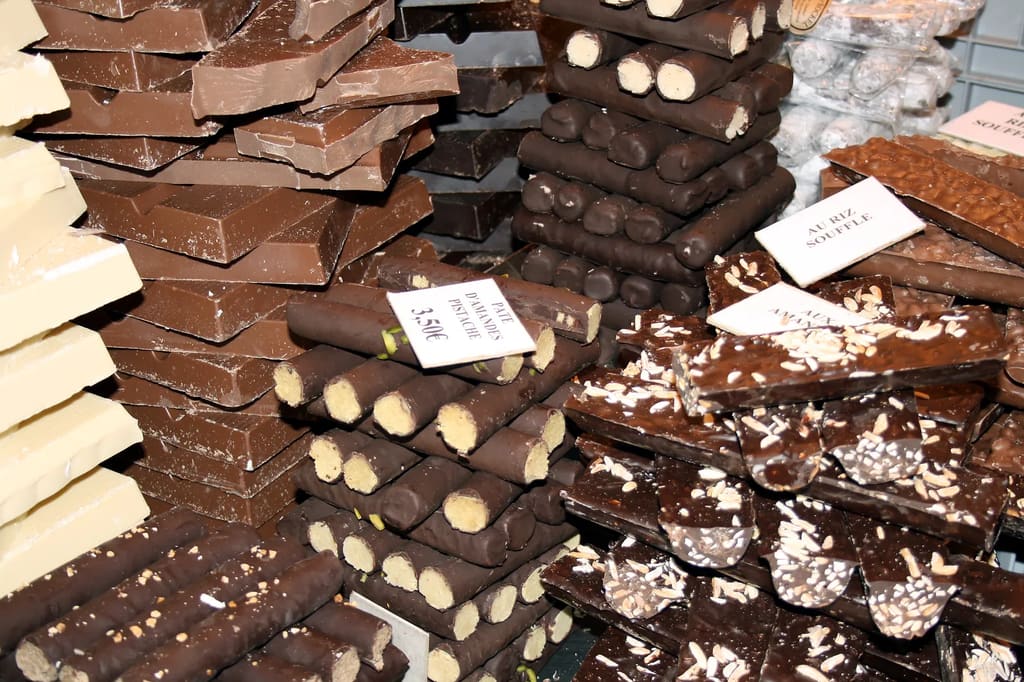
France’s strength is craft, and the best showcase is the Salon du Chocolat in Paris. The 2025 edition ran from October 29 to November 2.[10] It marked the thirtieth edition and was held at Porte de Versailles.[11] Exhibitor counts vary by source, from 240 in the organizers’ press release[12] to more than 500 in other listings[13].
Jean-Paul Hévin was guest of honour for the anniversary.[12] He is a master chocolatier who earned the Meilleur Ouvrier de France title in 1986.[13] The 2026 Paris edition ran from October 28 to November 1.[14] That makes late October and early November a good window for a chocolate focused trip.
5. Ecuador
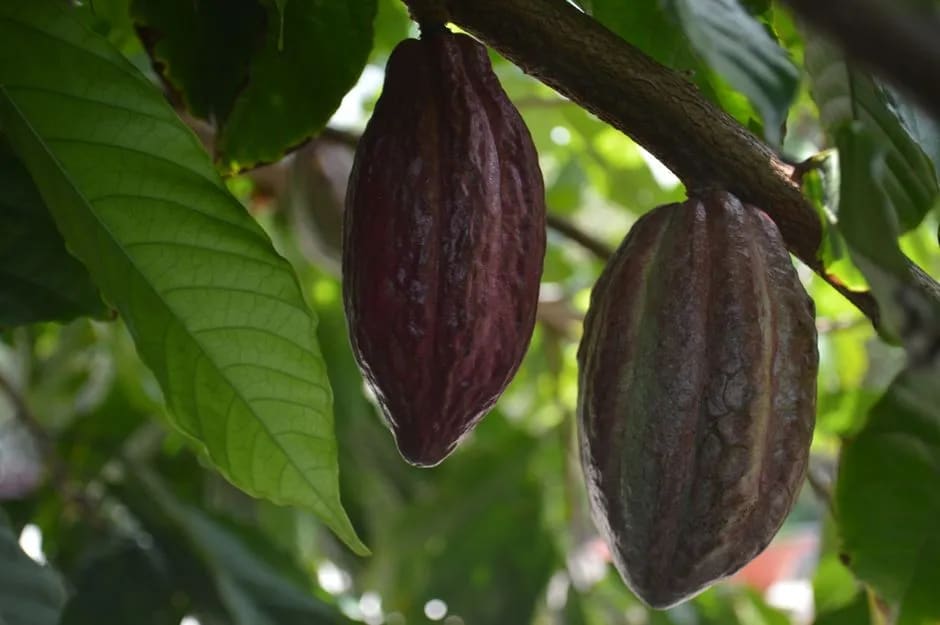
Ecuador earns its place on the growing side of the story. It’s described as one of the world’s largest producers of fine flavor cacao.[15] The Cologne Chocolate Museum’s list of fine cocoa origins puts Ecuador’s share at three quarters.[16] That’s notable because fine varieties made up between forty and fifty percent of cocoa grown early in the twentieth century but only about twelve percent today.[16]
You can taste the difference in Quito. Visitors can tour factories such as Pacari or Republica del Cacao.[15] Single origin bars there reflect Ecuador’s varied growing regions.[15] The Cologne museum’s new exhibition even starts its cocoa timeline with the origins in Ecuador.[17]
Related Stories From Travelbinger



6. Peru
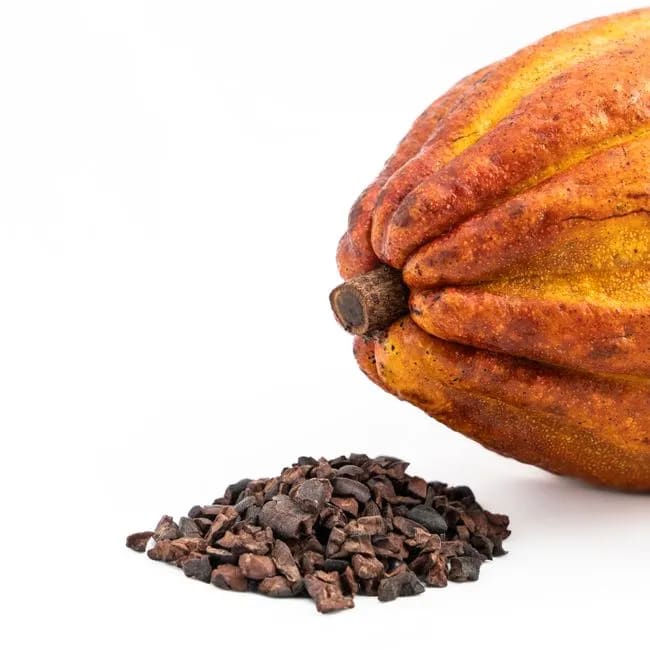
Peru offers a more hands on way into chocolate. Cusco, the gateway to Machu Picchu, has a distinct chocolate scene in the Andes.[15] The ChocoMuseo there runs workshops where visitors make their own chocolate from Peruvian cacao beans.[15] It slots easily into a trip that’s mostly about something else.
The raw material is strong too. The same fine cocoa list gives Peru a share of three quarters.[16] Local markets in Cusco offer more cocoa treats and a sense of the region’s chocolate heritage.[15] For travelers who like to see where flavor begins, that combination is hard to beat.
7. Mexico
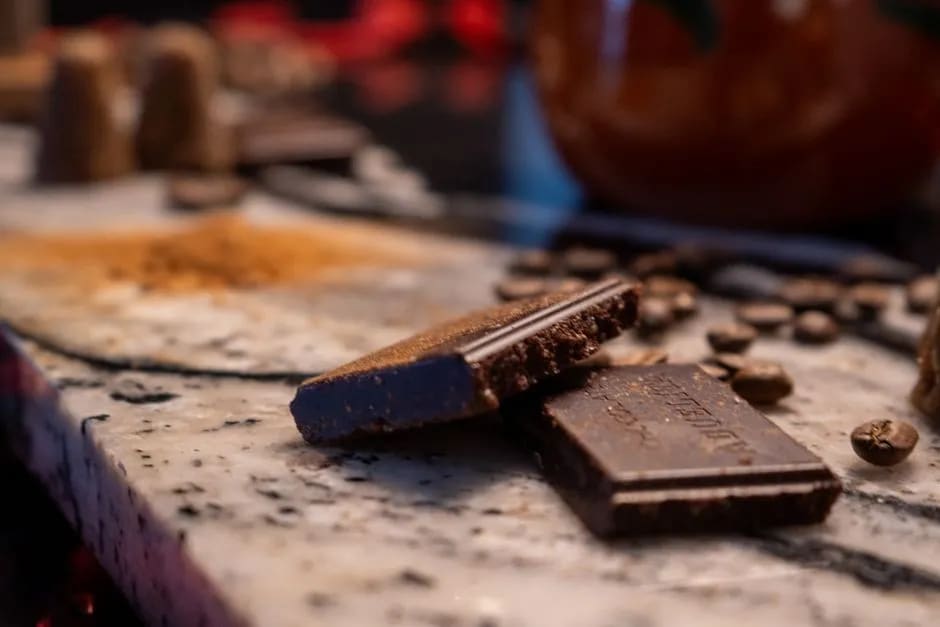
Mexico belongs on the list for history alone. The Aztecs knew the food as chocolatl.[5] Cacao was a prized ingredient in Mesoamerica long before chocolate bars existed, and it was traditionally prepared as a frothy drink rather than a solid sweet. Mexico also appears on the Cologne museum’s list of countries producing fine cocoa, though no share is given.[16]
That drinking tradition is still the reason to go. In places such as Oaxaca, chocolate is commonly ground with sugar and spices and whisked into a hot drink, which tastes quite different from a European bar. I couldn’t find a recent, reliable per-capita figure for Mexico, so this ranking rests on heritage and flavor rather than statistics.