Austria has no shortage of lakes, and a few of them have become victims of their own good looks. Hallstatt, a village of roughly 750 residents, hosts over one million visitors annually[1], which gives you a sense of how fast a postcard view can turn into a traffic problem.
Then there’s a lake in Styria that plays by different rules. It isn’t always there, it can’t be swum in, and you can’t drive up to its shore. Whether every resident would say they’d rather keep it quiet is hard to prove, but the rules around it tell their own story.
A Lake That Comes and Goes
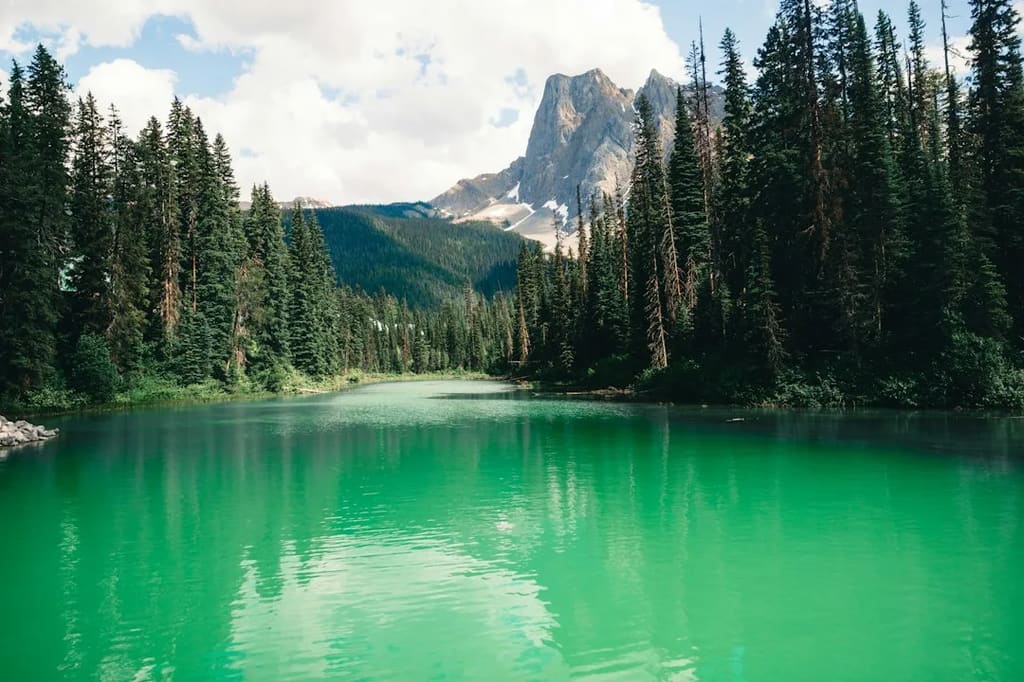
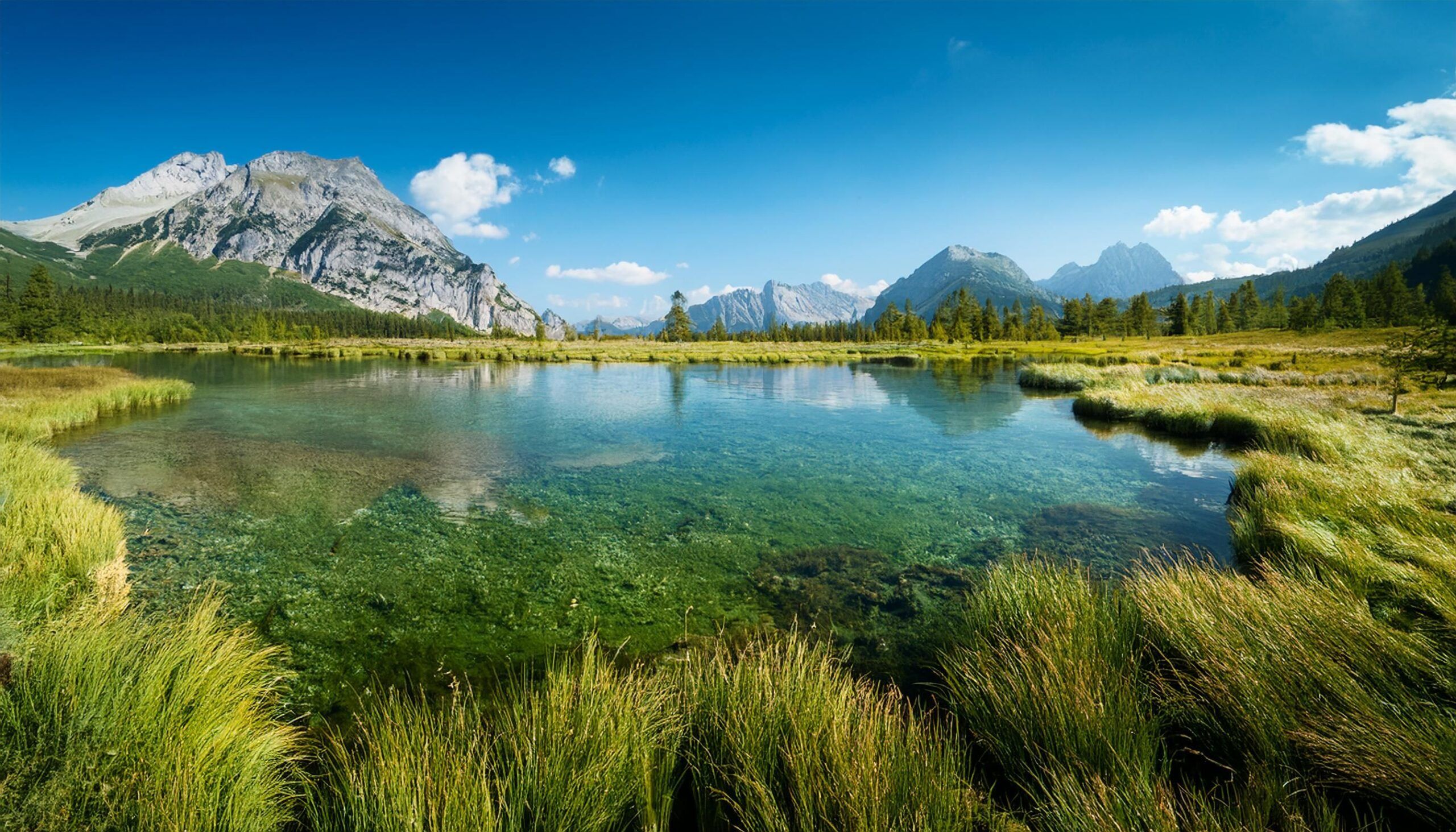
The Grüner See, or Green Lake, sits in the municipality of Tragöß. It’s described as a karst lake in Styria[2], and its size depends on the season. When snowmelt starts on the mountains, it fills with clear spring water and shows its emerald green color.[3]
The local tourism region notes that the water level depends heavily on how much precipitation fell over winter[3]. In cold months the lake can almost vanish completely before returning the following year[3]. A wet winter and a dry one can give you two very different lakes.
Where Tragöß Sits and How to Find It
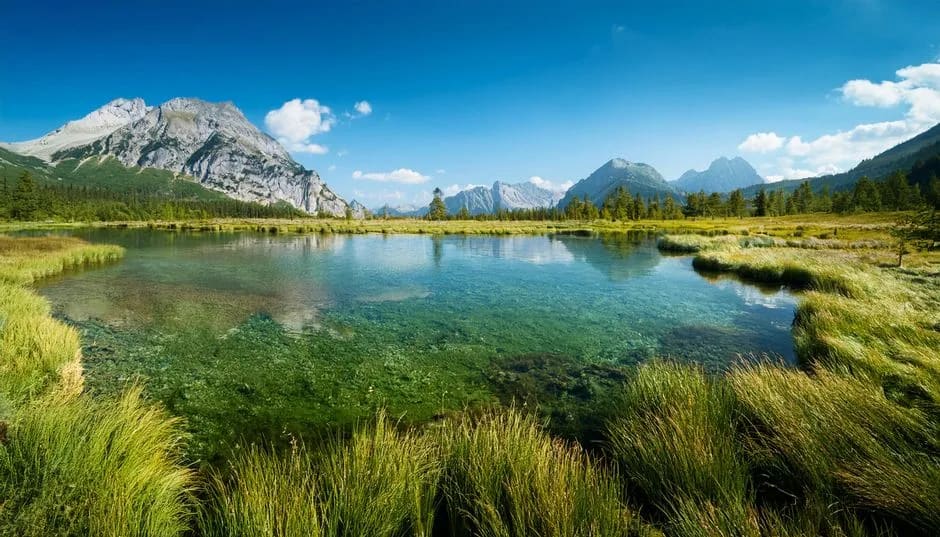
The lake lies at the foot of the Hochschwab mountains, about 80 kilometers from the provincial capital of Graz[4]. It’s a quiet corner of Austria, far from the usual tour bus circuits. It sits at about 776 meters above sea level[5].
The last stretch is simple enough. Tragöß is 23 kilometers from Bruck an der Mur[6], and the visitor car park is about one kilometer beyond the Oberort district. From there it’s roughly 25 minutes on foot to the lake[6].
How a Quiet Park Became an Internet Sensation
The lake’s profile jumped in 2014, when an ORF television program named it the most beautiful place in Austria[5]. Photos of benches and bridges sitting underwater did the rest. One travel blogger puts it bluntly: the lake became an internet sensation, and the influx of tourists significantly damaged the ecosystem[7].
A local information site describes the village as overrun, with thousands of visitors it wasn’t prepared for[8]. Official annual visitor counts for the lake itself are hard to find, so it’s best to treat that description as a local account rather than a measured statistic.
Why You Can’t Swim or Dive Here
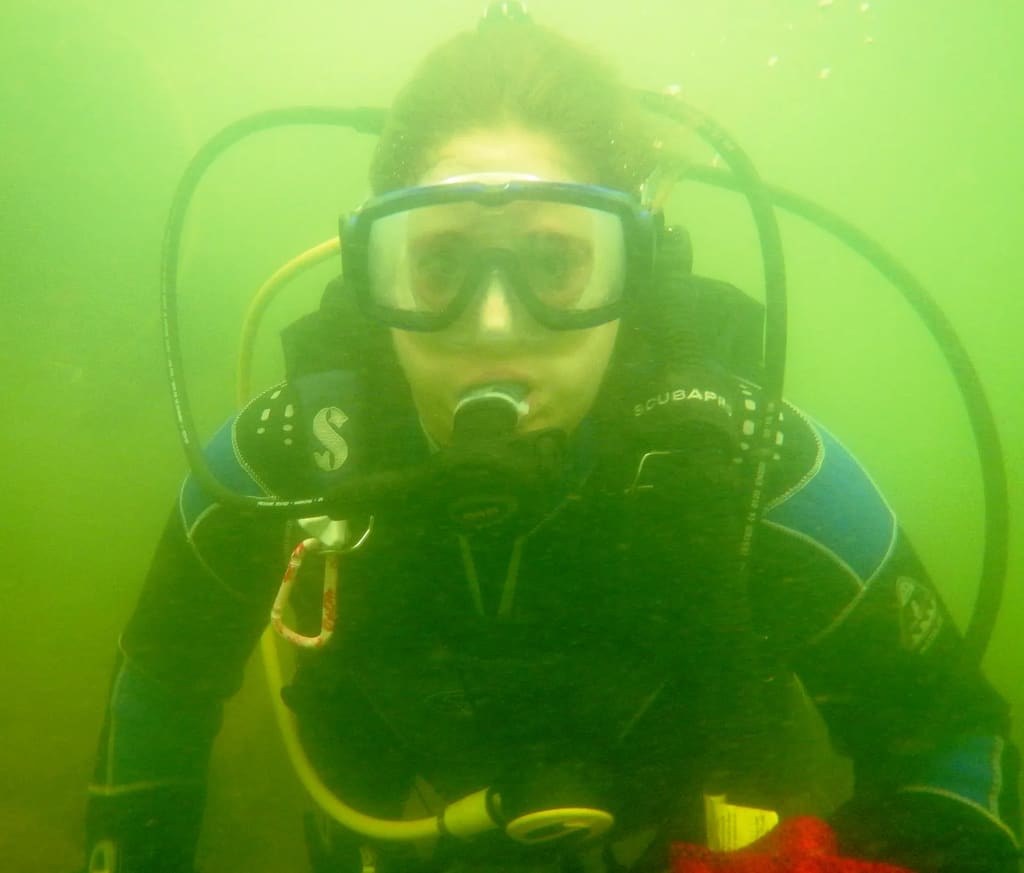
Before the restrictions, diving was a real draw. Up to 1,500 visitors a year dove through the lake[9]. Because that season lasted only a few weeks, the area, protected since 2006, still had time to recover[9].
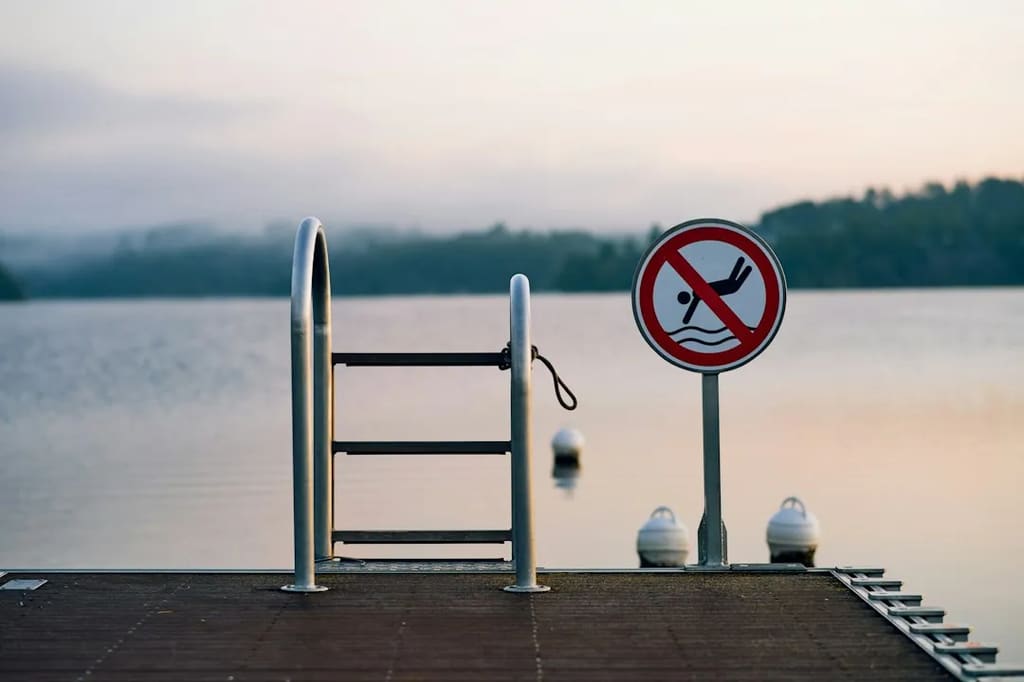
As crowds grew, that balance broke down. Swimming and diving had to be banned to protect the lake[9], and the ban has applied since 2016 to preserve water quality and color[9]. Dogs aren’t allowed to bathe in it either.
Timing Your Visit to the Water Level
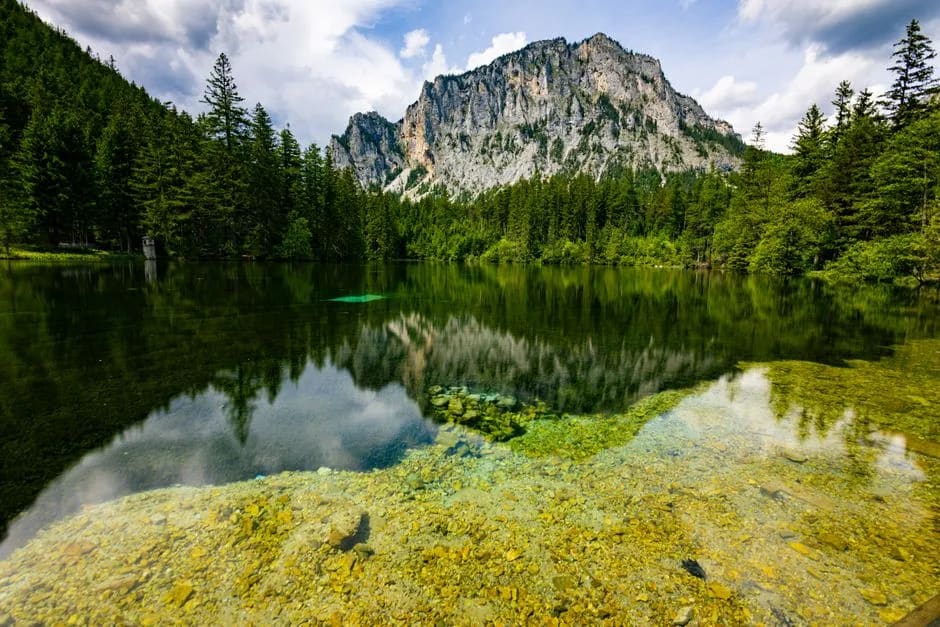
If you want the famous look, aim for late spring. The regional tourism office says the lake is at its best in May and June, when it can reach a depth of up to eleven meters[3]. Another guide gives a wider range, noting that the peak depth, depending on how snowy the winter was, runs between eight and eleven meters[4].
Later in the year the picture changes. By July the waters usually begin to retreat[10], and one August hiker on AllTrails reported that the lake was very dry and didn’t look impressive[11]. The water is also cold, only four to six degrees Celsius even in summer[4].
The Winter Version Few People See
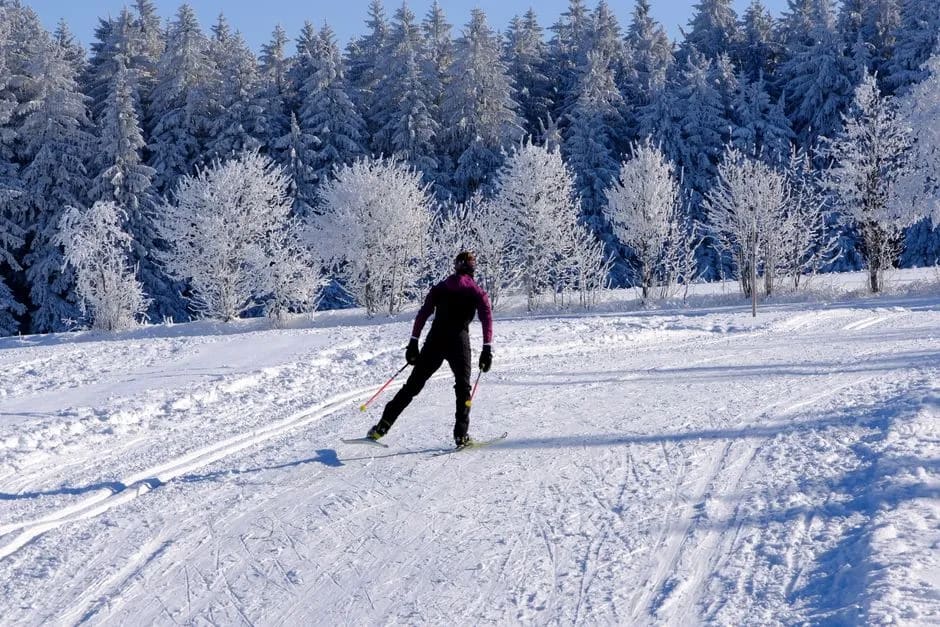
Winter is the quiet season. One Austria guide says that tranquility returns, and with a little luck you can have the whole lake to yourself[4]. With the low water level, you can easily walk around the lake even in winter[4].
Cold months also open up a different kind of outing. According to a local site, a cross country ski trail runs around the lake in winter[5]. It’s less photogenic than June, though it’s also less crowded.
Walking the Shoreline
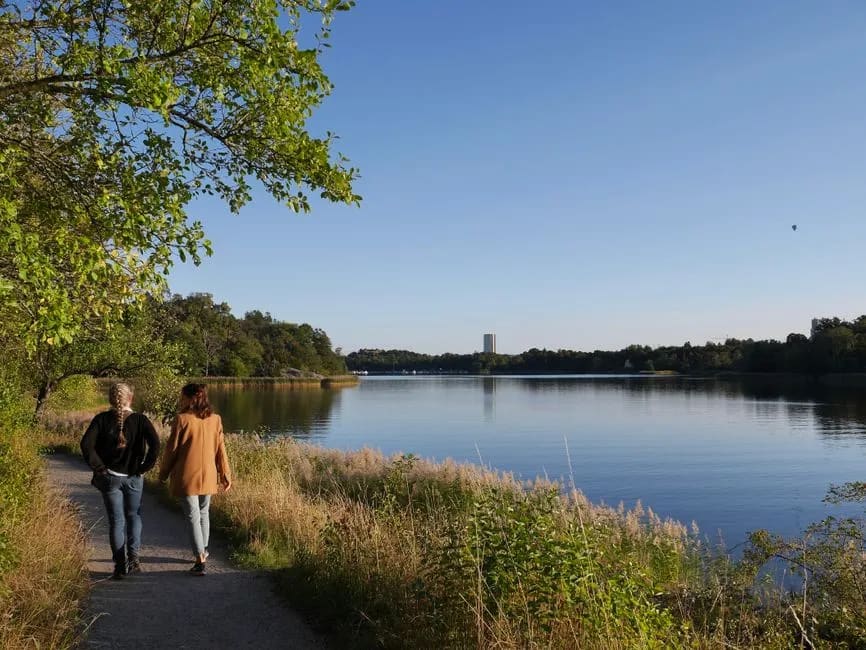
The loop is short and manageable. The official circuit is 3.6 kilometers and takes about an hour[12], and a wide path runs around the lake that walkers use often[13]. Strong boots aren’t essential; one reviewer on AllTrails said simple footwear and even sandals are enough[11].
There’s more water than the name suggests. A visitor review notes that there are four lakes, including Pfarrerteich, Kreuzteich and two that make up the Grüner See itself[14]. If you want a break, the Gasthof Grüner See sits about 200 meters away[15].
Parking, Buses and the Summer Squeeze
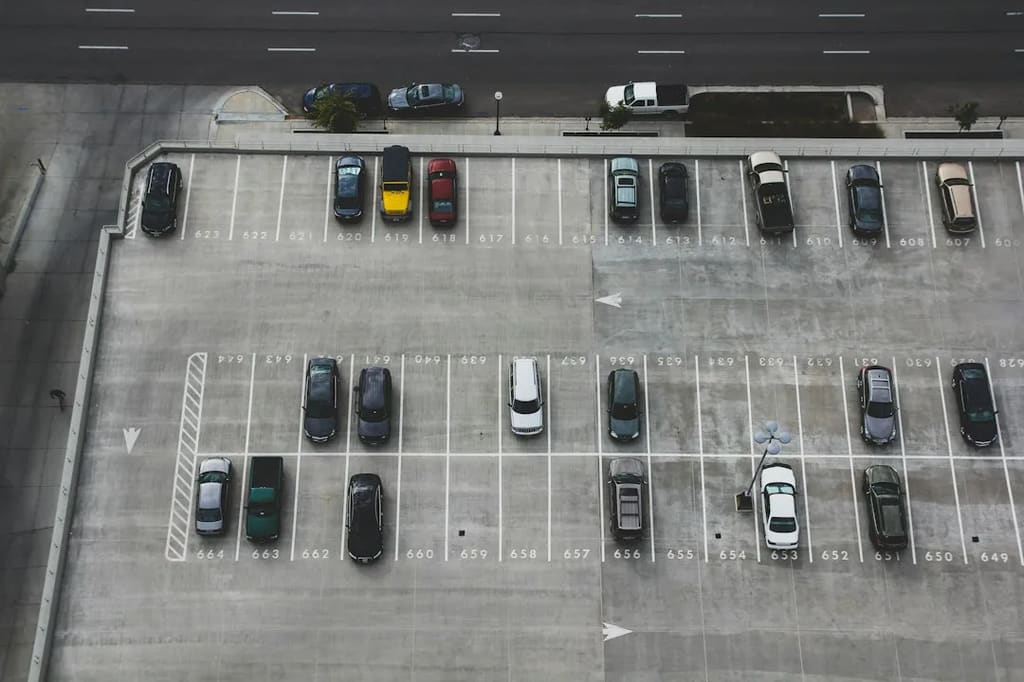
Getting in costs nothing, but parking does. The tourism region lists six euros per 24 hours[3], with a summer season pass at sixty euros[9]. Overnight guests don’t pay if they have a guest card from their host.[6]
Related Stories From Travelbinger
Space can run short. One guide notes that in high season the car park can get very full around midday[16], while another suggests a free lot at the Festsaal in Tragöß, about ten minutes away[17]. Public transport sources disagree. The Styria tourism board says RegioBus 175 runs from Bruck an der Mur to Tragöß[18], but weekend service is only guaranteed from May to October[18], and another guide claims buses hardly run anymore[4], so check the timetable first.
What Else the Valley Offers
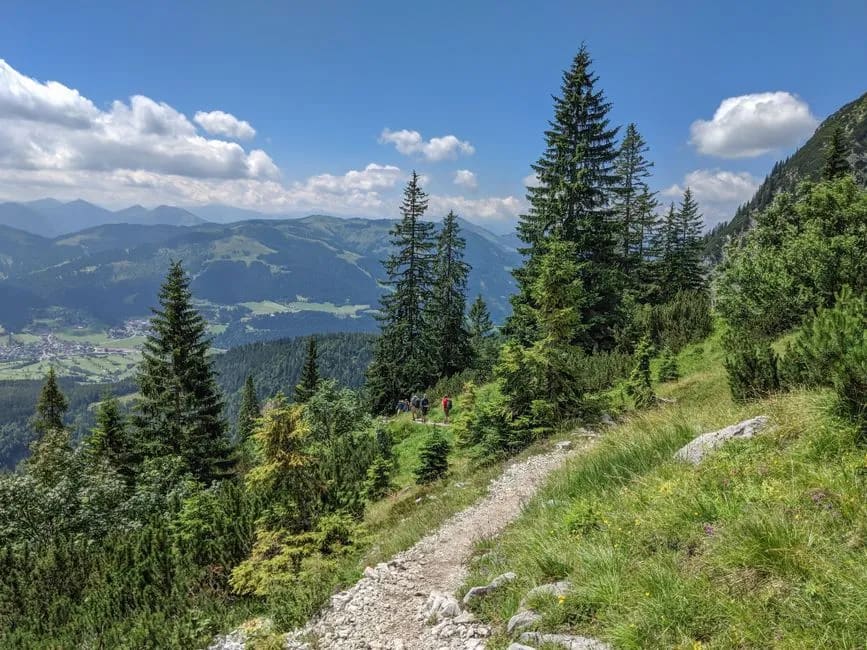
The lake isn’t the only reason to stay in the area. Regional tourism material points to hikes along the Kamplsteig trail, to the Edelweißboden or into the Marienklamm gorge[18]. These give you somewhere to go if the lakeside is busy.
Nearby, there’s also the Weitental nature conservation center, with a popular wildlife rescue station[13]. For longer stays, a large campsite open all year lies not far from the lake[13]. Camping directly at the lake is not allowed.
The Rules Worth Knowing Before You Go