

There’s a specific kind of travel skepticism that builds up over time. You scroll past the same sunset photos, hear the same bucket-list recommendations, and start to wonder whether any of it lives up to its reputation. Some experiences have been photographed so many times, talked about so breathlessly, that they seem almost pre-ruined before you arrive.
The truth is, a handful of those experiences genuinely do disappoint once you’re standing in a crowd, sweating, checking your watch. Not all bucket-list experiences live up to the hype. Some of the world’s most iconic travel attractions can feel underwhelming, overcrowded, or overpriced once you see them in person. Still, a select few manage to exceed every expectation, often in ways that photos and blog posts can’t quite capture. These are those seven.
Watching the Sunrise at Machu Picchu
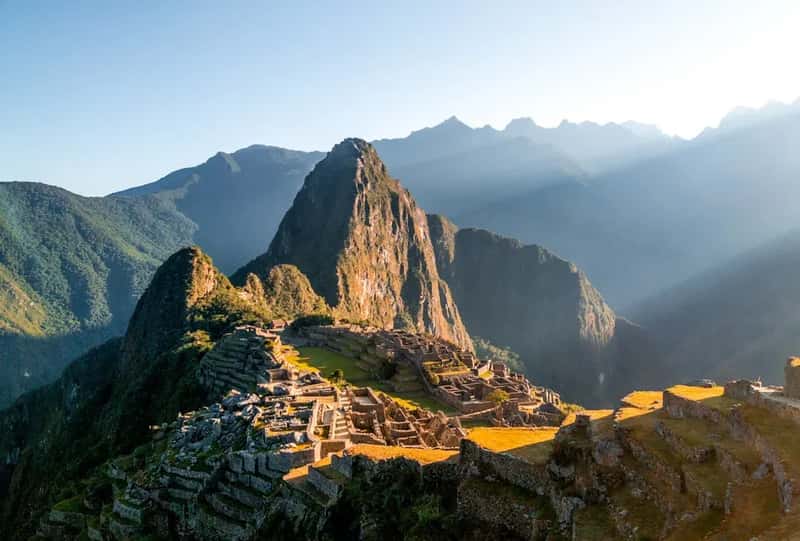
Machu Picchu has been photographed millions of times. The terraces, the mist, Huayna Picchu in the background – it all feels impossibly familiar before you’ve even bought a plane ticket to Lima. On paper, waking at 4 a.m. to queue for a bus in Aguas Calientes sounds like a recipe for exhaustion and disappointment. Yet the reality is something quite different.
There is a specific quality to the light at Machu Picchu in the early morning that simply does not exist at any other time of day. It arrives from behind Huayna Picchu peak, moves through the cloud forest mist, and lands on terraces and temples that have been there for six centuries. For the Incas, Inti, the sun, was the source of all life and the highest divinity of the empire. Machu Picchu was built in direct alignment with that logic, and standing there at 6:00 a.m. when the first light reaches the stone, the history behind that becomes impossible to ignore. The crowds come later. Those first 30 to 40 minutes belong to you.
Seeing the Northern Lights
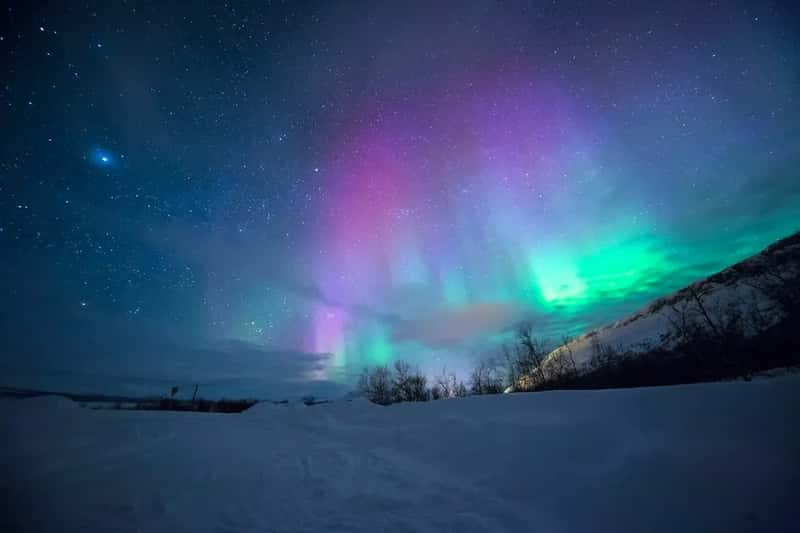
Every winter, millions of people fly north chasing a natural phenomenon that may or may not show up. Aurora forecasts fluctuate. Clouds roll in. Some travelers wait four nights and see nothing. It sounds like an expensive gamble on a screensaver. The skepticism is understandable. The reward, when conditions align, is not.
The Aurora Borealis occurs when charged particles from the sun – mainly electrons and protons – interact with Earth’s magnetic field and atmosphere. This interaction produces vibrant hues of green, pink, purple and blue that dance across the night sky most commonly near the Earth’s polar regions. No description quite prepares you for the way it moves, expands, and vanishes in real time. Solar Cycle 25 reached its peak in 2024 to 2025, producing powerful aurora storms visible across Iceland, and solar activity is forecast to stay elevated through 2026 and into 2027, producing frequent geomagnetic storms. The window for exceptional sightings remains genuinely wide right now.
Taking a Long-Distance Train Journey
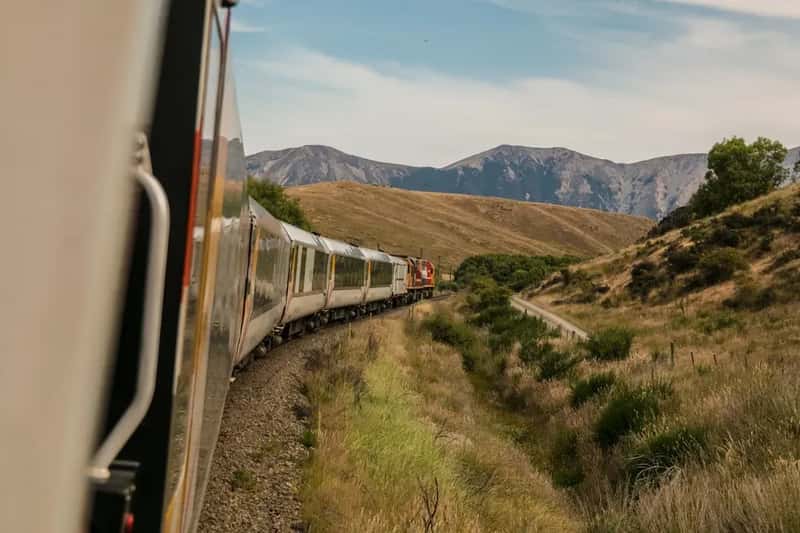
Long train rides have a reputation for being the slow, inconvenient option that only romantics and those afraid of flying choose. Eight hours by rail when a one-hour flight exists seems like a stubborn decision rather than a travel experience. Then you board, find your seat by the window, and the first valley opens up outside the glass.
More people are swapping hectic flights for relaxing, scenic rides that turn the journey itself into a memorable part of the holiday. From luxury sleeper trains to regional scenic routes, slow train travel is becoming the new symbol of sophisticated, meaningful tourism. The commercial data backs this up. One major booking platform described 2024 as “record-breaking” for rail sales, up 30% year over year, while luxury train journeys in particular saw a 43% increase compared to 2023. Something about the pace of train travel changes how you see a country, quite literally.
Staying Somewhere Completely Isolated
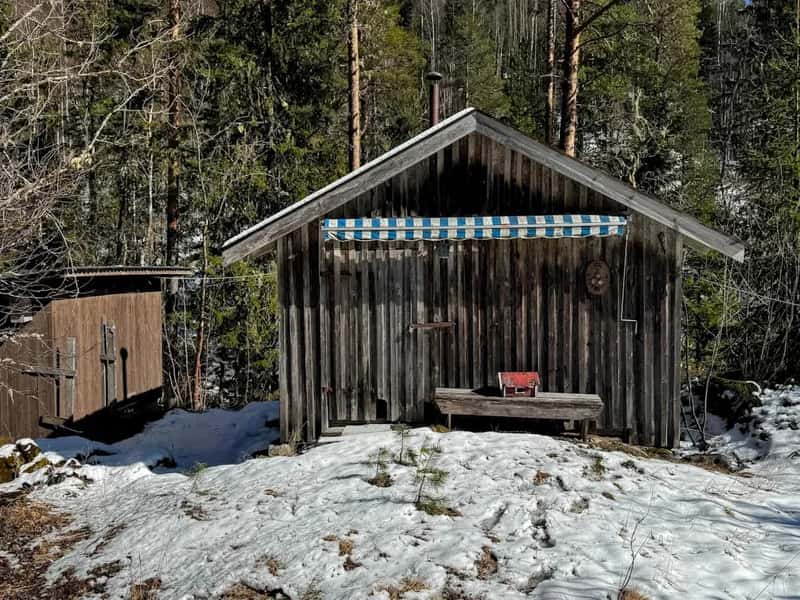
Total disconnection sounds like something people say they want without ever really meaning it. No Wi-Fi, no signal, nobody around – in theory it reads like a punishment. Most travelers who finally commit to it, whether it’s a remote mountain hut in Norway, a lodge deep in Patagonia, or a cabin miles from the nearest town, describe the experience as disorienting at first and then quietly transformative.
The growing appeal of this kind of travel is part of a broader shift in tourism. Travelers are no longer satisfied with ticking destinations off a list. People crave meaningful experiences, cultural connections, and unhurried exploration, which has given rise to a movement that focuses on quality over quantity, immersion over speed. When genuine isolation removes the option to scroll or refresh, attention starts landing on things that were always there: the texture of the landscape, the quality of silence, the way food tastes without distraction.
Joining a Guided Group Tour
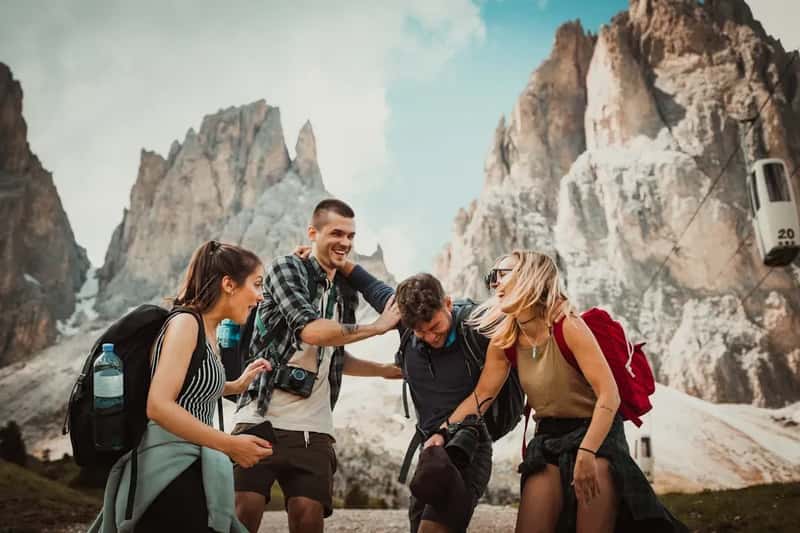
For independent travelers, few suggestions land with more resistance than the guided group tour. It conjures images of matching lanyards, rigid schedules, and enforced enthusiasm. It seems like the opposite of actual travel. The irony is that the right group tour often opens doors – literal and figurative – that solo travelers rarely find.
Local guides carry knowledge that no guidebook compresses adequately, from historical context that reframes what you’re looking at to personal access in towns where hospitality flows through relationships, not reviews. Rail travel, small-group tours, and nature retreats are leading a broader change, as travelers increasingly opt for experiences that allow them to connect with destinations in deeper, more personal ways. The format forces you to be present. You can’t half-experience a place when someone knowledgeable is standing in front of it, telling you exactly why it matters.
Visiting a Famously Crowded Destination Off-Season
Most advice about crowded destinations follows a simple logic: avoid them. Skip Santorini in August, skip Venice in summer, skip Kyoto during cherry blossom season. For travelers who can only get away during peak periods, this advice is maddening. For those with flexibility, going deliberately off-season reframes what a place even is.
A destination that seems like a polished tourist performance in July can feel like a functioning town or city in November. Markets, restaurants, and neighborhoods that cater to locals rather than visitors become accessible. Long lines, crowded attractions, and generic experiences rarely match the expectations set by carefully curated online narratives – but remove those crowds and the gap between expectation and reality often closes dramatically. The destination was always there. The scaffolding just finally came down.
Traveling Somewhere with No Fixed Plan
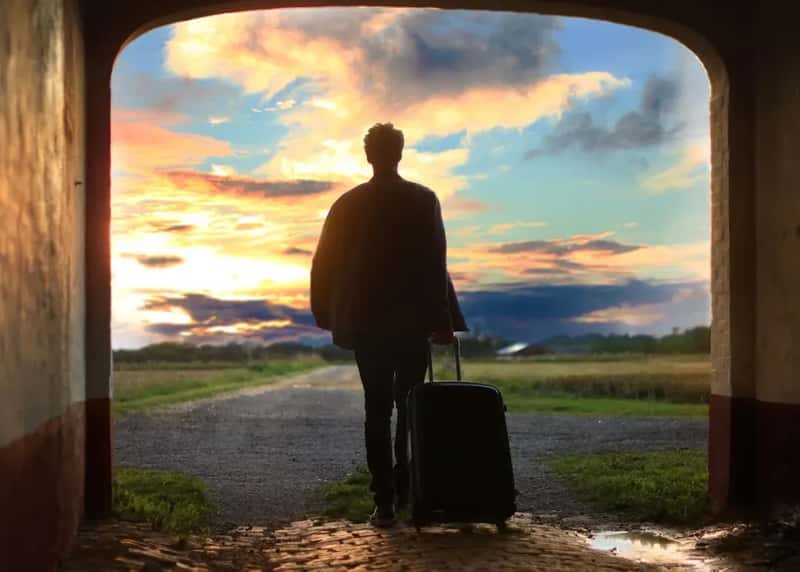
The idea of arriving somewhere without a hotel booked, no itinerary confirmed, and no particular plan sounds either liberating or irresponsible depending on your personality. Travel content tends toward optimization – best neighborhoods, best restaurants ranked, best time slots pre-booked months out. Planning well is genuinely useful. Over-planning, though, has a cost that’s harder to quantify.
Social media plays a significant role in shaping travel expectations, glorifying travel experiences as milestones of personal achievement and in doing so, filling every hour with something to perform. Unstructured time in an unfamiliar place produces a completely different kind of travel: the conversation with a stranger that lasts three hours, the neighborhood you wander into without knowing its name, the meal you have because a chalk sign outside looked interesting. Travel is subjective, and while some experiences may not deliver for everyone, they might still hold magic for those seeing them for the first time. The experiences that tend to hold on the longest are rarely the ones you scheduled in advance.
The common thread across all seven is fairly simple: context matters enormously. Crowds, commercialization, and unrealistic expectations can ruin what could be incredible travel experiences. Strip those away – by timing a visit well, slowing down, or simply showing up with less certainty about what you’re supposed to feel – and a lot of supposedly overrated experiences turn out to be worth every skeptical thought you had before you left.