There’s a strange irony playing out in some of America’s most photogenic zip codes. The same red rock views, cruise ship harbors, and ski slopes that fill Instagram feeds are quietly pushing out the people who built these places in the first place. It’s not that residents hate visitors exactly, it’s that the sheer volume of them has started to reshape daily life in ways that feel less like hospitality and more like an occupation.
From coastal Maine to the Arizona desert, a pattern has emerged. Towns market themselves relentlessly for decades, succeed beyond anyone’s expectations, and then find themselves negotiating with their own success. What follows is a look at seven places where that tension has become impossible to ignore.
1. Sedona, Arizona
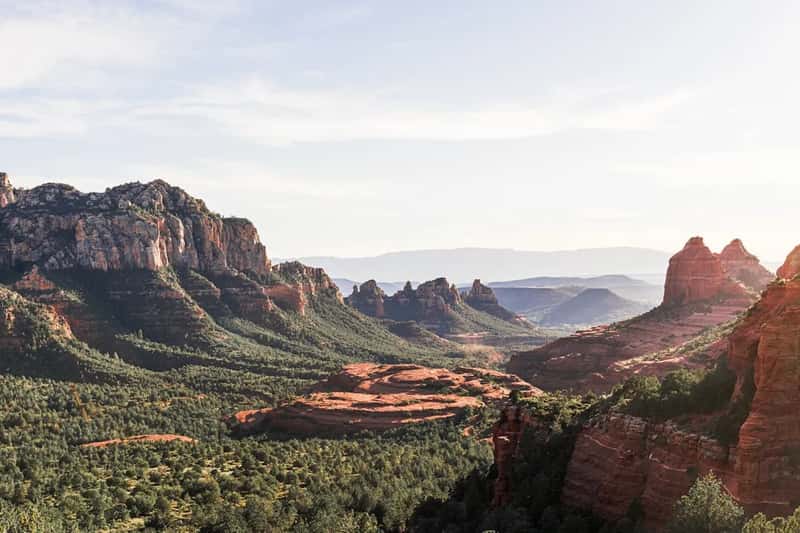
Sedona’s red rock formations have made it one of the most photographed landscapes in the American Southwest, but that fame has come at a cost for the roughly 10,000 people who actually live there. Visitors clogged Sedona streets with traffic and packed local trailheads, much to the dismay of local residents.[1] The friction got serious enough that the move came in the wake of a November election that saw a mayor and council member voted out and that was seen as a referendum on resident attitudes toward tourism.[2]
The town’s own mayor summed up the sentiment before winning office, stating plainly that “We have too many tourists. Period,” he said before his election.[3] Sedona has since experimented with pulling back on destination marketing altogether, betting that fewer ads might mean fewer day-trippers clogging the narrow highways in and out of town. Whether that gamble pays off is still an open question, since word of mouth and social media keep the crowds coming regardless of what the tourism board does.
2. Bar Harbor, Maine
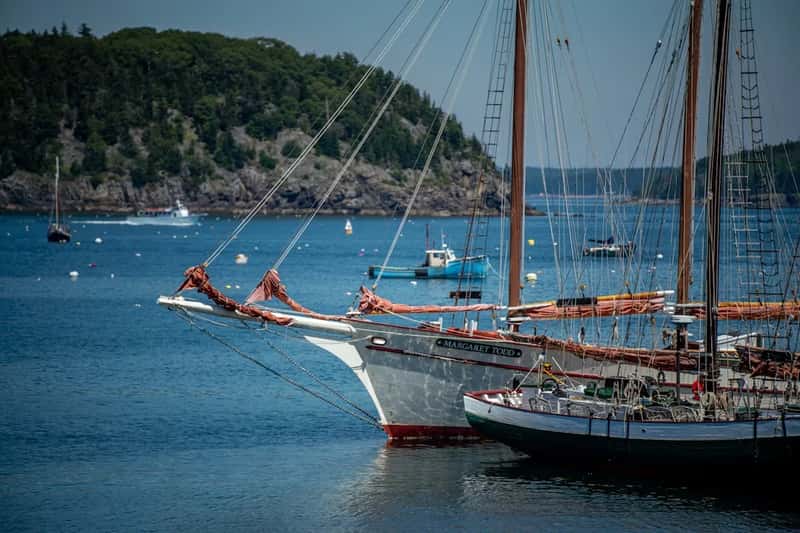
This coastal Maine town of roughly 3,500 full-time residents has become ground zero for America’s cruise ship overtourism debate. The U.S. Census estimates that in 2025, there were just 3,500 full-time residents of Bar Harbor, but data developed for the town showed an average of 11,500 visitors in the area of the waterfront in the summer, and peak days with 15,000 visitors near the waterfront.[4] Fed up with the crowds, by 2022, the mammoth tourist vessels motored back to Bar Harbor, more than 150 ships, bringing hundreds of thousands of passengers into the town over a seven-month period. Citizens fed up with ships and day-trippers took their fight to the local ballot that fall, winning 58% of the vote to cap the number of cruise passengers coming to their town.[5]
The fight has dragged on for years and shows no sign of resolving cleanly. A federal judge recently ruled that the ordinance’s 1,000-passenger cap is not clearly excessive in relation to its local benefits during the peak summer tourism season but is clearly excessive in relation to the shoulder seasons, and that the ordinance is unenforceable in all months other than July and August.[6] Locals remain split down the middle, with some residents pledging to keep fighting for a year-round cap while others argue the town cannot afford to turn its back on the revenue cruise passengers bring.
3. Jackson Hole, Wyoming
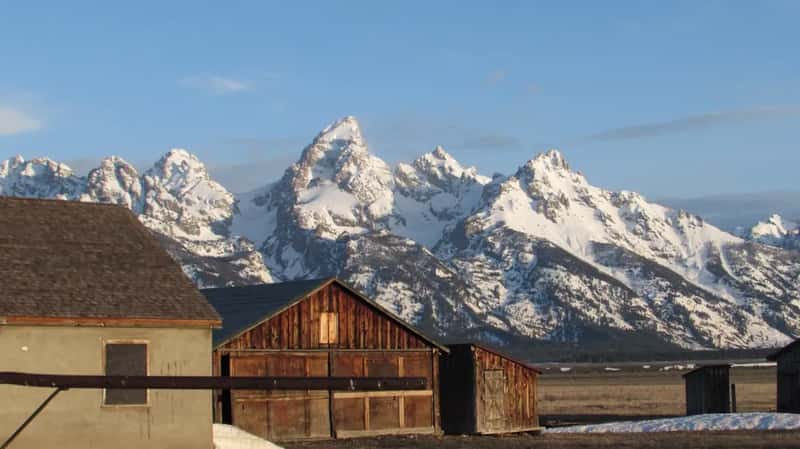
Gateway towns to Grand Teton and Yellowstone National Parks have always drawn crowds, but Jackson Hole’s popularity has collided head-on with an affordability crisis that’s pushing out the very workers who keep the town running. Jackson Hole’s global popularity is colliding with local reality, as visitor numbers surge, the mountain community faces worsening traffic, housing shortages for workers, environmental strain, and growing resident frustration.[7] Home prices have climbed to levels that would have seemed absurd even a decade ago, with single-family properties reportedly hitting record highs in the multi-million dollar range.
The housing squeeze has real consequences beyond just frustration. Sky-high property values and the expansion of short-term rentals have pushed many hospitality and service workers out of the valley altogether, forcing reduced hours and service disruptions even during peak demand periods, with many workers commuting long distances as the only option.[7] Community surveys taken in the valley now show residents openly questioning whether tourism’s economic benefits still outweigh what it costs them in quality of life.
4. Gatlinburg and Pigeon Forge, Tennessee
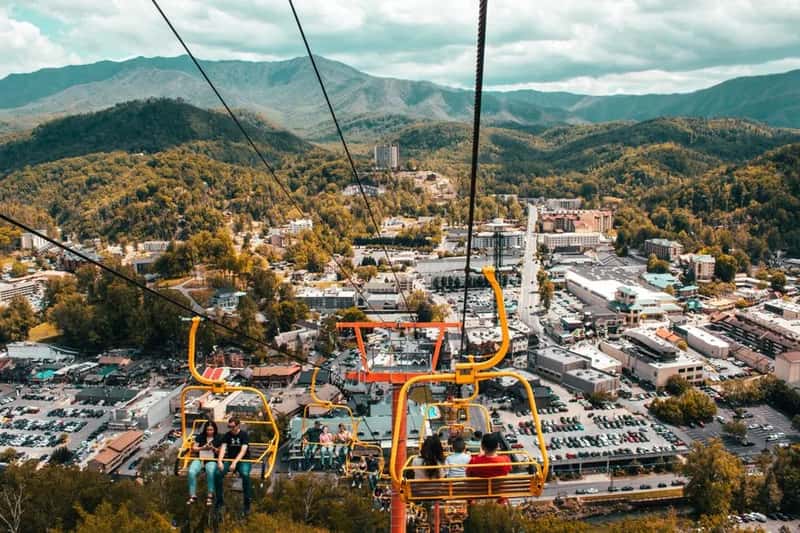
These twin gateway towns to Great Smoky Mountains National Park pull in staggering numbers of visitors every year, and the strain shows in both traffic and land use. Great Smoky Mountains itself is the most visited national park in the country, and this influx has led to environmental concerns, including soil erosion and trampled vegetation, while the go-to tourist trap gateway towns of Gatlinburg and Pigeon Forge, which is home to the Dollywood theme park, are now notorious for crowds and traffic.[8] One visitor recounted the scale bluntly, noting the park drew 22 million visitors last year, a record.[9]
The businesses that cater to that traffic have thrived, filling once-quiet mountain roads with go-kart tracks, outlet malls, and novelty attractions. For residents who remember a slower version of these towns, the transformation has been jarring, even if it’s kept the local economy humming. It’s the classic overtourism paradox: the same crowds that make daily life harder are the reason the lights stay on.
5. Aspen, Colorado
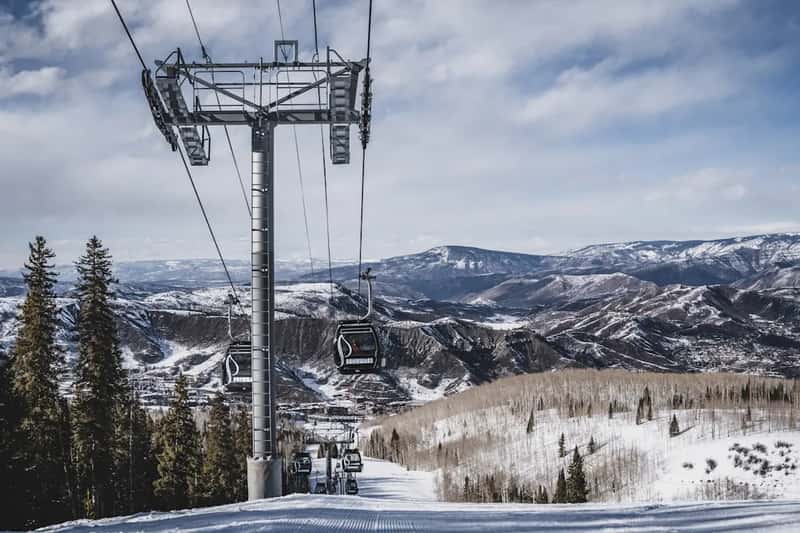
Aspen occupies a strange corner of the overtourism conversation because its problem isn’t crowding in the traditional sense, it’s money. Aspen, one of the most expensive American destinations around, has undergone gentrification on steroids, thanks to the wealthy vacationers who frequent the high-end haven in increasingly large numbers, driving up the cost of housing and other essentials for long-time locals.[8] Service workers who keep the restaurants and lift lines running often can’t afford to live anywhere near the town they work in.
The ecological toll matters too, even in a place built around outdoor recreation. The upswing in visitor numbers has also led to an alarming increase in land use and harm to the ecology of the surrounding wilderness.[8] Aspen’s situation is a reminder that overtourism isn’t always about sheer visitor volume. Sometimes it’s about the kind of visitor a place attracts, and what that does to everything around them.
6. Miami Beach, Florida
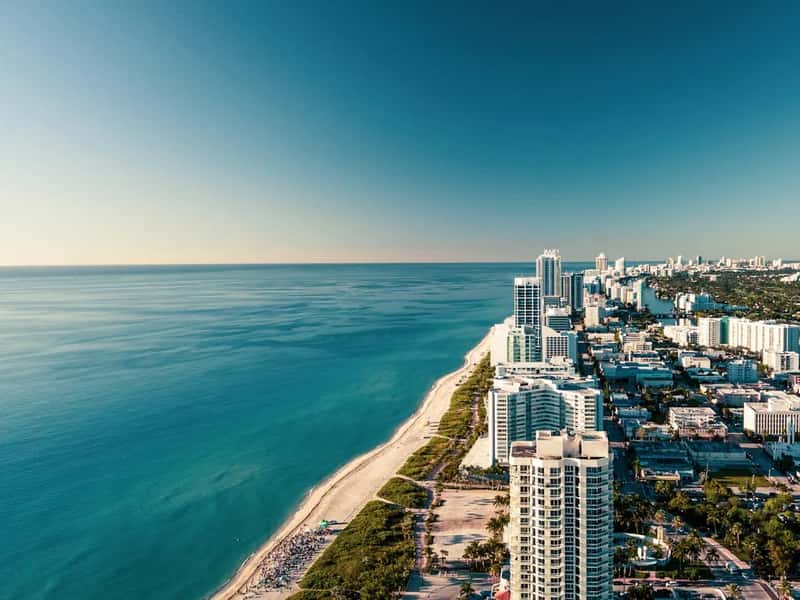
Miami’s tourism numbers are massive by any measure, and the city has earned an unflattering reputation for it. Miami, which hosted 27.2 million visitors in 2023, has been labelled one of the world’s most overtouristed destinations by CNN, CNBC and numerous other media outlets.[8] Most of the year, that volume translates into steady economic activity, but there’s a specific window when things boil over.
Spring Break has become the flashpoint for local frustration in Miami Beach specifically. The issue reaches fever pitch every Spring Break when college students descend on Miami Beach for a week of raucous partying, making life hell for locals, and after several shocking incidents of violence, authorities have decided enough is enough.[8] City officials have since imposed curfews, checkpoints, and heavier policing during peak weeks, an unusual step for a place whose entire economy depends on people showing up.
7. Key West, Florida
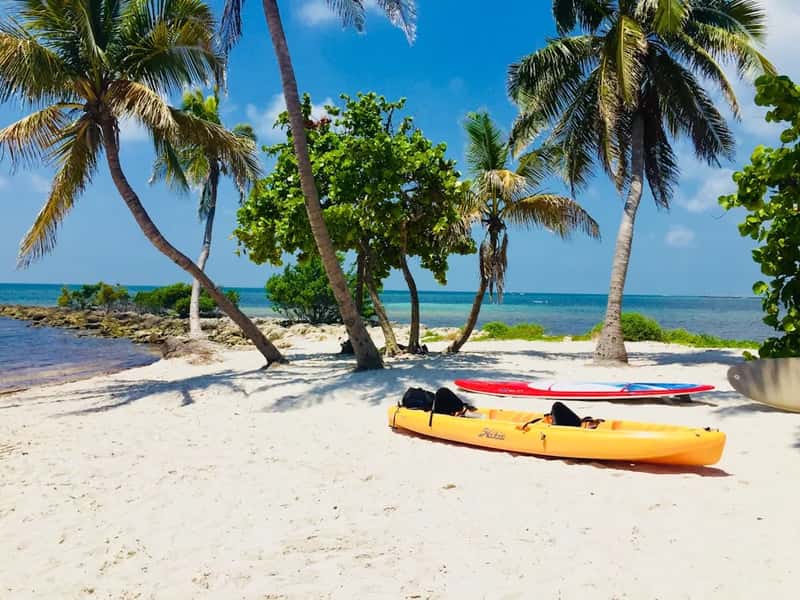
Key West’s relationship with cruise tourism mirrors what’s playing out in Bar Harbor, just with more heat and more history. This small island city built its modern economy around visitors arriving by both air and sea, but the sheer scale of daily cruise arrivals eventually pushed voters to act. In 2020, Key West residents approved ballot measures limiting the size and frequency of cruise ships allowed to dock, reflecting concerns over crowding on Duval Street, strain on the island’s fragile coral reef ecosystem, and the wear on infrastructure never designed for tens of thousands of daily foot traffic.
The state legislature later stepped in and preempted local control over ports, effectively overriding the will of Key West voters, a move that still generates resentment among longtime residents today. It’s a familiar pattern across these seven towns: locals identify a problem, vote to fix it, and then watch state or federal authority intervene on behalf of the tourism economy. The tension between local quality of life and the broader financial machinery of tourism hasn’t gone away in Key West. It’s simply been legislated into a quieter, less visible form.
These seven towns share a common thread even as their specific grievances differ. Cruise ships, spring breakers, ski resort wealth, and Instagram fame all create the same basic math problem: a small permanent population trying to absorb a visitor volume that dwarfs it many times over. Some places have found workable compromises, at least temporarily. Others remain locked in the same fight year after year, ballot measure after ballot measure, with no clean resolution in sight.