Everyone knows Aspen is out of reach for the average buyer, and Jackson Hole has become a playground for billionaires rather than working families. Still, the mountains of America stretch far beyond these famous zip codes, and plenty of towns tucked into the Rockies, the Appalachians, and beyond continue to offer real trails, real community, and real affordability. These seven towns prove that a mountain lifestyle doesn’t require a seven-figure budget.
From former mining camps in Colorado to riverside communities in Arkansas, each of these places pairs outdoor access with home prices that won’t make you wince. Here’s a closer look at seven mountain towns where your money still goes a long way.
1. Roanoke, Virginia
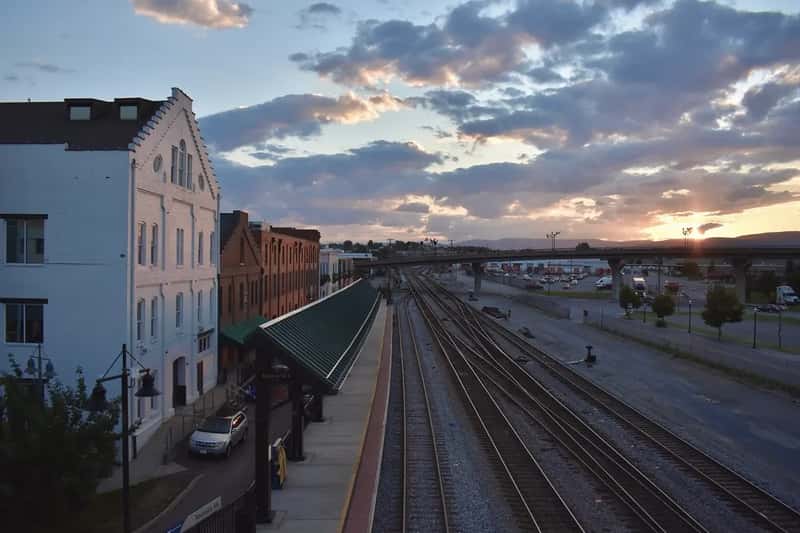
Nestled deep in a valley surrounded by the Blue Ridge Mountains, Roanoke offers a stunning natural canopy and a highly walkable downtown center, often referred to as the “Star City of the South,” it provides direct access to the Appalachian Trail and the scenic Blue Ridge Parkway. That kind of trail access right outside your front door is hard to find in a city of its size, and it’s part of what makes Roanoke feel like a genuine mountain town rather than just a city near mountains.
Housing remains incredibly accessible for seniors on a fixed income, and recent 2026 housing data from Zillow places Roanoke’s median home price around $243,000, falling drastically below the national average. On top of the affordable housing, healthcare access stands paramount, and Roanoke serves as the headquarters for the Carilion Clinic, a massive regional healthcare system offering specialized cardiac, orthopedic, and neurological care. That combination of low costs and serious medical infrastructure is rare for a town this size.
2. Leadville, Colorado
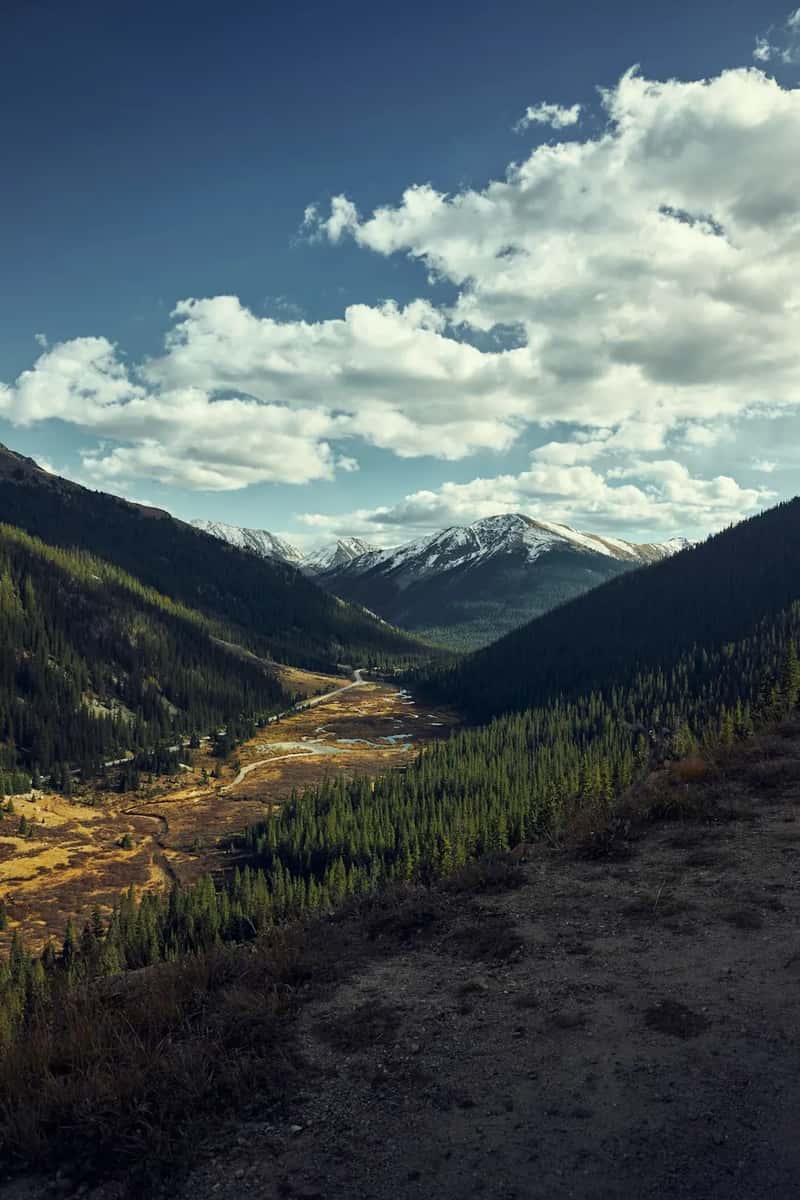
Leadville sits higher than almost anywhere else in the country, and it wears that distinction proudly. Situated at 10,152 feet, Leadville is the highest incorporated city in the U.S. and offers incredible views of the Rockies. This former mining town is filled with Victorian-era charm and, unlike its more expensive neighbors Aspen and Vail, offers affordable living. Walking its historic downtown feels like stepping into a different century, minus the price tag that usually comes with Colorado mountain real estate.
The town’s median home price hovers around $245,000, while Aspen’s luxury market averages in the millions, a gap that highlights just how much of an outlier Leadville has become in a state where mountain towns keep getting pricier. Beyond the scenery, you can look forward to year-round outdoor activities, including cross-country skiing at the affordable Ski Cooper resort. For anyone who wants genuine Rocky Mountain elevation without a Rocky Mountain price tag, Leadville is tough to beat.
3. Hot Springs, Arkansas
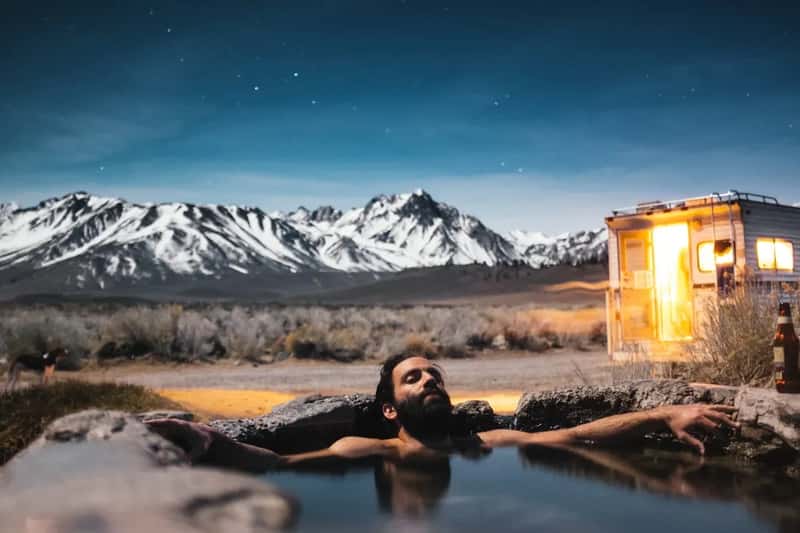
Hot Springs doesn’t get mentioned in the same breath as Colorado or Utah mountain towns, but it deserves a spot on the list. Thermal springs bubbling out of the earth, a national park right on the main street, and home prices that still feel like a different era make Hot Springs, Arkansas genuinely one of America’s most underrated mountain towns. The Ouachita Mountains provide a lush, forested backdrop that turns spectacular in autumn.
What sets this town apart is its blend of natural wonder and preserved history. Bathhouse Row on Central Avenue is a jaw-dropping stretch of early 20th-century spa architecture that now houses museums, galleries, and even a working bathhouse where you can soak in natural thermal water. Add in nearby Lake Hamilton for boating and fishing, and you get a mountain-adjacent lifestyle that costs a fraction of what you’d pay out west.
4. Ogden, Utah
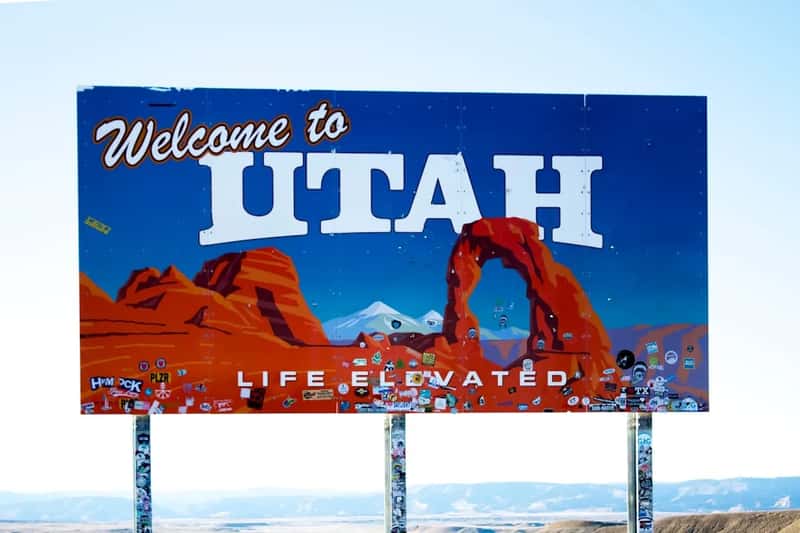
Ogden has quietly become one of the best-kept secrets for people who want serious skiing without Park City prices. Less than an hour’s drive from Salt Lake City, Ogden has everything you’d want in a mountain town, and it offers easy access to Powder Mountain and Snowbasin ski resorts. With an average home price around $403,946 and average rent near $1,317, it stays well below the cost of Utah’s more famous resort towns.
Winter sports aside, Ogden offers plenty for warmer months too. There’s also 13,000 acres of nearby lakes woven together by rivers, for endless fishing and paddling, and the historic 25th Street features art, great dining, and entertainment. It’s the kind of town where you can ski in the morning and grab dinner on a historic downtown strip that evening, all without needing a trust fund to make it work.
5. Jim Thorpe, Pennsylvania
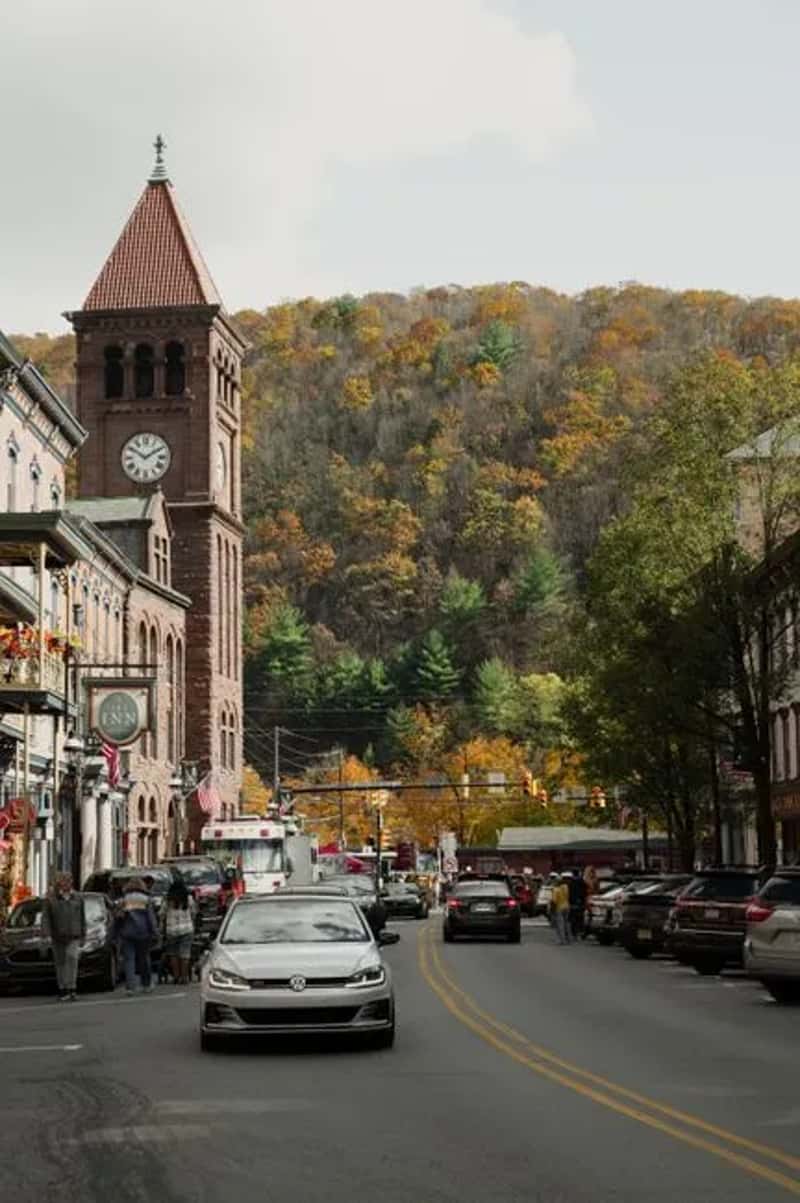
Tucked into the Poconos, Jim Thorpe has earned a nickname that says a lot about its character. Known as the “Little Switzerland of America,” Jim Thorpe offers the rare combination of historic charm, community and affordability, with average rent around $1,783 and an average home price near $276,691. Those numbers put it well within reach for buyers priced out of pricier East Coast mountain destinations.
The town’s appeal goes beyond just the numbers. “Jim Thorpe feels like something out of a storybook,” notes Austin Glanzer, real estate expert with 717HomeBuyers, pointing to cobblestone streets, a thriving small business scene and endless outdoor activities including hiking, kayaking. For anyone drawn to the Appalachian foothills but unwilling to pay Vermont or New Hampshire prices, this small Pennsylvania town is worth a serious look.
6. Cañon City, Colorado
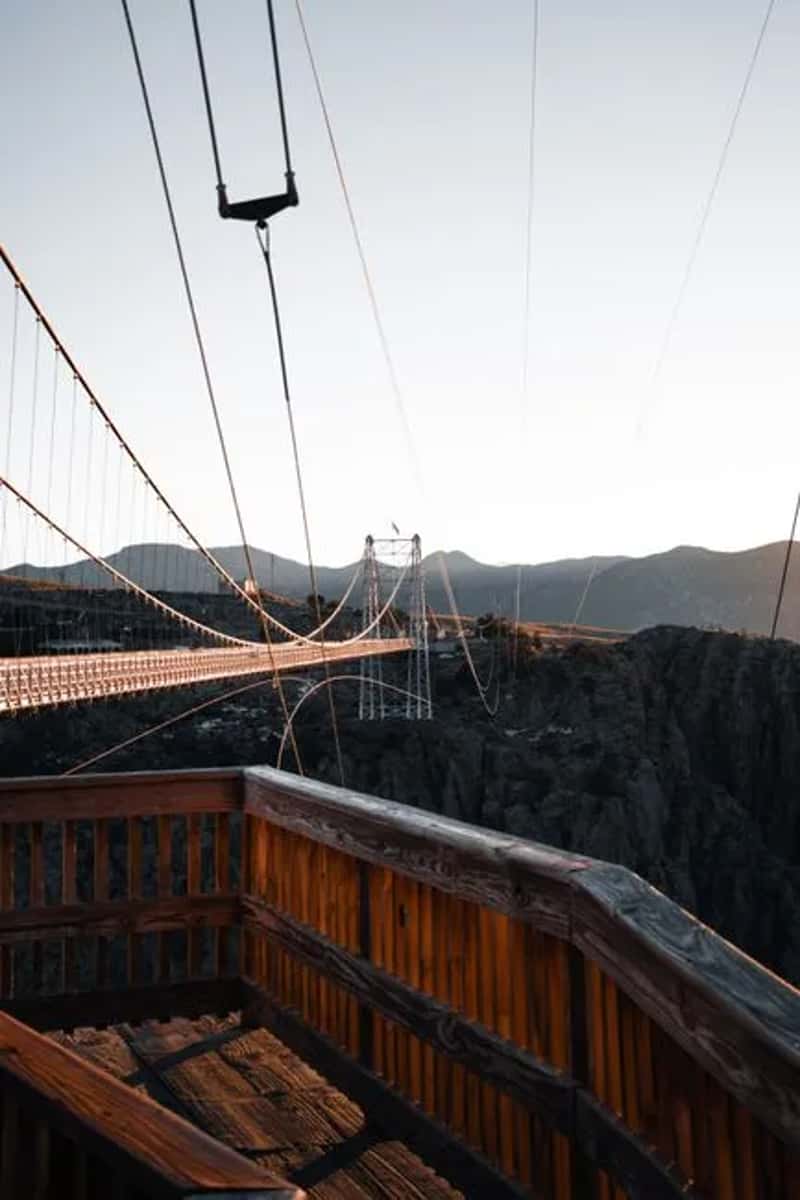
Colorado’s mountain towns have gotten a reputation for pricing out regular buyers, but Cañon City bucks that trend. Finding affordable real estate in the Colorado Rockies typically feels impossible, but Cañon City stands out as a remarkable exception, located along the Arkansas River just outside the spectacular Royal Gorge. As of 2026, the typical home value here sits around $337,683, and the broader cost of living runs 15% less expensive than the national average and 22% less expensive to live in than the average city in Colorado.
The scenery here isn’t a consolation prize either. Standing 956 feet above the Arkansas River, the Royal Gorge Bridge is one of the most dramatic man-made structures in the entire United States, and the surrounding Royal Gorge Bridge and Park offers zip lines, a gondola ride over the canyon, and breathtaking hiking trails. Add whitewater rafting on the Arkansas River and a mild “Banana Belt” microclimate, and Cañon City makes a strong case as one of the last true bargains in the Colorado high country.
7. Pocatello, Idaho
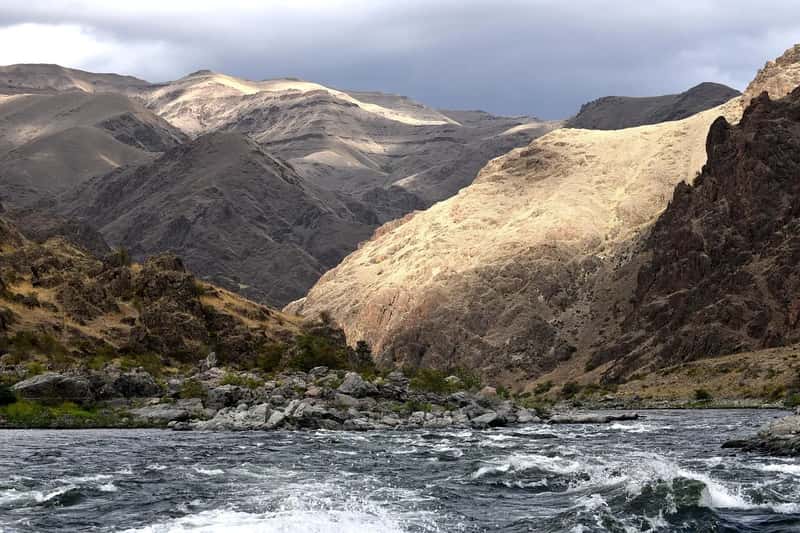
Idaho’s real estate market has heated up considerably in recent years, but Pocatello has managed to stay grounded. With a median home sale price of $319,900, Pocatello takes the number one spot among affordable places to live in Idaho, and it comes with a population of roughly fifty-six thousand people, big enough to offer real amenities without losing its small-town feel.
Outdoor access here rivals towns twice its price. The city offers extensive outdoor recreation through the Portneuf Greenway Trail system and Pebble Creek Ski Area for winter sports, with cultural amenities including the Idaho Museum of Natural History and Stephens Performing Arts Center at Idaho State University. Between the university energy, the ski hill, and prices that remain well under the state’s rising median, Pocatello is one of the more overlooked mountain gems in the Mountain West.
None of these towns require a lottery win or a six-figure down payment to enjoy a genuine mountain lifestyle. What they share is a mix of real outdoor access, a functioning local economy, and home prices that have not yet caught up to the demand seen in places like Aspen, Vail, or Jackson Hole. That gap will not stay open forever, since remote work and rising interest in small-town living keep nudging more buyers toward exactly these kinds of overlooked places.
If a slower pace, mountain views, and a lower cost of living sound appealing, it might be worth visiting one of these towns before word gets out any further. Sometimes the best mountain life isn’t the one everyone’s already fighting over, it’s the one still waiting to be discovered.