There’s something special about discovering a destination before the crowds descend. You know that feeling when you stumble upon a hidden beach or wander through ancient streets without fighting for space? That’s the magic we’re chasing here. While everyone else is booking their tickets to Paris or Barcelona, savvy travelers are quietly exploring corners of the world that offer just as much beauty, culture, and adventure – without the tourist chaos.
The truth is, the most memorable trips often happen in places you’ve barely heard of. These are the destinations where locals still greet you with genuine curiosity, where your photos won’t look like everyone else’s Instagram feed, and where you can actually afford to enjoy yourself without emptying your savings account. So let’s dive in.
Albania: The Mediterranean’s Best-Kept Secret
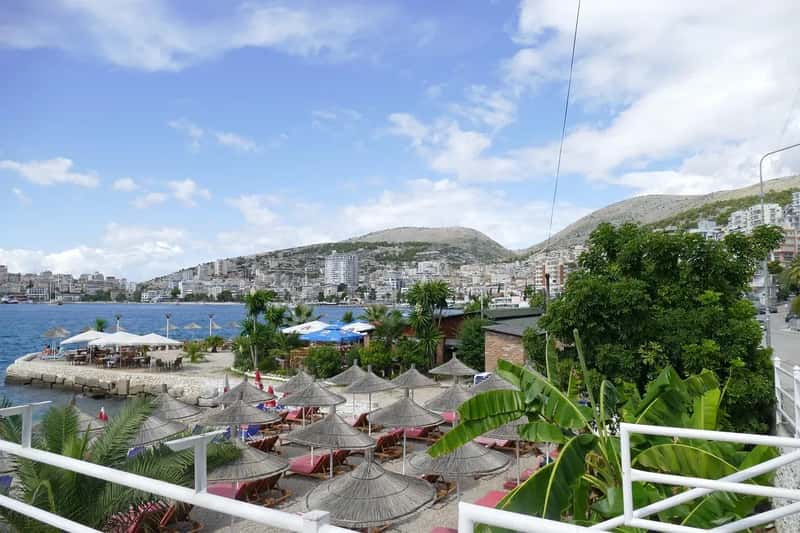
Albania attracted 11.7 million foreign visitors in 2024, marking a 15.2 percent increase compared to 2023. Yet somehow, this Balkan gem still flies under the radar compared to its neighbor Croatia. Albania offers almost all of what Croatia does, but at a fraction of the cost.
The Albanian Riviera delivers crystal-clear turquoise waters that rival Greece, while historic towns like Berat and Gjirokastër showcase centuries of Ottoman and Roman architecture. According to INSTAT, Albania saw an 82 percent increase in tourist arrivals in 2024 compared to 2019, with Berat seeing nearly four times as many tourists and Gjirokastra six times as many. Here’s the thing though: despite this growth, you still won’t find the overwhelming crowds that plague Mediterranean hotspots.
In 2024, the cheaper seaside destinations of Albania, Croatia and Turkey registered among the highest growth in flight traffic. The Albanian coast offers pristine beaches in towns like Ksamil, Dhërmi, and Sarandë, where you can actually find a spot on the sand. Foreign tourist spending surged by 54.7 percent, reaching 4.8 billion dollars in 2024, proving that people are finally catching on to what locals have known all along.
Georgia: Where Ancient Meets Adventurous
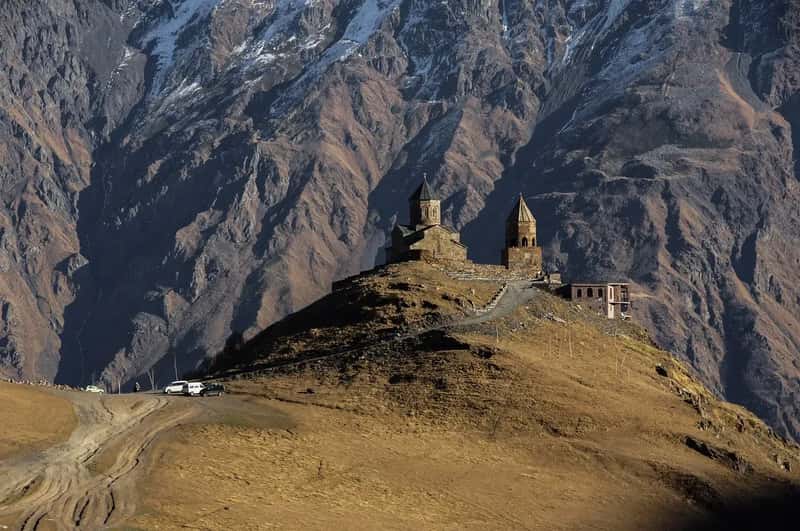
Not the American state, but the Caucasus country that’s been quietly stealing hearts. In 2024, 5.09 million international visitors arrived, up 9 percent from 2023. This place is seriously impressive when you consider what it packs into such a small space.
The capital, Tbilisi, drew 3.39 million tourists in 2024 with its blend of modern attractions, historical landmarks, and vibrant cultural scene. The city feels like a living museum where centuries-old churches stand alongside trendy wine bars. Speaking of wine, Georgia isn’t just any wine region – it’s literally one of the oldest in the world, with winemaking traditions dating back thousands of years.
The diversity here is wild. International tourist spending rose to 14.3 billion Georgian lari in 2024, up 11 percent from 2023 and 68 percent higher than 2019. From the Black Sea coast in Batumi to the dramatic peaks of the Caucasus Mountains, you can go from beach to alpine hiking in just a few hours. Tourism in Georgia has grown by 15 percent per year since 2019, yet it still feels refreshingly undiscovered compared to European destinations.
Slovenia: Europe’s Green Jewel
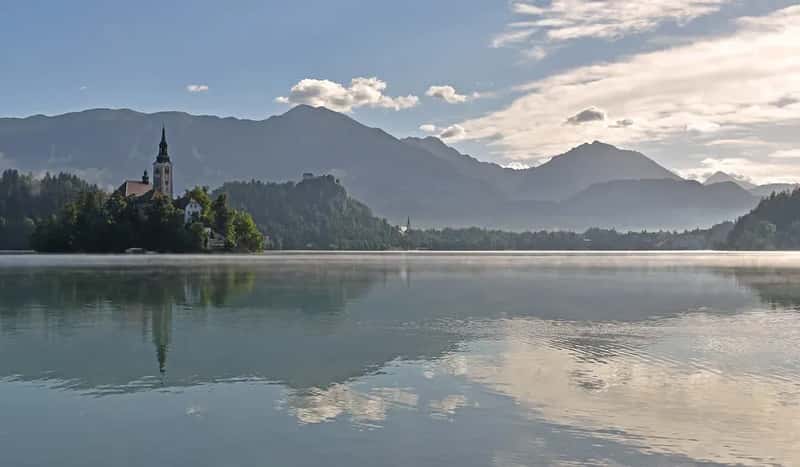
Tucked between Italy, Austria, and Croatia, Slovenia is what happens when you combine the best of Central Europe into one compact package. Tourist arrivals surged by 6.3 percent compared to 2023, reaching 6.58 million visitors, while overnight stays rose by 4.5 percent to a record 16.85 million.
Ljubljana, the capital, feels like a fairy tale with its castle-topped hill and charming riverside cafes. Slovenian tourism fully recovered from the pandemic in 2023 and continues to outperform the global and European average in 2024, with an 8 percent growth in international arrivals compared to 2019. The country takes sustainability seriously too – it’s not just marketing talk.
Lake Bled might be Slovenia’s postcard image, but venture beyond and you’ll find pristine caves, Alpine valleys, and a coast that borders the Adriatic. Nearly half of the country is covered by forests, and you can literally taste the quality in the local food scene. Last year was the most successful for Slovenian tourism so far, with overnight stays up by 5 percent over 2023 and by 7 percent compared to 2019. Still, it remains blissfully uncrowded.
Oman: The Arabian Peninsula’s Tranquil Alternative
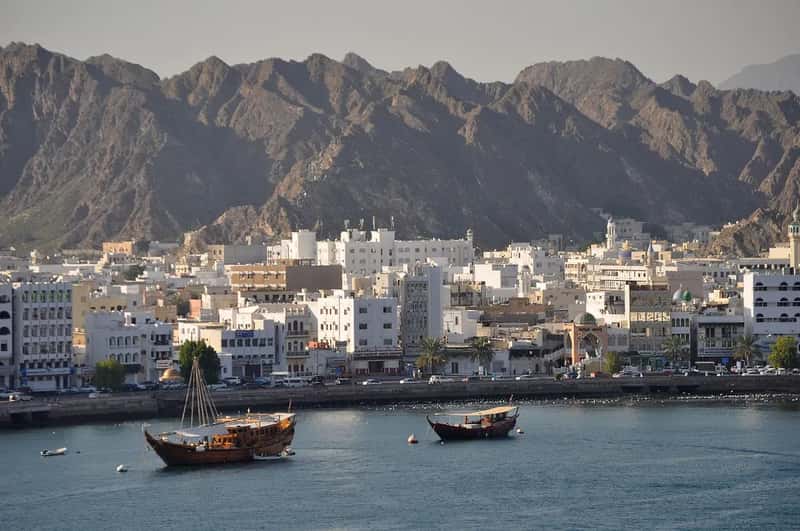
Tourism in Oman has been growing over the past few years, but it is still a place that most people know very little about, or can place on a map. While Dubai grabs all the headlines, Oman offers something far more authentic and surprisingly diverse.
The Middle Eastern country is incredibly safe to drive around, the people are particularly friendly, and within a few hours drive the country has everything from tropical blue water to gorges, endless orange sand dunes, historic villages, and epic mountain peaks. The contrast between landscapes is honestly stunning – you can watch the sunrise over desert dunes and swim in wadis (desert oases) with emerald pools by afternoon.
What sets Oman apart is the hospitality. Markets here lack the aggressive selling tactics you’ll find elsewhere in the region. The coastline features some of the clearest water you’ll ever see, while the interior reveals ancient forts and mountain villages that feel frozen in time. It’s the kind of place where you can genuinely disconnect and experience a slower, more thoughtful pace of travel.
Bulgaria: History Without the Hustle
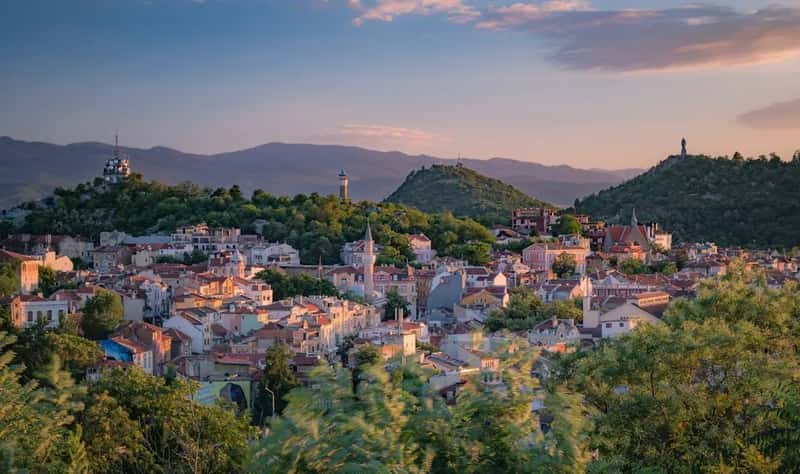
A traveler went on a two-week train journey through Bulgaria in 2024 and found it delightfully charming and underexplored, with little evidence of high season crowds outside of the Black Sea coast, often having epic sights almost all to myself. That pretty much sums up Bulgaria’s appeal right there.
Bulgaria has numerous fascinating remnants of the Roman, Ottoman, and Bulgarian empires to see, including some of the most impressive ancient forts in Eastern Europe, plus plenty of gorgeous nature with fantastic mountain hiking trails and mindblowing caves to explore. The Rila Monastery alone is worth the trip – a UNESCO site that rivals anything you’d find in more famous European destinations.
The Black Sea coast offers affordable beach holidays, while Sofia delivers a capital city experience without the overwhelming prices or tourist crowds. Bulgarian food deserves more recognition too – think fresh salads, hearty stews, and some seriously good yogurt. The value for money here is exceptional, making it perfect for travelers who want to stretch their budget without sacrificing quality.
Estonia: The Digital Nation with Medieval Charm
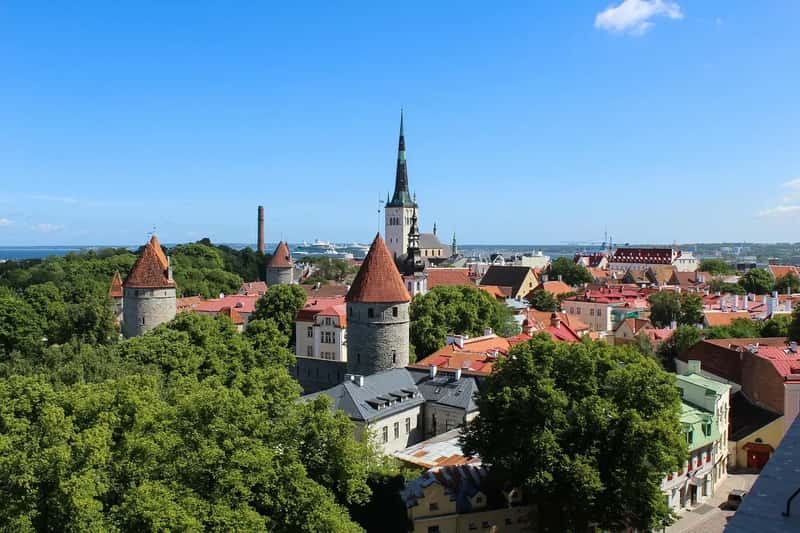
Estonia is wedged into the northeast corner of Europe and is a victim of its small size, with Europe’s tourism giants taking attention away, though it became a world leader in cybersecurity. This tiny Baltic nation punches way above its weight in terms of what it offers visitors.
Tallinn the capital has a quaint old town with a traditional European feel and medieval turrets pointing up into the skies, while the country is best visited for its scenery, including Christmas markets in Tallinn during December. The old town feels like stepping into a medieval storybook, with cobblestone streets and perfectly preserved architecture.
Estonia’s natural landscapes range from dense forests to pristine coastlines and countless islands. The sauna culture here is deeply rooted in tradition – you haven’t truly experienced Estonia until you’ve done the sauna-to-frozen-lake ritual. It’s also incredibly safe and easy to navigate, with digital infrastructure that makes travel seamless. Think of it as Scandinavia’s more affordable, less crowded cousin.
Montenegro: Dramatic Beauty on a Smaller Scale
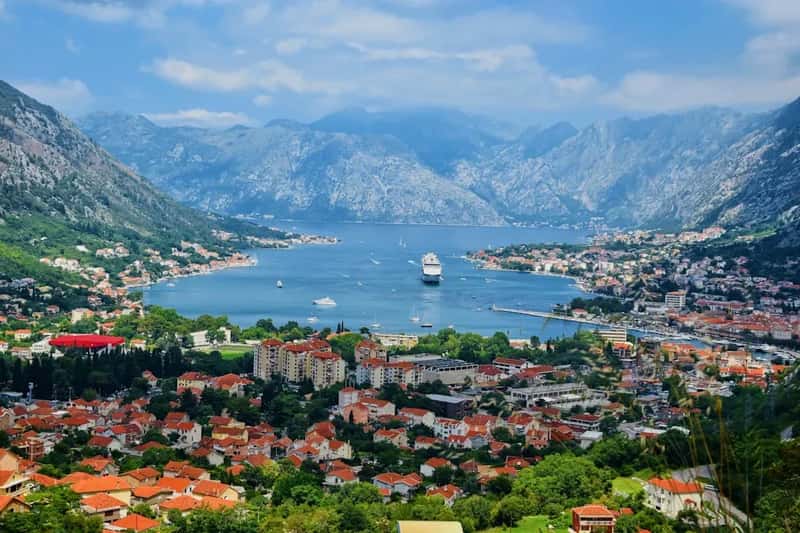
Montenegro gained independence in 2006 and is fast becoming one of Europe’s most up-and-coming destinations, though it remains criminally underrated, getting only a fraction of visitors compared to its neighbour, Croatia. If you loved Croatia a decade ago before the crowds arrived, Montenegro is where you need to be right now.
Montenegro boasts glacial lakes, fjords, rugged mountains, and dense forests, while its coastline is incredibly picturesque with crystal-clear waters and buzzy beach towns, plus blissfully blue mountain lakes perfect for swimming. The Bay of Kotor rivals any fjord in Norway, while Durmitor National Park offers hiking that competes with the Alps – all in a country you can drive across in a few hours.
The charm of Montenegro lies in its diversity packed into such a compact space. You can start your morning exploring medieval walled towns, spend your afternoon on the Adriatic coast, and end your evening in mountain villages where time seems to have stopped. The food scene blends Italian, Turkish, and Balkan influences, creating flavors you won’t find anywhere else.
Conclusion
These seven countries prove that the best travel experiences often happen off the beaten path. While top tourist destinations like France or Thailand continue to see modest growth rates of 2-3 percent in arrivals annually, emerging countries in Eastern Europe, Central Asia, and parts of Latin America are witnessing double-digit increases. The window for experiencing these places before they become mainstream is closing, though it hasn’t shut completely.
What makes these destinations special isn’t just their affordability or lack of crowds – it’s the authenticity you’ll find there. Locals still have time to chat, recommend their favorite spots, and share stories. Your travel photos will actually be unique. You’ll return home with experiences that feel genuinely yours, not just recreations of someone else’s viral post.
The question isn’t whether these places will become popular – they will. The question is whether you’ll get there while they’re still relatively undiscovered. What’s stopping you from booking that ticket? Which of these caught your attention?