Most travelers can list what’s in their carry on without thinking. The passport is the one item that gets checked at the airport gate, tucked into a jacket, and then half forgotten until someone asks for it again. That’s usually when it goes missing.
Protecting it doesn’t take special gear or much money. It mostly comes down to a few habits, some preparation before you leave, and knowing what to do if something goes wrong.
Keep It Close to Your Body
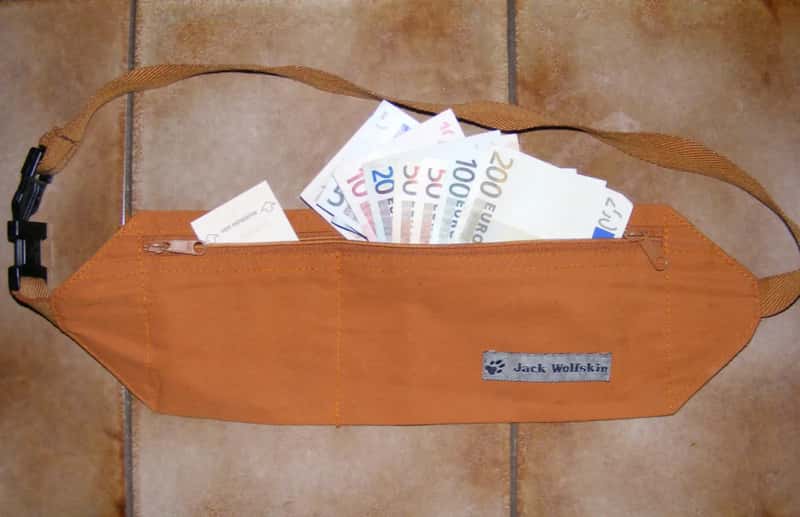
An open tote or a backpack pocket you can’t see is a poor home for a passport. Pickpockets tend to work in crowded spots like train platforms, markets, and airport queues, where a quick bump is easy to miss. A zippered inner pocket, a slim neck pouch under your shirt, or a money belt keeps it in front of you and out of view.
Choose whatever feels least annoying, because you’ll only use it if it’s comfortable. Try to avoid back pockets and coat pockets that open outward. Also get in the habit of touching the spot where the passport lives whenever you stand up from a seat, since that’s a common moment for it to slip out.
Leave It in a Safe When You Don’t Need It
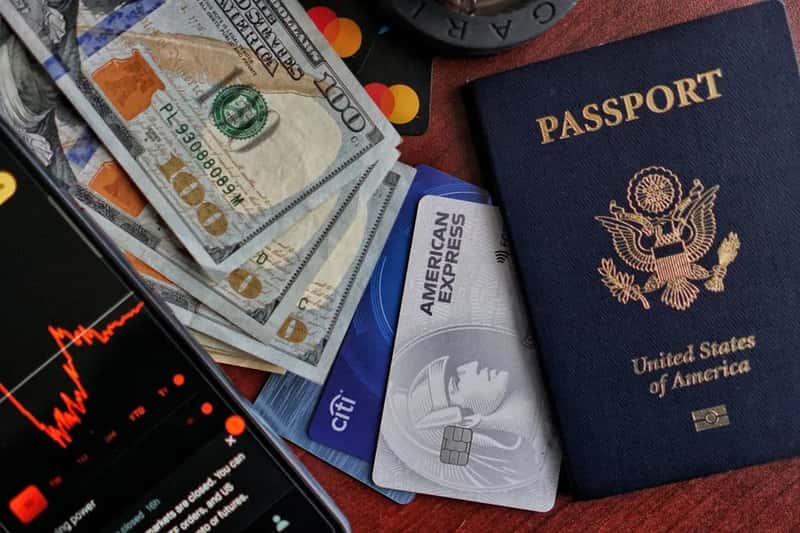
You won’t need your passport to wander around a city or sit on a beach. If your hotel room has a safe, or the front desk offers secure storage, that’s often a better place for it than your daypack. The fewer hours it spends in your bag on crowded streets, the fewer chances it has to get lost or taken.
Lock it away with your spare cash and cards rather than leaving it in a drawer. Some travelers carry a photocopy or a photo on their phone for casual ID checks. Just keep in mind that some situations, like border crossings, changing money, or certain tours, will still require the real document.
Make Copies and Digital Backups Before You Go
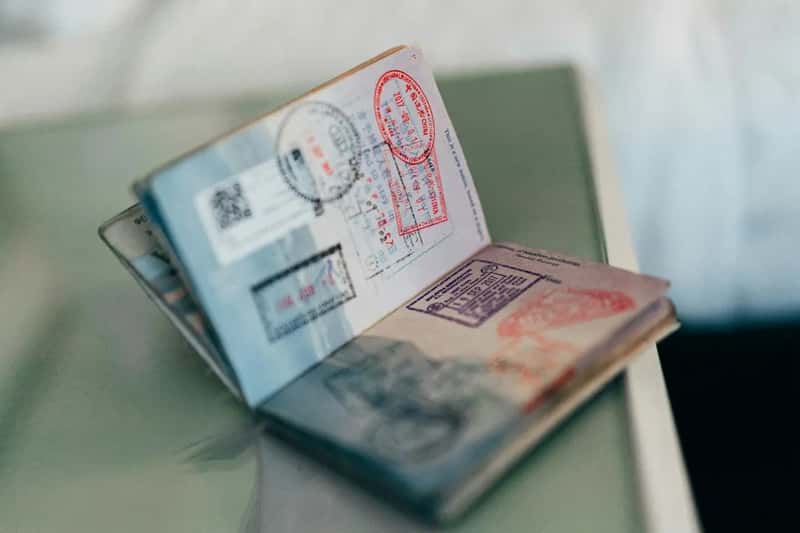
A backup won’t replace your passport, but it makes replacing it far easier. Photograph or scan the photo page, then keep one copy on your phone, one in secure cloud storage, and a paper copy in your luggage, separate from the original. Email a copy to a family member as well, in case your phone disappears with the passport.
This isn’t just a tidy habit. The State Department notes that if you can’t show proof of U.S. citizenship abroad, such as a birth certificate or a photocopy of your lost passport[1], you may ask for a free file search. Having the copy on hand can save you a stressful conversation at the consulate.
Don’t Panic Over RFID, but Protect Your Passport Card
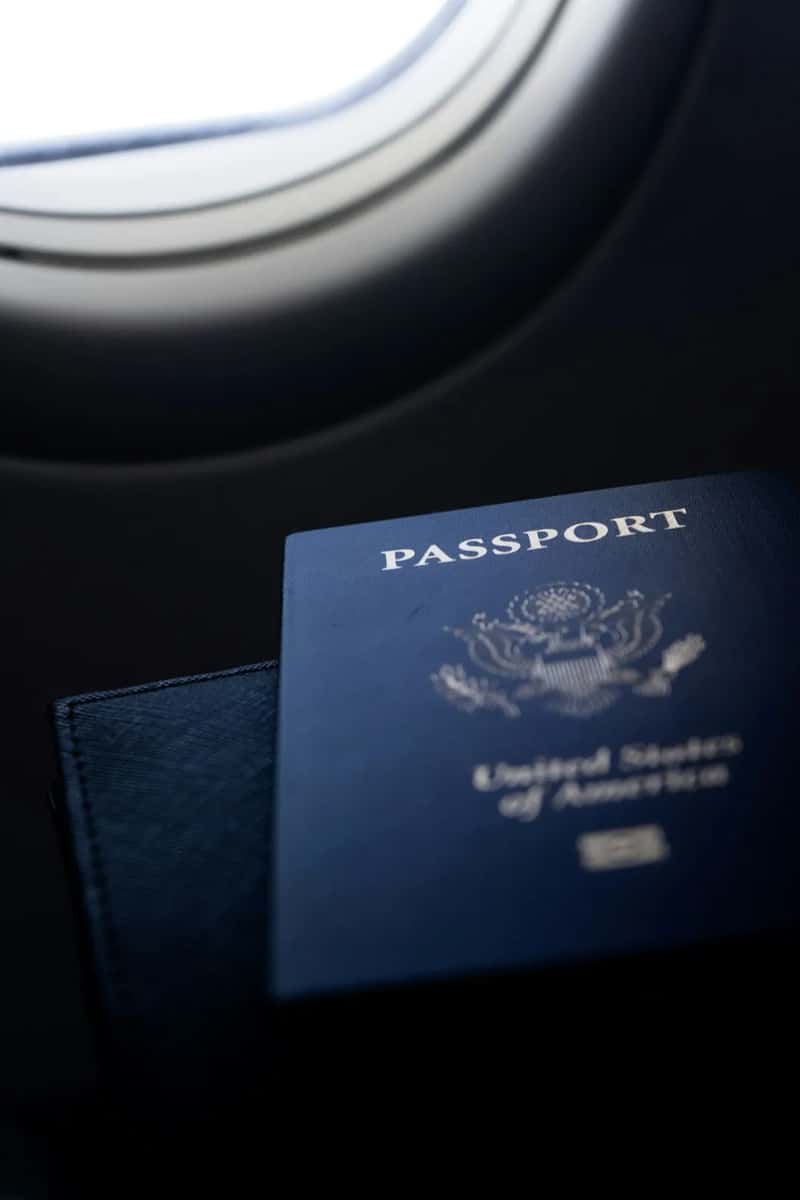
You’ll see plenty of ads for RFID blocking passport holders. The concern is that a thief could read your chip from a distance. For a standard U.S. passport book, the risk looks small, since the RFID tag and its antenna are embedded in the photo page[2], and the cover reportedly has RFID blocking material built in[2].
The U.S. passport card is a different case. One travel writer points out that it comes with its own blocking sleeve[2], so it makes sense to actually use it. If a shielded holder gives you peace of mind, it’s cheap and does no harm, though a sleeve only works while the document is inside it. Physical theft is still the bigger threat, so don’t let a gadget replace basic vigilance.
Be Careful Who Holds It, and for How Long
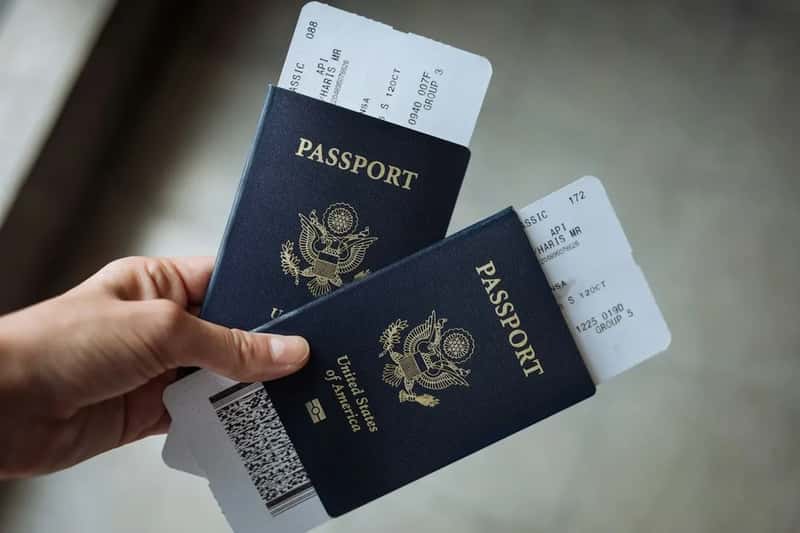
Passports change hands more than people realize. You give them to airline agents, hotel receptionists, car rental clerks, and sometimes tour operators. Most of these handoffs are routine, but they are also the moments when documents get left on counters or mixed into a pile.
Take a second to watch where your passport goes and make sure it comes back to you before you walk away. If a hotel asks to hold it overnight, ask why and whether a copy will do, and check local rules if you’re unsure. Put it away right after each use instead of carrying it in your hand, because a passport left loose is easy to set down and forget.
Save Embassy Details and Report a Loss Right Away
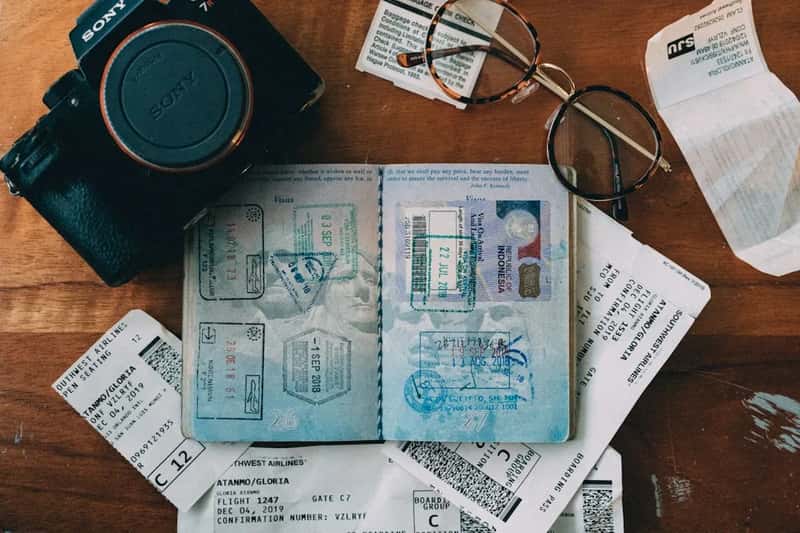
Before you leave, save the address and phone number of the nearest U.S. embassy or consulate at your destination. A State Department spokesperson told The Points Guy that travelers should keep those contact details on hand when abroad[3]. Having them offline in your phone or on paper helps if your device is stolen too.
If the passport does vanish, report it quickly. The State Department says reporting online leads to cancellation within one business day[1], and that once reported, it is no longer valid for travel even if you find it later[4]. Police reports aren’t mandatory, but they can help confirm the circumstances of the loss or theft[1]. Officials also advise against spending time on one if it would make you miss a flight.
Know Your Emergency Replacement Options
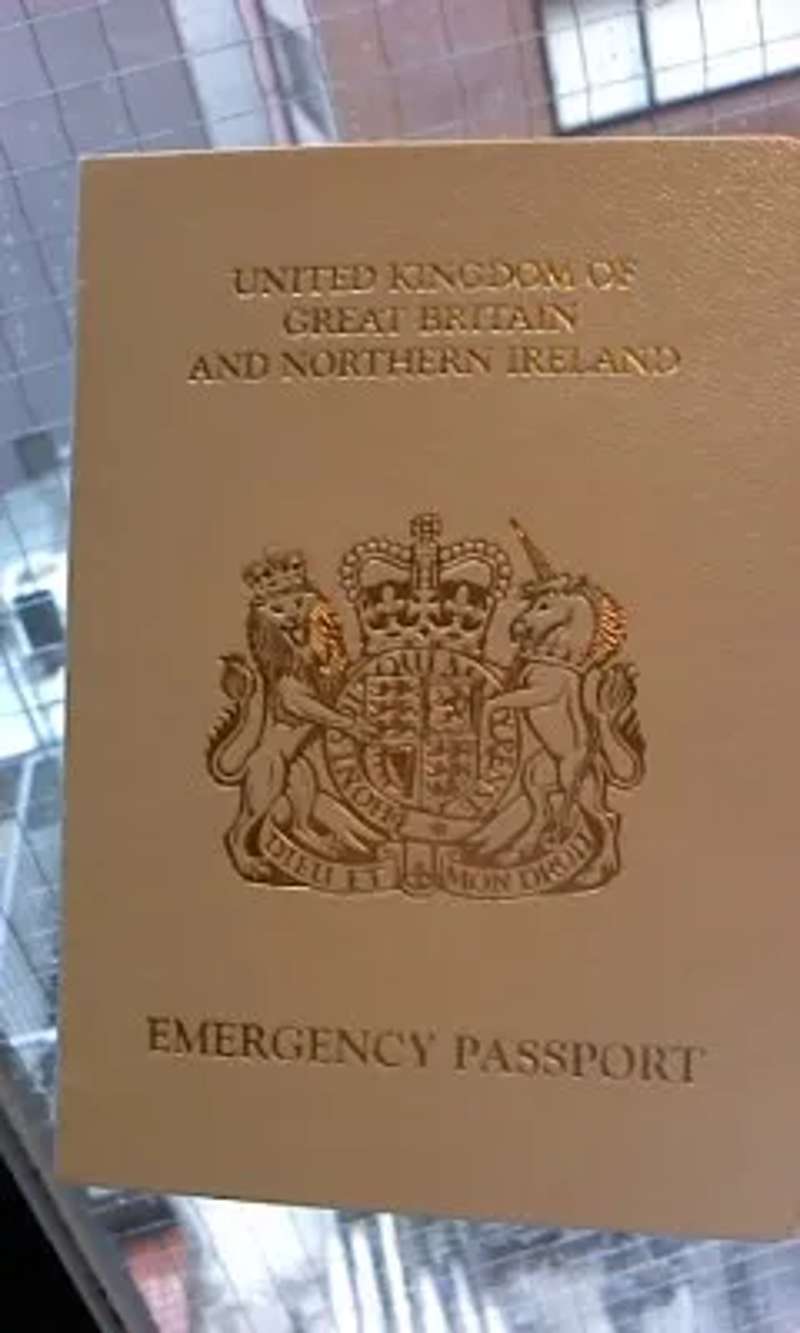
If you lose your passport abroad, you can’t just fly home with a copy. The State Department states that you need to get a new one before returning to the United States[1], which means a trip to the embassy or consulate. Bring whatever you have, such as ID, a photo, your itinerary, and a police report if you filed one.
When time is tight, there’s a faster route. An emergency limited validity passport is valid for up to one year and can be exchanged for a full one after your trip.[1] Replacement fees are generally the same as for any other passport[1]. Most embassies don’t issue passports on weekends or holidays, so it’s worth planning for a possible delay.