Most people hear “Florida retirement” and immediately picture oceanfront condos, six-figure price tags, and a wallet crying for mercy. Honestly, that image is not entirely wrong for places like Miami or Naples. Still, it is nowhere near the full picture. Florida is a big, beautifully diverse state – and tucked between the tourist traps are real towns where $1,500 a month actually works.
In 2024, Florida was ranked the best state in the U.S. to retire by WalletHub, partially due to excellent year-round weather, a lower crime rate than the national average, and no state income tax. Add in the fact that Florida does not tax retirement income, including Social Security, pensions, and withdrawals from retirement accounts, making it tax-friendly for retirees – and suddenly that modest monthly check starts looking a lot more powerful. Let’s dive in.
1. Ocala – The Horse Capital With a Budget-Friendly Bite

Known as the Horse Capital of the World, Ocala combines wide-open space with affordability, making it a rising hotspot for families and retirees. Think rolling pastures, thoroughbred farms, and a surprisingly vibrant town center – all without the coastal price premium. Ocala is one of the most popular retirement destinations in Florida thanks to its low cost of living, outdoor activities in the Ocala National Forest, plentiful healthcare, and hurricane resilience. Affordable housing is not hard to find, including in 55+ communities. Utilities, healthcare, and food are also cheaper than the national average in Ocala, which is around 8% lower than the national average, according to RentCafe.
Living in Ocala is more expensive than the national average, with housing costs 21.8% lower at $938 per month for a single person. Food expenses run 19.8% below average, while energy, transportation and healthcare costs are 12.7% lower at about $764 per month for one person. Ocala is near Silver Springs State Park and the famous glass-bottom boats, which allow you to float along with manatees and enjoy the clear waters of the Silver River. It is genuinely one of those places where the outdoors feel free and the bills stay low.
2. Gainesville – College Town Energy, Retiree-Friendly Prices

The cost of living in Gainesville is 5% below the national average and 11% below the Florida average. Retirees here get great health care thanks to the facilities that belong to the University of Florida, which also gives the city its college town flavor. Abundant and enchanting natural springs in the area provide top-tier outdoor recreation and wildlife viewing away from crowded beaches. I think that combination of world-class healthcare and affordable living is rare – and people genuinely underestimate Gainesville as a retirement destination.
Home to the University of Florida, Gainesville blends affordability with strong economic growth from education, biotech, and healthcare. It is consistently rated one of the safest cities in Florida for students and families, while still offering entry-level housing below major metros. The cost of living in Gainesville remains significantly below state averages, making it ideal whether you are starting a family, settling into retirement, or just craving vibrant city energy without financial stress.
3. Sebring – The Quiet Gem That Retirees Keep Discovering

Known as “The City on the Circle,” Sebring has long been a retiree magnet. Its low housing prices, extensive golf communities, and slower pace of life make it one of the cheapest and safest places to live in Florida for seniors. Sebring’s overall cost of living index of 84 is 14 points better than the state average. That is a meaningful difference when you are stretching a $1,500 check.
Sebring offers a peaceful, small-town atmosphere. Known for the Sebring International Raceway, it also boasts numerous lakes, golf courses, and parks. The cost of living in Sebring is among the lowest in Florida, making it an excellent choice for retirees on a budget. The Highlands County crime rate is roughly 20% below the Florida average, according to FDLE 2024 data. Safety plus affordability – it is hard to argue with that.
4. Pensacola – Beaches, History, and Surprisingly Low Costs
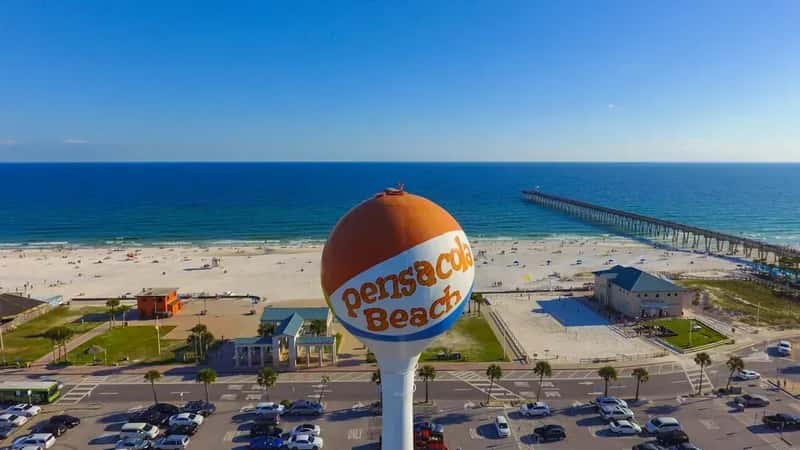
Pensacola offers white sand beaches, a lively city life for the active senior, and quality healthcare. Housing costs in Pensacola are low – 11% less expensive than the U.S. average and 13.7% less than the average Florida home. That combination of coastal access and genuine affordability is something you rarely find in Florida. Rent in the city is around 11% lower than the national average, and the cost of living is approximately 14% less than the state average. While housing makes up the majority of the budget, there are still plenty of free activities for retirees. Spend a day on the beach and enjoy free concerts on Tuesdays from April to October, explore the Edward Ball Nature Trail, or stroll the historic district.
Here’s the thing – Pensacola is not secretly expensive. Those living on limited incomes will find that their Social Security checks stretch a long way in Pensacola, where costs run roughly 12% below the national average. The Panhandle city of Pensacola often has home prices and costs below the Florida average, though it does have some hurricane exposure. That is a real trade-off worth factoring in, but for many retirees the beauty and price point make it worth considering.
5. Lakeland – Perfectly Placed Between Two Major Cities
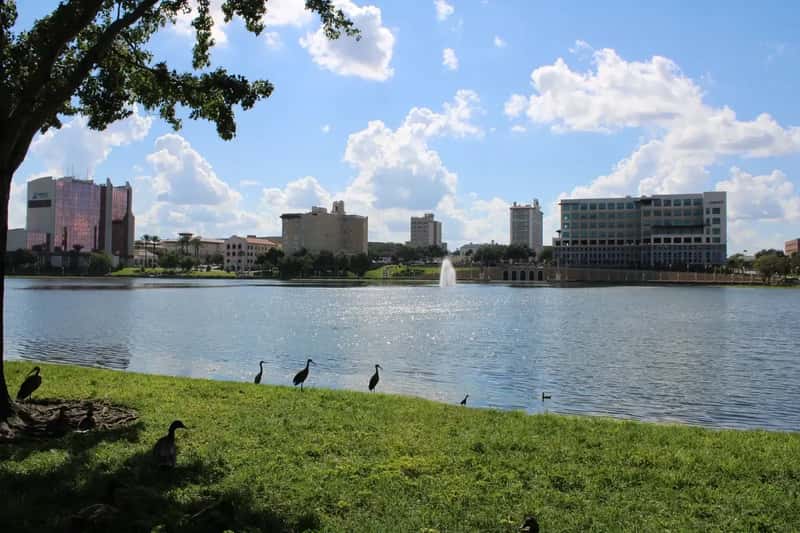
Roughly a fifth of the population of Lakeland is 65 or older, meaning a strong sense of community awaits in this city of over 120,000. As its name suggests, there are ample lakes in this area, as well as parks and outdoor activities. The vibe is small town, but Tampa and Orlando are just a car ride away. Housing and transportation are notably cheaper than the state and national average, while the overall cost of living is 8.4% lower.
Cities like Lakeland and Ocala shine because they have notably lower costs of groceries and utilities, meaning your monthly expenses stay manageable. The Best Places Health Cost Index for Lakeland is 94.2, which is below the national average of 100. Lower healthcare costs are especially important for retirees, where a single unexpected medical bill can wreck a monthly budget. Lakeland quietly ticks a lot of boxes that people overlook.
6. Arcadia – The Peace River Town That Costs Almost Nothing
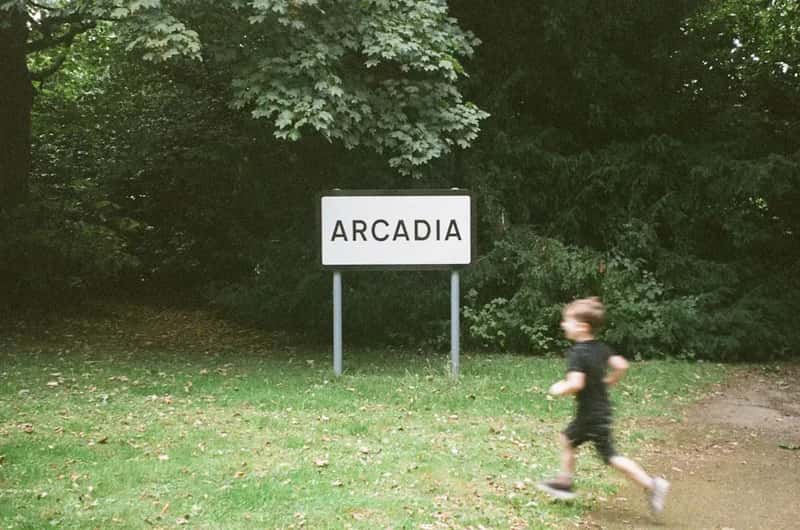
Just an hour east of Sarasota’s famous beaches is Arcadia, a city of 8,000 on the Peace River. Outdoor activities like hiking, boating, and horseback riding are big here, as is rodeo culture. You will also find affordable communities for older adults and a cute downtown for strolling. The cost of living is 19% below the national average in Arcadia, with notably low housing costs.
Located about an hour east of Sarasota, this hidden treasure boasts a cost of living 10% below the national average. The average home price sits around $239,267, making homeownership attainable even on a fixed income. Weekends here offer simple pleasures: antique shopping in the historic downtown district, kayaking on Peace River, or attending the famous rodeo events. It sounds almost too simple, but sometimes that is exactly the point. Retirement does not have to be complicated to be good.
7. Jacksonville – Big City Feel, Small City Prices
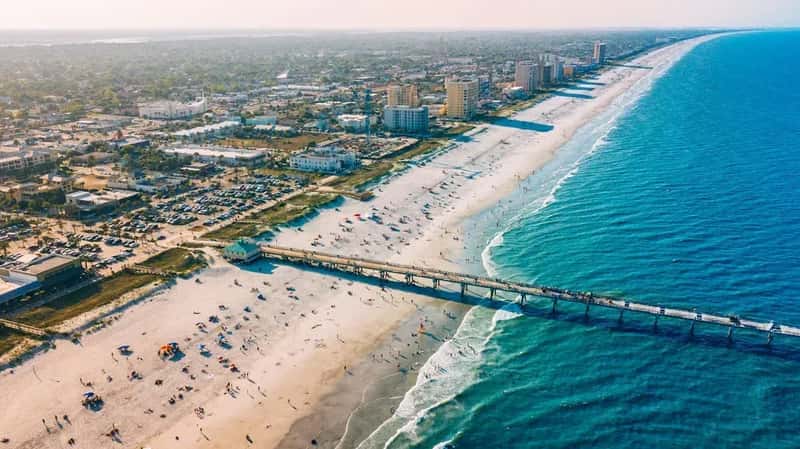
Jacksonville ranks high in cities to retire overall due to affordability, its burgeoning culinary scene, outdoor activities like golf, and proximity to the Atlantic Coast. Jax also gets high marks for its parks and high number of doctors. This city of over one million people is 4.3% cheaper than the national average, with notably lower health care and transportation costs. For a city this large, those numbers are genuinely remarkable.
Located along the northeast Atlantic Coast of Florida, Jacksonville offers more than just affordable living. Summers are hot and humid, and winters are mild, allowing for year-round golf and beach activities. Costs for food, transportation, and health care are around 7% lower than the state average, allowing you to live close to the water without sacrificing your budget. Jacksonville also offers affordable options compared to other large Florida metros, with average one-bedroom apartments priced at $1,445. That is still tight on $1,500, but paired with other savings, it becomes workable.
8. Tallahassee – Capital City Living Without the Capital City Price Tag

Home to Florida State University, Tallahassee is a college town, making for a younger average population. However, mild winters, a low cost of living, and affordable housing make the city an attractive option for retirees. As the capital of Florida, Tallahassee has a beautiful downtown historic district with museums, bookstores, and sidewalk cafes. There is also a Saturday marketplace and multiple parks for outdoor enthusiasts.
Utilities, food, transportation, and housing are all low in Tallahassee, which makes it an appealing spot for retirees trying to live on a budget. Two universities offer recreational opportunities and other services, including Florida State University’s senior program. Florida’s capital also has two renowned hospitals and urban living without being too overwhelming. It is the kind of city where you can catch a live concert, visit a gallery, and still have money left for groceries at the end of the month.
The Tax Advantage That Changes Everything

Before you move on, there is one massive financial factor that deserves its own spotlight. Florida is one of the most tax-friendly states for older workers and retirees. It is one of just seven states that do not collect personal income tax, allowing residents to benefit from tax-free pensions and retirement pay, along with no state taxes on Social Security or investment income. That means every dollar of your $1,500 Social Security check stays intact at the state level – no deductions, no reductions, nothing taken off the top.
On top of the state’s homestead exemption program, some county and municipal governments offer an additional $50,000 property tax break for residents 65 years or older who meet certain income requirements. In addition to affordable housing, Florida also offers state-level programs, such as the Emergency Home Energy Assistance Program (EHEAP), designed to lower financial stress for residents age 60 and older with home energy emergencies. These programs are not widely advertised, and that is honestly a shame – they can make a real difference.
What to Know Before You Pack Your Bags

While a $1,500 monthly budget is low, you can make it go a long way in Florida. The state gives you tax relief on your income and has a lower cost of living than other parts of the U.S. However, not every location in Florida is created equal when it comes to affordability. You will also have to factor in things like crime rates, walkability, and easy access to health care when deciding where to spend your golden years.
Inland areas generally show 35 to 45% lower insurance premiums compared to coastal properties. It is hard to say for sure what your exact monthly budget will look like until you are on the ground, but the general rule is: the further inland, the lower your costs. If your goal is to live well without draining your bank account, the sweet spot is inland. Smaller towns and mid-sized metros offer reasonable housing costs, fewer insurance headaches, and a calmer lifestyle. That said, a coastal option like Pensacola can still work with careful planning.
Florida retirement on a tight budget is not wishful thinking – it is a real, documented option for millions of Americans. The nine cities above prove the point. Where would you start your search?