Long-haul flights come with a strange kind of bargain. You trade a full night’s sleep for a tray of food that arrives whenever the airline decides, not when your body actually wants it. Scientists who study circadian rhythms have spent years looking at exactly this problem, and their findings point to a handful of in-flight meal choices that quietly make jet lag worse.
The research isn’t about avoiding food altogether. It’s about recognizing which dishes on a typical airline menu tend to work against your internal clock rather than with it. Here are eight meal categories that keep showing up as culprits.
1. Heavily salted packaged meals and snack mixes
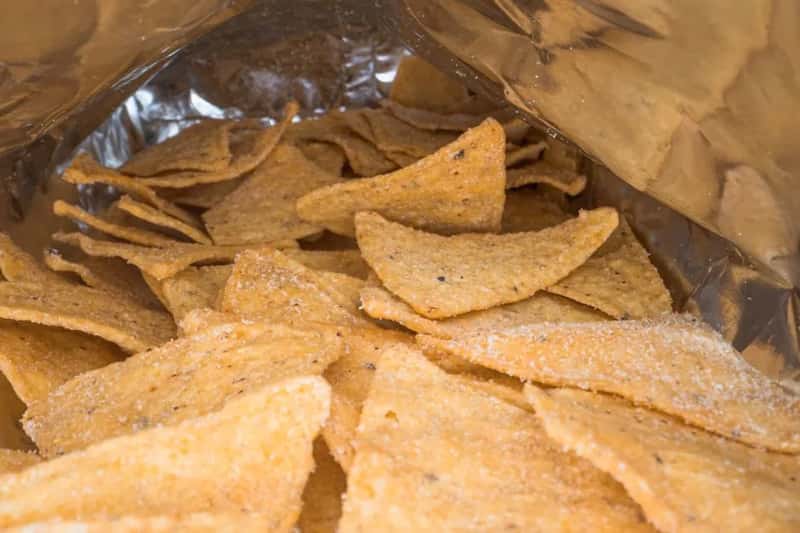
Airline trays often lean on sodium to make food taste palatable at altitude, since cabin pressure dulls taste buds. That’s convenient for catering companies but rough on travelers, because high-sodium meals increase gas production and cause water retention, sitting heavily in the stomach[1]. On top of that, the cabin environment already works against you.
Dry air at altitude is dehydrating on its own, and salty food compounds the problem right when your body needs fluid balance to regulate sleep hormones. One physician who studies travel health put it plainly: dehydration can certainly worsen fatigue and those perceived jet lag symptoms[2]. Skipping the pretzel mix and salted nuts in favor of plain water is a small swap with an outsized effect on how alert you feel after landing.
2. Fried and greasy entrees
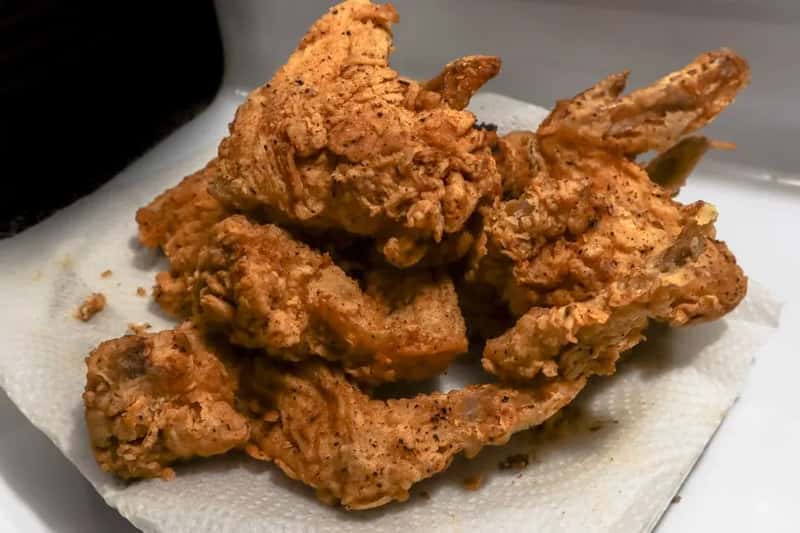
Fried chicken, breaded fish, or anything swimming in oil sits in the digestive tract far longer than lighter fare, and that sluggish digestion doesn’t pair well with a body that’s already confused about what time it is. Nutrition guidance built specifically around flight recovery flags fried foods among the items to avoid, since they sit heavily in your stomach[1] at exactly the moment your gut is trying to adjust.
The timing problem compounds things further. If you eat a greasy entree during a flight window that doesn’t match your destination’s mealtime, you’re essentially sending two conflicting signals to your body at once, one about digestion and one about what hour it thinks it is. Choosing a lighter grilled or roasted option, when it’s offered, keeps that signal cleaner.
3. Meals served alongside carbonated soft drinks
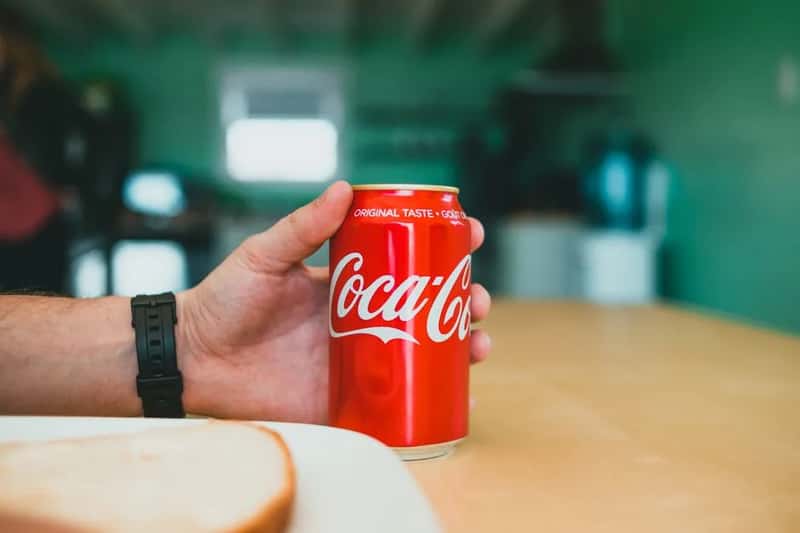
It’s not just the meal itself that matters here, it’s what airlines pour next to it. Cabin pressure changes already cause digestive gases to expand, and combined with dehydration, lack of movement and often eating salty or gas-producing foods, this creates the uncomfortable bloating many people experience during flights[1]. Adding a fizzy soda to that mix only accelerates the process.
Bloating on its own won’t cause jet lag, but it does disrupt the kind of restful, uninterrupted sleep that helps your body clock reset faster. Travelers trying to sleep through a red-eye segment often find that gas discomfort, not the time change, is what’s actually keeping them awake. Swapping soda for still water alongside your tray meal removes one easily avoidable variable.
4. Broccoli, cauliflower, and other cruciferous sides
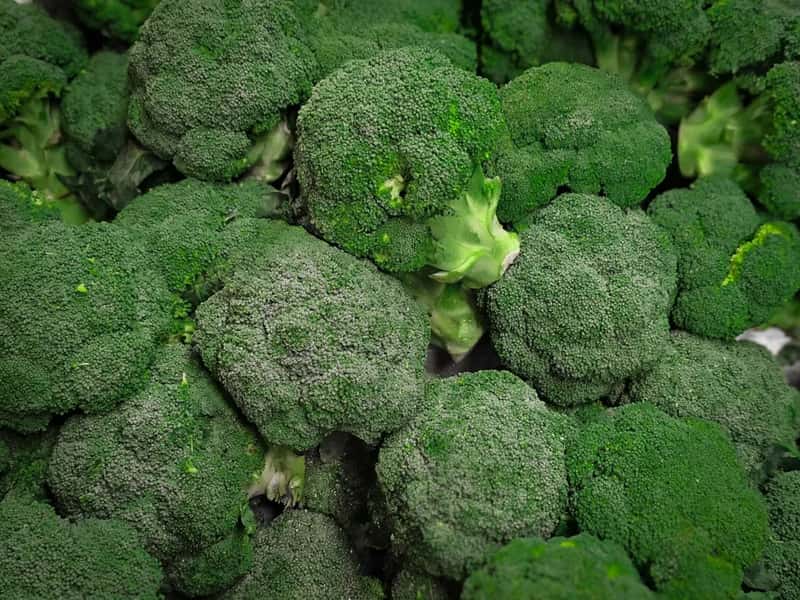
Cruciferous vegetables are nutritious on the ground, but airline catering research and flight nutrition guidance consistently flag them as a poor choice mid-flight. Cruciferous vegetables like broccoli and cauliflower increase gas production and cause water retention, sitting heavily in the stomach[1] at altitude, according to nutrition guidance focused specifically on flight recovery.
This matters more on longer routes where multiple meal services stack the effect over many hours. A side of steamed broccoli at 35,000 feet behaves differently than the same vegetable at sea level, largely because reduced cabin pressure changes how gas moves through your gut. If cruciferous vegetables are on the tray, they’re easy enough to set aside without affecting the rest of the meal.
5. Bean and legume-heavy dishes
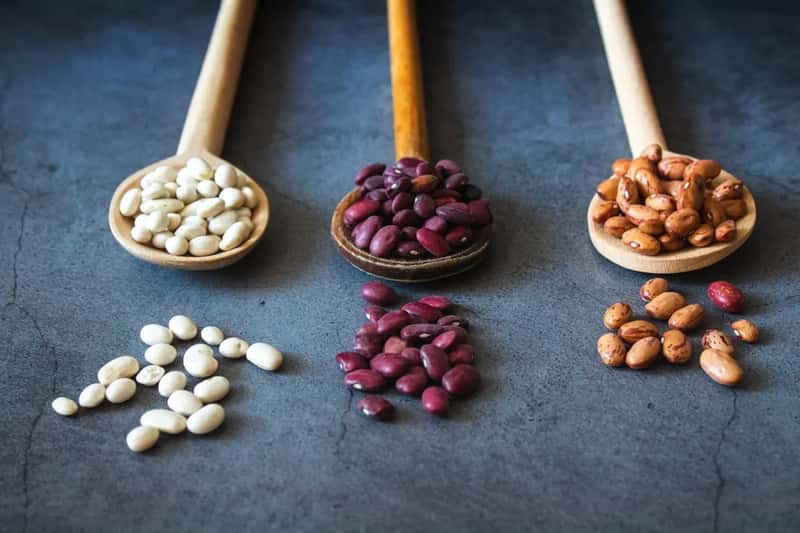
Chili, bean salads, and lentil-based entrees show up often on airline menus because they travel well and reheat easily. Unfortunately, the same flight-nutrition research that warns against cruciferous vegetables places beans in the same category, noting they increase gas production or sit heavily in your stomach[1] during travel.
The discomfort that follows can interfere with the kind of deep sleep that helps reset a traveler’s circadian rhythm after crossing time zones. It’s a shame, since legumes are otherwise a solid source of steady energy. On a long flight, though, the tradeoff usually isn’t worth it, especially if you’re hoping to nap through a stretch of the journey.
6. Meals paired with wine or other alcohol service
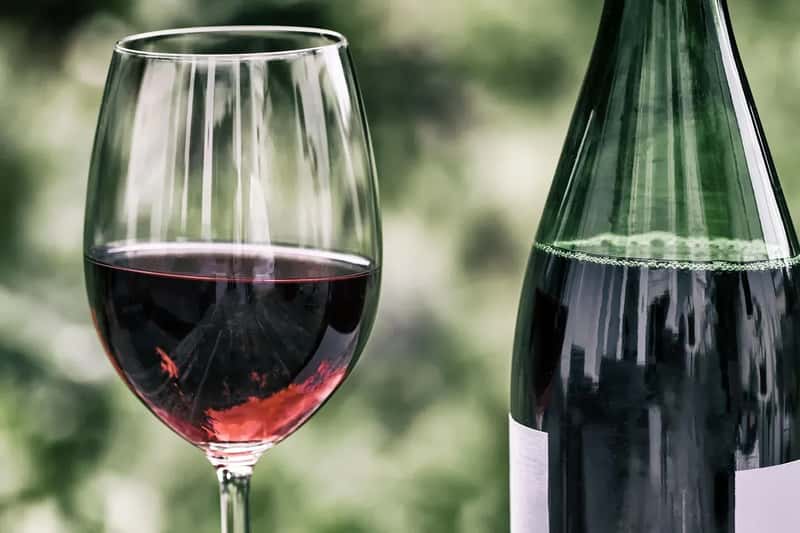
Free wine with dinner is one of the small pleasures of long-haul travel, but sleep researchers are fairly blunt about the tradeoff. As one sleep specialist explained to reporters covering summer travel, we really do endorse avoiding alcohol because alcohol is such a huge sleep disruptor[2], even though enjoying local food and drink is part of the appeal of travel.
Alcohol may help some people doze off faster, but it fragments the later stages of sleep and worsens dehydration, both of which delay circadian adjustment. Aviation health researchers echo this, and the classic jet lag protocols developed decades ago at Argonne National Laboratory still include a firm instruction: break the final fast at destination breakfast time, with no alcohol on the plane[3]. Skipping the in-flight drinks menu, even just for one leg of a trip, tends to pay off the next morning.
7. Sugary desserts and sweet pastries

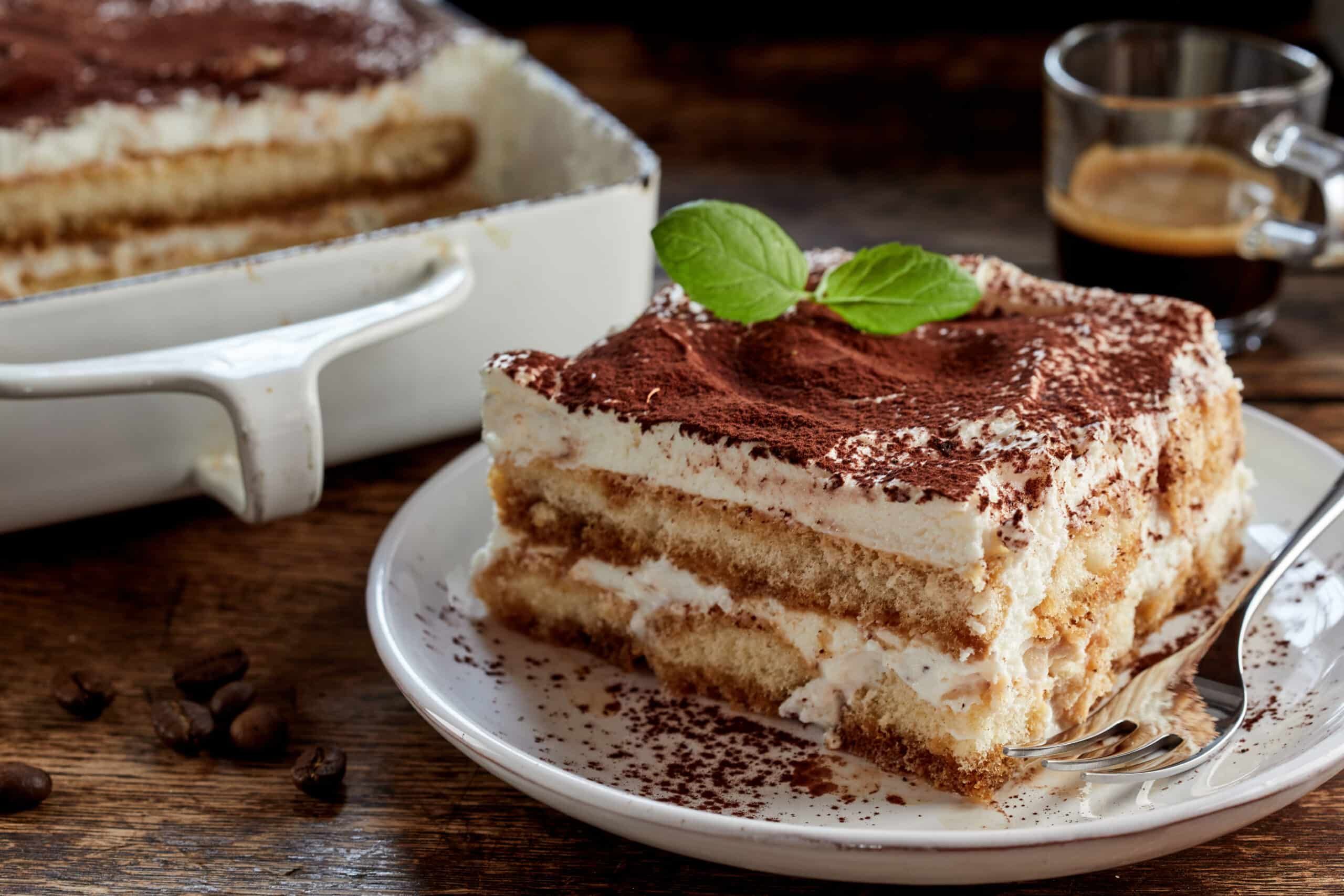
The little brownie or sweet roll that shows up at the end of an airline meal service feels harmless, but sugar has a documented effect on alertness and sleep quality. General flight health guidance recommends cutting back on salt and sugar during your flight and being mindful to not overeat[4], since excess sugar can cause energy spikes and crashes that clash with your body’s attempt to settle into a new schedule.
This doesn’t mean dessert is forbidden entirely. It means timing matters. A sweet treat eaten during what would be daytime at your destination is a very different signal to your body than the same dessert eaten right before you’re trying to sleep through what’s actually nighttime where you’re headed.
8. Large, heavy entrees served at the wrong body-clock time
This last one isn’t about a specific dish so much as a mismatch between meal size and timing. Circadian researchers at Northwestern University found that the real lever for reducing jet lag is aligning meals with the destination clock, not the meal itself. Their study concluded that scheduling meals to match the new zone helped to reset the body clock[5], and this single change, paired with light exposure, cut the typical six-day recovery time by as much as one-third[5].
In practice, that means the heavy steak or pasta dinner an airline serves mid-flight can actively work against you if it lands at a time that doesn’t correspond to a mealtime at your destination. Nutrition guidance built around this research recommends beginning to eat according to your destination time zone as soon as you board the aircraft, treating breakfast time as breakfast time regardless of what your body thinks the hour is[1]. A rich three-course dinner served at what is actually breakfast time in Tokyo or Sydney is arguably the single most avoidable jet lag mistake on this entire list, simply because it’s a matter of timing rather than ingredients.
None of these eight categories are dangerous in isolation, and skipping one salty snack or one glass of wine won’t make or break a trip. What the research consistently points to is a cumulative effect: sodium, gas-producing vegetables, alcohol, sugar, and poorly timed heavy meals each nudge the body further out of sync, and stacked together across a long flight, they add real hours to recovery. Choosing lighter, better-timed meals, paired with steady hydration, remains the most evidence-backed way to land feeling like yourself again.