Picture a flight attendant walking down the aisle with a silver tray of hot towels, tongs in hand, while a kid three rows back gets a metal wings pin clipped to his shirt. That wasn’t a first-class fantasy. That was just Tuesday on a regular domestic flight, decades ago, in a coach cabin.
Nobody voted on when it would end. There was no farewell tour, no nostalgic press release, no goodbye announcement over the intercom. One year the ritual was there, and the next year it simply wasn’t, replaced by silence, a $5 snack box, or a seatback screen nobody asked for. Here’s what actually happened to eight pieces of flying that used to feel completely normal.
#8 – The Free Hot Meal That Disappeared Almost Overnight
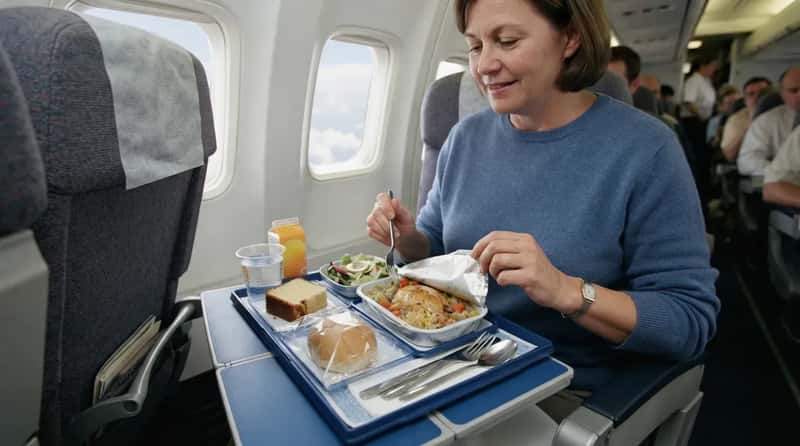
There was a stretch of time when every coach passenger on a domestic flight got an actual hot meal. No upcharge, no snack box upsell, just a tray that showed up because that’s what flying included. That expectation collapsed fast once the airline industry’s post-9/11 financial free fall forced carriers to cut costs anywhere they could find them.
Delta started selling snack boxes on select flights in 2003. United followed with $5 snack boxes in 2005. Then came the real gut-punch: Continental served the last free coach meal in the fall of 2010, and hot food quietly vanished from that seat class for years, only trickling back on a handful of routes much later, never with the old consistency.
Fast Facts
- 2003: Delta starts selling snack boxes on select flights
- 2005: United rolls out $5 snack boxes systemwide
- Fall 2010: Continental serves the last completely free hot meal in coach
- Hot trays never returned to coach with the old consistency
#7 – Smoking Sections That Shared the Same Air as Everyone Else
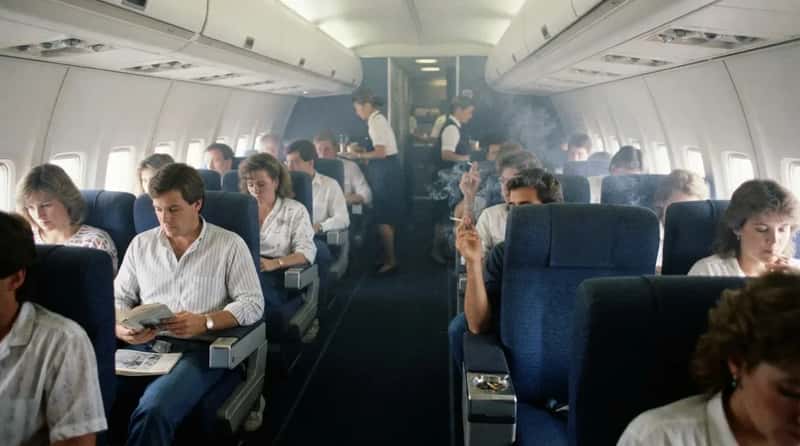
It sounds almost made up now, but for decades lighting a cigarette mid-flight was as normal as ordering a soda. Cabins were split into smoking and non-smoking sections that breathed the exact same recycled air, which meant the divider between them was symbolic at best.
The unraveling happened in stages. In 1973 the Civil Aeronautics Board banned cigars and pipes but left cigarettes alone for another 15 years. A federal ban on short domestic flights kicked in on January 1, 1988, and the restrictions kept expanding until smoking was banned on all domestic and international flights in 2000. Old aircraft still carry ashtrays built into the lavatory doors, a legal requirement even now, decades after the last cigarette was ever legally lit onboard.
#6 – The Seatback Phone That Cost More Per Minute Than Most Meals
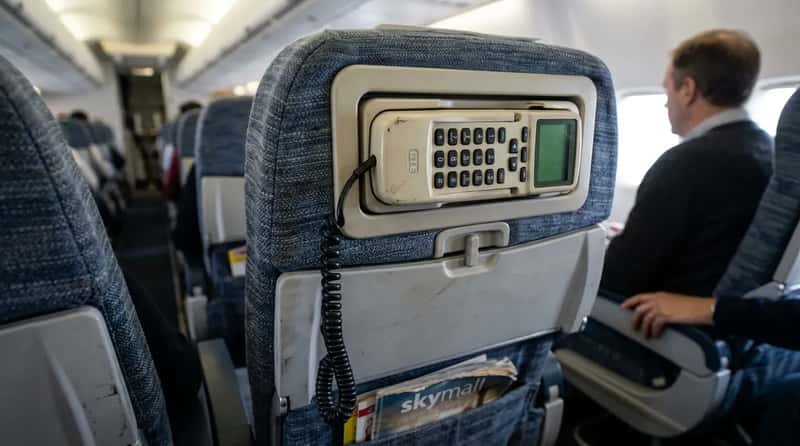
Long before a WiFi icon ever showed up on a screen, there was a clunky handset wedged into your armrest promising something wild: an actual phone call at 35,000 feet. In the 1980s it felt like science fiction. It was priced like it too.
By the mid-2000s, connecting a call cost $3.99, and every minute after that ran $4.99. Almost nobody used it anyway, most flights saw only two or three calls placed the entire trip. Smartphones and inflight WiFi made the whole idea pointless, and by 2006 the seatback Airfone was quietly shut down for good.
At a Glance
- 1980s: Seatback Airfones debut as a futuristic novelty
- Connection fee: $3.99, plus $4.99 per minute by the mid-2000s
- Real-world usage: often just two or three calls per entire flight
- 2006: Airfone service quietly discontinued for good
#5 – The Checked Bag Nobody Used to Pay For
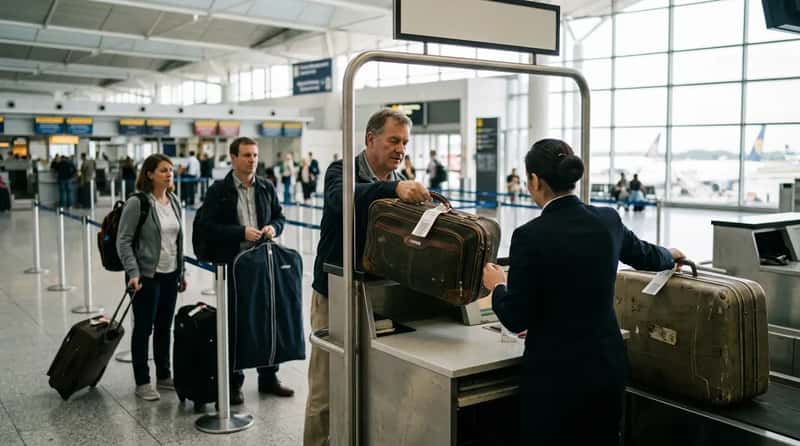
For most of aviation history, checking a suitcase was simply part of the ticket. Nobody paid extra, nobody even thought about it, it just happened at the counter. That default flipped with a single announcement most travelers barely noticed at the time.
In 2008, American Airlines became the first legacy carrier to charge for a first checked bag, starting at a modest $15. Every other major airline followed within months. What started as pocket change turned into a massive revenue stream, American alone pulled in $1.4 billion in bag fees in 2022 alone, and plenty of travelers now suspect the free bag was never about convenience at all, just cover to keep advertised fares looking cheaper than they really were.
Worth Knowing
- 2008: American Airlines becomes the first legacy carrier to charge for a first checked bag
- Southwest held out for 54 years before ending its “bags fly free” policy on May 28, 2025, charging $35 for a first checked bag and $45 for a second
- Those fees rose again on April 9, 2026, to $45 for the first bag and $55 for the second, tied to a jet fuel price spike
- By 2025, the free checked bag had disappeared from every major U.S. airline, without exception
#4 – Real Silverware and China in Coach, Not Plastic Sporks
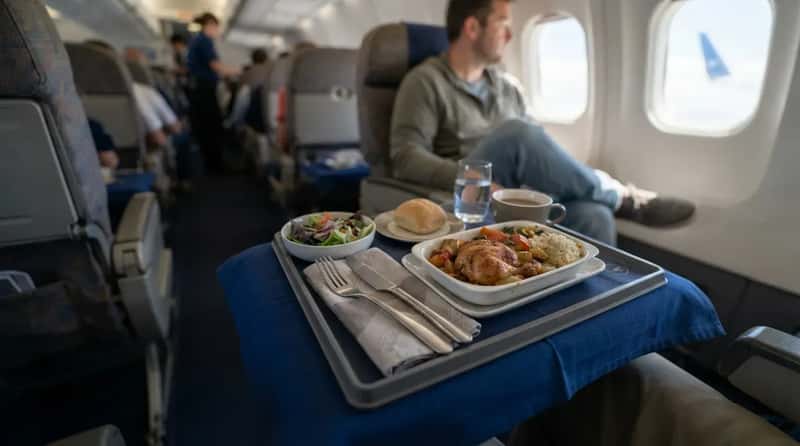
Coach passengers used to eat off actual china with metal forks and knives, not a spork sealed in cellophane. It sounds like a first-class perk today, but it was standard economy service for decades on major carriers.
The shift tracked almost exactly with the collapse of free meal service. Once hot trays got replaced by shrink-wrapped snack boxes, there was nothing left worth serving on real dishware anyway. Metal utensils also became a security afterthought once tightened cabin restrictions in the 2000s made airlines rethink which objects even belonged near a coach seat. Today the only place you’ll still find a real fork on a plane is business or first class, where the old rules quietly survive.
#3 – Junior Wings Pinned on Every Kid’s First Flight
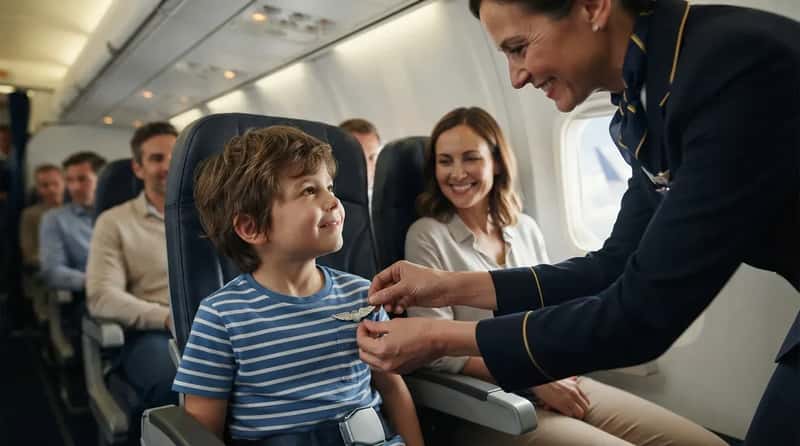
Ask anyone over 50 about their first flight and there’s a decent chance they’ll mention a plastic wings pin a flight attendant clipped to their shirt mid-air. It wasn’t a marketing gimmick back then. It felt like an actual initiation into something special.
The tradition didn’t die from one policy change, it just faded as crews got busier, cabins got fuller, and small personal touches got cut across the board to save time and money. Plenty of younger flyers today have never even heard of it, let alone received one. A handful of carriers will still hand out wings if you ask, but it’s no longer the automatic little ceremony it used to be for a first-time flyer.
#2 – The Hot Towel That Signaled the Flight Was Still an Occasion
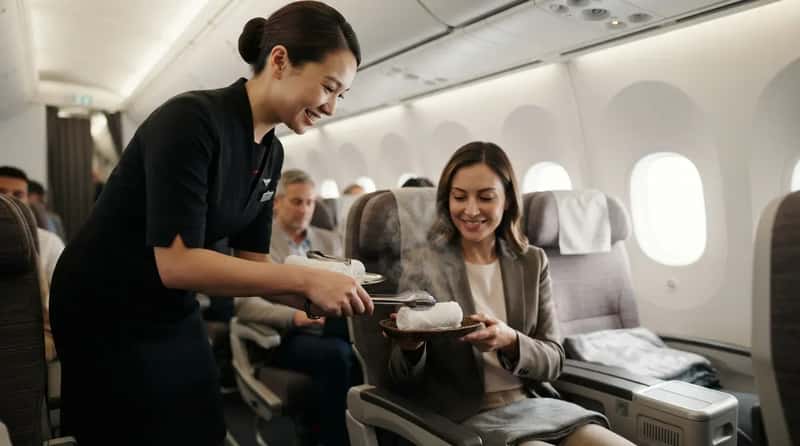
Before meal carts rolled out, flight attendants used to hand every passenger a steaming towel with a pair of tongs, a small ceremonial reset before the tray ever arrived. It was a tiny gesture, but it signaled something: this flight was still a special occasion, not just a commute with wings.
The ritual didn’t survive the same cost-cutting wave that killed free meals, since towels, laundering, and extra cart passes all cost money airlines were desperate to trim. It’s now one of the clearest dividing lines left between economy and premium cabins, where hot towels quietly survived while they vanished everywhere else. A few international carriers still offer them in coach, which can make an ordinary flight feel almost luxurious by comparison.
Why It Stands Out
- Laundering and extra cart passes made the ritual expensive to scale across every coach flight
- Now mostly reserved for business and first class on major U.S. carriers
- A handful of international airlines still serve them in economy
- One of the few remaining touches that separates a premium cabin from coach on sight
#1 – Dressing Up to Fly Like It Was Actually an Event
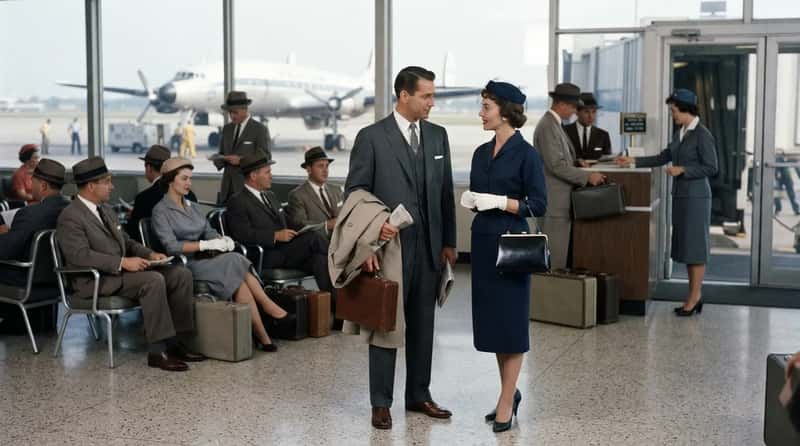
There’s a reason old airport photos look almost unrecognizable, passengers in suits, dresses, and polished shoes, treating a flight like a formal event instead of a chore. Flying was expensive and rare enough that people genuinely dressed for the occasion, the same way they might for a wedding.
That culture didn’t disappear because of a rule, it faded as flying became affordable and common enough that it stopped feeling exceptional. What was once considered basic travel etiquette now reads almost like a costume from another era. Some argue the shift is actually healthier, since it opened flying up to millions who never could have afforded the old formality in the first place. Others still insist something real was lost the moment the cabin stopped feeling like a shared occasion and started feeling like a bus with wings.
None of these eight traditions ended because passengers asked for it. They disappeared through cost memos, safety reports, and quiet policy shifts nobody ever announced out loud. From hot towels and free meals to a $5-a-minute phone call, flying used to look almost nothing like it does now, and most people never even noticed the exact moment it changed.
Which one do you actually miss? Or did we skip one that vanished from your own flights?