Airports have quietly become fashion runways, whether we like it or not. Between security lines, long layovers, and endless photo ops at the gate, what people choose to wear now gets noticed, judged, and sometimes even filmed for social media. Some outfit choices are harmless personal preference, but others genuinely slow lines down, trigger extra screening, or just make the person standing next to you a little more miserable.
Here is a closer look at eight outfit habits that keep showing up on travelers’ lists of pet peeves, along with the real policies and trends behind why they cause friction.
1. The full pajama set and slipper combo

Flying in loungewear has become so normalized that airport pajama sets are practically their own category of travel apparel now. Surveys back this up. A YouGov survey commissioned by The Points Guy found that more than seven in 10 respondents said the most appropriate attire is “whatever is comfortable,” including casual athletic wear and loungewear[1], while only 9% said passengers should wear more professional attire[1].
Federal officials have tried to nudge the culture in a different direction. Reporting on the trend noted that the U.S. Department of Transportation last year launched a campaign to encourage Americans to dress more respectfully on flights[2]. Even so, the traveling public does not seem especially persuaded, and full flannel sets paired with slides remain a common sight at gates from coast to coast.
2. Bare feet at the gate and through security

Going shoeless in public spaces bothers a lot of people, and it has only become easier to do since the rules changed. As of a policy shift confirmed by federal officials, the Transportation Security Administration ended its shoe removal mandate at U.S. airport security checkpoints on July 8, with everyone now able to keep their shoes on effective immediately, nationwide[3].
That change was meant to speed things up, not invite people to wander the terminal in socks or bare feet on carpet that thousands of strangers walk across daily. Airlines have their own limits here too. Spirit’s updated contract of carriage now explicitly states that passengers are also prohibited from boarding if they are barefoot[4], a rule other major carriers largely mirror.
3. Flip-flops and slide sandals in the terminal
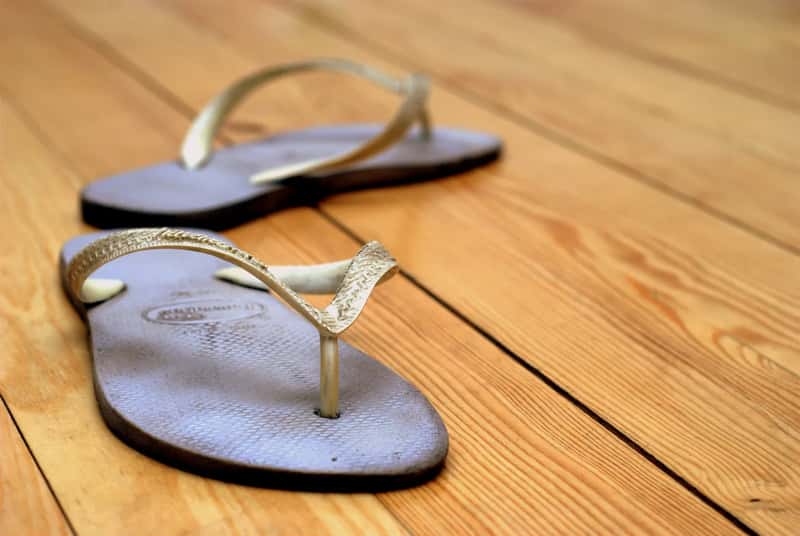
Flip-flops solve the barefoot problem, technically, but they bring their own kind of nuisance. The rhythmic slap of rubber soles on hard tile floors carries surprisingly far in a terminal, especially during a brisk walk to catch a connection, and it is one of those sounds that seems to bother people disproportionately to how minor it actually is.
There is also a practical wrinkle at the gate itself. Reporting on airline dress codes noted that across most U.S. carriers, barefoot travelers are almost always asked to slip on shoes, even flip-flops, before they can step onto the aircraft[5], which tells you a lot about how airlines view flip-flops as the bare minimum rather than a genuinely acceptable choice.
4. Wearing your entire suitcase to dodge baggage fees
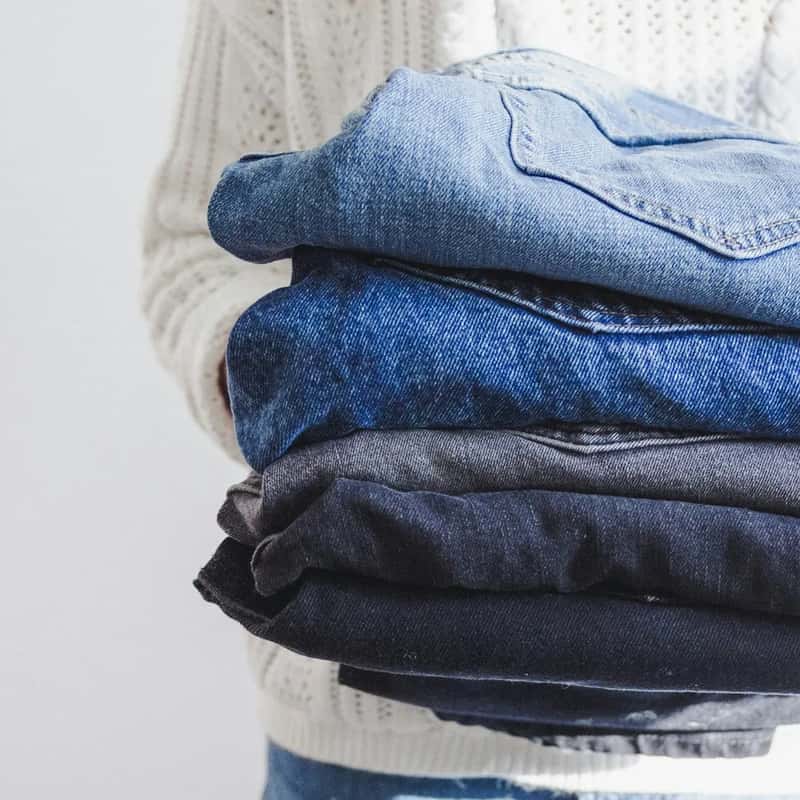
Baggage fees have pushed some travelers into genuinely strange territory, and layering on every item of clothing you own to avoid checking a bag is one of the more extreme responses. It is not just an urban legend either. One traveler reportedly attempted to board a flight from Iceland to London while wearing eight pairs of pants and 10 shirts, the items that didn’t fit in his checked luggage[6], and ended up removed from two separate flights over it.
Wearable luggage products have since turned this into an almost respectable strategy, with vests and jackets designed to smuggle extra weight past the scale. The catch is that a passenger visibly bulging out of five layers in a warm terminal is uncomfortable to look at and often blocks aisle space while struggling to peel layers off before boarding.
5. See-through or barely-there athleisure
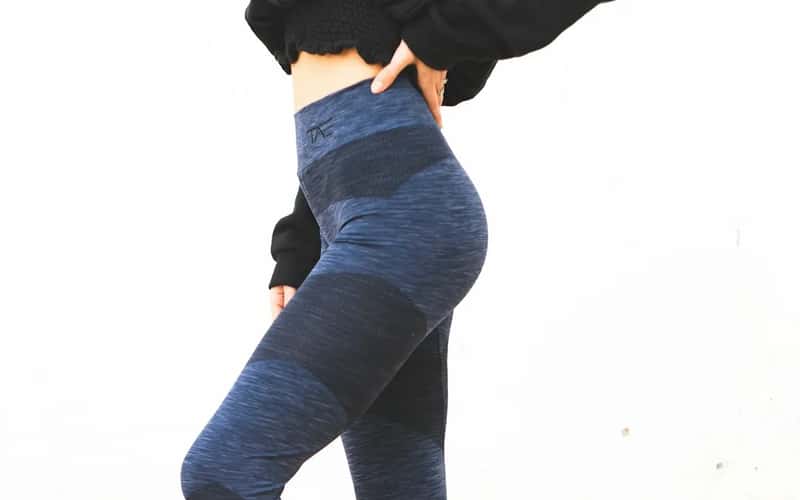
Sheer leggings, crop tops, and other barely-there athleisure pieces have sparked enough public incidents that airlines started writing specific rules around them. Spirit Airlines revised its policy after two women claimed they were kicked off a Spirit Airlines flight for wearing crop tops in October 2024[7], prompting the airline to tighten its language.
The new wording is fairly blunt. It states that passengers cannot be barefoot or inadequately clothed, meaning see-through clothing, clothing that is not adequately covered, or clothing that exposes breasts, buttocks, or other private parts[7]. Other passengers tend to notice this kind of outfit immediately, and not in a way that makes waiting at a crowded gate any more pleasant.
6. Head-to-toe metal and statement jewelry

Chunky belt buckles, layered chains, and metal-studded boots might look great for a flight, but they tend to turn security screening into a group activity. Travel writers advising on airport footwear specifically recommend avoiding anything heavy on hardware, noting that the smarter move is to choose shoes that are supportive and easy to take off at security, like slip-on sneakers, loafers, or comfortable flats, while avoiding anything with too many straps or buckles that slows down the line[8].
The same logic applies to jewelry and accessories. Reporting on the shoes-on policy noted that passengers wearing metal-heavy or thick-soled shoes may still be asked to remove them if scanners trigger alarms[9], and the same scanners do not distinguish between a shoe buckle and a stack of bracelets. Every alarm means a pat-down, a wand, and a longer line behind the person who decided that this was the day for maximum bling.
7. Overpowering perfume, cologne, or scented loungewear

Strong fragrance is technically not an outfit, but it travels with the clothes people choose, especially heavily laundered or perfume-soaked loungewear worn on long flights in enclosed cabins. Airlines have started writing hygiene and odor concerns directly into their conduct policies rather than leaving it unaddressed.
Delta’s contract of carriage, for instance, states that the airline may refuse to transport or may remove passengers from its aircraft when the passenger’s conduct, attire, hygiene or odor creates an unreasonable risk of offense or annoyance to other passengers[7]. In a pressurized cabin or a crowded gate area with limited airflow, an overpowering scent can genuinely ruin a several hour flight for the people seated nearby.
8. Costume-style or matching squad outfits for photos

Bachelorette groups in matching pajama sets, families in identical holiday sweaters, or friend groups dressed as a coordinated theme have become a fixture of airport photography, and not everyone finds it charming. The bigger issue is less about the outfit itself and more about the behavior around it, since staged photo shoots at gates and jet bridges tend to block walkways for travelers who are simply trying to get to their flight.
This kind of outfit choice also feeds directly into the growing culture of documenting strangers in public. As one survey on airplane etiquette noted, passenger shaming is a real thing on social media[10], and coordinated costume moments are exactly the kind of content that ends up circulating online, often without the wearer’s knowledge or consent.
Airport style has clearly shifted toward comfort over convention, and most of that shift is harmless. Where it tends to cause friction is at the edges, when comfort turns into disruption, when a fashion choice slows down a security line, or when an outfit becomes a photo op that blocks someone else’s path to their gate. None of these choices are illegal or even against most airline rules most of the time, but they are consistently the ones that show up in traveler complaints and etiquette surveys year after year.