Not every famous shoreline lives up to the postcard. Some beaches earn their reputation through decades of magazine spreads and influencer photos, only for visitors to arrive and find something a little more complicated: crowds, litter, inflated prices, or a version of paradise that’s been packaged a bit too tightly. This isn’t a takedown of these places, since many still have plenty going for them, but a look at why a growing number of travelers walk away disappointed.
1. Kuta Beach, Bali, Indonesia
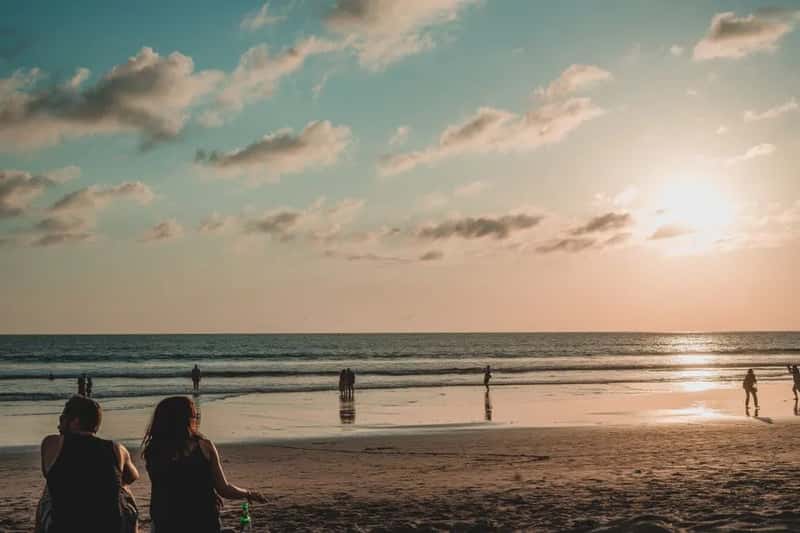
Kuta was once a sleepy surf spot, and old-timers still talk about what it looked like before mass tourism arrived. Today it’s known as much for its traffic and vendor hassle as for its sunsets. Overcrowding is one of the main reasons Kuta’s beaches have earned a reputation for being more stressful than enjoyable.[1]
The pollution issue has also become part of Kuta’s story, particularly during the rainy season. Local government and media widely agree that Kuta, Seminyak, Legian, and Jimbaran beaches are usually the worst affected by seasonal plastic pollution.[2] Interestingly, by 2025 pollution at Kuta had become less of an issue, but sand erosion had emerged as a serious new problem instead.[2] Between the crowds, the hawkers, and the shifting environmental headaches, plenty of visitors now treat Kuta as a place to pass through rather than linger.
2. Cancun Hotel Zone, Mexico
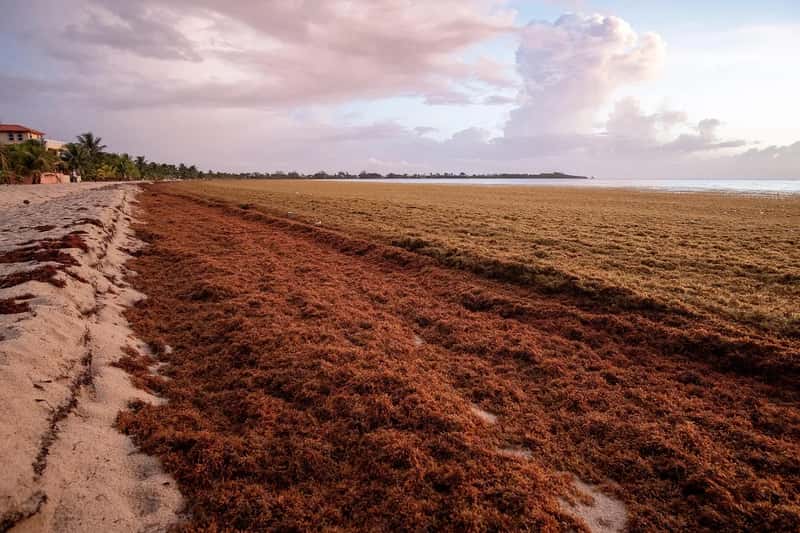
Cancun’s Hotel Zone built its fame on turquoise water and an easy flight from most of North America, but recent years have complicated that image. The 2025 sargassum season set a new volume record, forty percent above the 2022 peak, and Cancun alone removed over thirteen thousand tons of the seaweed that year, nearly four times the previous year, with twenty eight of one hundred monitored beaches on red alert simultaneously that May.[3]
Forecasts haven’t offered much relief either. Satellite observations showed a sharp rise in Atlantic sargassum in June 2026, with the University of South Florida Oceanography Lab predicting that 2026 will likely be the worst year on record.[4] Hotels do run daily cleanup crews, and spots like Isla Mujeres, Holbox, and Costa Mujeres have stayed largely clear even as Tulum, Playa del Carmen, and the Cancun Hotel Zone see the heaviest accumulation.[5] Still, travelers hoping for the untouched blue water from old brochures are increasingly finding a beach that needs raking before it looks the part.
3. Patong Beach, Phuket, Thailand
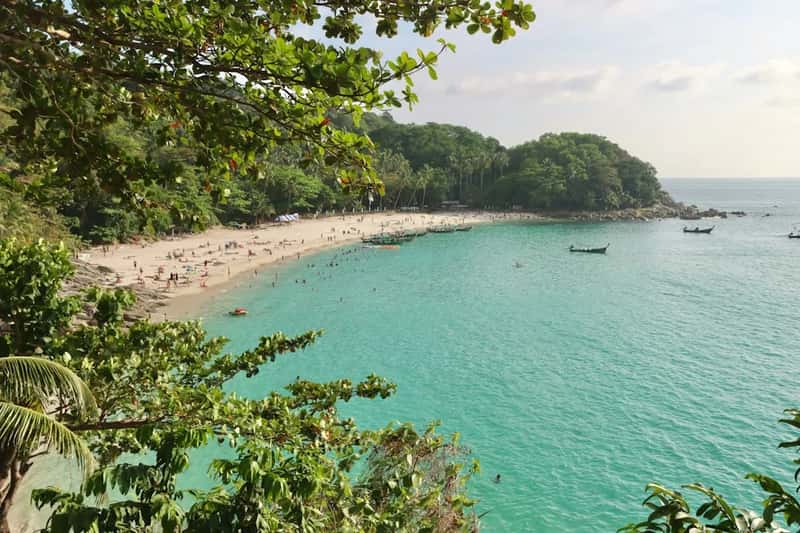
Patong is Phuket’s biggest draw and its most divisive. It stands as a bustling symbol of Phuket’s tourism boom, but its popularity has led to a chaotic atmosphere that can overwhelm even seasoned travelers.[6] By day the beach fills with sunbeds, vendors, and jet ski operators, and by night the scene shifts entirely toward Bangla Road’s nightlife.
Some visitors love the energy, others find it exhausting. Patong has built up a reputation of being a bad case of mass tourism, so bad that some travel agencies won’t touch it.[7] Travelers looking for quiet water and open sand are often steered toward nearby alternatives instead, since staying outside Patong is the usual advice for those who want quieter beaches[8] without giving up Phuket entirely.
4. Boracay, Philippines
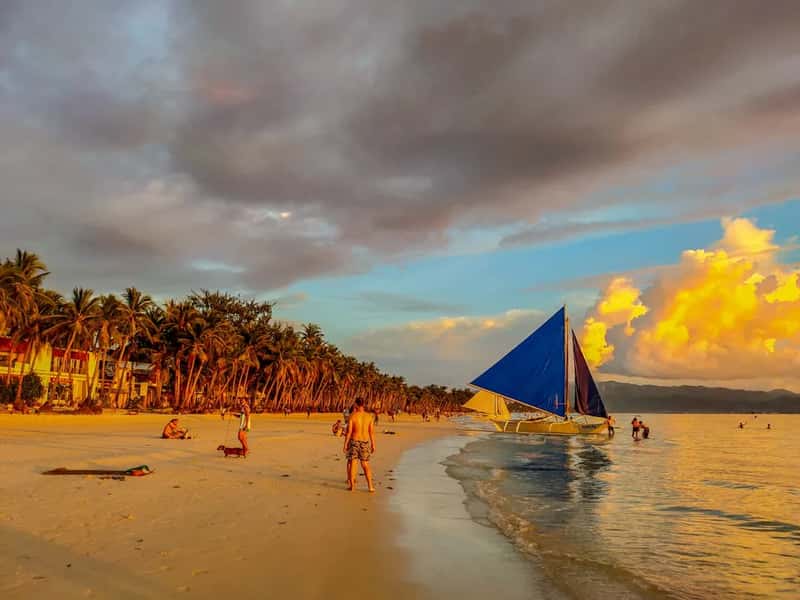
Boracay’s white sand has long been ranked among the best in Asia, but the island’s popularity briefly outpaced its infrastructure. Things got bad enough that the Philippines announced a six month closure of the popular tourist destination over concerns the island’s famous beaches and clear blue waters had been transformed into a cesspool due to sustained environmental damage.[9] A carrying capacity study found the island could accommodate under fifty five thousand people at a time, yet its existing population had already exceeded that limit by almost thirty percent.[10]
The 2018 closure led to real change, including daily visitor caps and stricter waste rules. Only six thousand visitors are now allowed to enter Boracay each day.[11] The improvements are genuine, yet the island’s earlier reputation as, in one magazine’s words, “the poster child for overtourism”[10], still shapes how some travelers view it, even years after the cleanup.
5. Venice Beach, California, USA
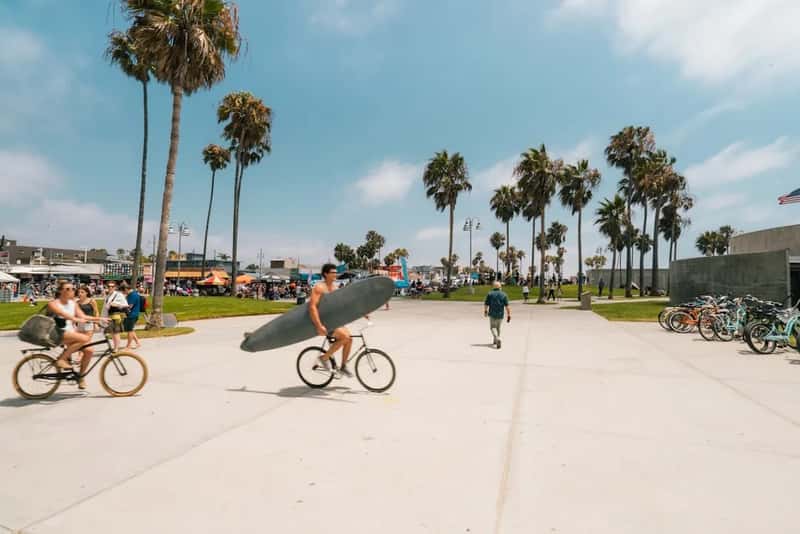
Venice Beach trades on its reputation as a countercultural landmark, all skateboarders, muscle gyms, and boardwalk performers. For many first-time visitors expecting a relaxing California beach day, the reality is louder and grittier than expected, with a narrow strip of sand competing for attention against the boardwalk’s constant foot traffic and street vendors.
Swimming conditions are often unremarkable compared to other Southern California beaches, and the area has faced ongoing challenges with homelessness and safety concerns that regularly make local news cycles. Travelers who come purely for sand and surf are frequently better served a few miles up the coast in Santa Monica or Malibu, where the beach itself takes center stage rather than the spectacle around it.
6. Waikiki Beach, Oahu, Hawaii
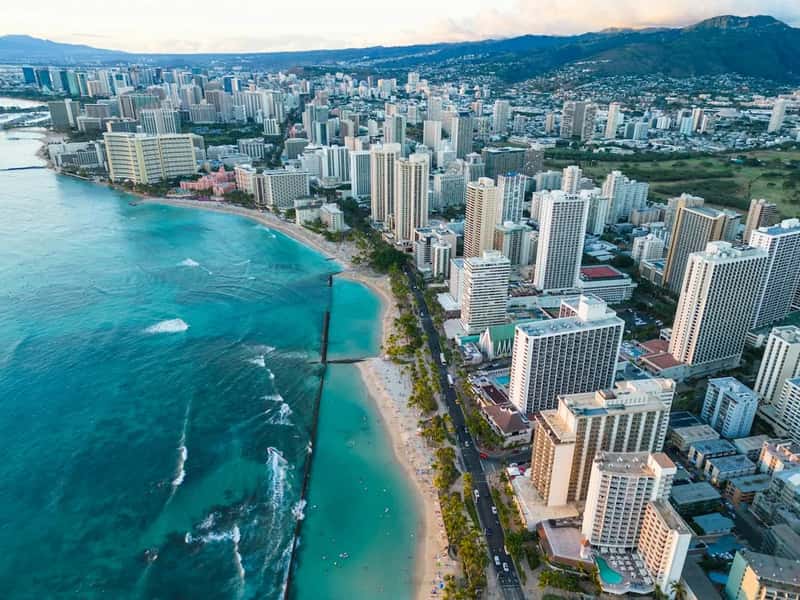
Waikiki remains one of the most photographed beaches in the world, and for good reason, since Diamond Head framed against gentle surf is a genuinely striking sight. The trouble is that the actual sand is narrow and often shoulder to shoulder with sunbathers, hotel loungers, and surf schools during peak season.
High rise hotels line the shore almost without gaps, giving the beach a resort corridor feel rather than a natural coastline. Many visitors who venture beyond Waikiki to Oahu’s North Shore or windward beaches come away feeling they’d spent their first few days at the least representative stretch of sand on the island.
7. Copacabana Beach, Rio de Janeiro, Brazil
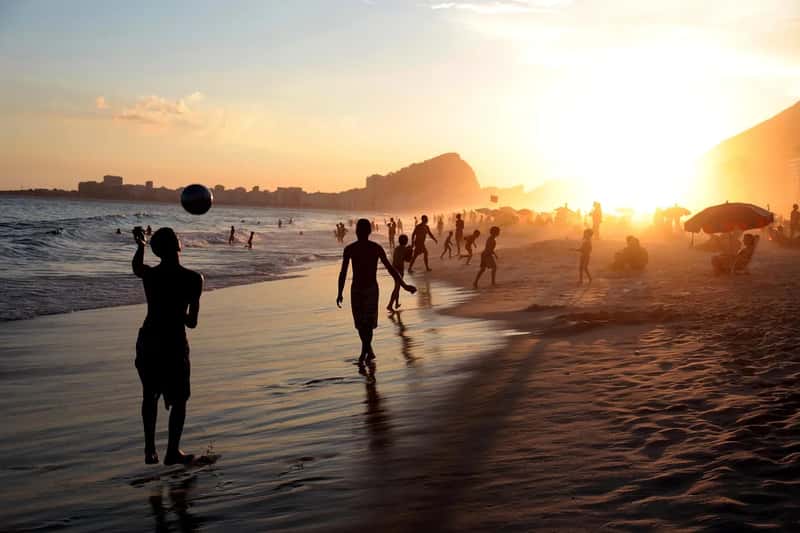
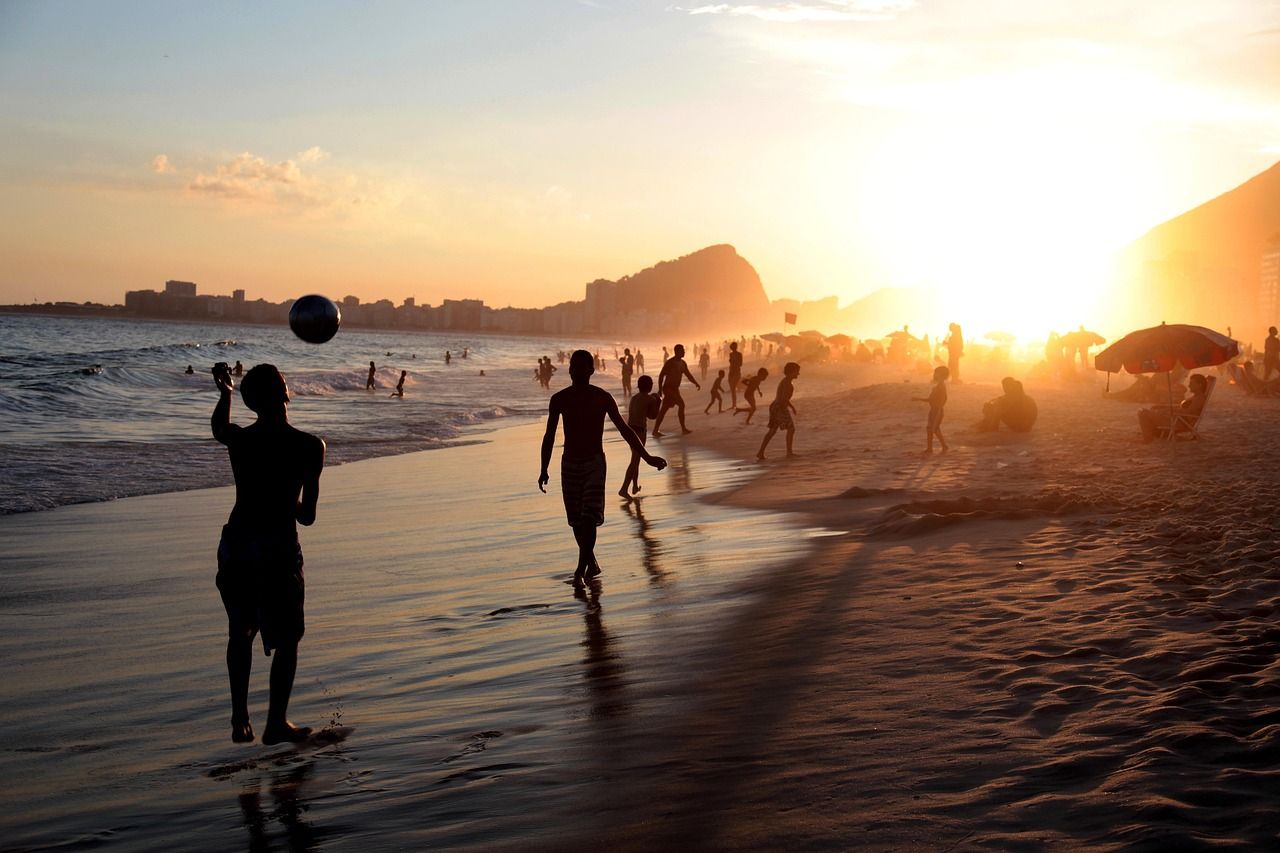
Copacabana’s crescent of sand backed by Art Deco buildings is instantly recognizable, and it’s earned its place in the cultural imagination through decades of film and music. On the ground, though, the beach is famously crowded, and petty theft targeting tourists has been a persistent, well documented concern for visitors who bring valuables to the sand.
Water quality has also drawn scrutiny over the years, particularly after heavy rain when runoff affects nearshore conditions. Locals and repeat visitors often point instead to Ipanema or the calmer beaches further along Rio’s coast, arguing that Copacabana’s fame rests more on its skyline and history than on the actual swimming experience.
8. Playa d’en Bossa, Ibiza, Spain
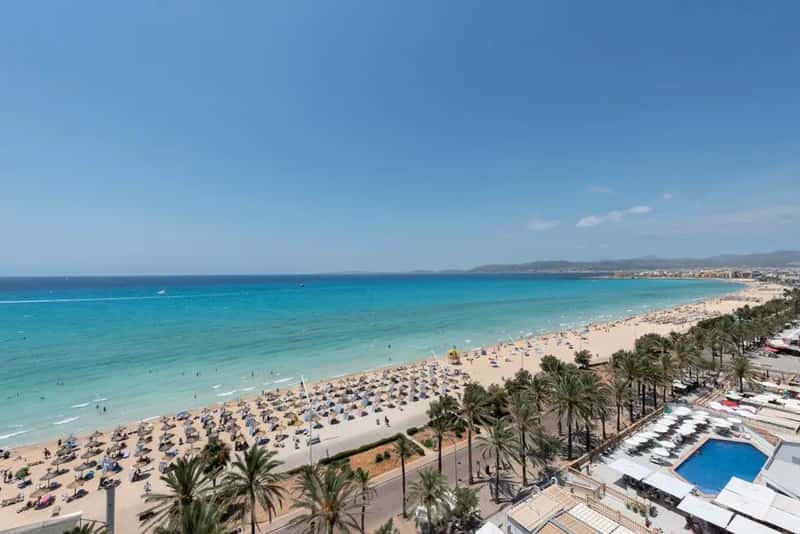
Playa d’en Bossa is Ibiza’s longest beach and the epicenter of its club culture, home to some of the island’s biggest superclubs and beach clubs. For travelers expecting a quiet Mediterranean escape, the reality is closer to an open air nightclub extension, with pumping music starting well before sunset and sunbeds packed tightly along the shore.
Prices here run noticeably higher than elsewhere on the island, from beach club entry fees to simple drinks, reflecting the area’s status as a nightlife destination rather than a beach retreat. Travelers seeking Ibiza’s quieter side, the coves and calas the island is also known for, generally have to drive well away from d’en Bossa to find them.
These reputations aren’t fixed forever. Boracay’s cleanup shows that a beach’s overrated label can shift with real policy change, while Cancun’s sargassum problem shows the opposite can happen just as easily. What counts as overrated often comes down to expectations: a beach built for nightlife will always disappoint someone hoping for solitude, and a beach known for solitude will disappoint someone hoping for a party. The gap between a place’s marketing and its daily reality is usually where these reputations take root.