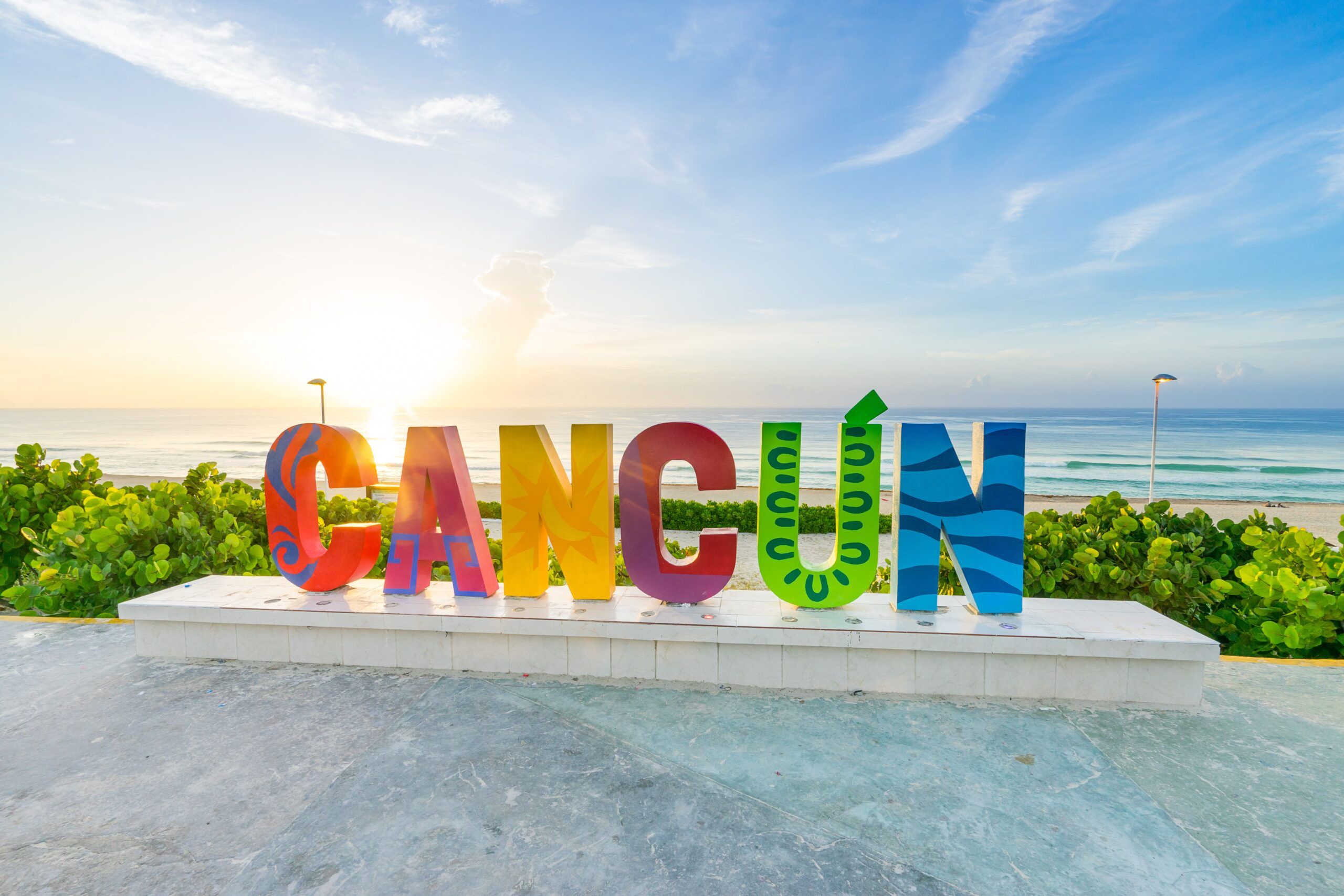
I’ve been to Cancún four times over the past decade, and each visit felt a little different from the last. The white sand and turquoise water that made the destination famous are still there, technically. But somewhere between my second and fourth trip, the math of the place stopped adding up for me, and I don’t think I’m alone in noticing it.
This isn’t a takedown of Mexico or its Caribbean coast, which remains genuinely beautiful in plenty of corners. It’s more of an honest accounting of what’s changed in Cancún specifically, based on what’s actually happening there right now in 2026, not on nostalgia for a version of the resort strip that doesn’t really exist anymore.
The seaweed problem that never really left
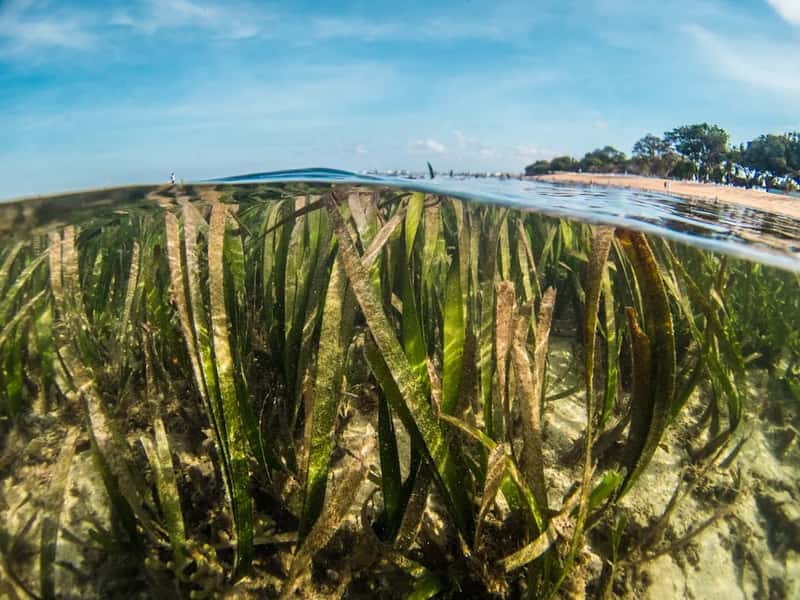
Sargassum used to be a seasonal annoyance you could plan around. That’s no longer a safe assumption. Satellite observations and on site reports showed a sharp rise in Atlantic sargassum in June 2026, with the University of South Florida Oceanography Lab predicting that 2026 will likely be the worst year for sargassum seaweed on record.[1]
The trend line isn’t a one-off, either. The 2025 season set a new volume record, 40 percent above the 2022 peak, according to University of South Florida satellite tracking.[2] Cancún alone removed over 13,000 tons in 2025, nearly four times the previous year, with 28 of 100 monitored beaches on Red Alert simultaneously that May.[3] Cleanup crews do heroic work, but they’re fighting a current, quite literally.
Crowds that keep getting bigger, not smaller
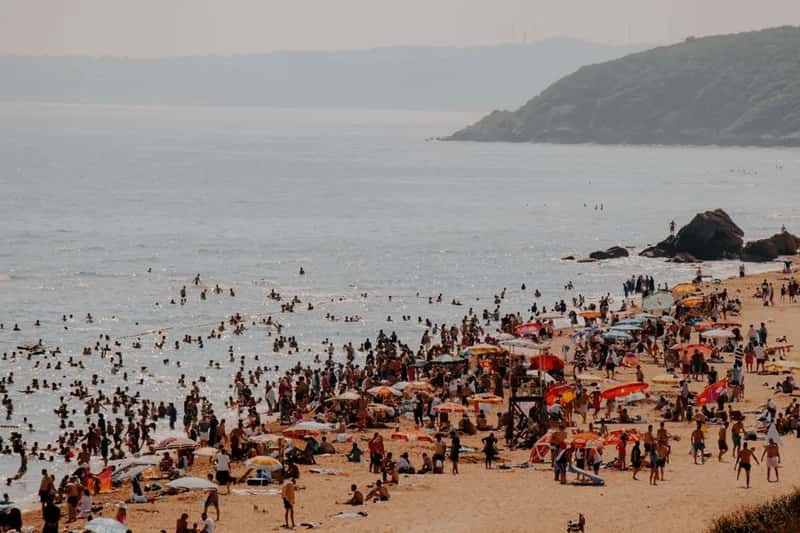
Part of Cancún’s original appeal was that it felt lively without feeling overwhelming. That balance has tipped. In Mexico, popular spots like Cancún, Cozumel, Tulum, and Cabo often face overcrowding[4], and Cancún tends to sit near the top of that list during peak windows.
The seasonal swings can be dramatic. Cancún’s typically quieter shoulder season experienced an unexpected surge in tourism, fueled by a longer school holiday period stretching into early September, with hotel bookings climbing toward nearly full capacity approaching 90 to 95 percent as the Labor Day weekend approached.[5] When a shoulder season books out like a holiday week, there’s no real “off” period left to escape to.
The prices don’t match the memory
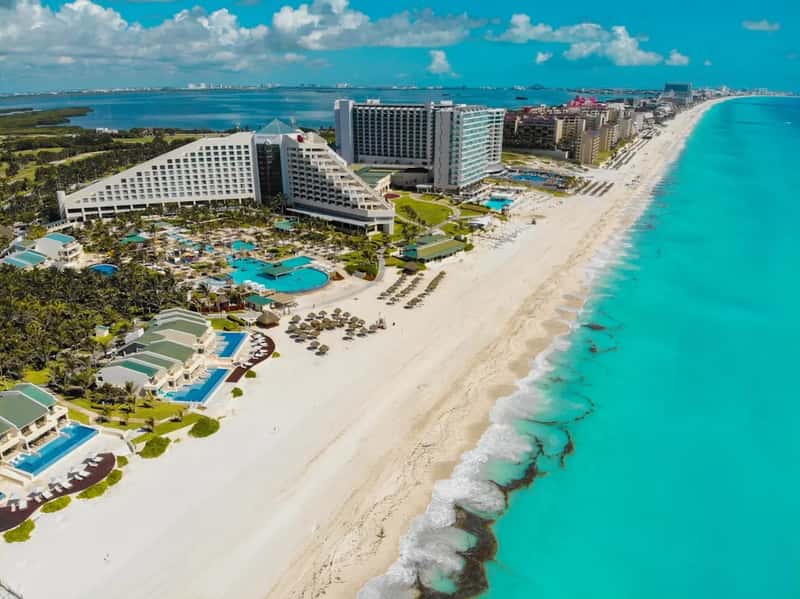
Cancún was never dirt cheap, but it used to feel like a reasonable trade for good weather and good beaches. That reputation has eroded. Mexico’s strong tourism appeal has always included a perception of good value relative to Europe or the United States, but the Mexican peso has at times strengthened, domestic inflation has lifted prices, and by 2025 many analysts were noting that Mexico no longer felt as cheap as it once did, especially in resort corridors dominated by international brands.[6]
Peak periods make it worse. Avoiding Spring Break in March and New Year matters, because during these periods hotel prices can run one and a half to two times above normal, and beaches feel much more crowded.[7] And within the Hotel Zone itself, the markup on ordinary things like food and excursions is steep enough that locals and frequent visitors openly steer people toward downtown Cancún instead.
A stack of small fees you don’t see coming
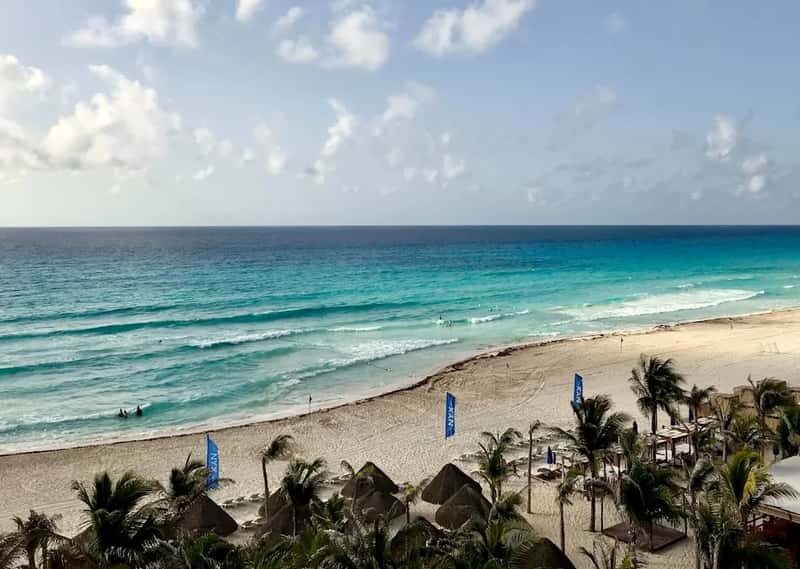
No single Cancún fee is going to ruin your trip, but they add up faster than you’d expect. There’s the VISITAX, which runs 283 Mexican pesos per person, about 15 to 17 US dollars depending on the exchange rate.[8] There’s also the federal non-resident fee, which runs about 983 pesos, roughly 53 dollars, per person in 2026, and has climbed steadily in recent years.[9]
On top of that sits a nightly environmental sanitation charge, where Cancún hotels currently apply about 76 pesos per night per room.[10] None of these show up in the glossy vacation-package price you see online, and they’re collected separately, often at the airport or at check-in, which turns a supposedly simple beach trip into a small paperwork exercise.
The Hotel Zone bubble feels less real every year
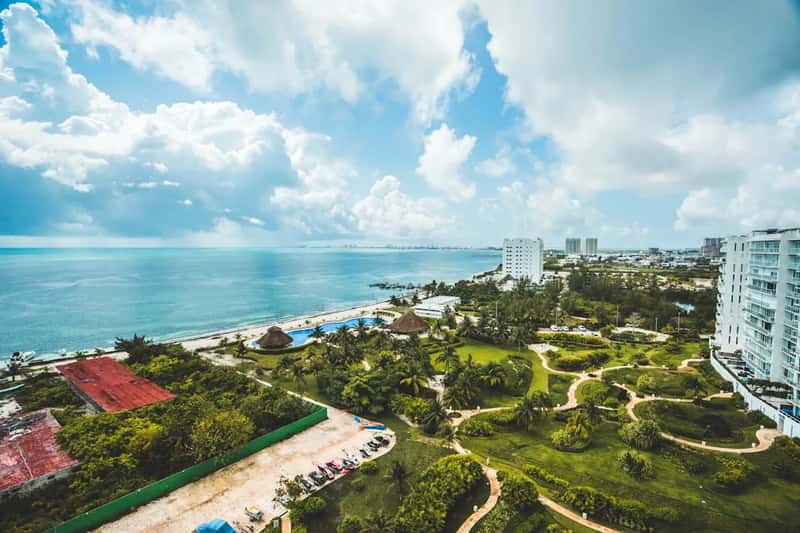
The strip of resorts along Boulevard Kukulcán was designed as a self-contained tourist world from the start, and that’s exactly what it still is. One travel writer who covers the region put it plainly: the Hotel Zone sells convenience and proximity to the beach, while everything else, food, shopping, organized tours, is significantly overpriced relative to what you get.[11]
The same source noted that every dollar spent on food or activities in the Hotel Zone could go approximately four times further downtown or at independently operated cenotes and tours.[11] That gap used to feel like a minor inconvenience. Lately it feels more like a sign that the Hotel Zone was built for a different era of tourism, one with less competition and less price transparency.
What’s happening to the reef just offshore
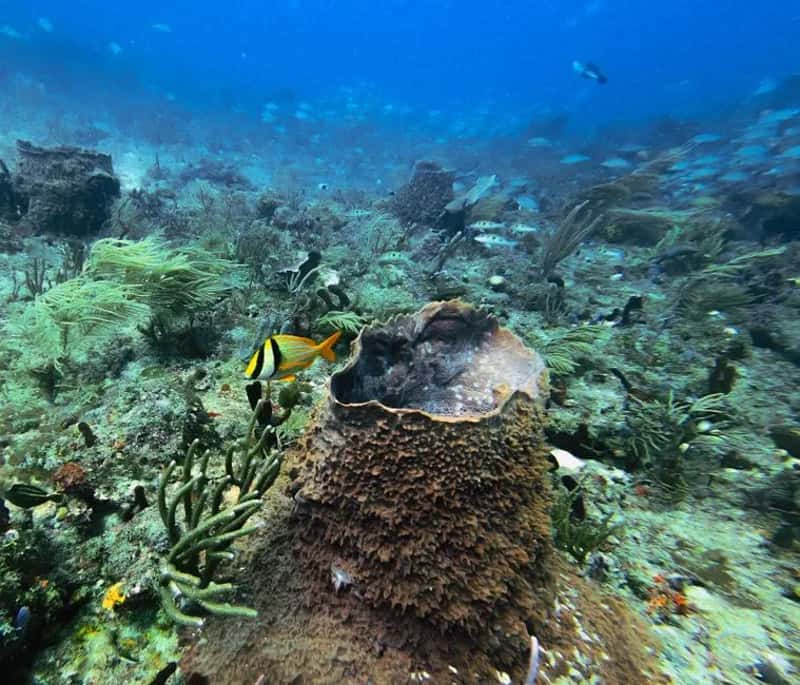
Cancún sits at the edge of something genuinely remarkable, the Mesoamerican Reef, and that’s easy to forget when you’re staring at a swim-up bar. The Mesoamerican Reef is the second-largest barrier reef system on the planet, and it starts a few hundred meters off the Cancún coast.[12]
But that proximity cuts both ways, and heavy sargassum seasons don’t just spoil the view from your lounge chair. Rotting seaweed strips oxygen from near-shore water within days, creating conditions that stress or kill marine life close to shore, a pattern well documented by researchers tracking sargassum blooms across the region in recent years. It’s a reminder that the postcard image of Cancún and the ecological reality underneath it aren’t always the same picture.
Safety concerns you can’t fully wave away
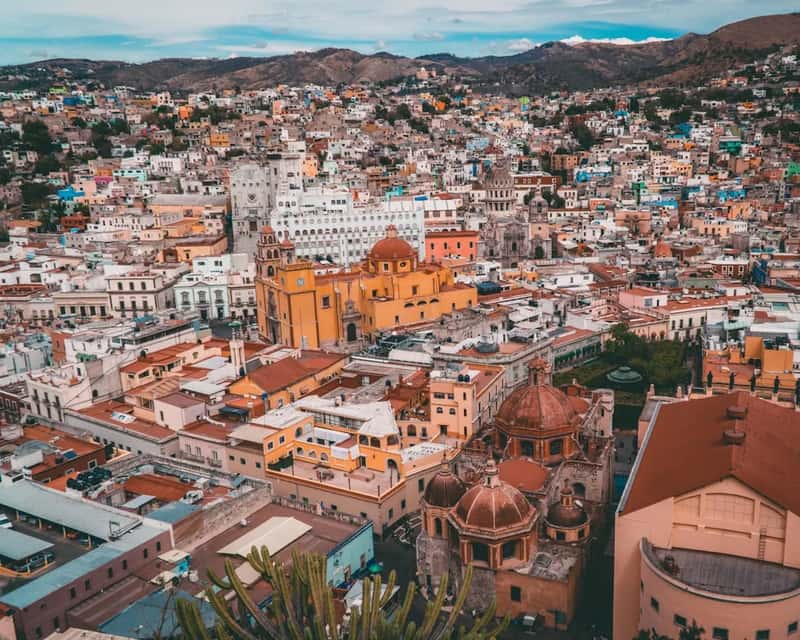
To be fair here, the honest picture on safety is more nuanced than either the alarmist headlines or the tourism board would have you believe. Mexico is generally safe for tourists, especially in areas like Mexico City, Cancún, and Playa del Carmen, though like in any big city, petty crime such as pickpocketing can occur in busy tourist spots, so it’s worth staying vigilant in crowded places.[13]
Standard precautions still apply, and they’re not dramatic ones. Sticking to registered taxis or using a rideshare app is recommended for safer transport, especially at night, and walking alone in less populated areas after dark is worth avoiding.[13] None of this is unique to Cancún, but it’s not nothing either, and it’s part of why the mental overhead of a Cancún trip has grown compared to quieter alternatives.
Where the money and attention are quietly moving instead
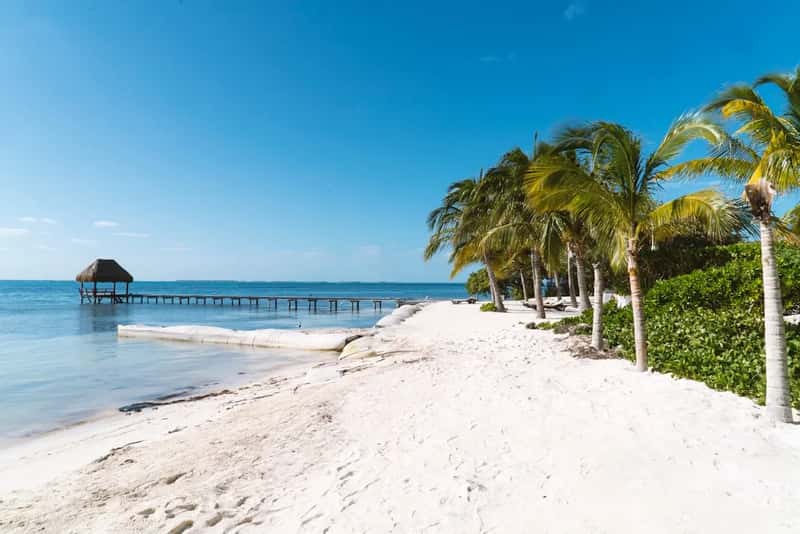
What’s interesting isn’t that people have stopped visiting Quintana Roo. It’s that within the same region, attention is shifting toward spots that dodged the worst of the sargassum and the crowding. Isla Mujeres, Holbox, and Costa Mujeres have stayed largely clear of the seaweed, while Tulum, Playa del Carmen, and the Cancún Hotel Zone have seen the heaviest accumulation.[2]
Isla Mujeres in particular keeps coming up as the better version of what Cancún used to promise. A twenty minute ferry ride gets you to a small Caribbean island with golf cart streets, a fishing village centro, and Playa Norte, a beach with shallow, calm, impossibly blue water that consistently ranks among the best beaches in Mexico, with a contrast to Hotel Zone infrastructure that feels immediate and striking.[11] It’s essentially the same coastline, minus most of the problems.
What Cancún still gets right, to be fair
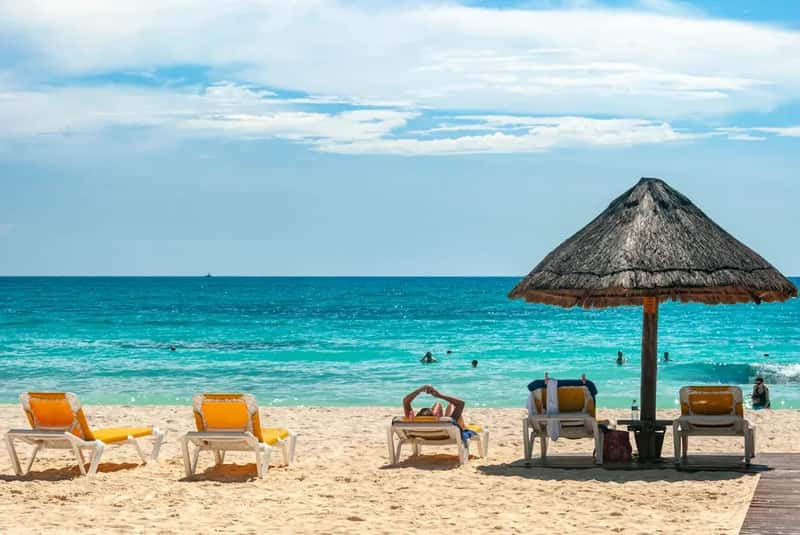
None of this means Cancún has become a bad place, and I want to be careful not to overstate the case. The sand and water quality inside the Hotel Zone, when the seaweed cooperates, remain genuinely excellent. The sand quality and water color in Cancún’s Hotel Zone are world-class, not hyperbole and not the tourist machine talking, and the beaches are genuinely that good.[11]
The infrastructure, the flight connections, the sheer range of things to do within a short drive, cenotes, ruins, eco-parks, reef trips, none of that has disappeared. Cancún earned its reputation for good reason, and on a calm week in November with the seaweed absent, it can still deliver something close to the postcard. The problem is that “calm week in November” is becoming a smaller and smaller window, not the reliable default it once was.
Final thoughts
I don’t think Cancún is finished, and I don’t think it’s a mistake for every traveler. But for me, the combination of unpredictable sargassum seasons, thicker crowds, climbing prices, and a stack of fees that never quite matches the marketing has quietly tipped the scale toward looking elsewhere in the same region.
If you’re set on that stretch of Caribbean coast, it’s worth widening the search beyond the Hotel Zone itself, toward the islands and towns nearby that have so far kept more of what drew people to this coastline in the first place. Cancún gave me some good trips over the years. I’m just not sure it owes me, or anyone, another one right now.