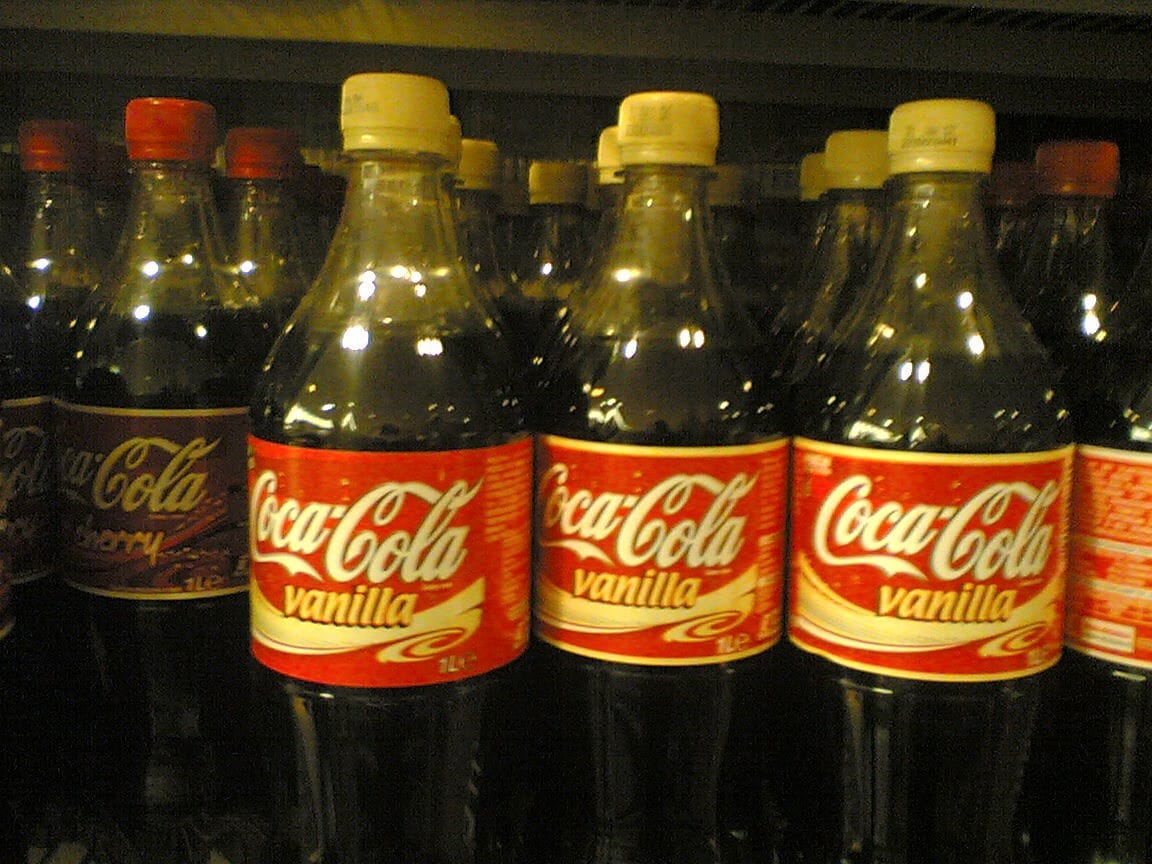
Walk into almost any corner shop on earth and a red can is probably waiting in the cooler. Coca Cola serves 2.2 billion drinks daily across more than 200 countries and territories worldwide.[1] That reach can make travelers assume a cold soda is guaranteed wherever they land.
The reality is patchier. Some countries drink far more soda than others, a few have legal reasons why the famous brands are missing, and rising taxes and prices are changing how and where people buy a bottle. Here’s a country by country look at the places where soda is easy to find, and the ones where it isn’t.
Mexico: The World’s Most Devoted Coke Drinkers
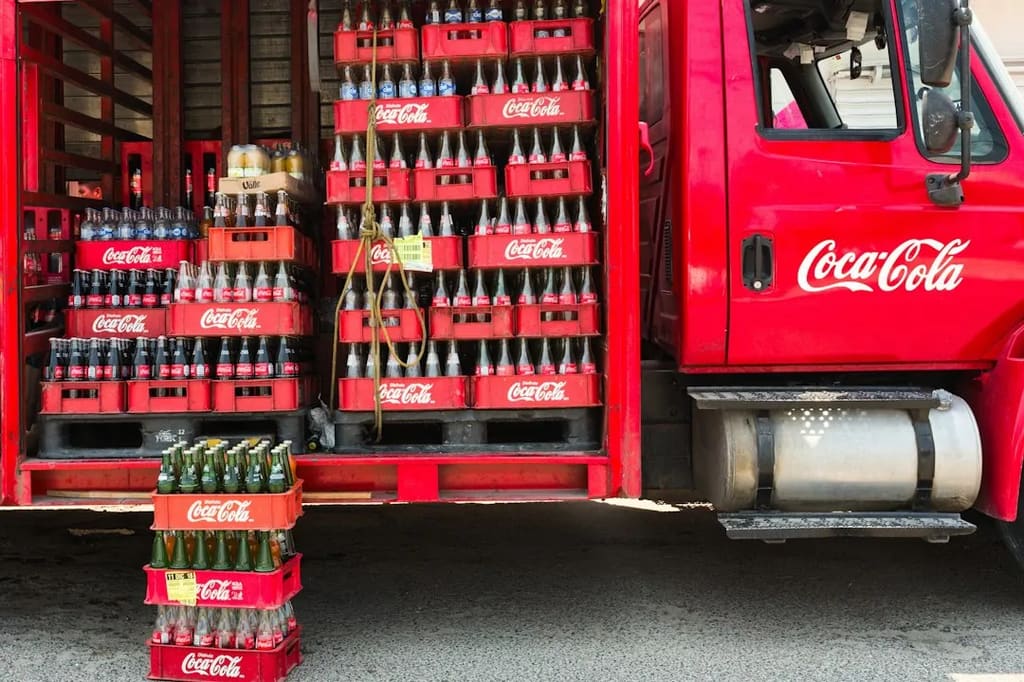
If you want a soda in Mexico, you won’t struggle. Mexico holds the highest per capita Coca Cola consumption worldwide, a position Euromonitor’s 2025 estimates still confirm.[1] Servings per person vary by source, with one estimate at 634 servings a year[2] and another at roughly 745[3].
Total volume is huge too. Mexico drinks 19,500 million liters of Coke a year, second only to the United States.[4] One often repeated figure claims that in the highland town of San Cristóbal de las Casas, locals drink just over two litres of soft drink a day[5], though that number is a local estimate and not a national average.
The United States: Biggest Total, Smaller Per Person Than You’d Think
American travelers heading abroad are used to the soda aisle at home, and the numbers explain why. Americans consume a total of 39,300 million liters of Coke every year, ahead of Mexico.[4] The average American buys about 403 Coke products a year.[1]
That is well above what you’ll find in most destinations. The global average is around 92[1], and Great Britain sits at 202, China at 32 and India at 9[1]. In other words, you may find fewer cola options, and smaller bottles, in places where daily soda isn’t a habit.
Argentina and Chile: South America’s Soda Strongholds
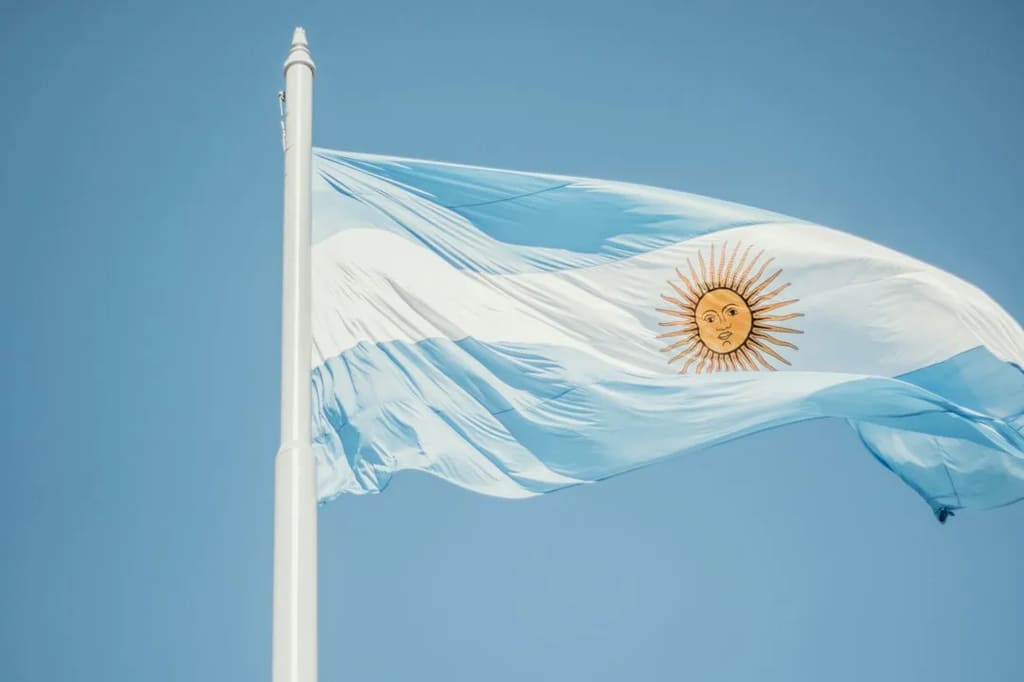
Soda is woven into everyday meals across southern South America. Argentina is listed at 155 liters per capita each year, and Chile at 141 liters.[6] The most popular soda in Chile is Coke.[6]
Both countries sit just behind the United States in rankings built from World Population Review data. One report places Argentina first in soda consumption per capita, with the U.S. second.[4] Rankings differ depending on which sources and definitions are used, so treat the order as approximate.
Hungary and Belgium: The Surprise European Leaders
Europe’s heaviest soda drinkers aren’t where most people would guess. According to World Population Review’s 2026 ranking, Hungary tops the list at 310 liters per capita, with Belgium second at 272.[6] That Belgian figure is described as an all time high for the country.[6]
Germany shows up lower on these lists. One older ranking puts it at 120 liters per capita[5], while another cites 98 liters[7], so figures clearly depend on the source and year. What holds up is that you’ll find plenty of fizzy options in central Europe, including local brands alongside the global ones.
Japan: A Vending Machine for Every Craving, Though Fewer Than Before
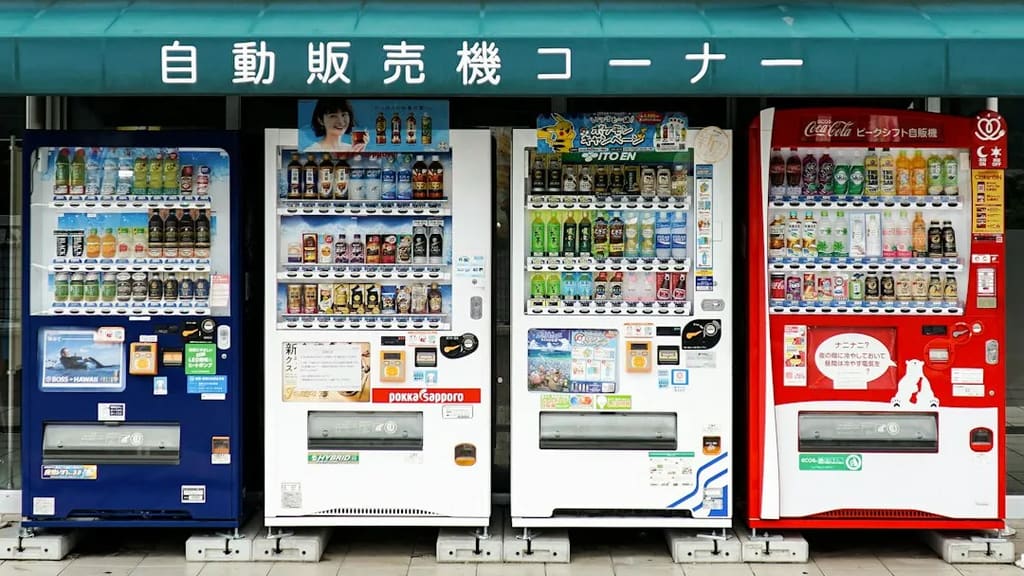
Japan is still the place travelers think of for a cold drink on every corner. The number of soft drink vending machines installed in Japan in 2025 fell to 1.95 million, dropping below 2 million for the first time in the 30 years for which records are available.[8] That is down 20% from 2014, when it peaked at 2.47 million units.[9]
Prices are a big reason. After a consumption tax rise in 2014, vending machines fell out of step with retail outlets such as convenience stores, since machines can only adjust prices in units of ten yen.[9] Even so, vending machines remain a defining feature of Japan’s retail landscape and continue to attract foreign tourists.[10]
Sugar Taxes: Why Your Soda May Cost More Abroad
If your soda feels pricey overseas, a tax may be involved. WHO reports that at least 116 countries tax sugary drinks, many of which are sodas.[11] Meanwhile, as of 2025, there are at least 17 European countries which levy a tax on sugary beverages.[12]
The design of these taxes varies. Most countries apply either volume based specific excise taxes (51 countries) or ad valorem excise taxes (50 countries) on sugar sweetened carbonated beverages.[13] WHO’s position is that taxes on sugar sweetened beverages increase product prices and reduce demand, resulting in fewer purchases.[14] Diet and zero sugar versions often sit outside those taxes, though rules differ by country.
Cuba: No Official Coke, but Plenty of Substitutes
Cuba is one of the two places where the real thing is officially off the menu. Coke opened a bottling plant there in 1906, but production was halted in 1962 after the Cuban Revolution.[15] The US still has a commercial, economic and financial embargo against Cuba, meaning no American companies can trade there.[16]
You’ll still find cola, just not that one. Cuba has attempted to replicate the drink with Tropicola.[17] Unofficial black market sources exist too, along with Cuba’s own cola called tuKola[18], and classic Cuban drinks include rum, coffee and guarapo, a sugarcane juice.[17]
North Korea: A Status Symbol and a Homegrown Cola
North Korea is the other country without official Coke. Continued nuclear testing tightened sanctions back up in 2006, preventing anyone in the U.S. from exporting products there.[19] Still, in the capital, Pyongyang, upscale establishments import Coke bottled and labeled in Chinese factories.[19]
Related Stories From Travelbinger



Locally, there are other options. Tour operators have mentioned Ryongjin Cola, and a red can with a ring pull opener was seen onboard Air Koryo flights.[17] On the black market, Coke commands high prices and is seen as a status symbol.[18]
Russia, Myanmar, Vietnam and China: Gaps That Opened and Closed
Availability can change within a few years. The cola company exited Russia in 2022[4], and one travel outlet now lists Cuba, North Korea and Russia as the three countries that don’t officially sell Coke.[18] Some market summaries still show large Russian volumes under local production, so the picture there is murky.
History shows how quickly things can flip. Until 2012 Myanmar was a country where you couldn’t legally buy a Coke, and after the ban was lifted the company invested 200 million dollars to kickstart distribution.[20] Vietnam and China also went without for a few years, with the brand returning in 1994 and 1979 respectively.[20]
A Quick Map of Where Soda Is Easy and Where It Isn’t
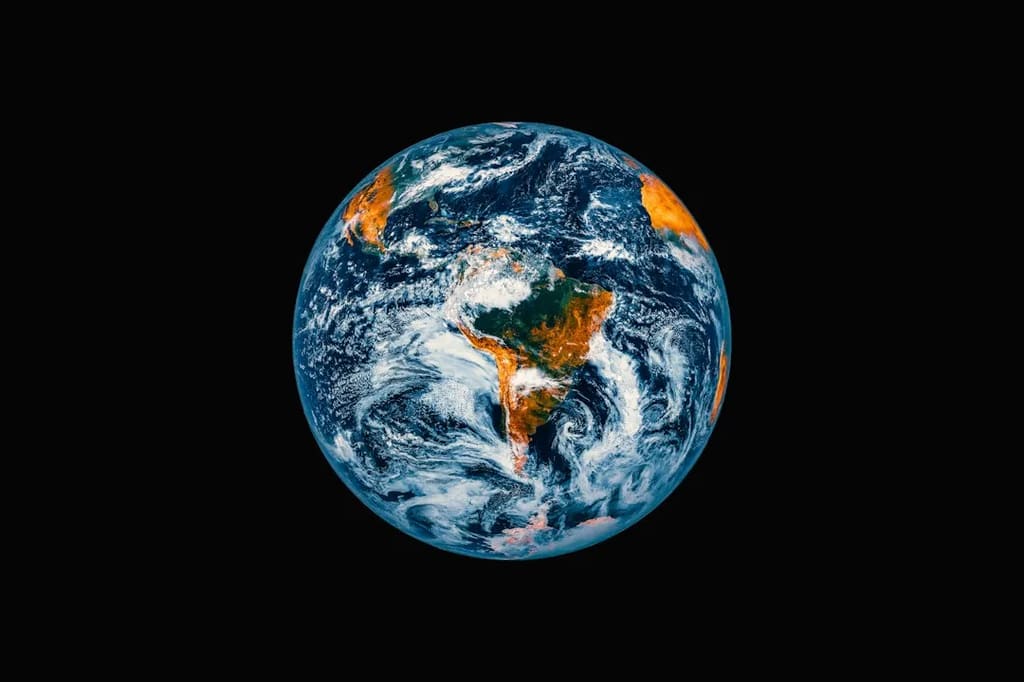
For the easy end of the scale, think of the heavy drinking markets already covered. Mexico leads per capita, and the United States drinks the most by total volume.[1] Across South America and central Europe, Argentina, Chile, Hungary and Belgium all post some of the highest per person figures.[6]
At the hard end, trade embargoes and sanctions mean there are currently no legal avenues to buy Coke in Cuba and North Korea.[20] Coke’s own count is 202 markets across four regions[20], although the company doesn’t clarify what constitutes a market.[20] Everywhere else, a cold cola is typically a short walk away.