

Most people pack a passport, a charger, and a rough idea of local etiquette. Very few check how a destination treats paid sex, even though the rules differ more here than almost anywhere else in criminal law. Something that is licensed and taxed in one country can mean a prison sentence and deportation two borders away.
Travelers also tend to assume that what’s visible is what’s legal. A busy nightlife strip or a bar with an obvious reputation says very little about the statute book. The sections below walk through the main legal models, the places where confusion is most common, and the habits that keep a trip from going wrong.
Why the Rules Change So Sharply From Country to Country

There is no single global standard. One legal tracker groups national approaches into five broad categories, ranging from no prostitution specific criminal law, where sex work is regulated like other work[1], to systems where selling sex is an offence, whether or not buying is[1].
The middle categories matter most to visitors. In some countries both buying and selling are legal, but brothels, procuring and organising are criminal offences[1]. In others, only the buyer commits a crime. Knowing which model you’re standing in is the first step, and it can’t be guessed from the street.
The Nordic Model: Where the Buyer Is the One Breaking the Law
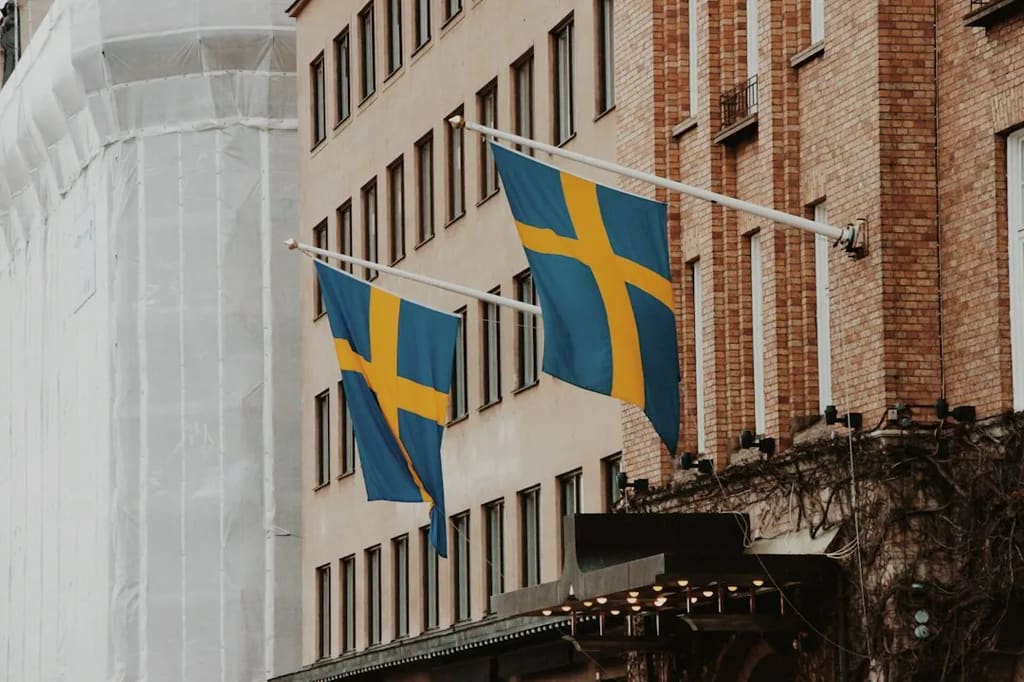
Under this approach, selling sex is legal, but buying it is a criminal offence[2]. A visitor is therefore the person exposed. Commonly listed examples include Sweden, Norway, Iceland, France, Ireland, and Northern Ireland[2].
The list is wider than Europe. Canada has used this approach since 2014[3], and Israel since 2020[3]. In France, clients face fines[3] under a law that dates from 2016, while Ireland has had its version since 2017[3]. A tourist who assumes that a legal seller means a legal purchase can get that badly wrong.
Sweden Is Tightening, Not Loosening
Sweden was the original model, with buying criminalised since 1999[3]. In 2025 it widened the net online. A law that took effect on July 1 of that year means criminal liability for buying sexual services no longer needs physical contact[4], and it reaches online sex work too.
Reporting at the time described paying for interactive live streams or custom clips as punishable by up to a year in prison[4]. A further change is also moving through parliament. A legal tracker lists a bill creating a new offence of using the services of a trafficking victim[1], with a Riksdag vote still to come. Anyone visiting Sweden should treat the rules as a moving target.
The Netherlands and the Amsterdam Red Light District
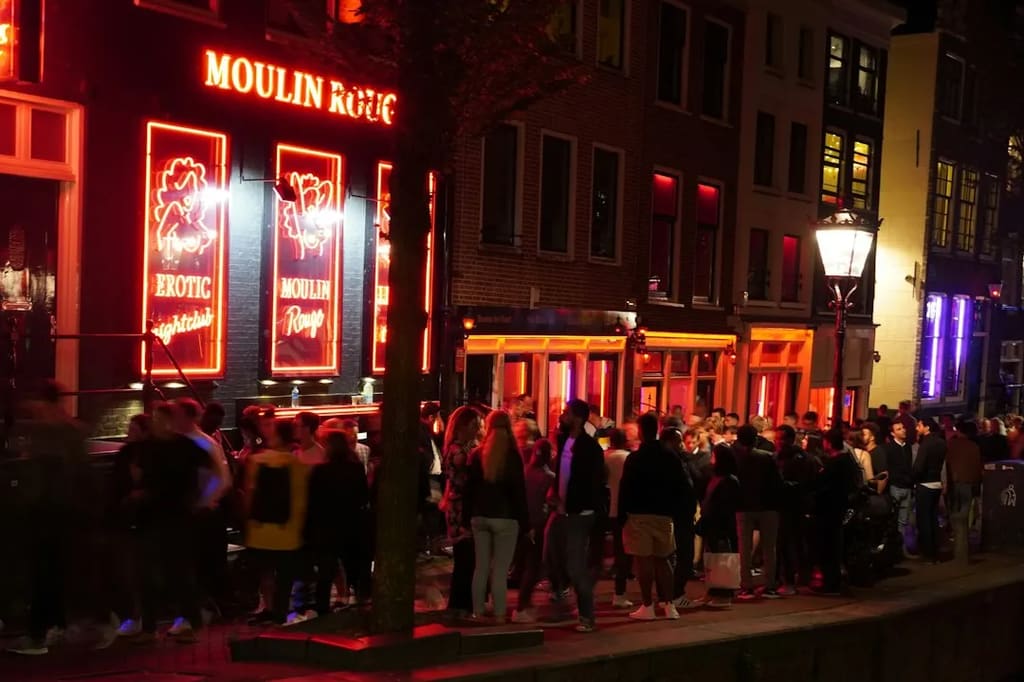
The Dutch system is legal and licensed, not a free for all. Sex workers register as independent entrepreneurs, and each premises needs a municipal licence[5]. Street prostitution remains prohibited[5], so what’s allowed is tied to specific licensed spaces.
Visitors also run into rules that aren’t about sex at all. Photography of workers or their windows is strictly prohibited[5], enforced through municipal regulations, surveillance, and on the spot intervention by police and security staff[5]. As for the long debated Erotic Center, NL Times reported in June 2026 that a new coalition was set to drop the project[6] and instead look at small scale locations[6]. Check current local information before you go, because the layout of the district may keep shifting.
Germany, Belgium, and Other Regulated Systems
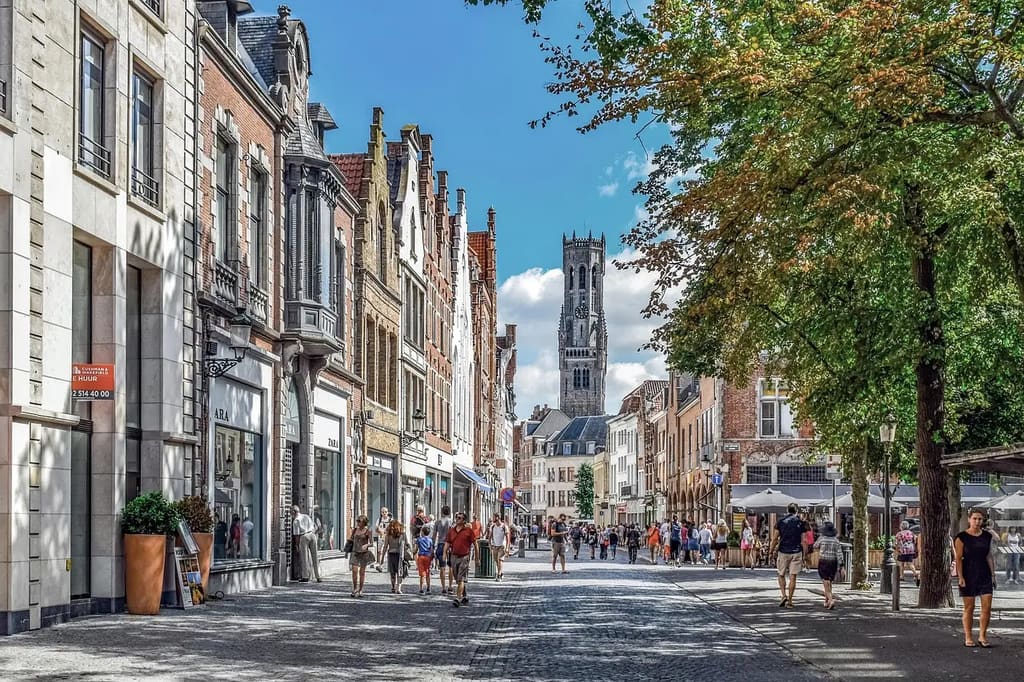
Several countries treat sex work as a regulated trade. One tracker lists Austria, Germany, Greece, the Netherlands, Switzerland, and Turkey[1] among places where selling and running venues are legal under licensing or registration. In Switzerland, for instance, sex work requires registration and compliance with specific health regulations[7].
Belgium went further. Sex work there was decriminalized on 1 June 2022[8], and since December 2024 workers have had legal access to maternity leave, pensions and unemployment benefits[8]. For a visitor, legal does not mean unregulated. Licensed venues, local zoning, and rules about where and how services are offered still apply.
Thailand: Illegal on Paper, Tolerated in Practice
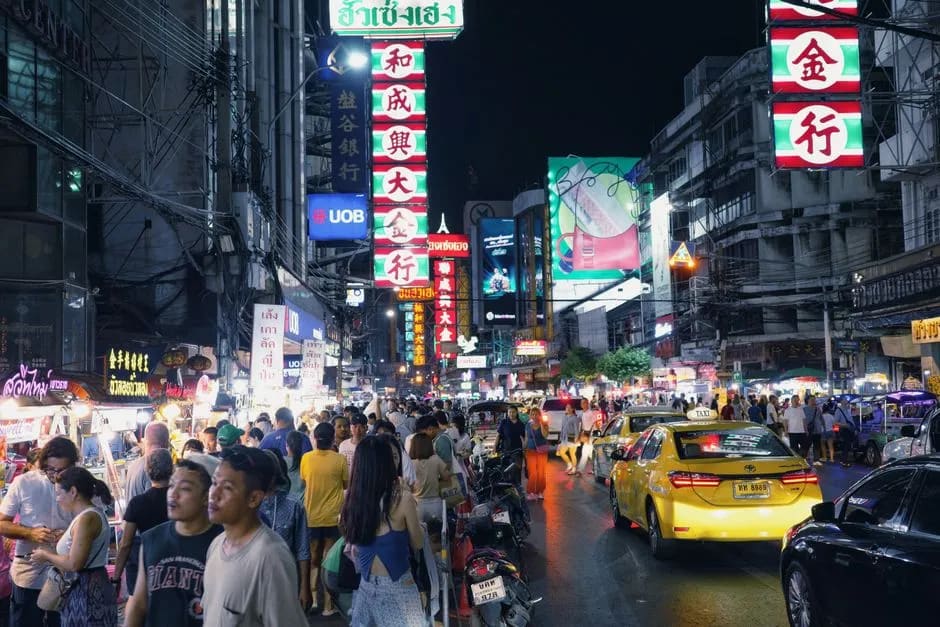
Thailand confuses a lot of travelers. Prostitution is officially illegal under the Prevention and Suppression of Prostitution Act of 1996[9], yet the industry operates openly in areas like Bangkok, Pattaya, and Phuket, often under the guise of entertainment venues[9]. Enforcement is inconsistent[9], which is not the same as permission.
Reform talk keeps surfacing, but accounts differ. Some commentary describes a soft decriminalization phase, while other sources say no concrete legislative change has occurred as of 2025[10]. A recent report says a draft bill to repeal the 1996 law is on the parliamentary agenda, even as raids and foreign attention fall on Pattaya[11]. The safest reading is that the law remains on the books until it is formally changed.
The UAE and Dubai: Strict Law, Serious Consequences
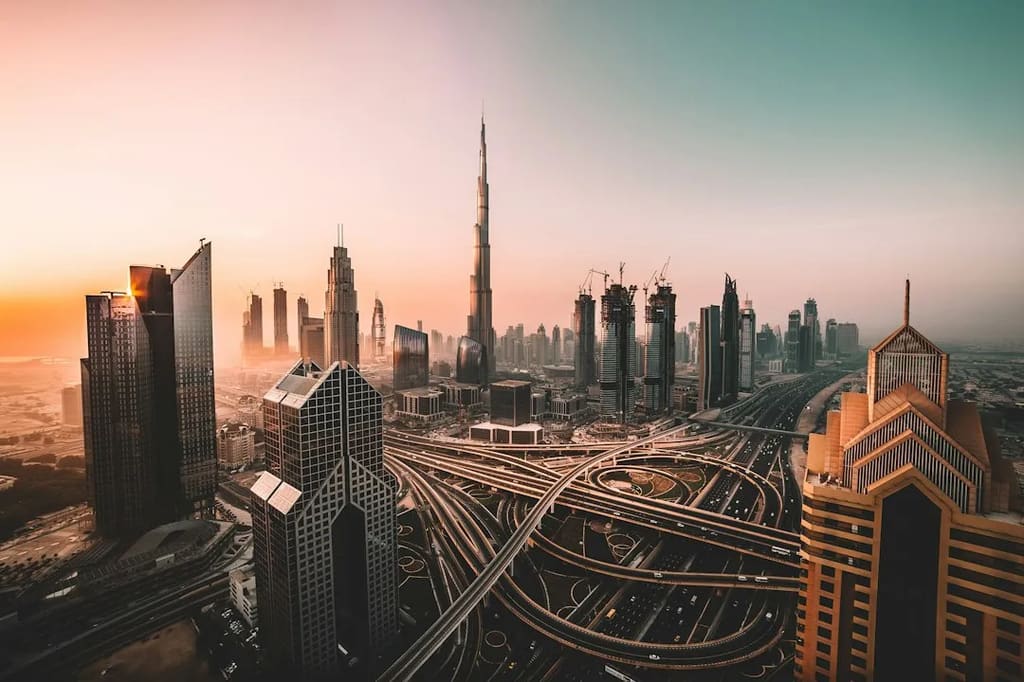
The UAE is one of the clearest examples of a gap between reputation and law. Prostitution is prohibited, and punishments include heavy fines and imprisonment, with foreign offenders typically deported[12]. A December 2025 reform made penalties for incitement, solicitation, or enticement to prostitution imprisonment for not less than two years and a fine[13].
Foreigners should note the immigration angle as well. Convictions under the amended law may carry deportation after the sentence is completed[14]. One travel guide also notes that sex outside marriage is technically illegal, though rarely prosecuted between consenting adults unless it is brought to police attention[15]. That is a risk that depends on luck, and it’s not something to plan around.
Online Services Are Not a Legal Loophole

Many travelers assume that arranging things through an app or a screen keeps them at a safe distance. Several legal systems have closed that gap on purpose. Sweden’s 2025 change is one example. The UAE is another, where its cybercrime law sets penalties for inciting or enticing someone to prostitution through a computer network of temporary imprisonment or a fine between Dh25,000 and Dh1,000,000[16].
Related Stories From Travelbinger

Messages, payments, and platform records can serve as evidence. If you’re abroad, local law governs what you do on a local network or while physically in the country. A conversation that would be shrugged off at home can become a criminal matter in the wrong jurisdiction.
Minors, Trafficking, and Laws That Follow You Home

This is the area with the least tolerance anywhere. In Thailand, sexual relations with a person under 18 in exchange for money are specifically criminalised, regardless of consent[10]. The UAE’s 2025 amendments set consent as unrecognised unless the person has completed 16 years of age[17], and raised penalties for offences involving minors.
Trafficking is a real risk even in places where adult sex work is legal or tolerated. A 2025 BBC documentary, Death in Dubai[12], examined exploitation of African women through prostitution rings there. Several countries, including the United States, also prosecute their own citizens for illicit sexual conduct with minors abroad, so an offence overseas can lead to charges at home. If something looks coerced or the person seems very young, walk away and contact local authorities.
Practical Steps Before You Travel
Start with the destination’s national law, then check local rules. Cities and regions can differ, as in the Netherlands, where rules are set by municipality[18], and in the United States, where prostitution is legal in parts of Nevada but remains illegal in most states[7]. Your own government’s travel advisory is a sensible place to confirm the basics, and laws change often enough that older guides can mislead.
Know that you are subject to local law from the moment you land. Keep your documents on you, avoid anything involving pressure or someone who seems unable to say no, and don’t take photographs of workers. If you’re stopped or arrested, ask for your embassy or consulate right away.