Wilmington, a Los Angeles neighborhood beside the Port of Los Angeles, sits on ground so level that water has little reason to move. Much of the area is paved or built over, and rain that lands on those surfaces runs toward the curb. The result can be standing water in gutters, yards and doorways well after the sky has cleared. The original report on the area’s drainage is available at ([1]).
A Modest Storm Can Overwhelm a Flat Street
Water follows slope, and a flat block offers almost none. A gutter with little fall carries runoff slowly, so a storm drain has to move that water along the street at a gentle grade. When rain arrives faster than the drain can clear it, the street becomes a temporary channel with no clear exit.
Pavement makes the problem worse. A grassed yard soaks up part of any rainfall, while a paved lot absorbs very little and sends almost everything to the nearest gutter. In a district where much of the ground is covered by lots, sidewalks and buildings, a moderate rain can deliver more water to a drain in a few minutes than the drain was designed to handle.
When the Tide Blocks the Exit
Storm drains near a harbor discharge toward the water, so their outlets depend on the sea level. When the tide rises, the water at the outlet climbs with it, and the drain cannot empty as quickly. Rain may be light, yet the street still fills because the water has no open route out.
The highest tides of the year, often called king tides, add to this pressure. They are ([2])the highest natural high tides of the year and are driven by the Earth, moon and sun rather than by storms. Because tide predictions are published well ahead, residents can mark those dates on a calendar. Heavy rain forecast for one of those days is the moment to clear drains and move belongings off the floor.
Why the Ground Floor Takes the Hit
On many ground-floor units, the threshold, door sweep or garage opening sits only a few inches above the street. That height is easily reached once water begins to pool. Once it enters, the water spreads across the floor and climbs the bottom of the walls, reaching carpet, baseboards, cabinet bases, appliance bases and the lower edge of drywall.
The visible damage is often the smaller part of the problem. Water that soaks into a wall at the bottom plate can travel up inside the cavity, and insulation can hold moisture long after the paint feels dry. A moisture meter can locate those hidden pockets, while a quick visual inspection usually cannot.
Concrete slabs add another complication. Many units in flat areas sit on a slab, which holds moisture and releases it slowly. Laminate, vinyl plank or carpet laid over a damp slab can trap that moisture underneath, and a floor that looks dry on the surface may still be wet below. Installing new flooring too soon is a common cause of a second problem weeks later, so a moisture reading before and after wetting offers a more reliable answer than appearance alone.
Spotting a Block That Collects Water
Several warning signs are visible on a dry day, and they tend to show how a particular street behaves in the rain:
- Gutters that still hold small puddles several days after rain has stopped
- Driveways or garage floors that slope toward the building rather than away from it
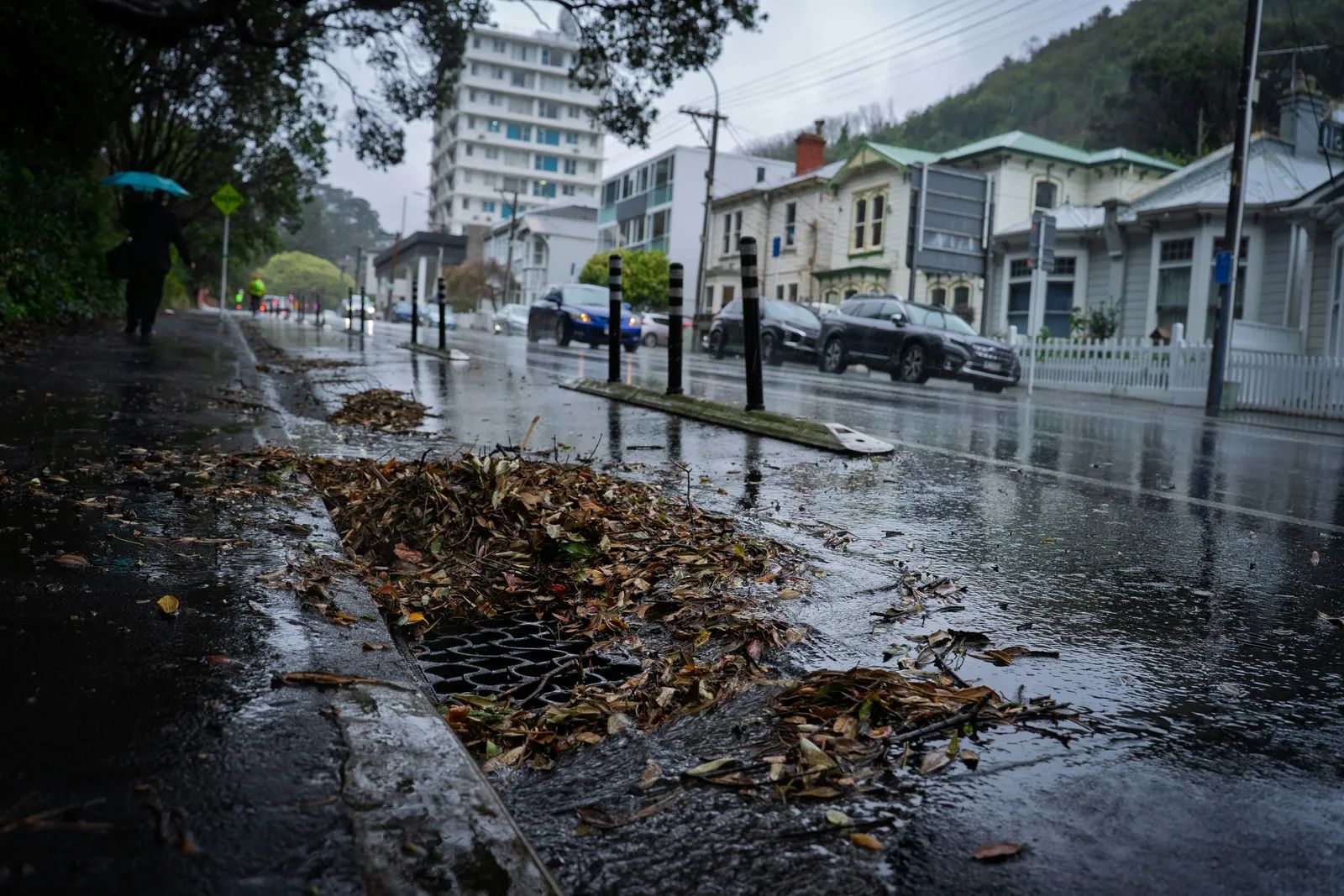
- Storm drains surrounded by leaves and debris
- Stains or water lines on garage walls, fences or low doors
How water arrives also matters. Water from a broken supply line is generally clean, but water that flows in from a flooded street is treated as contaminated under the standards set by the Institute of Inspection, Cleaning and Restoration Certification. Clean water can shift into a worse category if it sits for a day or two or crosses a soiled surface, so the classification assigned on the first day is only a starting point.
The Clock Starts Early
Speed is the most practical defense. The Environmental Protection Agency advises that ([3])water-damaged areas and items be dried within 24 to 48 hours to prevent mold growth. On a flat block where many homes were affected at once, getting drying equipment to the right address in time can determine whether a unit stays within that window.
Related Stories From Travelbinger



Renters have a role as well. A tenant who reports the damage to the property manager or landlord promptly, and in writing, creates a clear record. Standing water has to be removed first, because drying equipment does not pump water out of a room.
What matters now: Flat ground is a fixed feature of the site, and water behaves accordingly. Tides, paved surfaces and low thresholds explain why a small storm can cause a large problem. Clearing drains before wet weather and knowing when the highest tides arrive are simple steps that can shorten a cleanup.
The neighborhood’s geography will not change, but its risks are predictable. Residents who understand how the tide, the pavement and the slope work together can act before the next rain begins rather than after the water has already reached the front door.