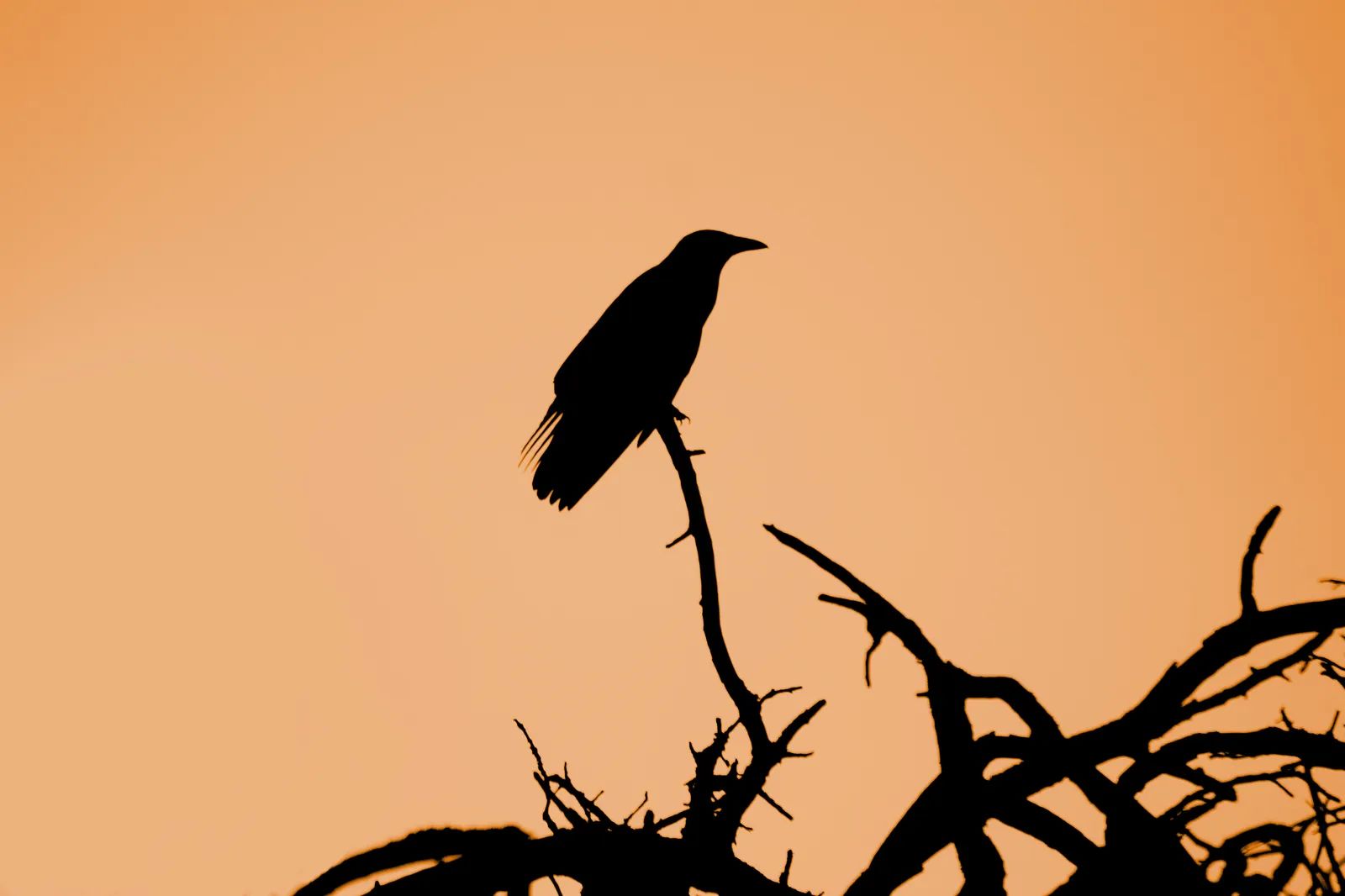
Each year, around the Hindu festival of Diwali, which is also called Deepavali, Nepalis observe Kaag Tihar, a day set aside for worshipping house crows as divine messengers. The tradition gives the bird a rare kind of reverence. Yet in the capital, the crow’s surroundings are shifting fast, and Mongabay’s Gobinda Pokharel has reported on how those changes are testing the relationship between people and the birds ([1]).
A Festival Built on an Everyday Bond
Worshipping a crow can seem unusual to outsiders, but the practice rests on a long and familiar closeness between people and the bird. Kaag Tihar gives that closeness a formal place on the calendar. The question now is whether the city around the festival still leaves room for the birds that the day honors.
Kathmandu has grown quickly in recent decades. Satellite analysis cited in the reporting shows the city’s urban build-up area expanded by 124% between 1989 and 2018. A separate study found that municipal green space fell by 54% between 1975 and 2025. Those figures describe a city where concrete has steadily replaced the open ground and gardens that once gave birds room to live.
Roads Without Trees, Nests on Wires
The loss of trees has been especially visible along major routes. According to a 2024 study led by Tribhuvan University researcher Dinesh Bhusal, the removal of more than 2,000 mature trees along thoroughfares such as the Kathmandu Ring Road has pushed house crows, known scientifically as Corvus splendens, to build nests on utility poles and electrical wires. For a bird that once relied on established canopy, the move to steel and cable represents a sharp change in where it lives and raises.
Hem Bahadur Katuwal, a bird ecologist at the Xishuangbanna Tropical Botanical Garden of the Chinese Academy of Sciences, described the broader pattern in blunt terms.
“When old and large trees are cut down, specialist birds lose their habitats.”
He added that the loss tends to favor generalists, species able to tolerate almost any setting. Crows fit that description well. Their ability to adapt is part of why they remain visible in the city, even as the species that depended on mature trees become harder to find.
Waste That Draws a Crowd
Trees are only part of the picture. Kathmandu’s unmanaged refuse also shapes where birds gather. Open dumping along riverbanks and uncovered trash outside meat shops offer a steady supply of food. That supply has drawn dense groups of crows and black kites, known as Milvus migrans, into areas where people and birds meet at close range.
Kamal Raj Gosai, an ornithologist and associate professor at Tri-Chandra Multiple Campus of Tribhuvan University, linked the unusual rise in crows and kites to the city’s waste. He pointed to large quantities of discarded food and exposed scraps from meat shops as major contributing factors. The result is a relationship that is no longer only about tradition. It is also about how the city handles what it throws away.
Related Stories From Travelbinger


A Sacred Day in a City in Transition
Kaag Tihar still carries its meaning for many Nepalis, and the reporting does not suggest the festival is fading. What has changed is the setting. Fewer mature trees, less green space and more exposed waste have reshaped the birds’ daily routines in the capital, and the same forces that make the crow a common sight also raise questions about the city it shares with people.
For visitors interested in Nepal’s culture, the festival offers a window into a tradition that treats an ordinary bird with unusual respect. For residents and planners, the same story points to a practical challenge. Protecting that respect may depend on decisions about trees, open space and garbage collection, not only on the ritual itself.