
Ask a Canadian where they’re headed this year, and the answer is more likely to involve a provincial highway than a passport line. The shift didn’t happen overnight, but by late 2026 it has settled into a pattern that’s easy to see in the data.
Surveys, federal statistics and booking trends all point in a similar direction, though not always in the same way. Here’s a look at where Canadians are actually going, what’s drawing them there, and how much of it is about habit versus price.
Home Tops the Wish List

A national YouGov survey commissioned by Flight Centre Canada found that 37% of respondents put a domestic trip at the top of their 2026 wish list[1], which is just over a third. The same survey showed the United States sitting at the bottom, with only 8% naming a US trip as their top travel goal[1], fewer than one in ten.
The mood behind those numbers is fairly clear. More than four in ten Canadians say a “Canada Strong” mindset will define how they travel in 2026[2], and roughly six in ten said they were less likely to travel south this year[1]. Europe came in second as a top choice, with one in four Canadians placing it first[2].
Summer Plans Stayed Close to Home

Leger’s June 2026 travel intentions report found that fifty-six percent of Canadians planned a leisure trip this summer, basically unchanged from the year before and up nine points from summer 2024[3]. Among those travelers, seventy-seven percent intended to travel within Canada, up from sixty-nine percent in summer 2024[3].
Ontario matched the national figure on domestic plans, with travel split almost evenly between in province trips and trips elsewhere in Canada[3]. Cost was a real factor, too. Roughly seven in ten Canadians said gas prices were hurting their summer leisure plans[3].
What Statistics Canada Counted

Official numbers back up the surveys. In the first quarter of 2026, Canadian residents took 78.7 million trips within Canada and abroad, up 1.5% from the same period in 2025[4]. Of those, 69.1 million included a domestic visit, a rise of 2.3%[4].
Most of that activity was short. About 48.8 million of the domestic trips were same day visits, while 20.4 million were overnight stays, which dipped slightly[5]. Even so, domestic spending reached $14.5 billion, up just over five percent[4].
Atlantic Canada and British Columbia Lead the Pack

When Canadians pick a region at home, the coasts stand out. In the Flight Centre survey, Atlantic Canada led domestic options at 16%, followed by British Columbia at 12%[1]. That’s roughly one in six and one in eight respondents.
On the West Coast, one travel agency noted that Vancouver Island and Ucluelet are drawing Canadians who want rugged coastal scenery and cooler summer temperatures[6]. It’s an agency’s observation rather than hard national data, but it fits the broader appetite for ocean and mountain scenery.
Banff, Lake Louise and the Canada Strong Pass

The Rockies remain a reliable draw. Flight Centre reports that Banff and Lake Louise stay perennial favourites, particularly in August, helped by free national park access and discounted VIA Rail travel[1]. That access came through the Canada Strong Pass.
The 2026 edition ran from June 19 to Sept. 7[7], with free entry to all Parks Canada sites and a quarter off camping fees[7]. Last summer’s version appears to have worked. Canadian Heritage said it led to a 13 per cent increase in visits to Parks Canada sites and a 6.5 per cent increase in VIA Rail ridership[7]. Provincial parks weren’t covered, though, so it’s worth checking who runs the park before you go.
City Breaks Are Growing Too

Not every domestic trip involves a tent. Tourisme Montréal reported that 8.8 million domestic visitors came in 2025, up 10% from 2024, as part of 11.9 million total visitors[1]. That’s a strong sign that urban weekends are pulling their weight.
Search data points the same way. Kayak noted that domestic flight interest was up 12% compared with 2025[8], based on searches made in 2025 for travel in 2026. It also found that domestic hubs like Vancouver and Calgary were trending cheaper for summer[8], which helps explain some of the appeal.
The Road Trip Is Back in Charge

With flights costing more for many people, driving has become the practical choice. A Turo survey, which comes from a car sharing company, found that seventy-seven percent of respondents planned to travel the same or more this summer than last[9]. It also reported that eighty-nine percent prefer budget or middle priced options[9].
Budgets vary by province. In Ontario, where trips tend to be shorter and closer to home, 28% of road trippers budget under $1,000[9]. Albertans, by contrast, were more likely to plan big spending, with about one in four expecting to spend $5,000 or more.
How Age Shapes the Itinerary

Generations don’t agree on where home ranks. Among baby boomers, forty-five percent put domestic travel first, compared with twenty-five percent of Gen Z[2]. Turo’s numbers show a similar gap, with sixty percent of Gen Z planning to travel within Canada, against sixty-nine percent of millennials[9].
Related Stories From Travelbinger



Younger adults are also traveling more, not less. Leger found that sixty-five percent of Canadians aged 18 to 34 planned to travel this summer[3], with higher interest across several destination types than a year earlier.
The Pullback From the United States
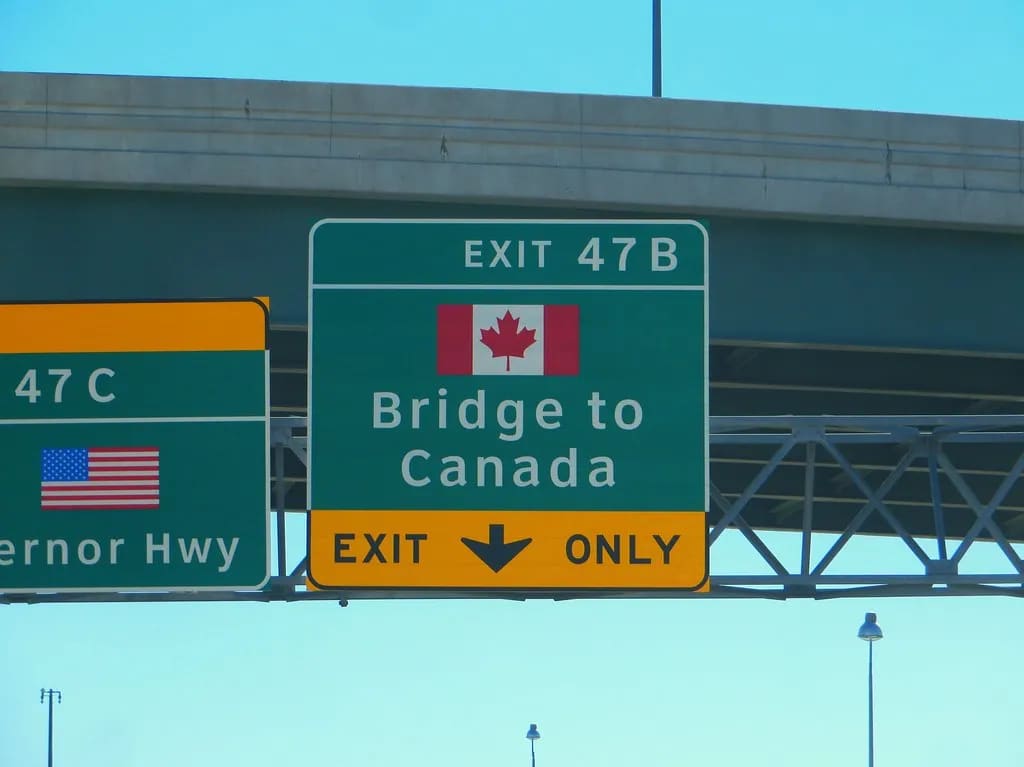
The domestic story is partly a story about the border. Axios, citing a Canadian government report, said Canadian travel to the U.S. fell 25% last year[10]. Statistics Canada put the shift in trip terms: 7.1 million fewer trips to the U.S. in 2025 were offset by 5 million more domestic trips and 1.3 million additional overseas trips[10].
The decline carried into 2026. In March, Canadian residents returned from 2.6 million trips to the United States, a 6.4% drop that marked the 15th consecutive month of year over year decline[11]. Compared with early 2024, the gap was larger still: February 2026 trips were down 27.1% from February 2024[12].
Where Things Stand Heading Into Winter

The picture has softened a little by the end of the year. Travelweek reported that October 2026 marked the seventh consecutive month of year over year growth in cross border travel, with 1.9 million Canadian return trips from the United States by car or air[13]. A winter survey found that the U.S. narrowly reclaimed the top winter destination spot at 15%, with travel within Canada at 14% and the Caribbean at 10%[13].
Gen Z looks likely to lead that modest rebound, while older snowbirds remain largely on the sidelines. Airalo’s data on outbound travel through August shows that the U.S. remained a top destination for Canadians in 2026 despite tariff woes and boycotts[14], even as Airalo attributed a drop in interest to tariff disputes and political rhetoric[14].