


Canada is big enough that two cities can feel like different countries. One has a rainforest at its edge, and another has stone ramparts older than most of the United States. Planning a trip means choosing between very different kinds of beauty.
The ten cities below cover both coasts and the stretch between them. Each one is picked for what you can actually see and do there, and the details come from tourism boards, heritage bodies and official sources.
Vancouver, British Columbia
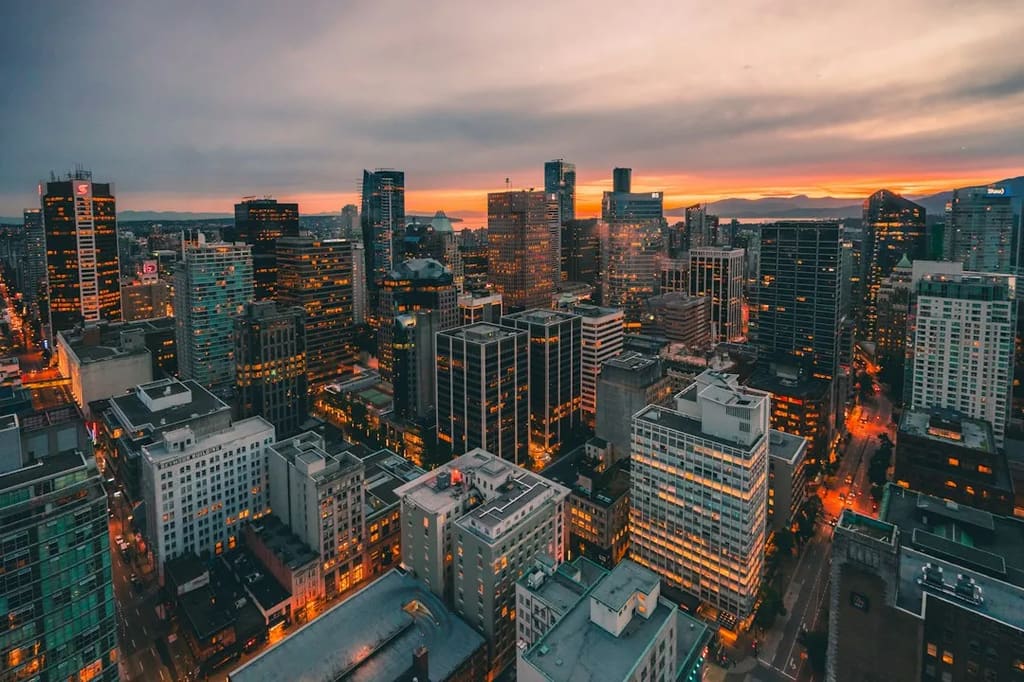
Few big cities keep a forest this close to downtown. Stanley Park is a 405 hectare temperate rainforest peninsula wrapped around the western edge of downtown.[1] The best way to see it is the seawall, which runs about nine kilometres and takes two to three hours to walk.[2]
The seawall is a layered piece of civic history. The first stone retaining walls went up along the waterfront in 1917, and the final section around the park was completed in 1980.[2] Together, the Seawall paths reach 28 kilometres.[2] Along the route you get views of the city, the North Shore mountains and the open water.
Victoria, British Columbia
Victoria sits on Vancouver Island, and the trip over is part of the appeal. A 90 minute BC Ferries crossing through the Gulf Islands is followed by a quick drive into the provincial capital.[3] The Inner Harbour is the centre of town, with the Parliament Buildings and the historic Fairmont Empress Hotel[4] facing the water.
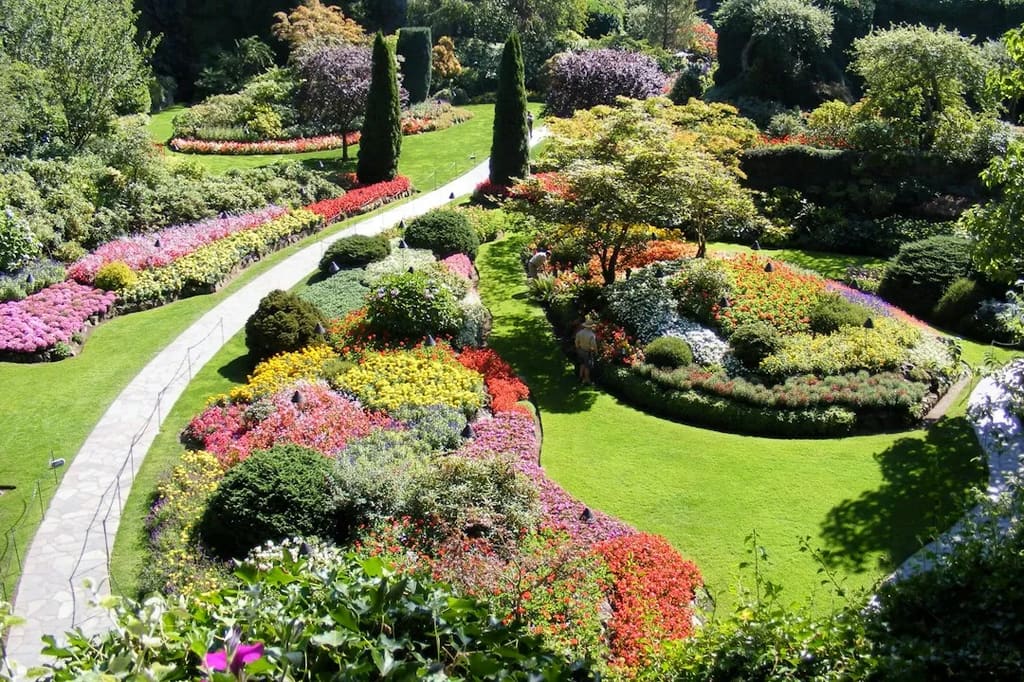
Gardens are the other draw. Butchart Gardens covers 55 acres of themed gardens about 30 minutes north of downtown.[3] It was started in 1904 in the basins left by a former cement plant,[5] and it has been designated a National Historic Site of Canada.[4] A day trip works, though one guide cautions that squeezing in every attraction is too much and suggests picking three or four.[6]
Toronto, Ontario
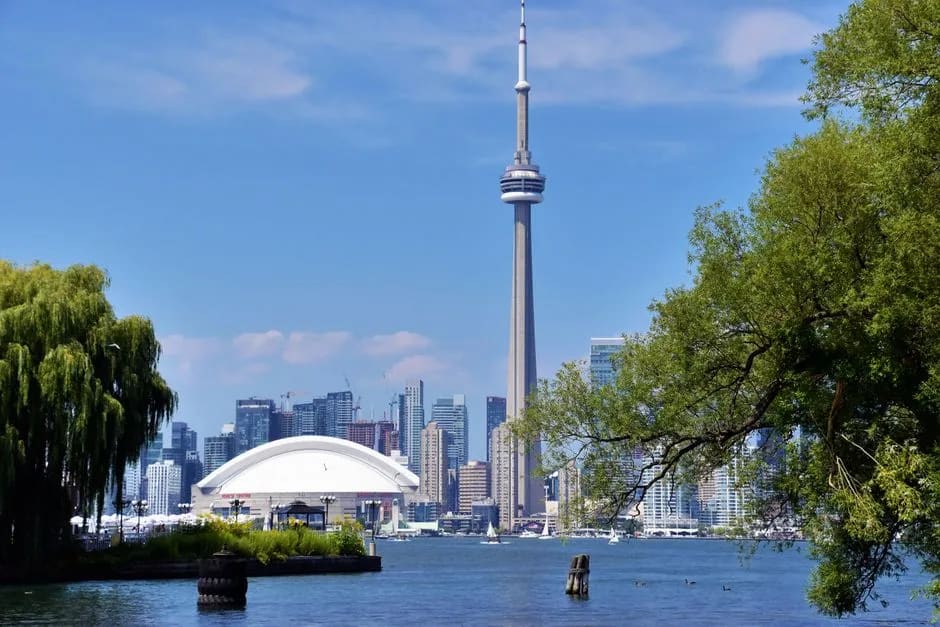
Toronto’s skyline is easy to spot because of the CN Tower, which stands 553 metres tall and was completed in 1976. It held the record as the world’s tallest freestanding structure until 2007, when the Burj Khalifa took over. From the observation levels you can see across the city to Lake Ontario on a clear day.
For something slower, take the short ferry from the downtown waterfront to the Toronto Islands. The car free islands offer beaches, bike paths and a view back at the skyline. Back on the mainland, the Distillery District is worth an afternoon. It is a pedestrian only quarter of brick lanes and Victorian industrial buildings from the old Gooderham and Worts distillery, now filled with galleries, cafés and shops.
Ottawa, Ontario
Ottawa is at its most photogenic along the Rideau Canal. UNESCO inscribed the canal as a World Heritage Site in 2007, and it runs right through the city centre. In winter the frozen canal becomes the Rideau Canal Skateway, a skating route of roughly eight kilometres that Guinness has recognised as the largest naturally frozen skating rink in the world.
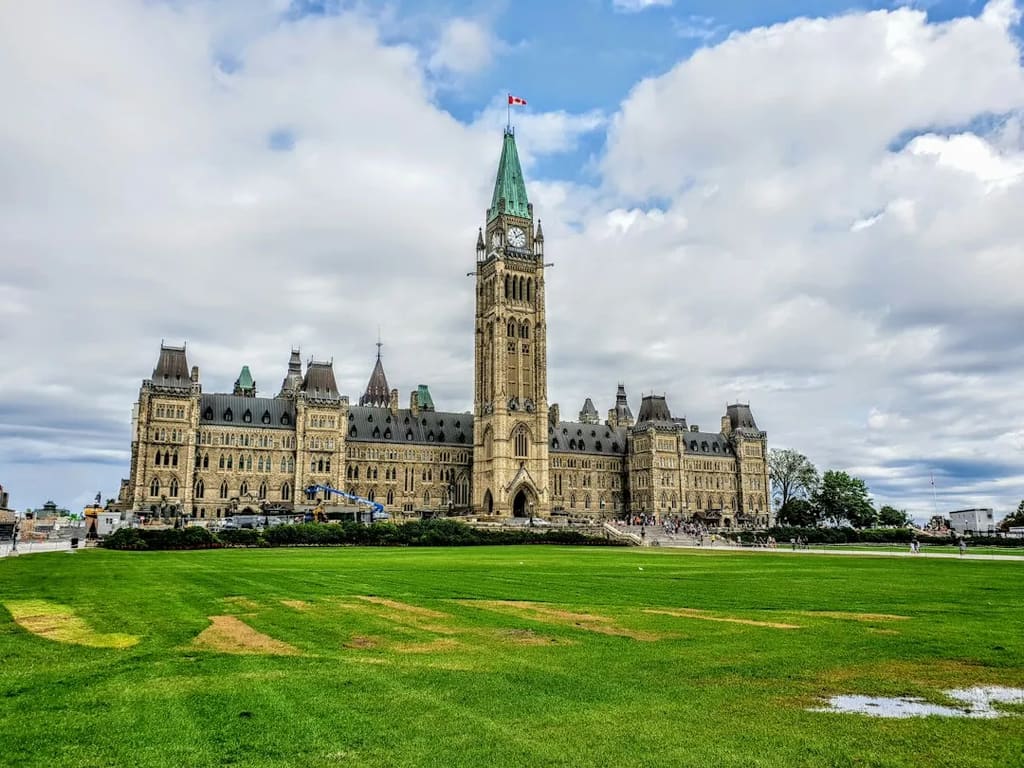
Parliament Hill gives the capital its Gothic Revival silhouette above the Ottawa River. The Centre Block has been closed for a long restoration, so check which tours are running before you go. In May the Canadian Tulip Festival fills the city’s parks with blooms, a tradition that grew out of tulip bulbs sent by the Dutch royal family after the Second World War.
Kingston, Ontario
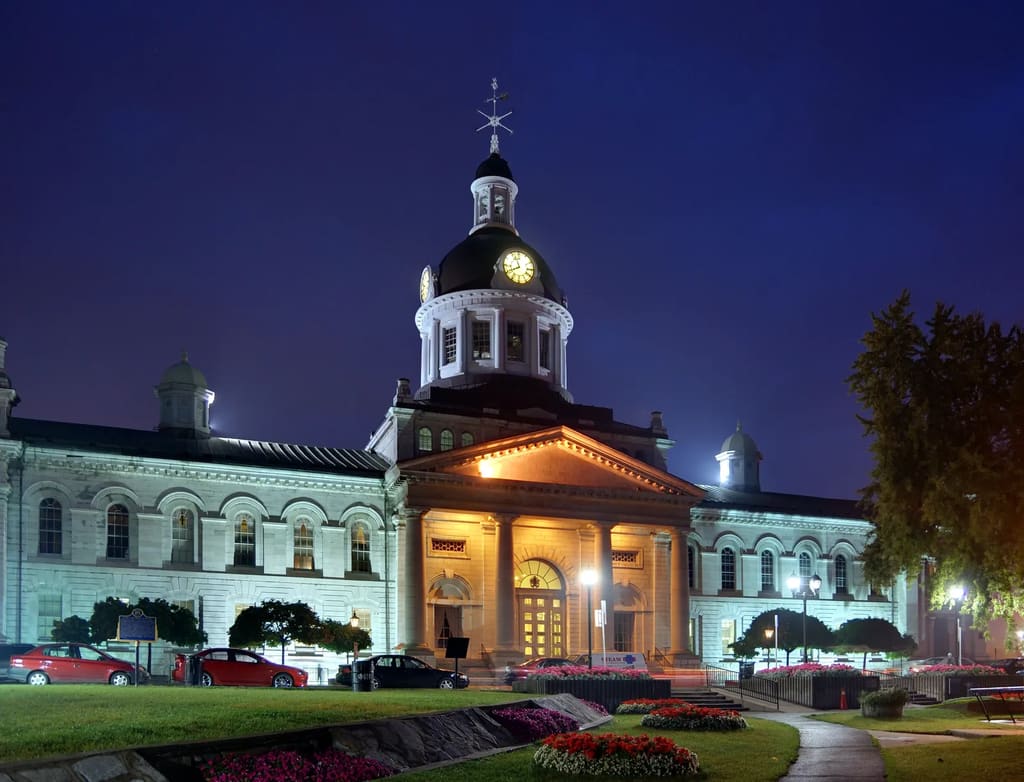
Kingston goes by the Limestone City, and the name fits. Its grey stone City Hall and downtown buildings date mostly to the nineteenth century. The city was the first capital of the Province of Canada, from 1841 to 1844, which explains the grand civic architecture for a place of its size.
Fort Henry, built from 1832 to 1837, overlooks the harbour and is part of the same UNESCO listing as the Rideau Canal. Out on the water, Lake Ontario meets the St. Lawrence River at the edge of the Thousand Islands. Cruises leave from downtown, so you can pair a morning among the islands with an afternoon on the waterfront.
Montreal, Quebec
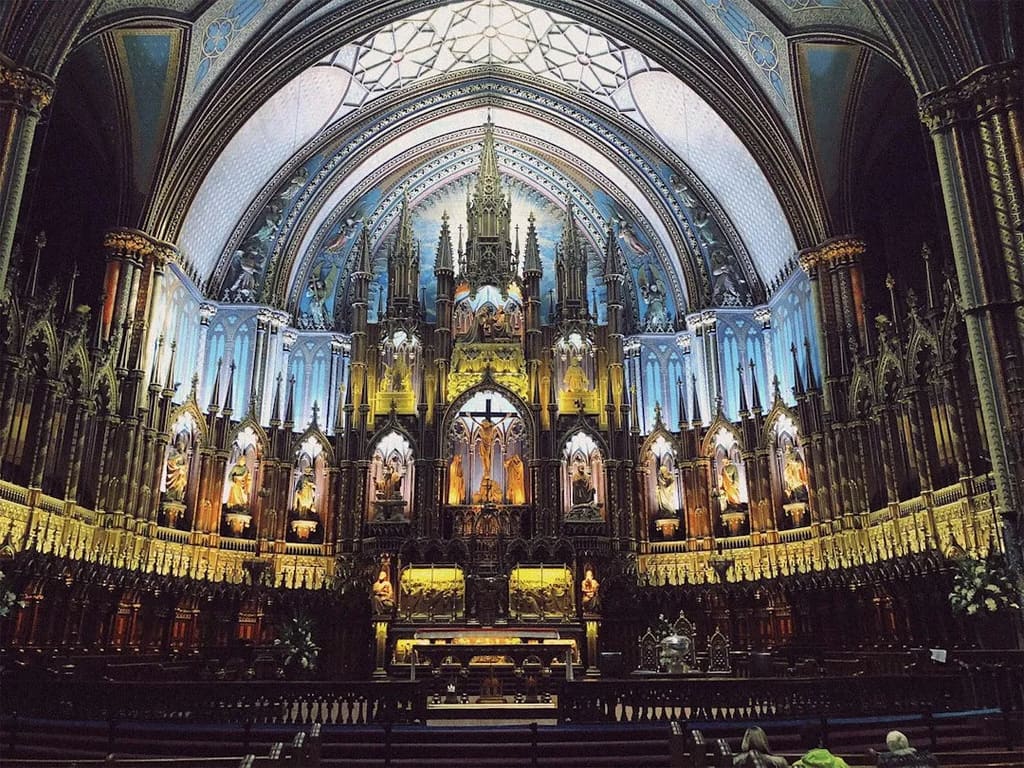
Montreal mixes European streets with a North American pace. Old Montreal has cobblestone lanes and stone warehouses near the St. Lawrence River. At its centre is the Notre Dame Basilica, which opened in 1829 and is known for a deep blue interior scattered with gold stars.
Above downtown rises Mount Royal, the hill that gave the city its name. The park on its slopes was designed by Frederick Law Olmsted, the landscape architect behind New York’s Central Park, and opened in 1876. A walk to the lookout shows you the whole island city, and it is an easy way to get your bearings on a first visit.
Quebec City, Quebec
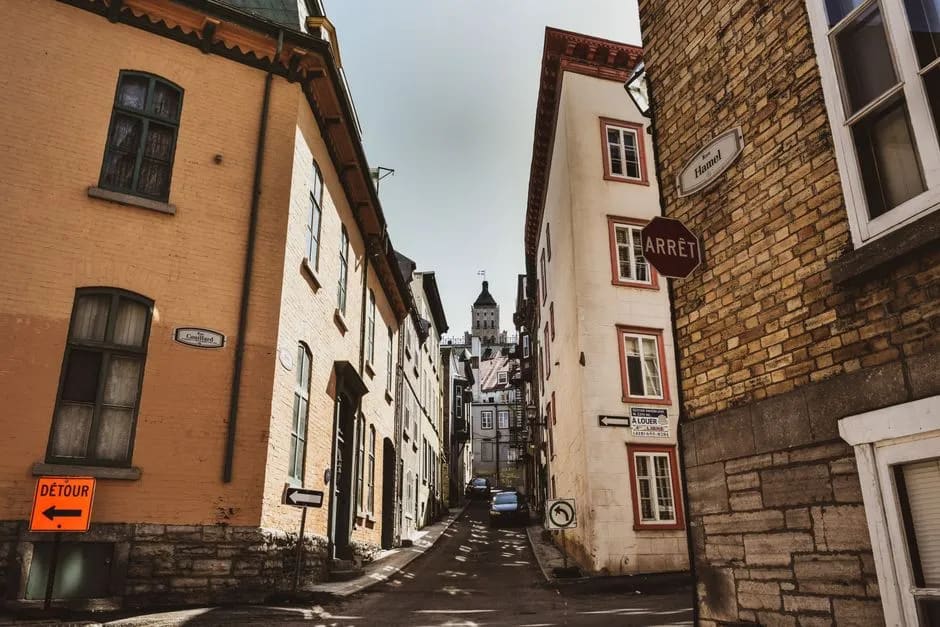
Quebec City feels older than anywhere else on this list, and the records back that up. Samuel de Champlain chose the site for his first Abitation in 1608.[7] It is the only North American city to have preserved its ramparts, along with bastions, gates and defensive works.[8] UNESCO added Old Québec to the World Heritage List in 1985.
The historic district is compact, about 135 hectares in total.[7] That makes it easy to cover on foot, from the walls of the Upper Town down to Petit Champlain, one of the oldest shopping streets in North America.[9] The star shaped Citadel is also worth a stop, as the British fort was built between 1820 and 1850.[10]
Halifax, Nova Scotia
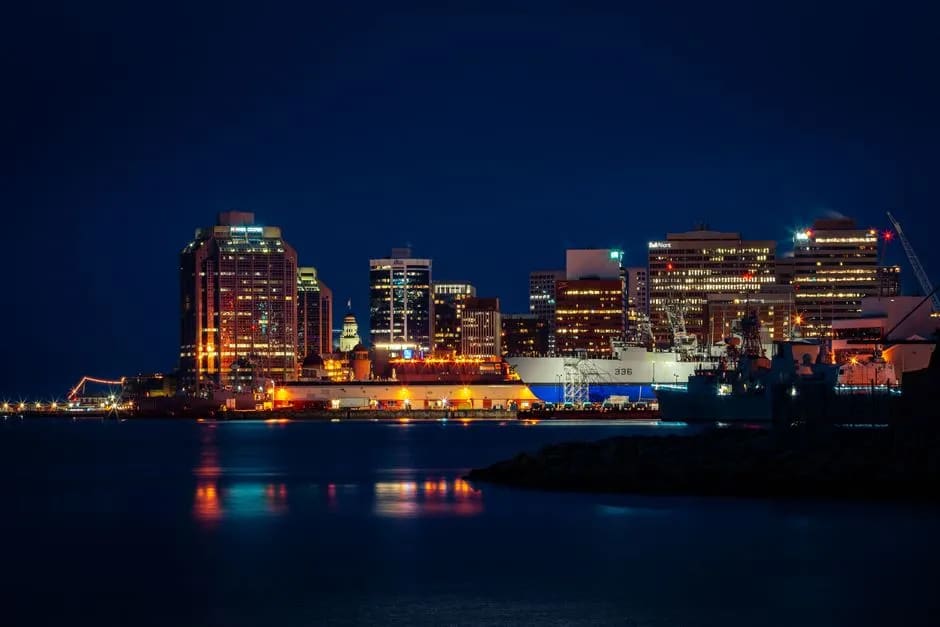
Halifax is a harbour city with a human scale. The paved waterfront boardwalk stretches about four kilometres along the harbour.[11] Along the way you pass the Canadian Museum of Immigration at Pier 21, where around a million immigrants arrived in Canada.[12]
Related Stories From Travelbinger



Above downtown, the star shaped Citadel has stood guard over Halifax since 1749.[13] The usual advice is to walk the boardwalk, then climb to the Citadel for the noon gun at 12:00 PM.[14] Peggy’s Cove, with its lighthouse on granite rock, sits less than an hour’s drive away.[15] Nova Scotia’s tourism guide suggests two to three days as the sweet spot for a first visit.[14]
Charlottetown, Prince Edward Island
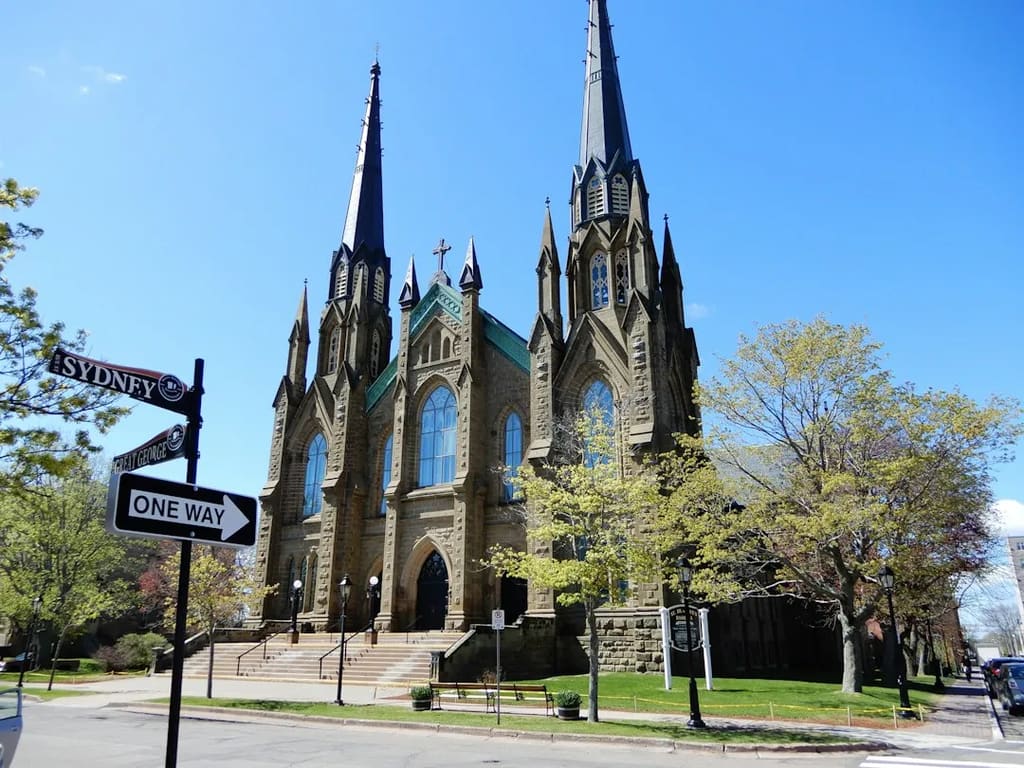
Charlottetown is small and easy to like. Its place in Canadian history is out of proportion to its size, because the 1864 Charlottetown Conference was the first of the meetings that led to Confederation in 1867. Province House, where the delegates met, still stands downtown, and the city bills itself as the Birthplace of Confederation.
The waterfront and the lanes of Victoria Row are pleasant for strolling, with seafood restaurants and live music in summer. Fans of Anne of Green Gables can reach the Cavendish area, home of the Green Gables heritage site, in under an hour by car. Island scenery of red soil and green fields begins almost as soon as you leave town.
St. John’s, Newfoundland and Labrador
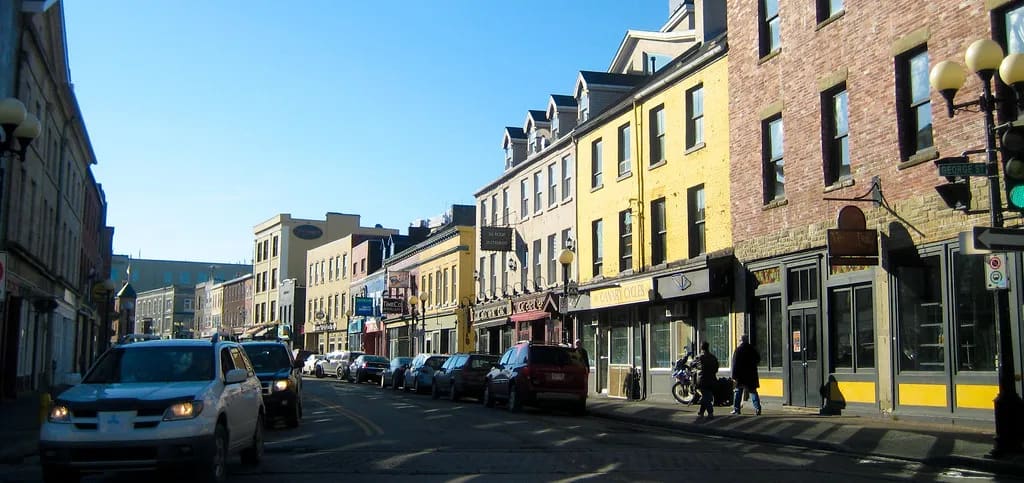
St. John’s is known for Jellybean Row, the rows of brightly painted houses that climb the hills above the harbour. It is one of the oldest settled cities in North America, and the steep streets and narrow harbour entrance still shape how it looks. Downtown, George Street is the place for pubs and live music in the evening.
Signal Hill, at the harbour mouth, carries real weight in the history of communications. Guglielmo Marconi reported receiving the first transatlantic wireless signal there in December 1901, and Cabot Tower, built in 1897, sits on the summit. A short drive away, Cape Spear is the easternmost point in North America, which makes a fitting stop for sunrise.