Retirement planning might sound simple until you start looking at your savings account and comparing it to housing costs across the country. That moment when the numbers don’t quite add up? It’s familiar to millions of Americans approaching their golden years. You’ve worked hard, saved diligently, yet somehow coastal cities and trendy retirement spots feel completely out of reach.
Here’s the thing though. Affordable retirement doesn’t mean sacrificing quality of life. Some cities offer reasonable housing, welcoming communities, and plenty to do without draining your nest egg. Whether you’re on a fixed income or simply want your savings to last longer, there are places where retirement living costs make sense. Let’s explore where your retirement dollars stretch the furthest while still giving you a lifestyle worth enjoying.
McAllen, Texas

McAllen, Texas and the surrounding area is one of the best places for retirees, with home prices in the low-to-mid $200,000’s and quality of life that’s surprisingly high. This southern Texas gem sits right near the Mexican border, offering a unique cultural blend you won’t find elsewhere.
Zillow listed an average McAllen home value in October 2025 at $222,873, with the median monthly mortgage cost around $844, while in neighboring Edinburg the average is $210,392, and in Mission it’s $216,352 – considering the national average is $360,727, the savings are clear. The area attracts what locals call “Winter Texans,” seasonal residents who escape harsh northern winters for warmth and sunshine. McAllen offers assisted living costs averaging around $3,100-$3,800 per month, and extensive medical facilities serve both local residents and international patients.
Honestly, if you enjoy birdwatching or cultural festivals, this place delivers. The region celebrates its Hispanic heritage regularly, and outdoor lovers will appreciate the subtropical climate that keeps things warm year-round.
Fort Wayne, Indiana

Fort Wayne, located in northeastern Indiana, has a low cost of living and affordable housing options, plus a variety of cultural attractions including museums, theaters, and festivals, as well as excellent healthcare options. It’s a city that doesn’t get enough attention when retirement discussions come up.
The median home listing price for a house in Fort Wayne is about $170k, which is well below the national average. Fort Wayne is among the most affordable places to live in the state and nation, with a cost of living that falls about 18% below the U.S. norm and 2% below Indiana’s average, which impacts assisted living costs and may make the city a practical option for those seeking long-term care on a budget.
The city has a strong sense of community, plenty of local festivals, and access to big sporting events. Indiana also provides tax benefits for retirees, particularly exempting Social Security from state taxes.
Huntsville, Alabama

Known as “Rocket City” due to its space industry heritage, Huntsville offers more than just NASA history. With a cost of living 8% lower than the national average and housing costs nearly 28% lower, Huntsville is an affordable retirement destination, plus Alabama doesn’t tax Social Security benefits, helping retirees stretch their savings further.
According to U.S. News & World Report, the state of Alabama is incredibly friendly for retirees because it doesn’t tax Social Security benefits, excludes traditional pension payments from taxable state income, has low property taxes and has one of the lowest sales tax rates in the country around 4%. The weather stays moderate compared to states further north, and winters remain mild enough to avoid harsh snowstorms.
Huntsville, Alabama is a fantastic place to retire, with cost of living below the national average and quality of life that’s outstanding, while the community boasts an abundance of restaurants, entertainment, and retail options along with the natural beauty of parks, trails, and greenways. If you value a mix of southern charm and modern amenities, Huntsville delivers both.
Knoxville, Tennessee

Tennessee consistently ranks among the most tax-friendly states for retirement, and Knoxville exemplifies why. Tennessee is tax-friendly for retirees in large part because they don’t levy any kind of state income tax, which means your Social Security and private or public pension income is tax free, as are withdrawals from retirement accounts like 401(k)s or IRAs, and if you’re working a full- or part-time job, that income will be tax free, as will other income from investments or property.
The city sits within reach of the Great Smoky Mountains, offering endless outdoor recreation without the tourist crowds of Gatlinburg. Best cities for affordability include Chattanooga, Knoxville, and Murfreesboro. You’ll find vibrant arts scenes, college football culture from the University of Tennessee, and healthcare facilities that serve the region well. Let’s be real, the lack of state income tax alone makes Tennessee attractive, and Knoxville combines that benefit with reasonable housing costs and four-season beauty.
Des Moines, Iowa

For retirees looking to live in a big city on a small budget, Des Moines is a good choice, as affordability is just one reason the Milken Institute ranked the state capital among the 100 large U.S. metro areas for successful aging in 2025, and Des Moines also boasts a strong economy and plenty of health care facilities specializing in aging-related services.
The city offers cultural attractions like botanical gardens, sculpture parks, and museums. Iowa is highly tax-friendly for retirees, exempting Social Security benefits from state taxes, and residents age 55 and older are also exempt from paying state taxes on retirement income, including distributions from 401(k)s, IRAs, pensions, and annuities. If you appreciate Midwestern values and friendliness, Des Moines provides that atmosphere without the isolation of smaller rural towns.
Fayetteville, Arkansas
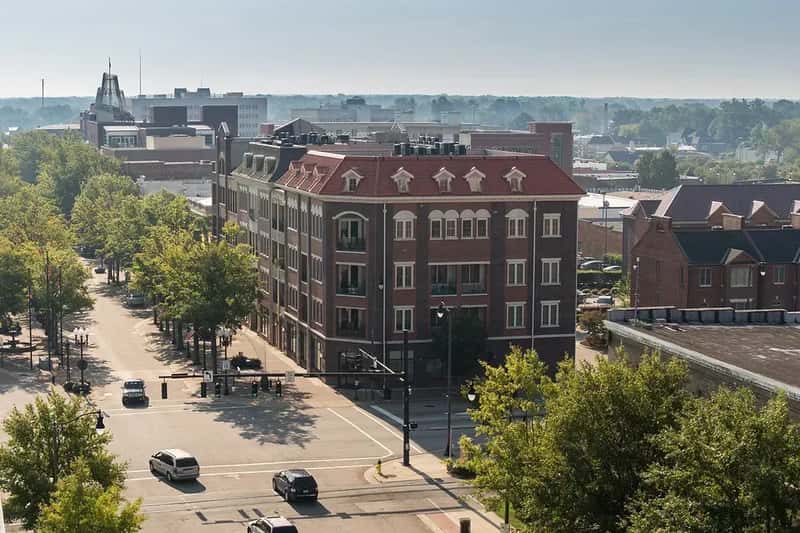
The metro area of Fayetteville, which includes Springdale, Rogers and Bentonville, offers low costs but plenty of attractions, with the surrounding Ozark Mountains affording residents outdoor recreation and natural wonders to enjoy, while the downtown area, home to the University of Arkansas, provides restaurants, shops and a lively music and arts scene, including the Walton Arts Center, and locals seem happy with what they have at their fingertips, with residents reporting high levels of liking where they live, feeling safe and having pride in their community.
The region benefits from being home to Walmart’s headquarters in nearby Bentonville, which has brought economic stability and cultural investments to the area. You’ll find lower housing costs compared to other university towns, along with access to hiking trails and natural beauty.
Oklahoma City, Oklahoma

The Motley Fool’s analysis ranked Tennessee, Kansas, South Dakota, Missouri, and Oklahoma as the most affordable states for retirees based on overall cost of living scores. Oklahoma City stands out as the largest metro in the state offering retirement affordability.
The biggest city in the Sooner State has low living costs, with housing-related expenses particularly affordable, showing a median home value of $203,240 compared to a state average of $216,292 according to Zillow, and a private room in a nursing home costs a median $7,756 per month, compared with a median $10,646 per month for the U.S. according to Genworth. The city has grown substantially over the past decade, adding entertainment districts, better restaurants, and a revitalized downtown that makes it feel less like you’re settling and more like you’re choosing quality.
Lafayette, Louisiana
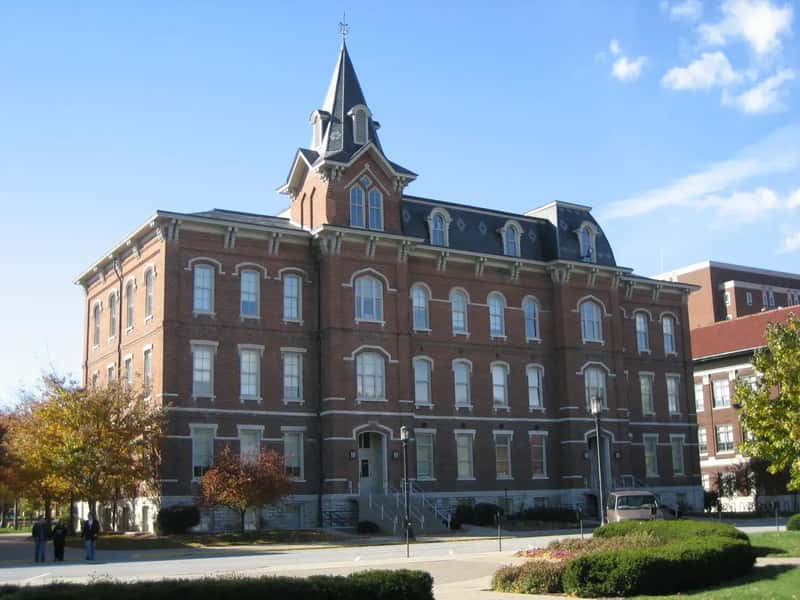
Lafayette is known as the “Cajun Capital City” and is rich in history, distinctive foods, two-stepping tunes and, of course, Cajun and Creole culture. If you appreciate unique regional culture and amazing food, Lafayette might be your retirement paradise.
The cost of living remains below national averages, particularly for housing. Nature lovers have plenty to appreciate in the area, as Lafayette is located on the Mississippi Flyway and the Atchafalaya Loop of America’s Wetland Birding Trail, offering an abundance of wildlife to observe. The festivals here are legendary – from crawfish boils to music celebrations – and the community welcomes newcomers with genuine warmth. It’s hard to say for sure, but Louisiana’s cultural richness might just make up for its higher humidity levels if you can handle the climate.
Columbus, Ohio

Columbus offers something unique as a state capital with a major university. Home to Ohio State University, locals can enjoy the co-ed culture including big sporting events, concerts and cultural diversions, and it also offers Program 60, which invites Ohio residents age 60 and older to take university courses for free, while off campus, the downtown area has a lively scene with an eclectic mix of shops, galleries and restaurants.
The cost of living sits below many comparable cities, and neighborhoods like Short North and German Village provide walkable, charming areas with local character. Healthcare access is excellent with multiple hospital systems throughout the metro. Ohio winters can be tough if you’re not used to snow, though the city handles winter weather efficiently. The free university courses alone make this destination worth considering if you value lifelong learning without the expense.
What surprised you most about these locations? Many people assume affordable retirement means rural isolation or giving up amenities, yet these cities prove otherwise. From cultural festivals in McAllen to free university courses in Columbus, affordable doesn’t mean boring. It means smarter choices that let your retirement savings work harder for you. What matters most is finding a place that fits your lifestyle, budget, and vision for these years you’ve earned.