There’s something oddly exciting about checking into a hotel room in a foreign country. You drop your bags, kick off your shoes, and let that brief rush of “I made it” wash over you. But that same moment of blissful relaxation is exactly when most tourists start making avoidable, sometimes costly, sometimes dangerous mistakes.
Honestly, a lot of these errors aren’t obvious at all. They’re the kind of thing nobody thinks to warn you about until it’s too late and you’re staring at a checkout bill that’s triple what you expected, or waking up to find your phone has been compromised. So before your next trip, let’s go through what’s actually happening inside those hotel rooms. Let’s dive in.
1. Putting Your Luggage on the Bed the Moment You Walk In
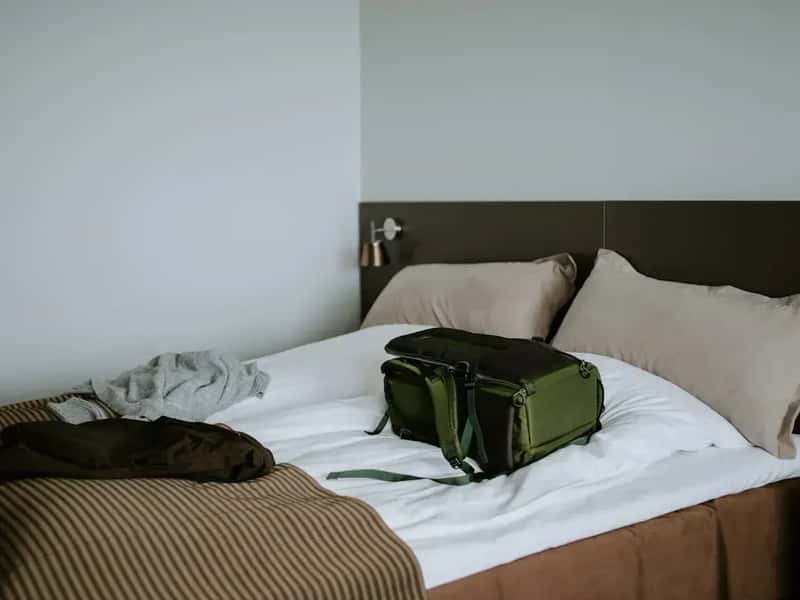
It feels completely natural. You open the door, wheel in your suitcase, and toss it on the nearest flat surface, which usually happens to be the bed. Travel experts are clear: when you check in, you should not put luggage on the hotel bed, because bed bugs can be rife in hotels purely because of how many people pass through them. It’s one of those things that sounds paranoid until it happens to you.
In 2024, The Sleep Doctor released a survey detailing just how widespread the problem really is. According to the data, roughly one in seven U.S. travelers had a bed bug experience while traveling, and they weren’t necessarily staying in budget motels. In fact, nearly a fifth of reported encounters came from five-star hotels. That should stop you in your tracks.
The smart move is to use the luggage rack provided, or place bags in the bathtub while you do a quick check of the mattress seams and headboard. Hotels do take precautions, like changing linens after every stay, but bed bugs sometimes go undetected as they cling to upholstery and other materials. A two-minute inspection when you arrive can save you weeks of misery when you get home.
2. Blindly Connecting to Hotel Wi-Fi Without Protection
Here’s the thing most tourists do without thinking twice. You get to the room, ask for the Wi-Fi password at the front desk, and connect immediately. Connecting to the hotel’s Wi-Fi network has become second nature for travelers. It’s fast, convenient, and usually free, but it’s far from secure. Many travelers assume that hotel networks are safer than public hotspots at airports or cafes, but in reality, they can be just as risky.
During summer 2024 alone, a staggering majority of North American hotels were hit with successful cyberattacks, with well over half of hotels being targeted five or more times. That’s not a fringe risk. That’s the standard landscape you’re operating in every time you connect.
Hackers can set up their own Wi-Fi networks with names that closely mimic the hotel’s official one. If you connect to one of these rogue networks, your traffic can be monitored or redirected to malicious sites. Cybersecurity specialists advise using a VPN, avoiding sensitive transactions like banking on hotel Wi-Fi, and enabling two-factor authentication on all critical accounts to stay protected while traveling. Think of it like leaving your front door unlocked in a crowded city square. Convenient, yes. Smart? Absolutely not.
3. Ignoring the Room Inspection After Check-In

Most tourists drop their bags and immediately head out to explore. Very few bother to actually inspect the room before using it. Bright lighting can obscure stains or signs of damage. By inspecting the room before using anything, you can spot issues like dirty sheets or a faulty bathroom fixture before unpacking your belongings. It takes less than five minutes and can save you enormous hassle later.
When you arrive, make sure the phones in your room work. Check for carbon monoxide detectors, fire alarms, and fire extinguishers. Ensure all doors and windows, including the bathroom door, lock properly. Make sure curtains close fully for privacy. And check the room for any unusual electronics.
Guests sometimes delay reporting room issues until checkout, assuming they’ll be addressed later. This often results in unresolved problems that diminish the quality of the entire stay. Speak up right when you notice something. The hotel would almost always rather fix it early than deal with a complaint at 2am.
4. Not Securing the Door Properly at Night
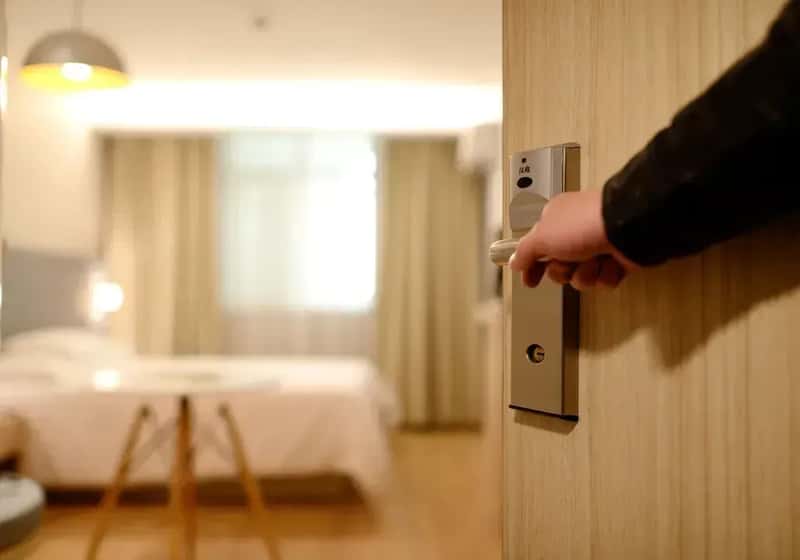
Safety should always be a top priority in a foreign hotel. Tourists sometimes forget to lock hotel rooms or leave windows open, creating potential security risks. Always double-check that your door and windows are securely closed when leaving the room and before sleeping at night. Sounds obvious, right? Yet it’s among the most commonly reported oversights.
If your room connects to the one next to it, make sure that connecting door is locked as well. Keep your door locked at all times whenever you’re in your room, including any deadbolts, security chains, or swinging metal security locks. Never prop your door open, no matter how briefly. Even holding the door open for a passing trolley can be enough to create an opportunity.
A common hotel room safety hack includes carrying your own rubber door stop and placing it behind the hotel room door. If someone gains unexpected access to your room, the rubber door stopper adds an extra layer of security and is almost impossible to move even when heavy force is applied. It’s a small item that weighs almost nothing in a suitcase. Honestly, it’s a no-brainer.
5. Touching the Minibar Without Understanding How It Works
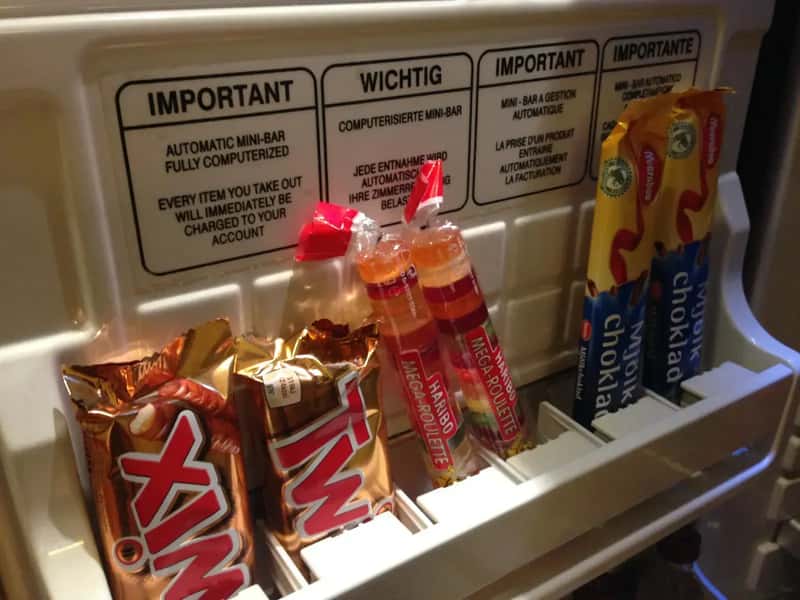
This one catches people off guard more than almost anything else. You open the little fridge, pick up a bottle of sparkling water to read the label, put it back, and think nothing of it. Some travelers find themselves with unexpected charges simply because they weren’t aware of the sensor technology in place. In some hotels, guests are automatically charged for minibar items when sensors detect anything has been moved for more than 60 seconds. Even innocently browsing items or examining labels could leave you with an unexpected charge on your final bill.
Hotels like Hilton, Marriott, Waldorf, and Hyatt now frequently feature automated minibars with sensors and snack trays with built-in electronic scales. Numerous complaints in online hotel reviews show that customers are still shocked to see incidental costs for food they didn’t even eat on their bill. This is not a rare edge case. It happens constantly.
The best practice is to avoid touching items in sensor-equipped minibars entirely. If you can afford to be picky about hotels, skip those with minibars altogether. Or simply ask the front desk to lock or deactivate the minibar when you check in. Avoiding the scenario entirely is possible by specifically requesting a room without a minibar included at the time of reservation.
6. Overlooking Hidden Fees and Resort Charges

You booked the room at what seemed like a reasonable nightly rate. Then you check out and the bill is wildly different from what you expected. The Federal Trade Commission’s new rule against so-called “junk fees” officially took effect in May 2025. This regulation makes it illegal for hotels and vacation rental companies to advertise one price only to surprise customers with additional mandatory charges at checkout. These hidden costs are commonly known as “resort fees” or “amenity fees” and have long frustrated consumers who discover their room actually costs far more after undisclosed fees for Wi-Fi, gym access, or pool use.
Many hotels in Las Vegas, for example, advertise room rates lower than the resort fee itself, causing the total price to more than double the advertised price. The practice is widely known as drip pricing in consumer rights contexts. One price is advertised to attract customers, but when a customer checks in, mandatory fees and other charges incrementally exceed the price initially advertised.
The most common hotel fees include resort and amenity fees, parking fees, late checkout and early departure fees, reservation cancellation fees, minibar and room service surcharges, and internet and telephone charges. The fix is simple. Ask for a full breakdown of all charges at check-in, not at checkout. Take five minutes to review your bill the night before you leave. It’ll save you both money and a very frustrating argument at the front desk.
7. Skipping the Fire Escape Route on Arrival
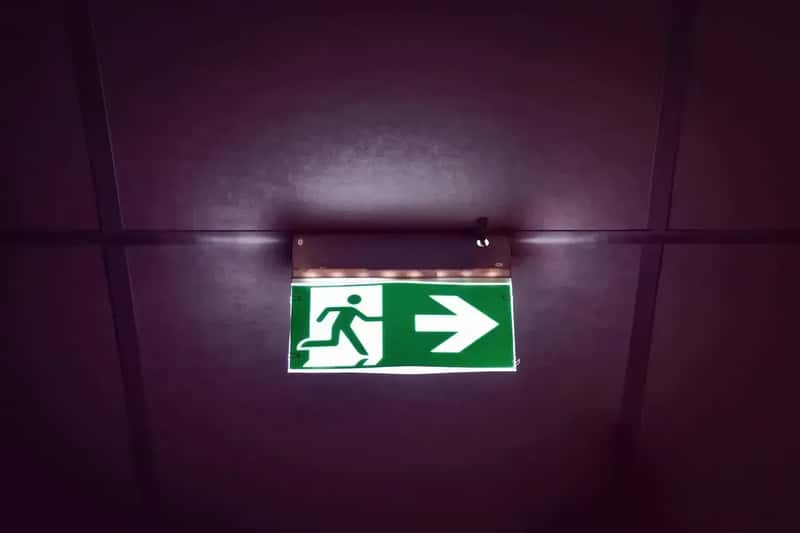
I know it sounds like something your parents told you to do and you never did. But skipping this step is genuinely one of the most dangerous things tourists do . Look at the emergency plan posted in your room. Find the closest emergency exit and learn the emergency route as soon as you arrive. Remember, exiting through windows might not always be possible.
Safety experts recommend selecting a room located between the fourth and sixth floor. Avoid rooms above the sixth floor, as that is the maximum height that most fire department ladders can reach. Some fire departments overseas, and even some within the United States, do not have equipment to reach hotel floors above the sixth floor. That’s not a fun fact. That’s critical knowledge.
Many rooms will have notices listing hotel safety and security procedures for evacuation along with a fire escape plan. Don’t assume the exits will be clear and easily identifiable. Once you get a chance to check in and put your bags down, take a walk to find your nearest exit. You might even want to take a picture of the fire escape plan on your phone for quick reference. Think of it like buckling your seatbelt. You hope you’ll never need it, but you’ll be very glad you did it if you do.
8. Leaving Valuables in Plain Sight or Unsecured
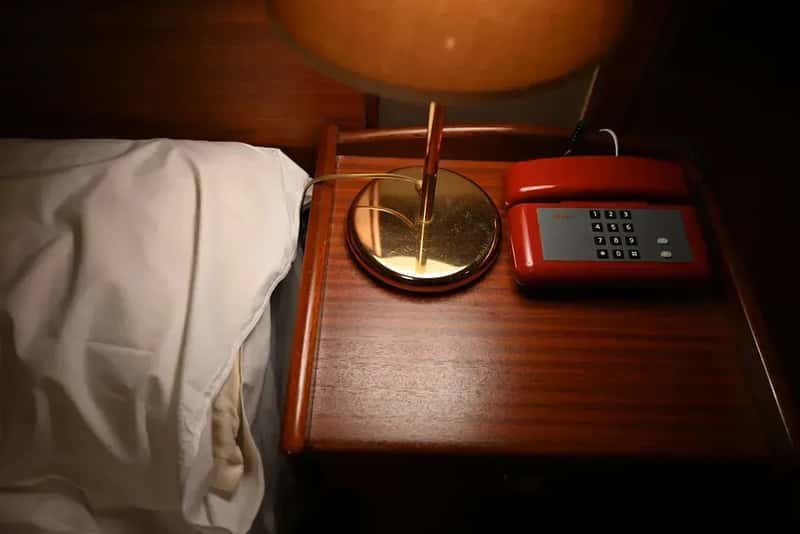
Tourists consistently underestimate how visible their belongings can be. A passport on the nightstand, a laptop open on the desk, a wallet peeking out of a jacket pocket hung on the door. It’s an invitation. No matter how nice your hotel or resort may be, locking your door and securing your valuables is a good habit to have. Keeping your passport and other travel documents safe and concealed is a no-brainer. Use the safe in your room to secure copies of your documents. If your room does not have a safe, consider packing your travel documents in a bag with a travel lock for an added layer of security.
Protect your valuables by using the hotel safe, or better yet, leave them at the front desk while you’re out. Get a written receipt for anything you leave with the front desk and find out whether you’re covered in case of loss. Many hotels do not accept liability for items left in guestroom safes. That last point surprises most people. The safe looks official and secure, but the legal protection often isn’t what you’d assume.
When you’re out, consider leaving the TV or radio on, or put your “Do Not Disturb” sign on the door. Both tricks give potential thieves the impression that you’re still in the room. Copy all credit cards, airline tickets, passports, and important documents, both front and back sides. Alternatively, keep a photo of them on your phone. These small habits create layers of protection that compound. Each one individually seems minor, but together they make you a far less attractive target.
A hotel room in a foreign country is supposed to feel like a sanctuary. For most trips, it will be exactly that. Still, the difference between a relaxing stay and a genuinely stressful one often comes down to a handful of small, overlooked decisions made in the first fifteen minutes after you check in. The tourists who know what to look for sleep a lot better. Would you have caught all eight of these before reading this? Tell us in the comments.