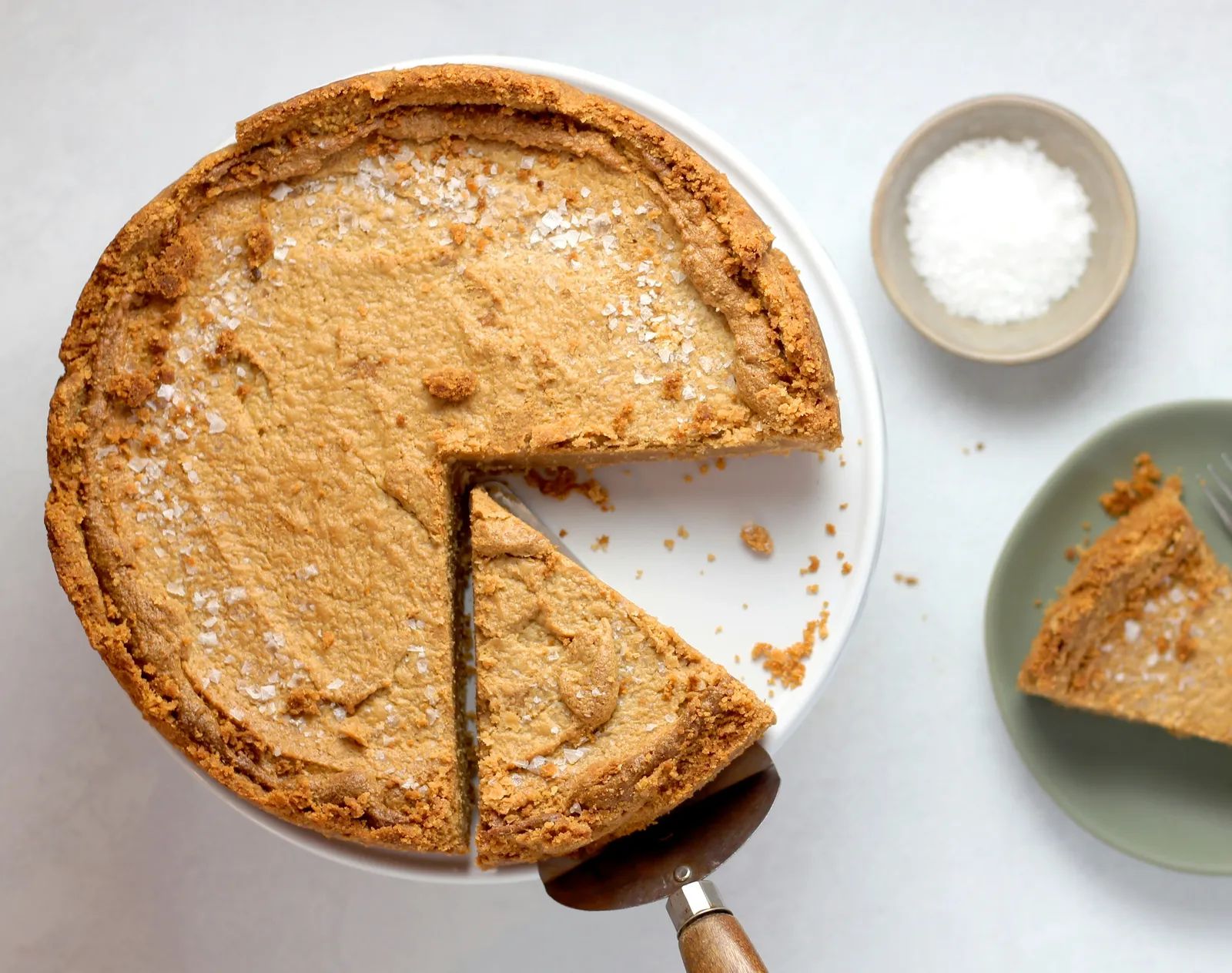
South Louisiana families have long turned to neighborhood kitchens rather than store shelves when planning the Thanksgiving dessert spread. A state rule that permits certain baked goods to be prepared at home and sold directly supports this pattern, especially during the busy holiday period when demand peaks. The approach keeps production small and personal while giving bakers a clear path to serve local customers without commercial facilities.
Why the Timing Matters for Holiday Orders
Thanksgiving creates a narrow window for one-person operations that cannot scale like retail bakeries. Bakers typically open order periods weeks in advance and close them well before the holiday to match their oven capacity and delivery schedule. Customers who wait until the last minute often find slots filled, leaving them to scramble for alternatives. Planning ahead also involves confirming pickup or delivery details and any required deposits. Many bakers request partial payment to secure a spot, and they set specific handoff days that avoid Thanksgiving itself. Storage instructions for the finished pie form another key detail, since sweet potato varieties can vary in how they hold up before serving.
How State Rules Shape What Home Bakers Can Offer
Louisiana law permits the direct sale of low-risk items such as pies, cakes, breads, and certain preserves when they come from a home kitchen. The framework limits sales to individual buyers and bars resale through stores, which keeps the focus on personal transactions. Annual sales must stay below a set threshold, and the baker generally handles all preparation without hired help for the core work. Every item must carry a clear statement that it was not made in a licensed or inspected facility. Bakers often repeat this disclosure on their websites and order forms so buyers understand the production setting from the start. The rule balances easier entry for small operators with transparency for those placing orders.
Deep Roots for Sweet Potatoes in the State
Louisiana maintains an active research program that has shaped sweet potato varieties grown across the country and beyond. Work at the LSU AgCenter station in Chase dates back decades and includes development of widely planted types such as Beauregard along with newer releases. Many pies served at local tables trace their ingredients to this ongoing effort. The crop fits naturally into regional holiday traditions, and home bakers draw on family recipes passed down through generations. Menus tend to stay focused during peak season, with a handful of core offerings that the baker can produce reliably in volume.
Practical Ways to Locate and Vet a Baker
Word of mouth, community networks, and online presence help connect customers with nearby operators. Reliable signs include posted prices, clear holiday order and pickup dates, and the required home-kitchen disclosure. Direct contact options such as text, phone, or an online form also indicate a baker ready to handle questions before the sale. A short list of points worth confirming before ordering includes the final cutoff date, available pickup windows, deposit terms, delivery fees if any, and specific storage guidance for the pie. Following those steps reduces the chance of last-minute issues and supports the small-scale businesses the rules are designed to accommodate. The result is a straightforward path from a local kitchen to the Thanksgiving table, provided buyers respect the calendar and the limits that keep these operations neighborhood-sized.