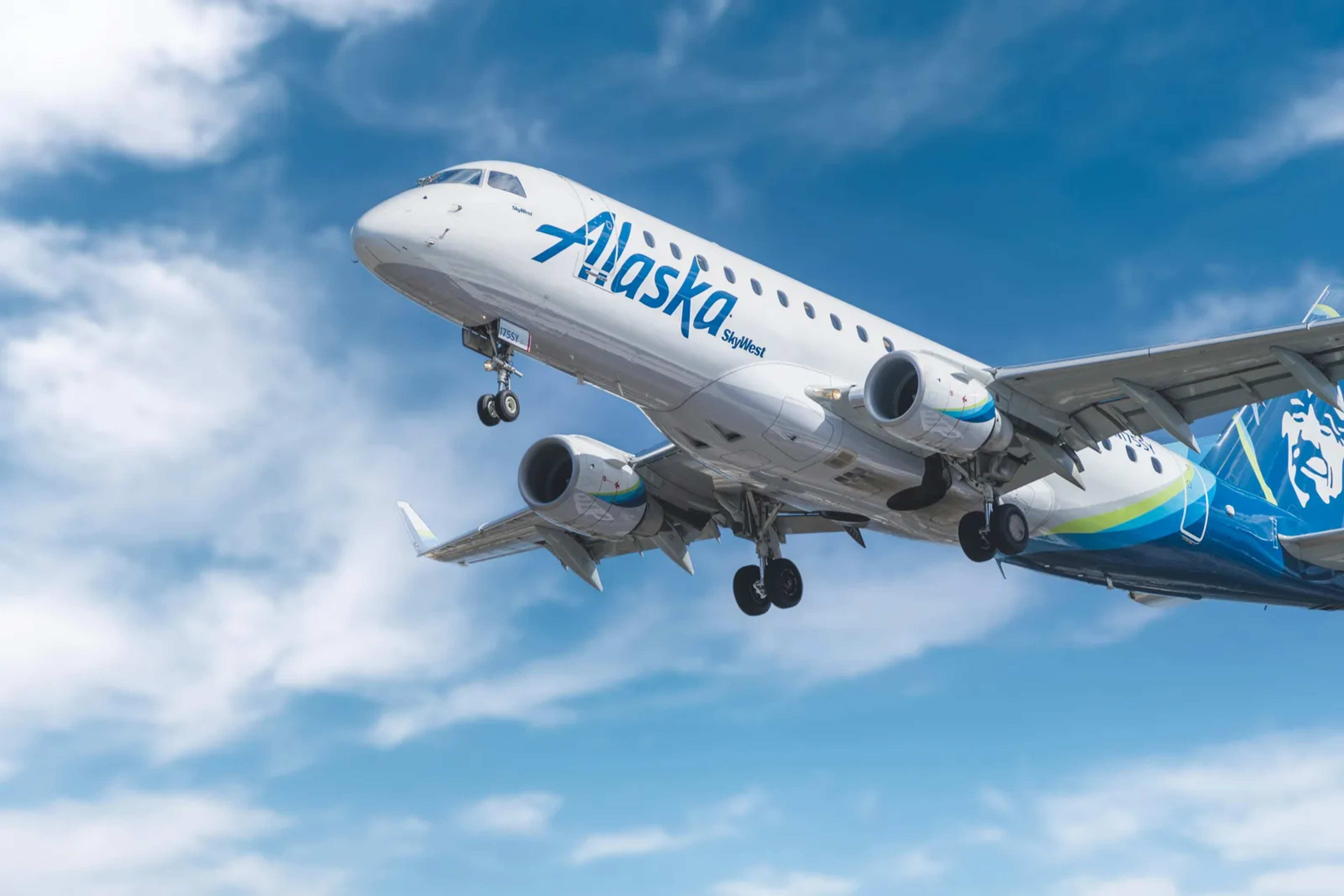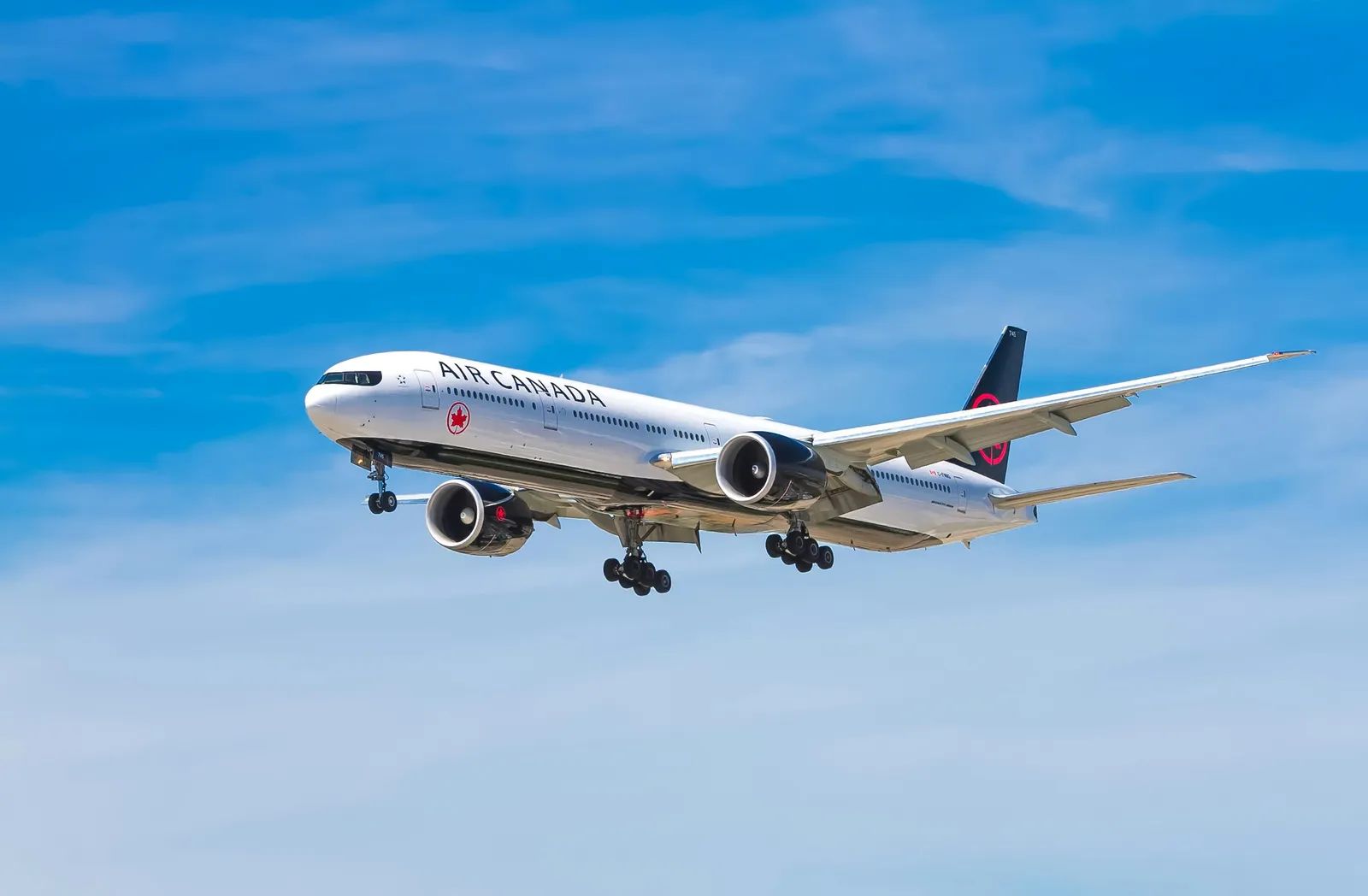
Airports are moving again after a nationwide ground stop turned a Friday into a weekend of cancellations and stranded passengers. Flight schedules have largely returned to normal, and the Thanksgiving rush appears to be starting on steadier ground. The bigger question is whether the system can avoid another collapse, and the travel industry remains unconvinced. Original reporting on these concerns is available from the Points Guy [1]. ([1])
A weekend of cancellations, then a quick rebound
The Federal Aviation Administration ordered the rare ground stop on Friday, and it was lifted hours later. Even so, the fallout lasted for days. More than 18,000 flights have been canceled since Friday, with many more delayed, all of which stemmed from the nationwide ground stop. Airlines had to reposition crews and aircraft, which pushed disruptions into Saturday and Sunday.
The recovery has been quick by comparison. As of Tuesday evening, FlightAware reported only 91 flight cancellations within, into, or out of the U.S. For travelers booking holiday trips, that shift matters. Air travel is expected to be busy, with 5.96 million people projected to fly for Thanksgiving, according to AAA estimates reported by Time [2].
Why the concern goes beyond a single failure
Industry observers are not questioning whether flying is safe. The worry is that the system is fragile in ways that could produce another large disruption. The FAA has struggled for years with aging technology and a shortage of air traffic controllers. The ground stop was the first nationwide one since the period after the September 11 attacks, and it came after two other major outages affecting critical FAA systems since 2023.
FAA Administrator Bryan Bedford was direct when asked whether the chaos could be ruled out. “I can say with certainty that the system is really, really old,” he told CBS News. He added that the network “has been fragile, and it does go down.”
Staffing is another pressure point. Controllers often work six-day weeks with mandatory overtime, and staffing shortfalls were a major factor in the cancellations during last fall’s government shutdown. Earlier, in 2025, equipment outages and understaffed control centers added to weeks of delays at Newark Liberty International Airport.
The root cause and the lesson for upgrades
The latest failure traces back to maintenance work. Transportation Secretary Sean Duffy said that the FAA issued the nationwide ground stop after router upgrade work led to a series of communication breakdowns. Crews replacing a router appear to have set off a chain reaction that disrupted flights for days. American Airlines now counts it among the most significant disruptions in its 100-year history.
That episode is shaping the debate over what comes next. Capt. Shem Malmquist, a longtime Boeing 777 captain and visiting professor at the Florida Institute of Technology, argued that upgrades need close scrutiny. “Passengers experience delays and cancellations, but those restrictions help keep the system safe,” Malmquist said. He also cautioned that modernization must be tested carefully, since a fix for one problem can create another.
- Flight schedules have returned to normal, and cancellations have dropped sharply.
- Experts do not expect the weekend disruption to carry into the Thanksgiving week.
- The FAA needs more air traffic controllers and modernized technology, and both are costly.
- Funding and staffing decisions will depend on a divided Congress in January.
Money, hiring, and a slow timeline
Lawmakers have begun to respond. Congress earmarked $12.5 billion last year for infrastructure upgrades, and the Department of Transportation has started that work. Officials say they need considerably more funding to carry out sweeping changes. The FAA has also expanded its air traffic controller hiring to reduce long-standing vacancies.
Related Stories From Travelbinger
Industry leaders are pressing for both staffing and technology improvements. United Airlines CEO Scott Kirby called for the agency to reach full staffing and to receive the funds needed to modernize its technology. Securing that money will depend on negotiations in Washington, where the government will be divided when the new year begins. Training air traffic controllers takes years, and overhauling systems while tens of thousands of flights operate each day is slow, careful work.
What travelers can do before the holiday rush
For passengers heading out this Thanksgiving, the immediate picture is reassuring. Every plane in the sky during the FAA disruption landed safely, and experts expect the holiday period to run more smoothly than the weekend before it. Still, delays and cancellations happen every busy travel season, so preparation makes sense. “I always like to have a fallback flight in mind, and that’s not necessarily a flight you book, it’s just a flight that you know that has extra availability,” said Nastro. Travelers should also save their airline’s international customer service number alongside the domestic line, since phone lines can be faster than app rebooking during peak disruptions.
The weekend showed how quickly a single technical failure can ripple across the country. It also showed how quickly service can return. The unresolved issues of aging equipment, staffing, and funding will take far longer to fix than a few days of cancellations, and that is why the travel sector’s concerns are unlikely to fade soon.