English might have been born in England and raised to global dominance by the United States, but a growing number of countries are now producing English speakers who rival, and in some measurable ways outperform, native speakers from the U.S. According to the latest EF English Proficiency Index, which draws on millions of standardized test results from adult learners worldwide, several non-English-speaking nations have reached what researchers classify as “very high proficiency,” a tier that puts their everyday communication skills on par with fluent native speakers.
These rankings matter beyond bragging rights. They reflect decades of investment in bilingual education, media exposure, and international business ties that have turned English into a practical second language for millions of Europeans and beyond. Here are eight countries whose English fluency genuinely rivals, and in test scores sometimes edges out, that of Americans themselves.
1. The Netherlands

The Netherlands has held the top spot in global English proficiency rankings for years, and the 2025 EF English Proficiency Index confirms it again. The Netherlands scored 624, placing it in the “very high proficiency” band, ahead of every other country tracked in the index. Dutch television rarely dubs English-language content, and English is introduced early and consistently throughout the school system, which helps explain why fluency feels almost universal there.
What makes the Dutch case remarkable is how deeply English penetrates daily life rather than staying confined to classrooms. English proficiency in the Netherlands is exceptionally high, with about 90% of Dutch people speaking English, often at a near-native level. Visitors and expats frequently report that they can conduct business, order food, or navigate government offices in English without ever needing to learn Dutch.
2. Croatia
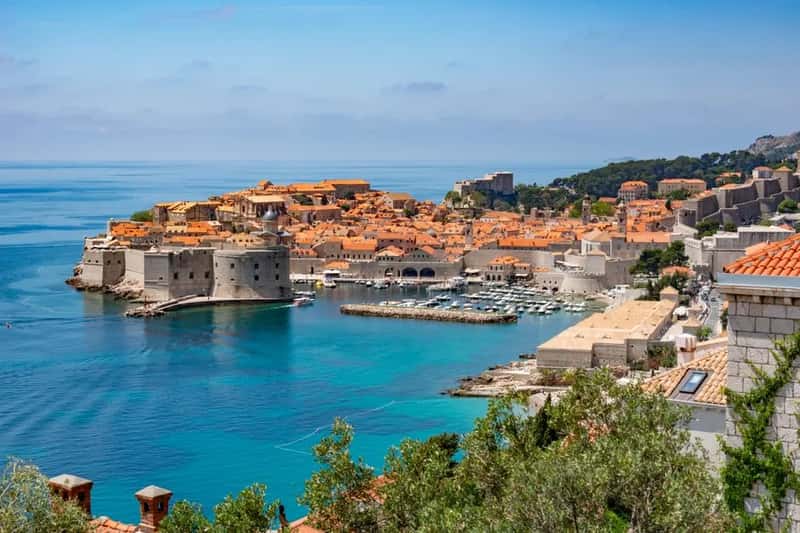
Croatia’s rise in the rankings has surprised many observers who associate top English scores mainly with Northern Europe. In the 2025 index, Croatia moved up to become the second-ranked country globally, improving its position alongside Austria. This jump reflects a broader trend across Central and Eastern Europe, where younger generations have embraced English through media, tourism, and international education far more than their parents did.
Croatia’s tourism-driven economy has played a significant role in this shift, since hospitality workers, tour guides, and small business owners along the Adriatic coast rely on English to serve millions of foreign visitors each year. That constant real-world practice, combined with widespread subtitled rather than dubbed English media, has pushed conversational fluency well beyond what classroom instruction alone typically produces.
3. Austria

Austria has consistently ranked among the world’s most English-proficient nations, and the 2025 data keeps it firmly in the top tier. Austria scored 616 on the EF EPI, placing it in the very high proficiency category, just behind Croatia and ahead of Germany. Austrian schools introduce English early and maintain it through secondary education, and the country’s close economic ties to Germany and the broader European Union reinforce the practical need for strong English skills.
Vienna in particular has become something of an international hub where English functions as a working language in academia, finance, and diplomacy. Many young Austrians grow up watching English-language films and shows in their original audio, a habit that linguists often credit with boosting listening comprehension and natural pronunciation far more than textbook study alone.
4. Germany
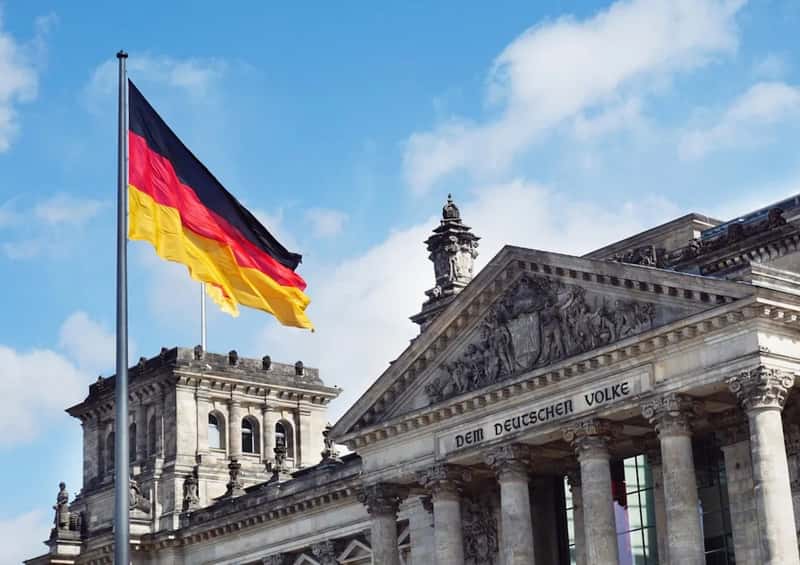
Germany posted one of the more notable gains in the 2025 rankings, climbing several spots to solidify its place among Europe’s English-fluency leaders. Germany climbed to fourth place with one of the biggest gains in Europe, a jump that reflects sustained investment in language education and the country’s role as a magnet for international business and academic exchange. With a score of 615, Germany now sits just behind Austria in the very high proficiency band.
Germany’s large economy and its position as a hub for multinational corporations mean that English often functions as the default language in corporate meetings, tech startups, and university programs, even when all participants happen to be German nationals. This everyday professional exposure has helped normalize a level of fluency that goes well beyond what’s needed to pass a school exam.
5. Norway

Norway has long been a fixture near the top of English proficiency rankings, and it remains there in 2025. Norway scored 613, keeping it firmly in the very high proficiency tier, just a few points behind Germany. Like its Nordic neighbors, Norway benefits from a culture that rarely dubs foreign television or films, which exposes children to spoken English from a very young age.
Norwegian schools also introduce English instruction early and treat it as a near-essential life skill rather than an optional subject. The result is a population where fluent English conversation is the norm rather than the exception, particularly among anyone who has gone through the country’s education system in the past few decades.
6. Portugal

Portugal’s climb up the English proficiency rankings has been one of the more interesting storylines of the past few years, driven largely by its booming tech and tourism sectors. Portugal has quietly become one of Europe’s strongest English-speaking nations outside the native-speaker world, ranking sixth globally with a score of 612. That places it well above the threshold most researchers consider indicative of fluent, functional English.
A significant driver of this growth has been Lisbon’s expanding startup scene, which has attracted young professionals and remote workers who rely on English as a shared business language. Portugal’s tourism industry and growing tech sector, centered around Lisbon’s expanding startup scene, have created steady demand for English fluency among young professionals. Estimates suggest a majority of the population now speaks at least some English, with fluency rates considerably higher among younger city dwellers.
7. Denmark
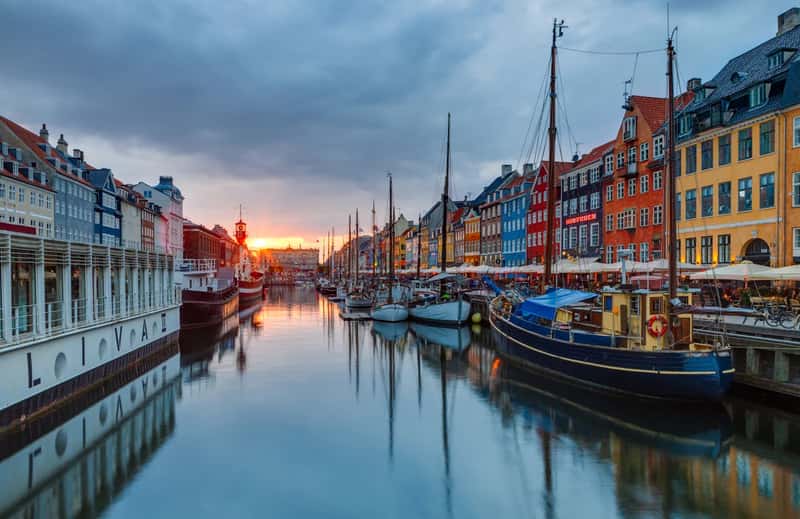
Denmark has built a reputation as one of the most reliably English-fluent countries in the world, and 2025 was no exception. Denmark has consistently ranked among the world’s best non-native English-speaking countries, coming in seventh globally with a score of 611, edging out fellow Nordic neighbors Sweden and Norway by a slim margin. The gap between the top Nordic countries is often razor thin, but Denmark has managed to stay slightly ahead in recent editions of the index.
Danish television and film culture, much like Norway’s, favors subtitles over dubbing, giving children years of passive exposure to spoken English before they even begin formal instruction. Combined with an education system that treats English almost as a second native language, this has produced a population where hesitant or broken English is genuinely rare among working-age adults.
8. Sweden
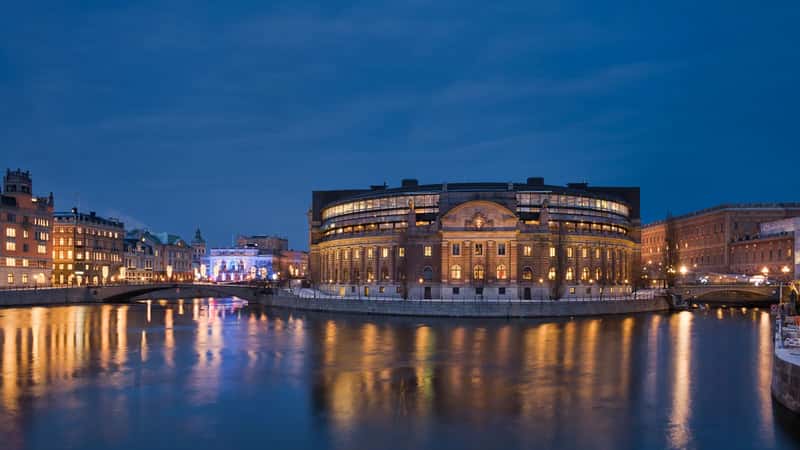
Sweden rounds out this list as another Nordic powerhouse of English fluency, having built its reputation over more than a decade of top-tier rankings. Sweden scored 609 in the 2025 index, placing it solidly within the very high proficiency band, just behind Denmark and Norway. Swedish media, business, and academia all lean heavily on English, particularly in fields like technology and international trade where Sweden punches well above its population size.
Stockholm has emerged as a particular bright spot within the country’s English-language landscape. Sweden achieved an EF EPI score of 609, and notably, Stockholm ranked among the top five cities worldwide for English proficiency, with a score of 637. That urban score actually surpasses the national average of several countries where English is the official first language, a detail that underscores just how competitive Swedish fluency has become.
Taken together, these eight countries illustrate something worth sitting with: fluency in English is no longer something that belongs primarily to the countries where it originated or where it dominates as a native tongue. Small, education-focused nations across Europe have essentially built bilingual societies, where English functions as a genuine second language rather than a foreign one learned reluctantly for exams. It’s a reminder that language dominance in the twenty-first century has less to do with where a language was born and more to do with which societies decide to make it part of everyday life.