Some trips leave you more tired than when you left. Packed itineraries, crowded landmarks and a phone buzzing in your pocket can turn a holiday into another to-do list. The destinations below work differently, because the landscape, the pace or the local customs gently push you toward doing less.
Each country here was chosen for a specific kind of rest. Some offer hot water and silence, others long walks, forest air or a simple reason to sit still. Practical details are included where they affect the experience, since a restful trip usually starts with sensible planning.
Bhutan: A Country That Limits Crowds on Purpose
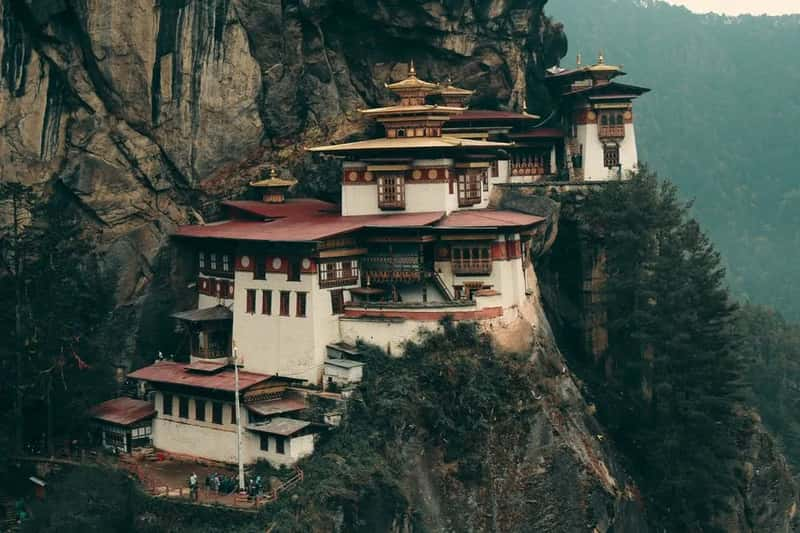
Bhutan keeps visitor numbers modest through a policy known as high value, low volume. Most international visitors pay a Sustainable Development Fee of 100 US dollars per person, per night, confirmed at that rate through 31 August 2027[1]. The visa is separate, a one off 40 dollars per person.[1] That price tag is the reason the monasteries and valley trails rarely feel busy.
The fee isn’t just a gate. It funds free healthcare and education, conservation and carbon offset programmes.[1] Bhutan also introduced a new tax in 2026: a 5% Goods and Services Tax on tourism services from 1 January 2026[2], though the SDF itself is explicitly exempt[2]. Budget for it, then spend your days on temple hikes, archery matches and slow valley drives.
Iceland: Geothermal Water and Wide Quiet Spaces
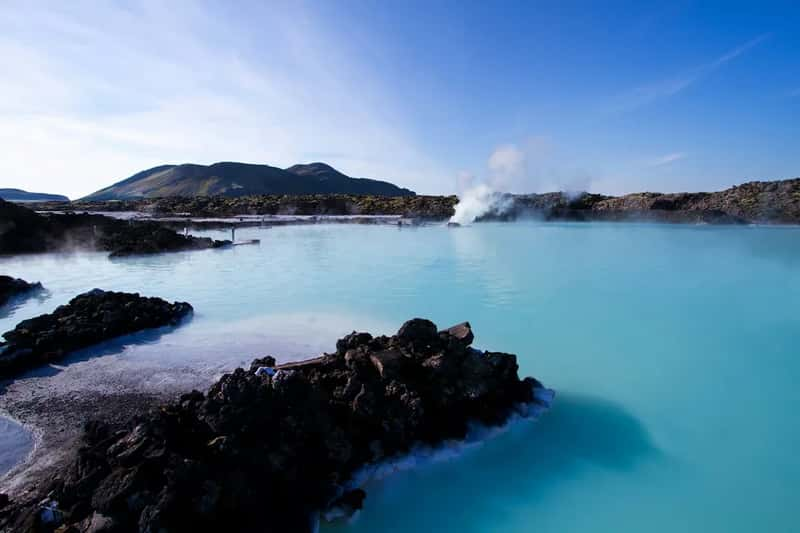
Iceland has made soaking in hot water a daily habit. Nearly every town has a public swimming pool with outdoor hot pots, and locals use them to chat, unwind and watch the weather change. It’s a low key way to feel part of the place rather than just passing through.
For a more polished soak, the Blue Lagoon on the Reykjanes Peninsula and Sky Lagoon near Reykjavik are the best known options. Mývatn Nature Baths in the north and the Secret Lagoon in Flúðir are quieter alternatives. Volcanic activity on the Reykjanes Peninsula has caused temporary closures in recent years, so check conditions before you build a trip around one spot. Outside the capital, the road network opens onto empty lava fields, black beaches and waterfalls where you can stop the car and simply stand there.
Japan: Forest Trails and Hot Spring Evenings
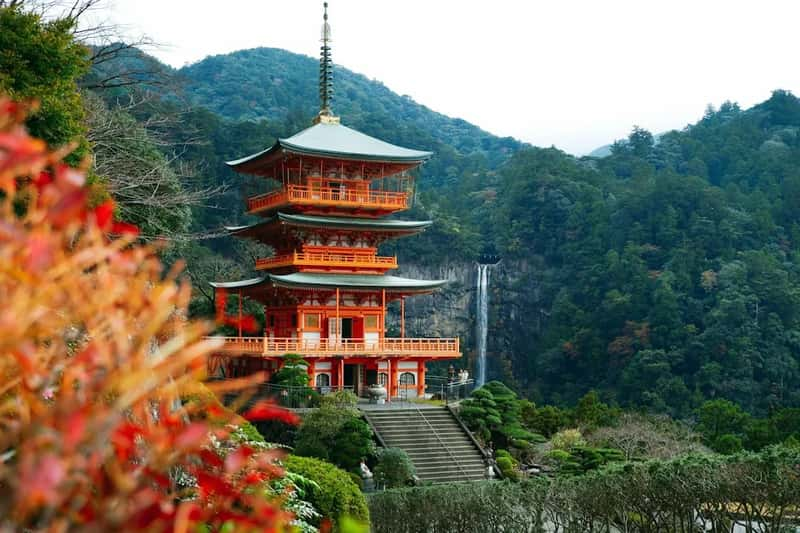
Skip the Tokyo and Kyoto circuit and head for the Kii Peninsula. The Kumano Kodo is a network of ancient pilgrimage trails that leads to three sacred shrines, and it suits anyone who wants quiet forest trails, traditional inns and onsen towns[3]. A recent travel writer described walking it as a gentler form of wellness, rooted in nature and traditions that have endured for more than a thousand years[4].
You don’t need a full week. A popular shortcut starts at Hosshinmon-oji and covers the final two hours into Hongu[3], though five to six days is the sweet spot[3]. At Yunomine Onsen, Tsuboyu is the only hot spring that’s part of the UNESCO route, with 30 minute slots on a first come basis[3]. Luggage transfer costs roughly 4,000 yen per bag, which lets you walk with a light day pack.
Portugal: Slow Coasts, Dark Skies and Volcanic Islands
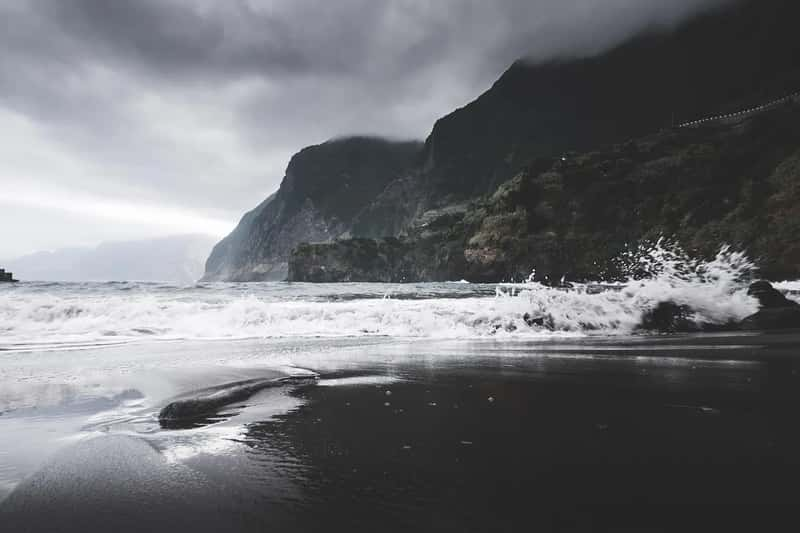
Portugal rewards travelers who step away from Lisbon and Porto. In the Alentejo, cork oak plains, whitewashed villages and long lunches set the tempo. The Alqueva region is also recognised for its night skies, which makes it a good place to leave the lights, and the screens, off.
On the southwest coast, the Rota Vicentina trails include the Fishermen’s Trail, a clifftop path with few crowds outside peak summer. For something more unusual, the Azores offer volcanic scenery just a short flight from the mainland. In Furnas on São Miguel, the ground itself is the kitchen, since the local stew is cooked underground with volcanic heat, and the thermal pools at Terra Nostra Park are a good place to end the day.
Costa Rica: Rainforest Days Without a Schedule
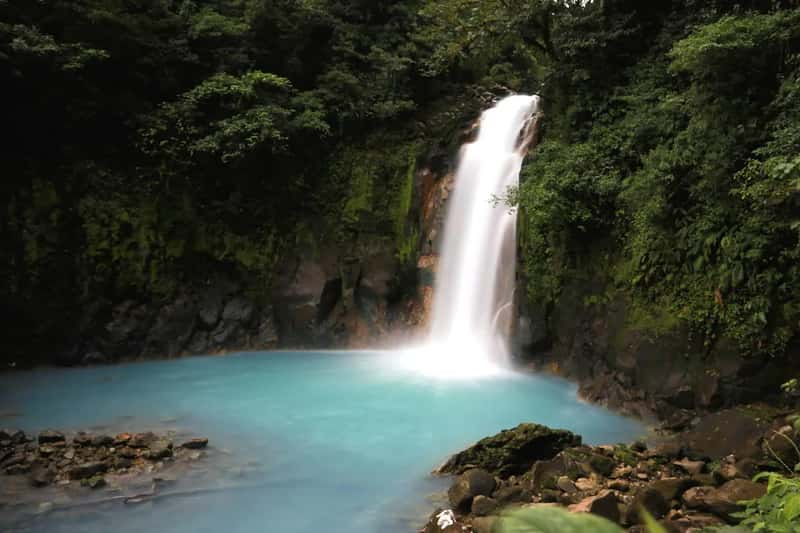
Costa Rica has built its reputation on protecting nature. Its protected areas cover about a quarter of its land, and nature based activities contribute roughly 8% to gross domestic product.[5] That means a rainforest, volcano or mangrove estuary is rarely far from wherever you’re staying.
Choose the quieter corners if rest is the goal. Tenorio Volcano National Park has become popular as an off the beaten path destination[6], known for the bright blue Río Celeste waterfall. Diria National Park is among the least visited and hardest to access parks.[6] It’s worth knowing that a recent UNED report warned of budget shortfalls and surging visitor numbers[5], so travelling off peak and using certified operators genuinely helps.
New Zealand: Walking Into the Fiordland Wilderness
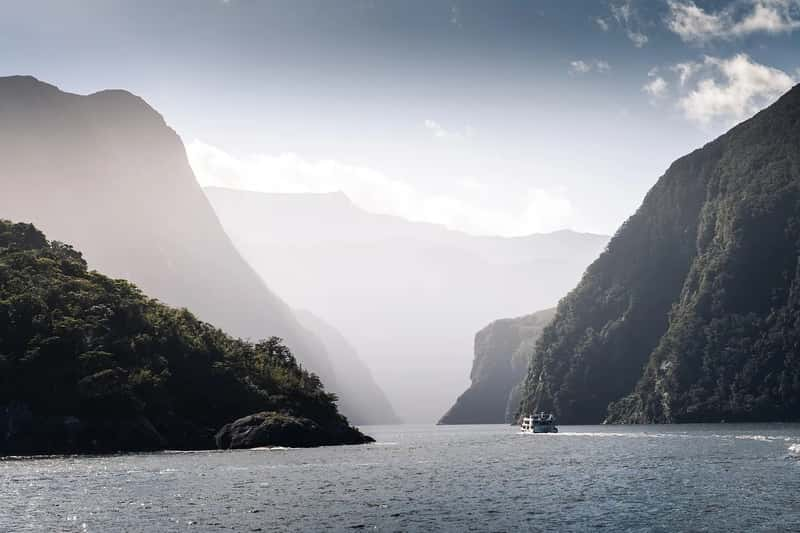
Fiordland, on the southwest corner of the South Island, is one of the country’s wildest regions. It forms part of the Te Wāhipounamu UNESCO World Heritage Area, and it’s home to Milford Sound and Doubtful Sound. Mobile signal is patchy to nonexistent on the tracks, which does most of the unplugging for you.
The Department of Conservation runs the Great Walks, including the Milford, Routeburn and Kepler tracks, with huts and campsites that must be booked in advance. Popular dates sell out well ahead, so plan early rather than hoping for a gap. If a multi day walk sounds like too much, the shorter day hikes and a quiet overnight cruise on a fiord give you much of the same stillness.
Slovenia: A Small Green Country Built for Slow Travel
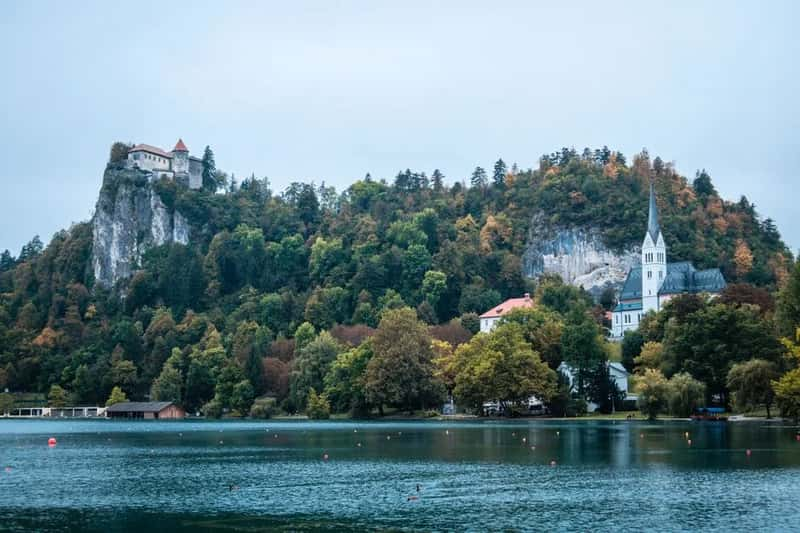
Slovenia is compact, which suits a restful trip because you rarely spend long in transit. Almost two thirds of its land is covered in forests.[7] The Slovenian Tourist Board also says that it is the first country in the world to be declared a Green Destination in its entirety[7], backed by a certification scheme with more than 270 members[7].
For a gentle pace, look beyond Lake Bled. In Bela Krajina, along the Kolpa River, the region encourages visits outside the high season and promotes longer stays[8]. Near Maribor, the Pohorje massif begins just 10 minutes from the centre and offers forests, peat bogs and more than 40 kilometres of trails[9]. In February 2026, European Best Destinations placed the surrounding Štajerska region third among the 20 best destinations in Europe[9], so it may not stay secret for long.
Sri Lanka: Ayurveda, Tea Hills and Unhurried Coasts
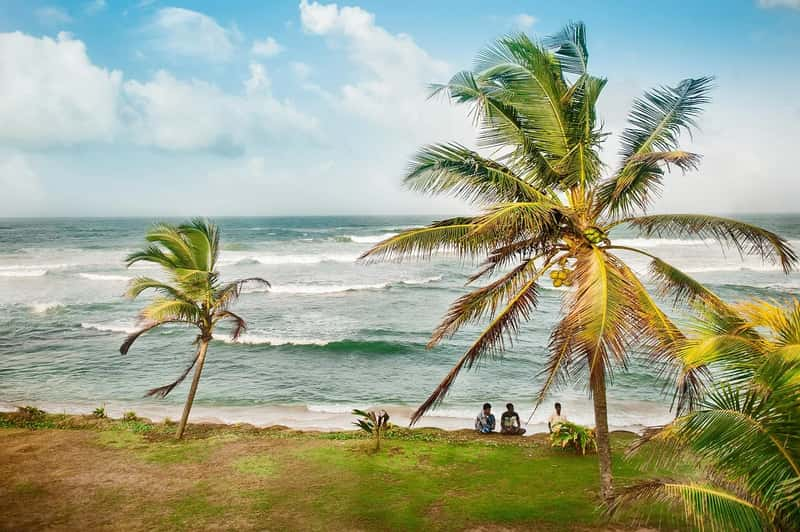
Sri Lanka has a long tradition of Ayurveda, the system of herbal treatments, massage and diet that you’ll find offered at retreats across the island. A multi day stay is more useful than a single spa afternoon, since treatments are usually paired with set meals and a regular routine. Look for centres with qualified practitioners and be wary of anything that promises miraculous results.
The hill country gives you a different kind of calm. The train from Kandy toward Ella winds through tea plantations and misty valleys, and it’s a slow, scenic journey in its own right. For the coast, the south and west beaches are generally best from roughly December to April, while the east coast is better from about May to September. Check current conditions and travel advisories before you book, as weather can disrupt plans.