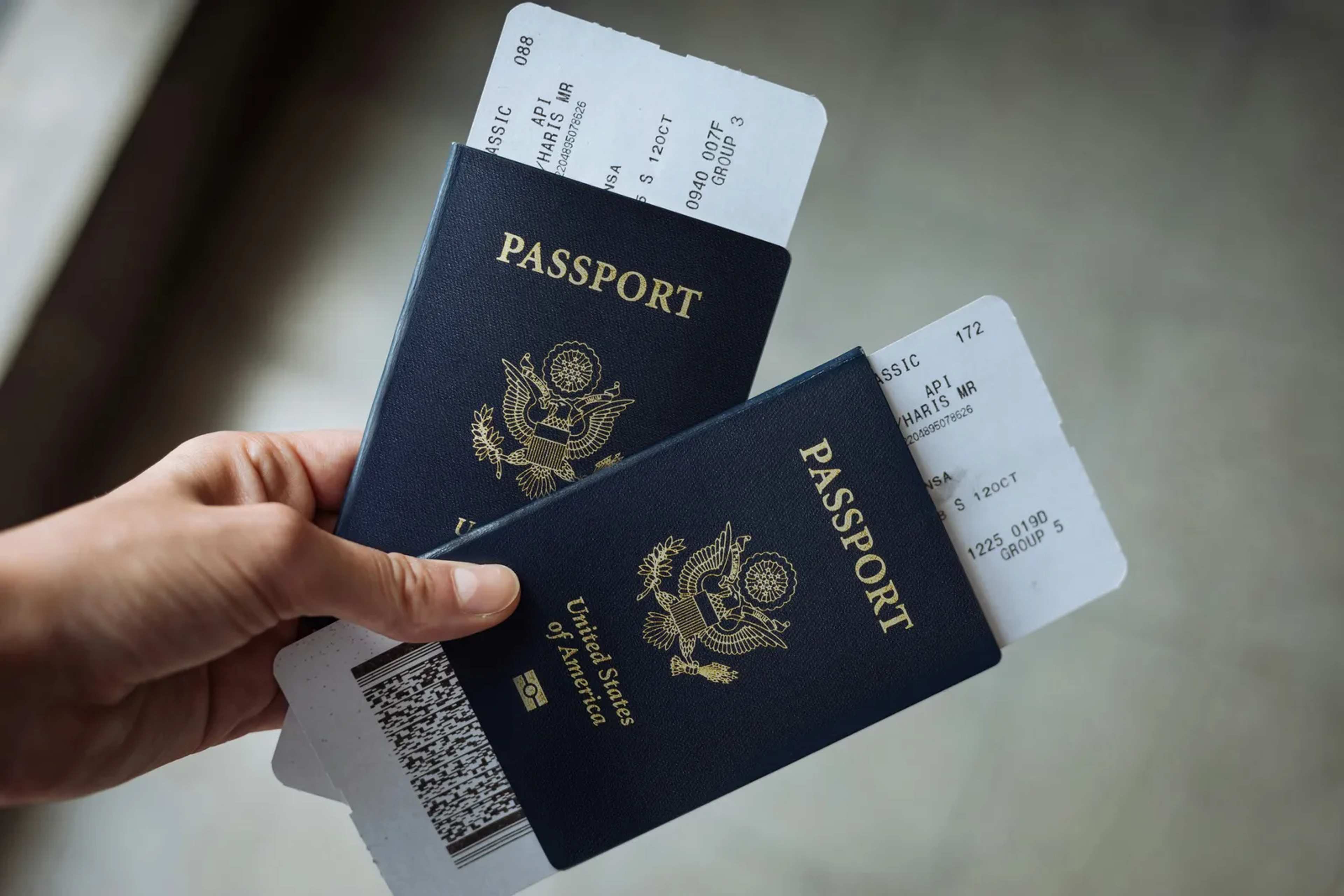
Travel enthusiasts often dream of returning to their favorite destinations, creating lifelong memories and forming deeper connections with places that captured their hearts. Yet, some countries across the globe struggle with remarkably low tourist return rates, welcoming visitors just once before they disappear forever from their tourism statistics.
The reasons behind these one-and-done travel patterns paint a fascinating picture of modern tourism. Some destinations face genuine safety concerns or political instability, while others simply lack the infrastructure or attractions needed to entice travelers back for another visit.
Tuvalu – Pacific Paradise Lost to Isolation

Tuvalu, a serene Pacific island nation, is the least-visited country globally, with only 12,000 inhabitants and approximately 3,700 visitors in 2024. The isolation factor makes this tiny nation incredibly difficult to reach and even harder to return to. Fiji Airways offers flights to and from Tuvalu’s only international airport on Tuesdays and Thursdays, but the service can be inconsistent. Visitors should expect potential delays in arrival or departure due to the remoteness of the Pacific islands and less-developed infrastructure.
The logistical nightmare of getting to Tuvalu creates a natural barrier to return visits. The coral reefs, lagoons, and marine habitats make it attractive, with beaches perfect for picnics, leisurely strolls, yachting, and WWII-era site exploration. However, the country’s extreme remoteness means that most tourists treat it as a bucket-list destination rather than a place they’d eagerly revisit.
Marshall Islands – Nuclear Legacy Meets Tourist Hesitancy
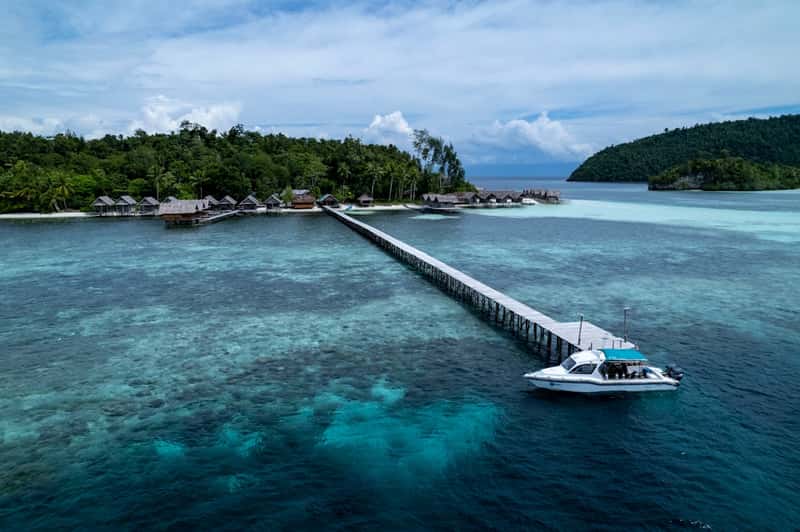
The Marshall Islands have become the second-least-visited country in the world, with just over 6,000 visitors in 2023. These volcanic islands are located in the Pacific Ocean, between the Philippines and Hawaii. The Marshalls have a significant WWII history as they served as a Japanese base before becoming a site for extensive U.S. nuclear testing. Just like Tuvalu, the Marshall Islands are in danger of submersion due to rising ocean waters caused by climate change.
The dark history of nuclear testing creates an underlying unease for many potential return visitors. Though the islands boast pristine beaches and crystal-clear waters, the psychological impact of their radioactive past combined with climate change threats makes tourists hesitant to invest emotionally in repeated visits to a place that might not exist for future generations.
Somalia – Danger Overshadows Cultural Riches
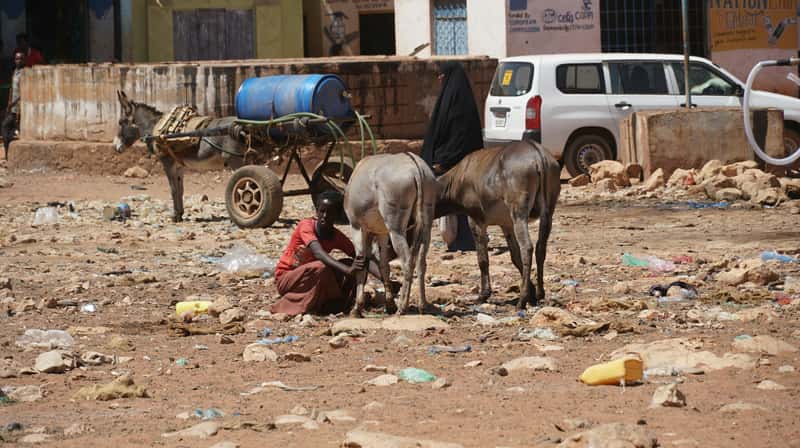
Somalia experienced a 50% increase in tourists between 2023 and 2024, with about 10,000 tourists visiting Somalia in 2024. Despite this growth, the country remains firmly in the one-visit category for most travelers. Somalia has pirates frequenting its coast off the Horn of Africa, and medical facilities have limited capacity. Crime, terrorism, civil unrest, health and kidnapping are all risk factors. The country presents such severe risks that most travelers who do manage to visit once rarely consider returning.
“Mogadishu is the most high-risk destination Untamed Borders operates in,” with the risk of attacks being real and all limited places where international guests can stay being potential targets, where “you can’t go off radar in Mogadishu.” Even adventure travelers who successfully complete a Somalia trip typically cross it off their list permanently rather than tempting fate twice.
Afghanistan – Beauty Buried Under Conflict
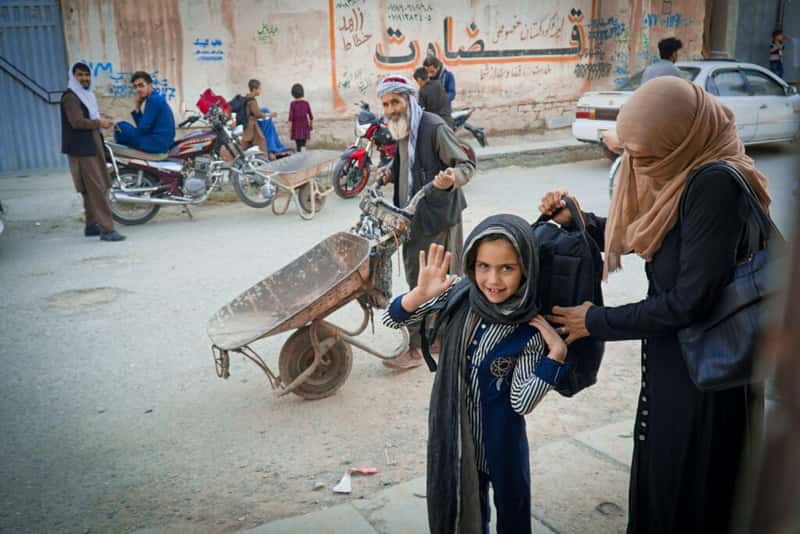
The number of foreign tourists visiting Afghanistan rose 120 percent year on year in 2024, reaching nearly 5,200, according to official figures. Afghanistan features dramatic mountain ranges and a rich history but is currently designated as Level 4 (“Do not travel”) due to terrorism, civil unrest, armed conflict, crime, and kidnapping. The country is wrestling with terrorism, the risk of wrongful detention, kidnapping, and crime.
Decades of conflict made tourism in Afghanistan extremely rare, and while most violence has now abated, visitors are still confronted with extreme poverty, dilapidated cultural sites and scant hospitality infrastructure. They holiday under the austere control of the Taliban authorities, and without consular support. The combination of ongoing security risks and oppressive governmental control creates an atmosphere where even successful visits feel more like survival missions than enjoyable holidays.
North Korea – The Ultimate Controlled Experience

North Korea presents a unique case where return visits are not just unlikely, but often impossible due to the country’s rigid control over tourism. The highly regulated tour experience, combined with the constant supervision and restricted movement, creates an atmosphere where tourists feel more like prisoners than guests. Most visitors report that while the experience is certainly memorable, it’s not the kind of memory they want to repeat.
Free tourist visits are not allowed, individually or in groups: guided tours are mandatory. North Korea has been largely closed to tourism since 2020, with only limited and unpredictable reopenings announced periodically. The unpredictable border closures and suffocating surveillance make return visits logistically difficult and emotionally unappealing.
Chad – Landlocked Challenges Without Rewards
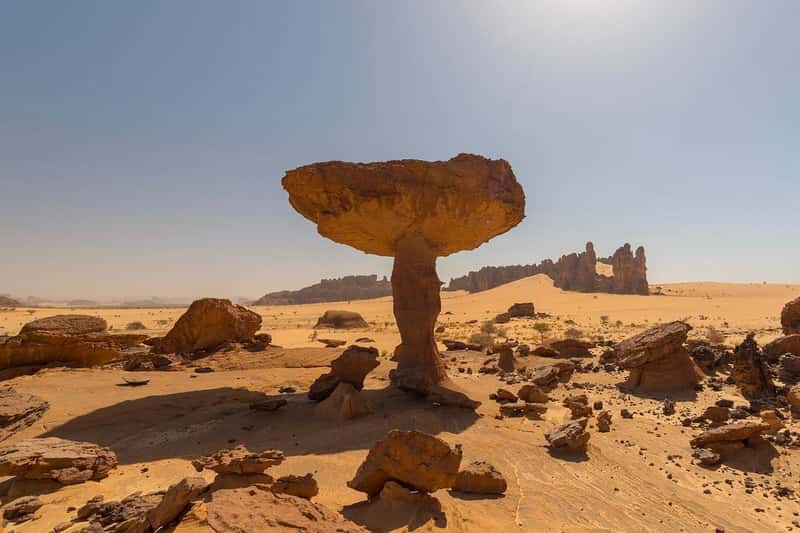
Chad represents another African nation where tourist return rates remain exceptionally low. Though not currently at the highest risk level, Chad faces persistent challenges with infrastructure, political instability, and security concerns that make it unappealing for return visits. The country’s remote location, limited tourist facilities, and ongoing regional conflicts create an environment where travelers rarely feel compelled to return.
Travelers who do visit Chad often report difficult logistics, inconsistent services, and safety concerns that overshadow any positive experiences. The lack of developed tourism infrastructure means that even adventurous travelers find repeat visits more hassle than they’re worth. Chad’s position as a transit point rather than a destination means most visitors are simply passing through rather than seeking meaningful tourist experiences.
Kiribati – Climate Change’s Ticking Time Bomb
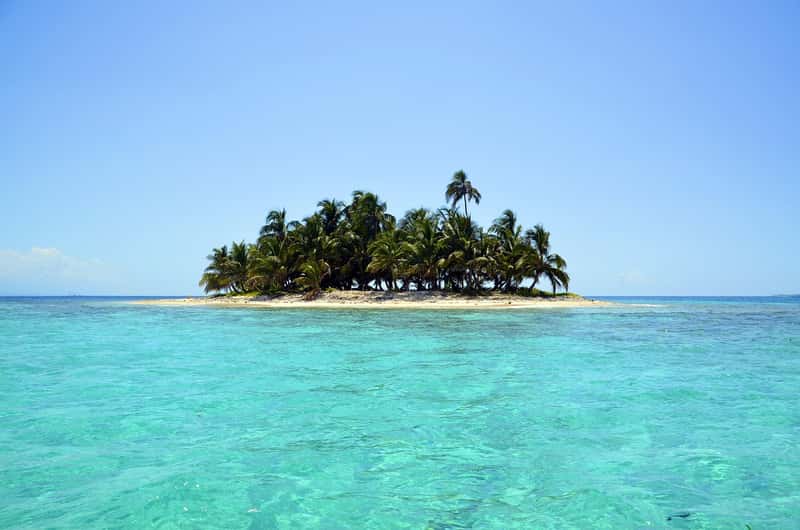
Kiribati’s stunning atolls and expansive marine environments are particularly popular tourist attractions. The Phoenix Islands Protected Area is a UNESCO World Heritage site and one of the largest marine protected areas in the world. Flights to Kiribati’s Bonriki International Airport in South Tarawa are available from Fiji, Nauru, and the Marshall Islands, but service can be irregular. Travelers often face delays and the limited infrastructure typical of remote Pacific islands.
Kiribati is one of the countries that is most affected by climate change. The rising sea levels pose a significant threat to its low-lying atolls. The existential threat of climate change creates a psychological barrier for return visits. Many travelers feel they’re witnessing a disappearing world, making the experience feel more like a farewell tour than the beginning of a lasting relationship with the destination.
Niue – Rock of Polynesia’s Lonely Appeal

Niue is located in the South Pacific and is one of the smallest nations in the world. It is a raised coral atoll that welcomes around 10,000 visitors every year.
One tourist site highlights what the island “does not have” – crowds, long lines, traffic lights, or a frantic pace of life. Available tourist activities include swimming, snorkeling, diving, kayaking, and 4WD tours. However, travelers should be aware that there’s only one flight to and from Niue per week. The extreme isolation and limited flight schedule create practical barriers that make spontaneous return visits nearly impossible, relegating Niue to once-in-a-lifetime status for most travelers.
These eight countries illustrate how factors beyond natural beauty or cultural significance determine tourism success. Infrastructure limitations, safety concerns, political instability, and even climate change create formidable barriers to repeat tourism. While each destination offers unique experiences, the challenges they present often outweigh the desire to return, leaving travelers with powerful memories but little incentive for a second visit.
What do you think about these challenging destinations? Tell us in the comments.