The world has opened up dramatically for American travelers in recent years. Yet while millions pack their bags each year for international adventures, not every destination proves equally welcoming to American sensibilities. Recent traveler data reveals fascinating patterns about where Americans flourish abroad and where they face genuine struggles adapting to local customs, languages, and daily life.
The challenges go far beyond simple tourist inconveniences. According to some traveler survey data, a significant portion of respondents believe US tourists may be perceived more negatively abroad, suggesting deeper cultural adaptation issues than mere vacation hiccups.
Japan: Where Politeness Meets Reality Shock

Japan consistently ranks among the most challenging destinations for American cultural adaptation, despite its massive popularity. American travelers looking to avoid crowds of compatriots would do well to avoid Japan, which has seen a substantial increase in U.S. tourists in recent years. However, popularity doesn’t translate to easy adjustment.
Americans in Japan often struggle with the intricate social hierarchies and unspoken communication rules. Simple daily activities like grocery shopping become overwhelming experiences when confronted with complex etiquette surrounding everything from bowing depths to gift-wrapping protocols.
The language barrier compounds these challenges significantly. While major cities offer some English support in business districts, navigating residential areas, medical appointments, or government services requires Japanese fluency that many American expats find daunting to achieve.
South Korea: Technology Paradise with Cultural Complexity

South Korea’s rapid modernization and growing Western influence make it increasingly attractive for American expats, yet adaptation challenges persist beneath the surface. The intense work culture, known as “ppalli ppalli” (hurry hurry), creates stress for Americans accustomed to different workplace rhythms.
Social drinking customs present particular difficulties. Business relationships often revolve around after-work drinking sessions that can extend well into the night, creating pressure for Americans who may prefer maintaining work-life boundaries or have different alcohol consumption patterns.
The housing system, called “jeonse,” requires massive upfront deposits rather than monthly rent payments. This system often catches American expats off guard, requiring financial planning completely different from typical American rental experiences.
China: Bureaucratic Labyrinths and Digital Divides
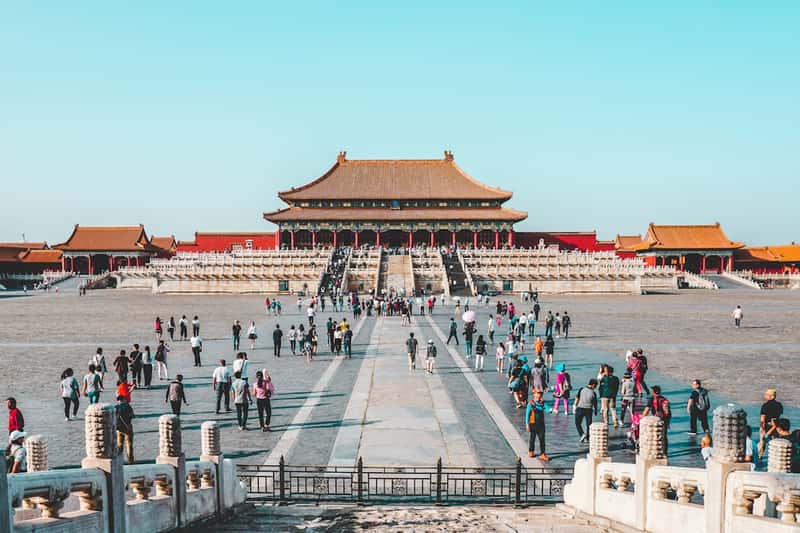
China presents unique challenges that extend far beyond language barriers. The digital ecosystem operates on entirely different platforms, with familiar services like Google, Facebook, and WhatsApp blocked or restricted. Americans must navigate WeChat, Alipay, and other local platforms essential for daily life but completely foreign to Western users.
Bureaucratic processes often mystify American expats. Simple tasks like opening bank accounts or registering residence can require multiple visits to different government offices, with procedures that seem illogical to those accustomed to streamlined American systems.
Air quality issues in major cities create health concerns that many Americans struggle to adapt to, requiring lifestyle adjustments from mask-wearing to air purifier investments that weren’t necessary in their home country.
Germany: Efficiency Culture Clash

Germany’s reputation for efficiency masks cultural adjustment challenges that surprise many Americans. The concept of “Ordnung” (order) permeates German society in ways that can feel restrictive to Americans accustomed to more flexible approaches to rules and timing.
Sunday closures create ongoing frustration for American expats. Nearly all shops close on Sundays, forcing lifestyle adjustments around shopping and errands that many Americans find inconvenient and limiting.
Direct communication styles often shock Americans expecting more diplomatic or cushioned feedback. Germans value honesty over politeness in professional and personal interactions, leading to misunderstandings and hurt feelings for Americans intinterpretrectness as rudeness.
France: Language Perfectionism and Cultural Pride

France demands linguistic commitment that many Americans underestimate. Unlike countries where broken English suffices, French culture emphasizes speaking French correctly or facing subtle but persistent social exclusion. Americans often report feeling unwelcome when their French pronunciation or grammar falls short of local expectations.
Administrative processes operate with legendary complexity. Opening bank accounts, securing housing, or handling tax matters requires navigating bureaucratic systems that make American paperwork seem simple by comparison.
Dining customs create daily challenges. The French approach to meal timing, restaurant etiquette, and food shopping follows strict cultural protocols that Americans frequently violate unknowingly, leading to awkward social situations and restaurant conflicts.
India: Sensory Overload and System Navigation

India presents perhaps the most intense cultural adjustment challenge for American travelers. The sheer sensory intensity of Indian cities, from noise levels to crowding to aromatic complexity, overwhelms many Americans accustomed to more controlled environments.
The concept of personal space differs dramatically from American norms. Queue systems, public transportation, and even business meetings operate with proximity expectations that make many Americans uncomfortable.
Infrastructure variability creates daily unpredictability. Power outages, water shortages, and transportation delays require flexibility that challenges American expectations of consistent service delivery and schedule reliability.
Russia: Political Complexities and Cultural Distance
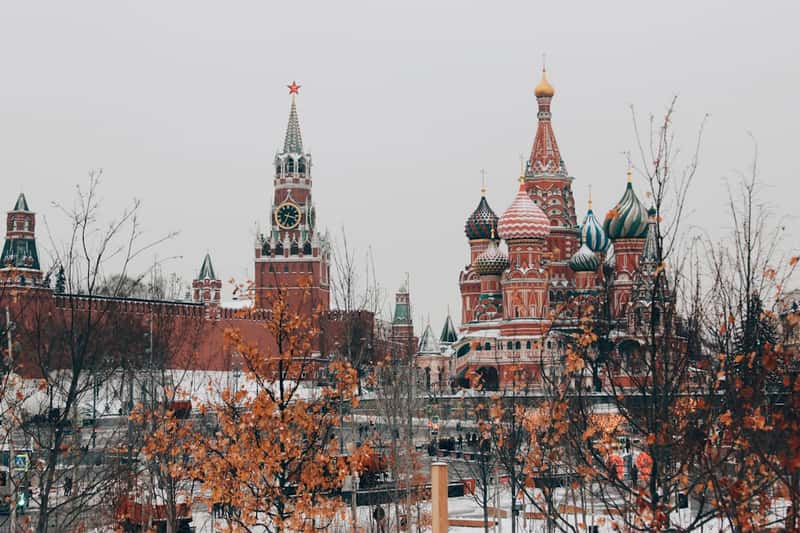
Current geopolitical tensions have made Russia increasingly challenging for American expats, but cultural adaptation difficulties existed long before recent political developments. The concept of personal warmth operates differently, with Russians maintaining formal distance in public settings that Americans often misinterpret as hostility.
Bureaucratic systems require patience and persistence that test American expectations. Simple processes like visa renewals or residence registration involve multiple steps, long waiting periods, and frequent requirement changes that frustrate Americans accustomed to more predictable systems.
The winter climate creates psychological challenges beyond mere cold temperatures. Months of limited daylight and harsh weather conditions affect mental health in ways many Americans don’t anticipate when making relocation decisions.
Middle Eastern Countries: Cultural and Religious Adjustments

Countries like Saudi Arabia and the UAE present unique challenges around religious customs and social expectations. Americans must navigate dress codes, alcohol restrictions, and gender interaction rules that differ dramatically from American social norms.
The concept of time operates differently, with “inshallah” (God willing) approaches to scheduling that conflict with American punctuality expectations. Business meetings, social gatherings, and service appointments follow flexible timing that requires significant mental adjustment.
Family hierarchy systems influence professional and social interactions in ways that surprise Americans. Business decisions often involve extended family consultation processes that seem inefficient to Americans but represent essential cultural protocols.
The data reveal that successful cultural adaptation requires more than tourist-level cultural awareness. Adjusting to a new culture poses significant challenges. A qualitative study highlighted issues such as language barriers, differing social norms, and unfamiliarity with local customs as primary obstacles for expatriates. Understanding these patterns helps Americans make more informed decisions about international living and travel experiences.