Moving abroad sounds simple until you actually try to do it. Between visa paperwork, income thresholds, and local bureaucracy, most relocation dreams stall out somewhere in the planning stage. Yet a handful of countries have built residency systems that are genuinely workable for native English speakers, whether through official language status, streamlined visa categories, or simply a government that wants foreign residents and has designed the process accordingly.
The following list looks at eight places where the path to legal residency is comparatively clear in 2026, backed by current visa rules rather than outdated blog posts or wishful thinking.
Portugal
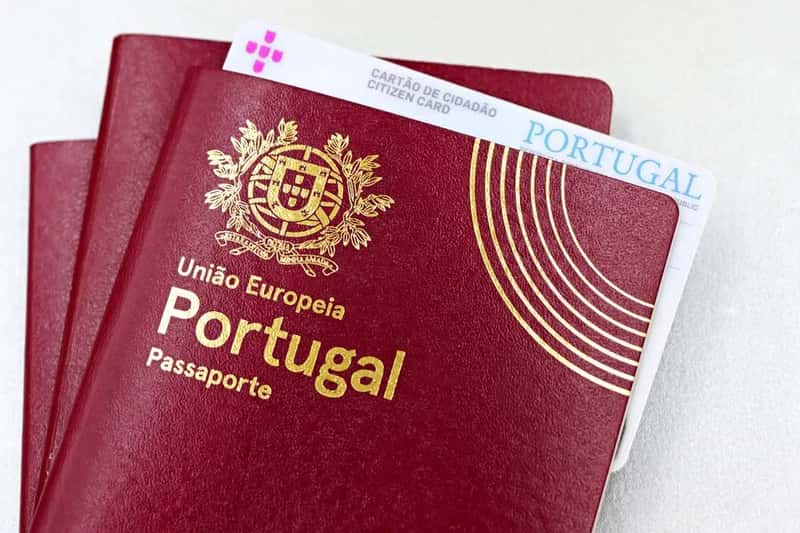
Portugal’s D7 visa remains one of the most approachable options in Europe for anyone with a steady passive income. As of 2026, the minimum passive income requirement is €920 per month, totalling around €11,040 per year. That income can come from pensions, rental property, dividends, or similar sources, which makes it realistic for retirees and remote income earners alike.
Once approved, holders can travel freely within the Schengen Area for up to 90 days in any 180 day period while building toward long term residency. Portugal did recently adjust its naturalization timeline, and the general citizenship eligibility period was extended from 5 years to 10 years for most applicants, so patience is now part of the deal. Even with that change, the D7 route remains a comparatively gentle entry point into EU life for those who can show consistent income.
Panama

Panama’s Friendly Nations Visa still stands out as one of the more direct paths to residency in Latin America, even after the program was tightened in 2021. There are three routes to qualify: getting a job with a Panamanian company employing at least 10 locals, buying property worth at least $200,000, or depositing $200,000 in a Panamanian bank for three years. Applicants also need to hold citizenship from one of the countries on Panama’s approved list, which includes most of North America, Europe, and several nations in Latin America and Asia.
What makes Panama particularly attractive for English speaking retirees and remote earners is its tax structure. Panama uses a territorial tax system, meaning income earned from abroad is not taxed in Panama, and the country simply runs on the US dollar, which removes a layer of financial friction many expats face elsewhere. After holding permanent residency for several years, visa holders can also work toward full citizenship, giving the program a genuine long term trajectory rather than a temporary parking spot.
Mexico

Mexico continues to draw more American and Canadian expats than almost anywhere else, and its Temporary Resident Visa is a big reason why. To qualify in 2026, applicants generally need to prove a monthly income of approximately $4,300 to $4,500 over the last six months, or an average savings balance of roughly $73,000 over the last twelve months. Those numbers fluctuate slightly by consulate, so it pays to check with the specific office handling the application.
Mexico is already home to over 1.6 million US citizens, the largest American expat community in the world, according to InterNations data, which means English is widely spoken in expat heavy areas even though Spanish remains the official language. The visa itself is renewable for up to four years, after which holders become eligible to convert to permanent residency. For anyone drawn to a lower cost of living without leaving the North American time zone, it is hard to beat the combination of accessibility and community.
Malta

Malta offers something rare in Europe: a Mediterranean lifestyle with English as an actual official language, not just a widely understood second tongue. The country’s Nomad Residence Permit requires applicants to demonstrate a minimum gross yearly income of €42,000, roughly €3,500 per month, from remote work. That threshold covers remote employees, freelancers, and business owners who work for companies outside Malta.
The tax setup is another draw. Permit holders receive a 12 month income tax exemption, after which a flat 10% rate applies to authorised work, compared to the progressive rate of up to 35% for residents. It is issued as a residence permit for up to one year that can be renewed three times, allowing a total stay of four years, so it functions more as an extended stay than a permanent settlement route. Still, for English speakers who want European culture without a language barrier, Malta is one of the simplest doors into the EU.
Costa Rica

Costa Rica has run one of Latin America’s oldest and most established retiree visa programs, and it still holds up well in 2026. The Pensionado category asks for a lifetime pension or retirement income of at least $1,000 per month, which covers Social Security and most private pensions. Those without a qualifying pension can apply under the Rentista category instead, which requires either $2,500 per month in guaranteed income or a $60,000 bank deposit held for two years.
Both categories share the same trajectory: temporary residency that can eventually convert into something more permanent. Both lead to permanent residency after three years, and income earned from foreign companies is not taxed in Costa Rica under the territorial tax system. English is common in tourist and expat regions like the Central Valley and Guanacaste coast, which softens the learning curve considerably for newcomers still working on their Spanish.
Ireland

Ireland has an obvious advantage that no visa policy can replicate: English is the everyday language, spoken by virtually the entire population. For skilled professionals, the Critical Skills Employment Permit remains the main route in, aimed at workers in fields facing shortages such as technology, engineering, and healthcare. As an EU member state with strong ties to both the United States and the United Kingdom, Ireland also tends to feel culturally familiar to expats arriving from either side of the Atlantic.
Dublin’s tech and pharmaceutical sectors have pulled in a steady stream of American and British professionals over the past decade, which has built genuine expat communities rather than isolated pockets. The country also offers a Stamp 0 route for financially independent retirees who can support themselves without working locally. Housing costs in Dublin have climbed noticeably in recent years, so many newcomers now look toward Cork, Galway, or smaller towns for a gentler cost of living without losing the English speaking advantage.
New Zealand

New Zealand runs one of the more transparent immigration systems in the world, built around a points based Skilled Migrant Category that rewards qualifications, work experience, and job offers in areas of shortage. Because English is the dominant language of daily life, there is no cultural adjustment period the way there might be in a non English speaking country. The application process is handled almost entirely online through Immigration New Zealand, which keeps things comparatively predictable compared to countries with more opaque bureaucracies.
Working holiday visas also give younger expats from several English speaking nations, including the UK, the US in limited numbers, Canada, and Ireland, a chance to live and work in the country for a year or more before deciding whether to pursue longer term residency. New Zealand’s healthcare and education systems are well regarded internationally, which matters for families weighing a permanent move. The tradeoff is distance. For expats based in North America or Europe, New Zealand sits about as far away as it gets, which shapes decisions around visits home and shipping belongings.
United Arab Emirates

The UAE, and Dubai in particular, has become a magnet for English speaking professionals largely because business there is conducted in English by default, regardless of nationality. The country does not levy personal income tax on salaries, which remains one of its biggest draws for expats relocating from higher tax countries. Golden Visa programs offer long term residency, typically five or ten years, to qualifying investors, entrepreneurs, and highly skilled professionals, while standard employment visas cover the vast majority of the expat workforce.
Dubai and Abu Dhabi both host large, established expat communities from the UK, the US, Australia, and South Africa, which means English language schools, healthcare providers, and social networks are already firmly in place. The process typically moves fast once a job offer or investment is secured, often taking just a few weeks from application to residency card. It is worth noting that most residency categories remain tied to employment or investment rather than offering a straightforward path to citizenship, so long term planning matters more here than in some other countries on this list.
Choosing among these eight countries really comes down to what matters most personally, whether that is proximity to family, cost of living, tax treatment, or simply how much bureaucracy a person is willing to tolerate. Visa rules shift often enough that anyone seriously considering a move should verify current requirements directly with the relevant consulate or immigration agency before making plans. What stays consistent across all eight is that English speakers can build a life abroad without spending years learning a new language just to handle daily errands, open a bank account, or make friends.