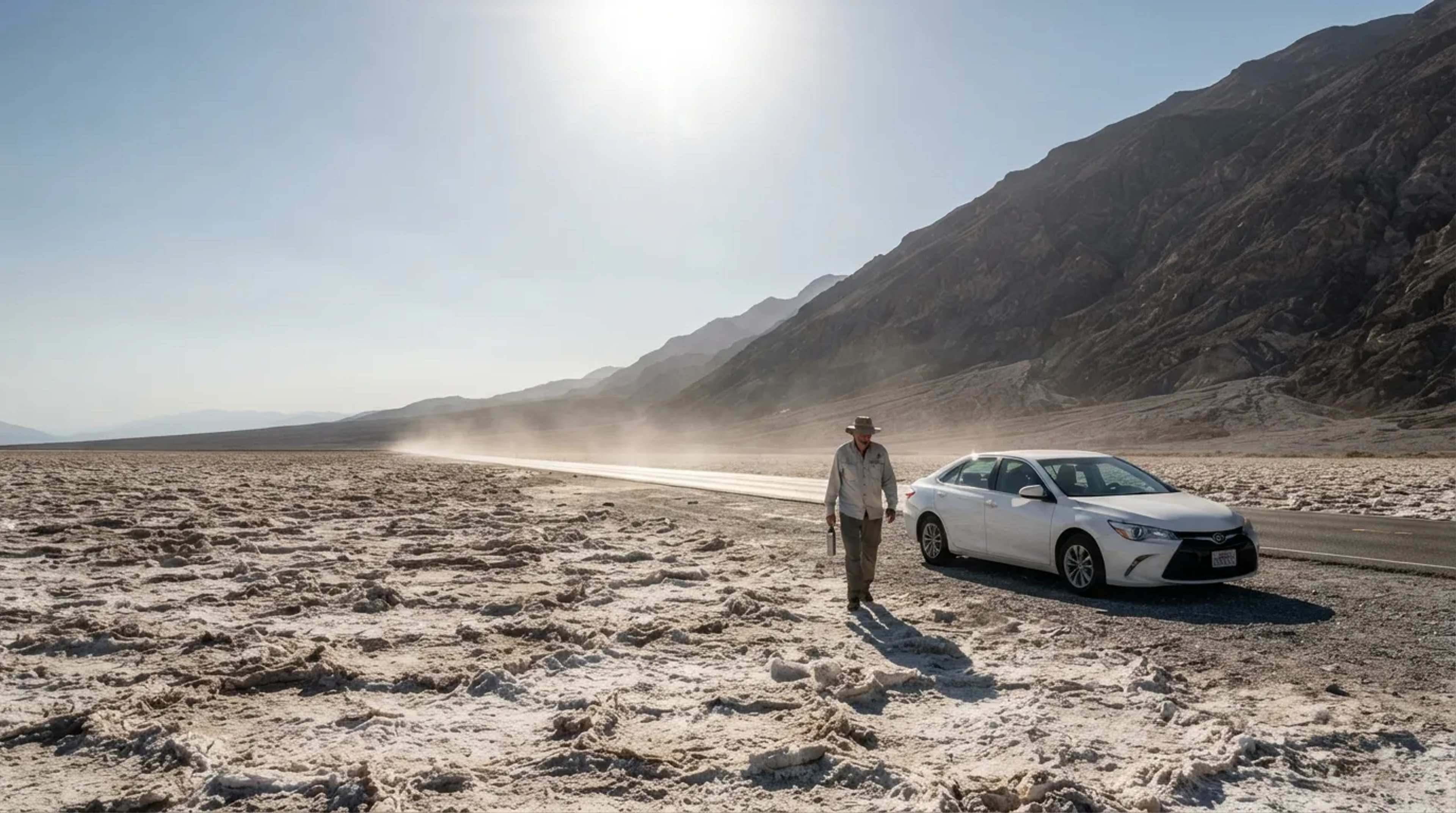
Coffee feels like an American obsession, what with a drive-through chain on nearly every corner and a to-go cup practically glued to commuters’ hands. Yet when researchers actually measure how much coffee people drink per person, the United States barely cracks the top twenty five. The countries that top these lists tend to share a few things in common: cold winters, small populations, and a coffee habit that’s less about convenience and more about ritual.
1. Finland
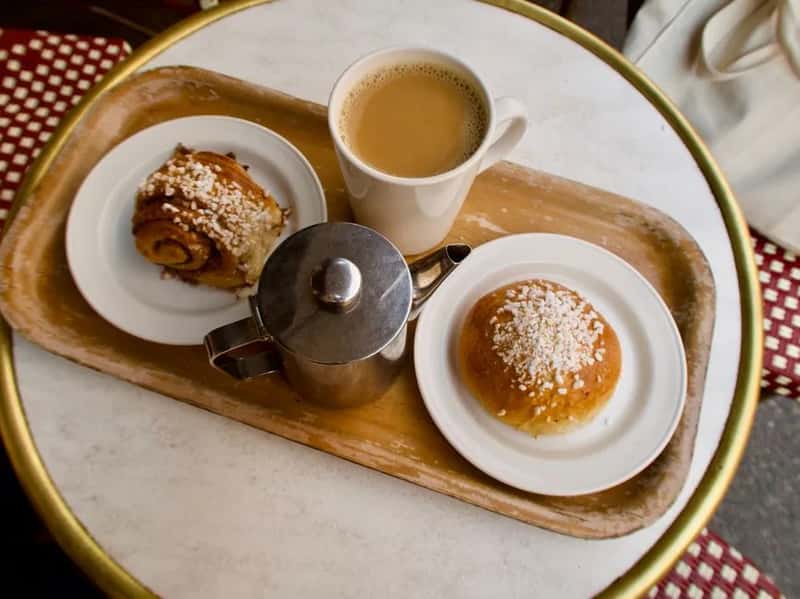
Finland leads global coffee consumption at 12 kg per person per year, a figure that has held steady across multiple industry datasets for years. The average Finn drinks almost 4 cups of coffee per day, and more enthusiastic coffee lovers may drink more than 20 cups in a day. The habit runs so deep that it shows up in national labor policy rather than just personal preference.
There is a legal requirement for companies in Finland to provide formal coffee breaks for their employees, a testament to the cultural significance of coffee. Finns also tend to keep it simple. Finns don’t like the addition of anything in their cups of coffee, like sugar or milk. Black coffee is the most popular drink in Finland.
2. Norway
Norway sits comfortably in second place, a country where coffee is woven into both daily routine and social life. About 80 percent of the country’s 5.6 million residents drink coffee, many of them four or more cups daily. The custom isn’t new, either.
Coffee in Norway was first popularized among the wealthy in the early 18th century, and kaffe is typically served black at breakfast and again with dessert after dinner, with Norwegians commonly inviting guests over specifically for coffee accompanied by cakes and pastries. In rural pockets of the country there’s even a stronger version of the tradition. In rural Norway, look out for karsk, a regional cocktail made with weakly brewed coffee, sugar, and a substantial pour of moonshine, a real Trøndelag tradition rather than a tourist invention.
3. Iceland
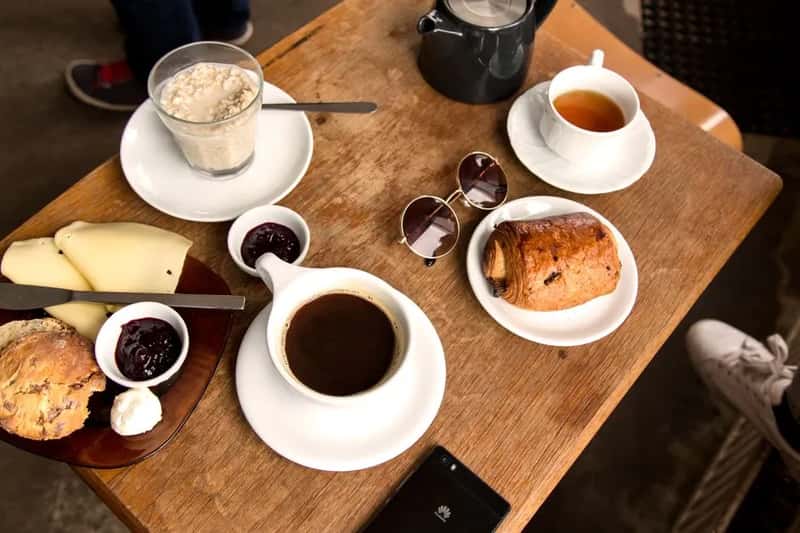
Iceland rounds out the podium with a per-capita figure that puts it firmly among the world’s heaviest coffee-drinking nations. Iceland consumes roughly 9 kg of coffee per person each year, a number that has kept it inside the global top three for over a decade according to industry compilations. Given the country’s long, dark winters and small, tightly connected population, that level of consumption tracks with patterns seen across the rest of the Nordic region.
Icelanders share the broader Scandinavian approach to coffee as a daily fixture rather than an occasional treat. It shows up at breakfast tables, in workplaces, and during the long stretches of winter darkness when a hot drink becomes less of a luxury and more of a necessity. The pattern lines up closely with neighboring Norway and Denmark, both of which sit just behind it on most rankings.
4. Denmark
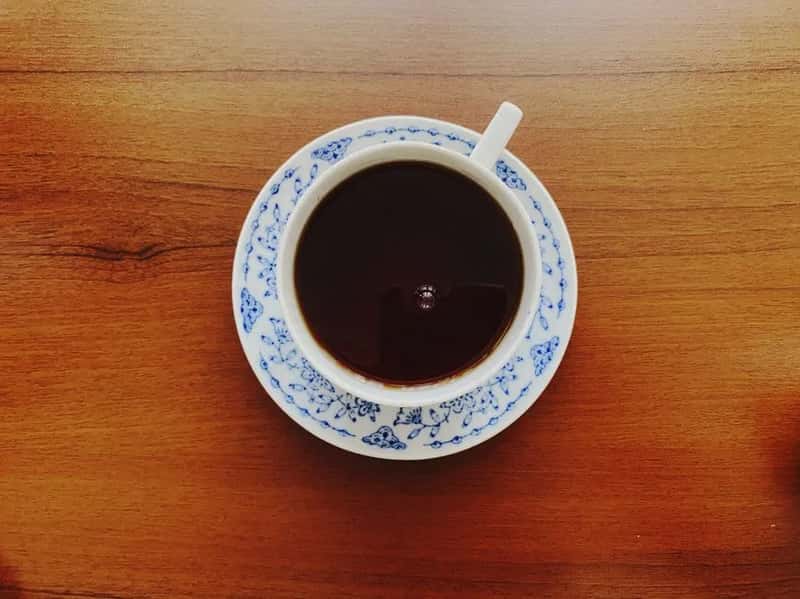
Denmark comes in fourth with 8.7 kg of coffee consumed per person annually, keeping pace with its Nordic neighbors. Danish coffee culture leans heavily into hygge, the concept of coziness that often centers around a warm drink shared with friends or family. That cultural weight comes with a price tag, too.
Denmark has the highest coffee price in the world at $5.40 per cup, a reflection of the country’s high cost of living and taxation on goods generally. Despite the expense, consumption hasn’t slowed. Coffee remains a fixture of everyday Danish life, served at home, in offices, and in the country’s dense network of cafés.
5. Netherlands
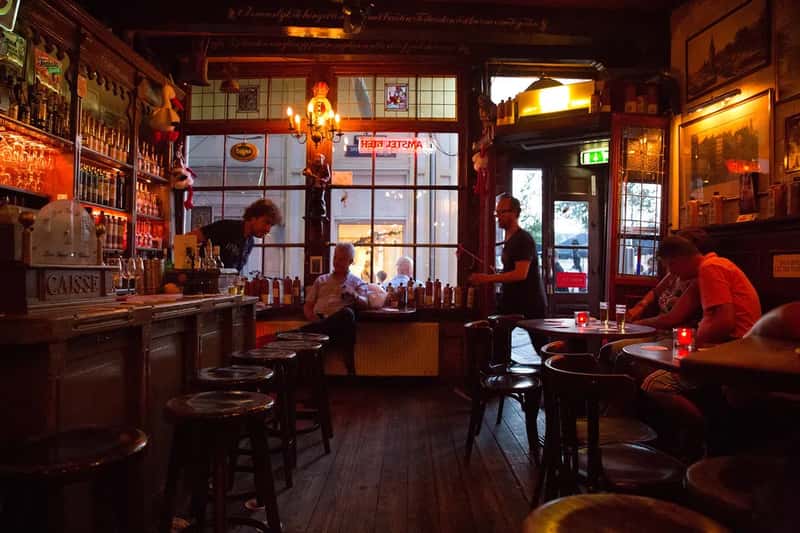
The Dutch drink 8.4 kg of coffee per person each year, placing the Netherlands fifth on the list. The country’s relationship with coffee goes back centuries and ties directly into its history as a trading nation. The Dutch have a rich coffee history, ranking among the leaders in per capita coffee consumption, with their love for coffee dating back to the 17th-century Age of Exploration when they discovered coffee in their overseas colonies.
That colonial-era trade network helped make the Netherlands one of the earliest European countries to establish coffee as a household staple rather than an exotic import. Today the drink remains central to Dutch social life, often served with a small cookie on the side during visits with friends or coworkers. The tradition has proven durable enough to survive shifting consumer trends toward tea and other beverages elsewhere in Europe.
6. Sweden
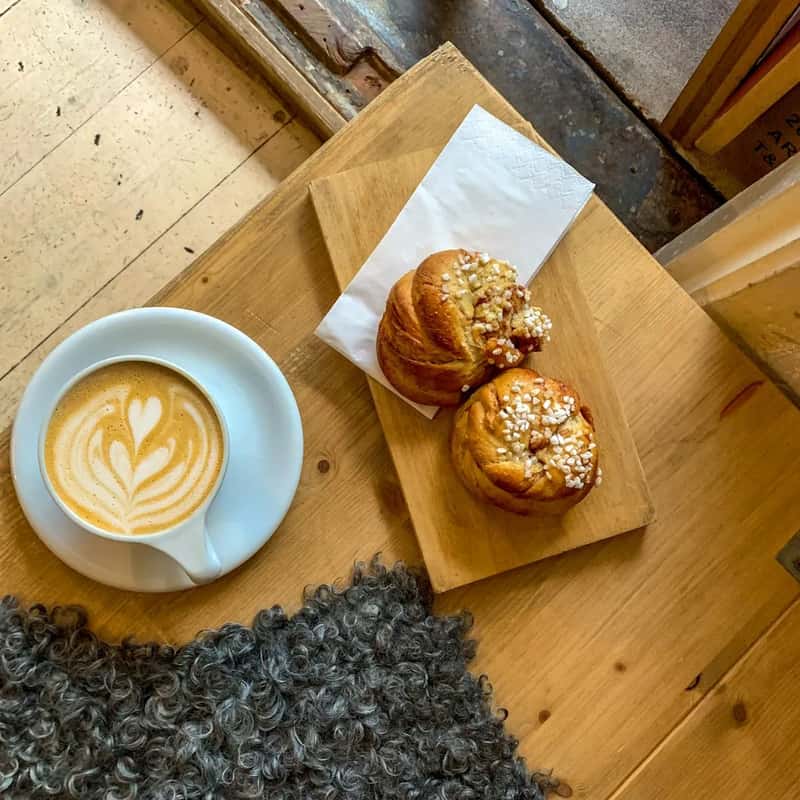
Sweden lands in sixth place with 8.2 kg consumed per person annually, a figure closely tied to one specific cultural institution. Fika is a Swedish tradition that involves taking a break to enjoy coffee, pastries, and socialize with friends and colleagues. It’s less a coffee break in the American sense and more a scheduled pause built into the rhythm of the workday.
Fika happens at set times, often mid-morning and mid-afternoon, and it’s treated as a genuine social obligation rather than an optional perk. Skipping it can feel like skipping a meeting. The custom has helped keep coffee consumption remarkably stable in Sweden even as younger generations experiment with tea and other alternatives.
7. Switzerland
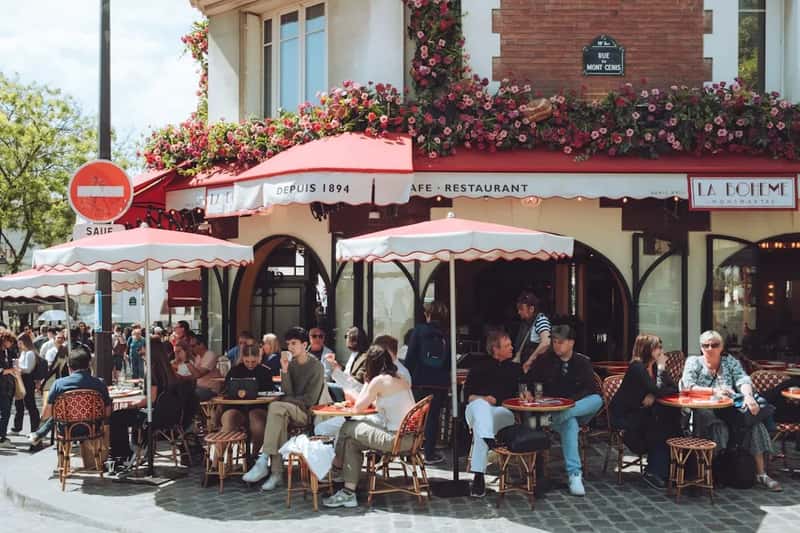
Switzerland comes in at 7.9 kg per person per year, landing it seventh on the list. Swiss coffee culture leans toward quality over quantity, with a strong preference for well-made espresso and specialty brews rather than large volumes of drip coffee. Switzerland, along with Norway, Finland, and Sweden, has similar high coffee prices due to high living costs and a preference for specialty coffee.
That preference for specialty coffee shapes how the country consumes it. Café culture is strong in cities like Zurich and Geneva, where coffee shops function as much as social gathering points as places to grab a quick drink. The relatively high price per cup hasn’t dampened demand, since coffee remains firmly embedded in daily Swiss routines.
8. Belgium
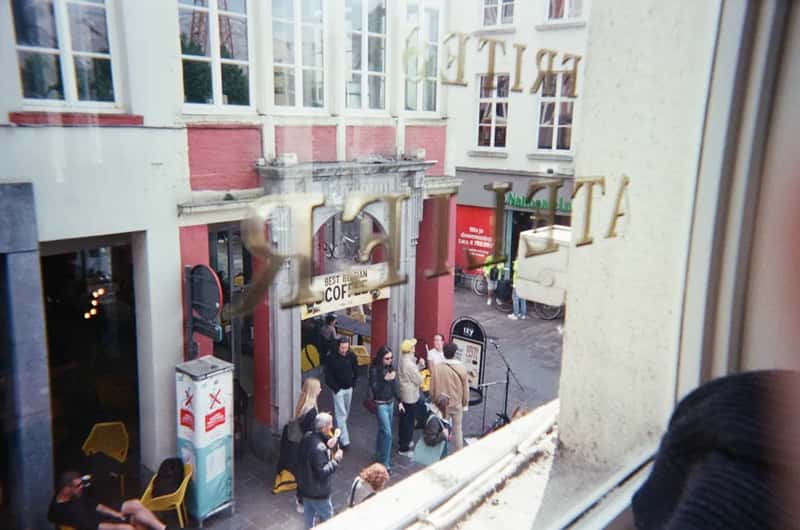
Belgium closes out the list at 6.8 kg of coffee per person annually, the final entry among the countries with the world’s heaviest per-capita coffee habits. Belgian coffee culture sits at the intersection of French and Dutch influences, with strong café traditions in cities like Brussels and Antwerp. Coffee here is typically paired with something sweet, whether that’s a waffle, a pastry, or a small piece of chocolate.
The country’s dense network of cafés and its long-standing tradition of taking coffee breaks during the workday have helped keep consumption levels high for decades. Belgium’s ranking places it just ahead of Luxembourg on the traditional per-capita measure, even though newer daily-consumption datasets sometimes flip that order due to differences in how commuter populations are counted. Either way, Belgium remains firmly inside the group of nations where coffee is treated as a daily essential rather than an occasional indulgence.
For comparison, the United States doesn’t come close to this group. Annual consumption per capita in the U.S. is about 5.02 kilograms, making it only the 69th biggest consumer of coffee worldwide on a per-person basis, with the average American drinking about three cups of coffee per day. Other datasets that measure daily cups rather than annual kilograms place the U.S. a bit higher, averaging 1.22 cups per day, placing it 24th overall, but either way it lands well outside the top tier. The gap comes down less to how much Americans like coffee and more to how differently it’s woven into daily life across small, cold-weather European nations where a coffee break isn’t just a habit, it’s practically an institution.