Most travelers still treat a rental car as the default. It feels like freedom, at least until you’re circling a city block for parking or paying a fuel bill in a currency you barely understand.
In some countries the trains, trams, buses and ferries are so well connected that a rental car turns into a costly extra. The eight places below are ones where you can realistically get around without a steering wheel, with a few honest limits noted along the way.
Switzerland
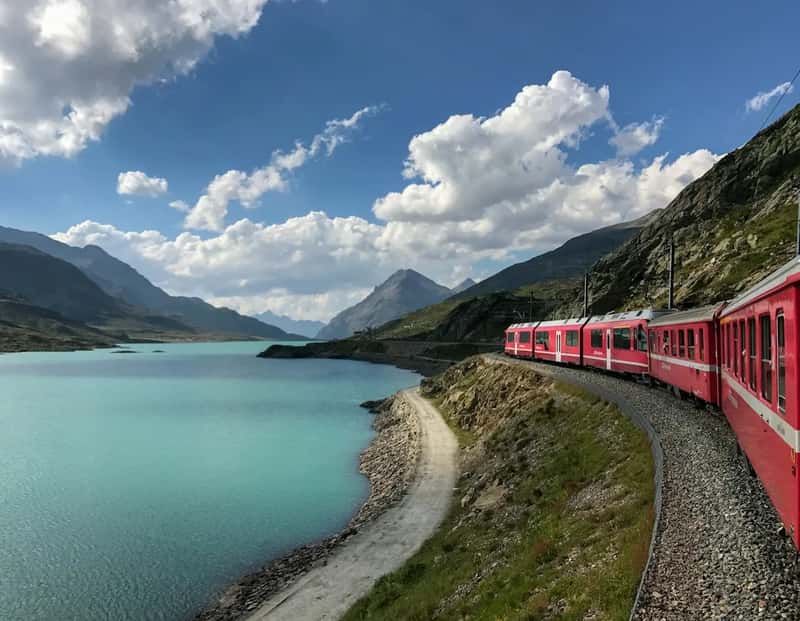
Switzerland is the textbook case. The Swiss Travel Pass covers unlimited travel on the SBB network and most private railways, buses, lake boats, and city trams and buses in 90 cities.[1] That means one pass can carry you from a lakeside city to an alpine village without a single ticket queue.
It isn’t cheap. The 2026 second class price runs from CHF 254 for three days up to CHF 499 for 15 days,[2] and prices rose by roughly five percent at the start of 2026.[3] Some extras cost more, since premium panoramic trains need seat reservations for an extra fee.[4] Even so, mountain lifts and scenic trains are often the whole point of a Swiss trip, and a car can’t take you up those anyway.
Japan
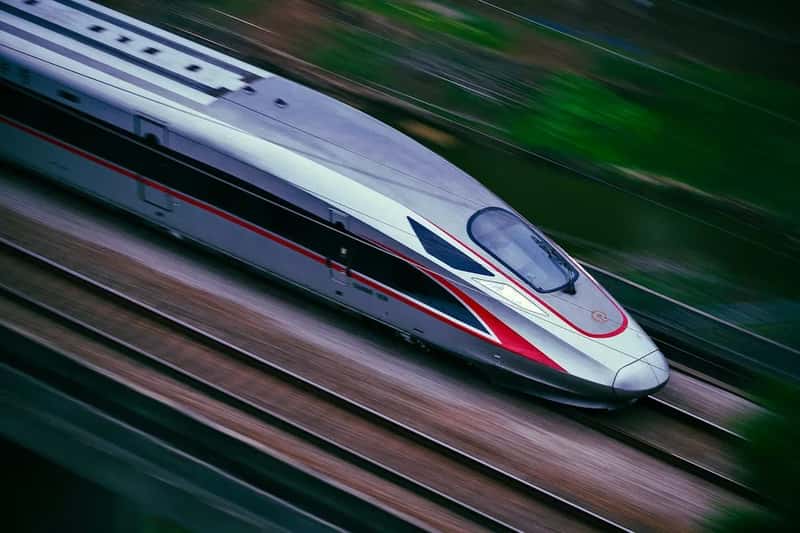
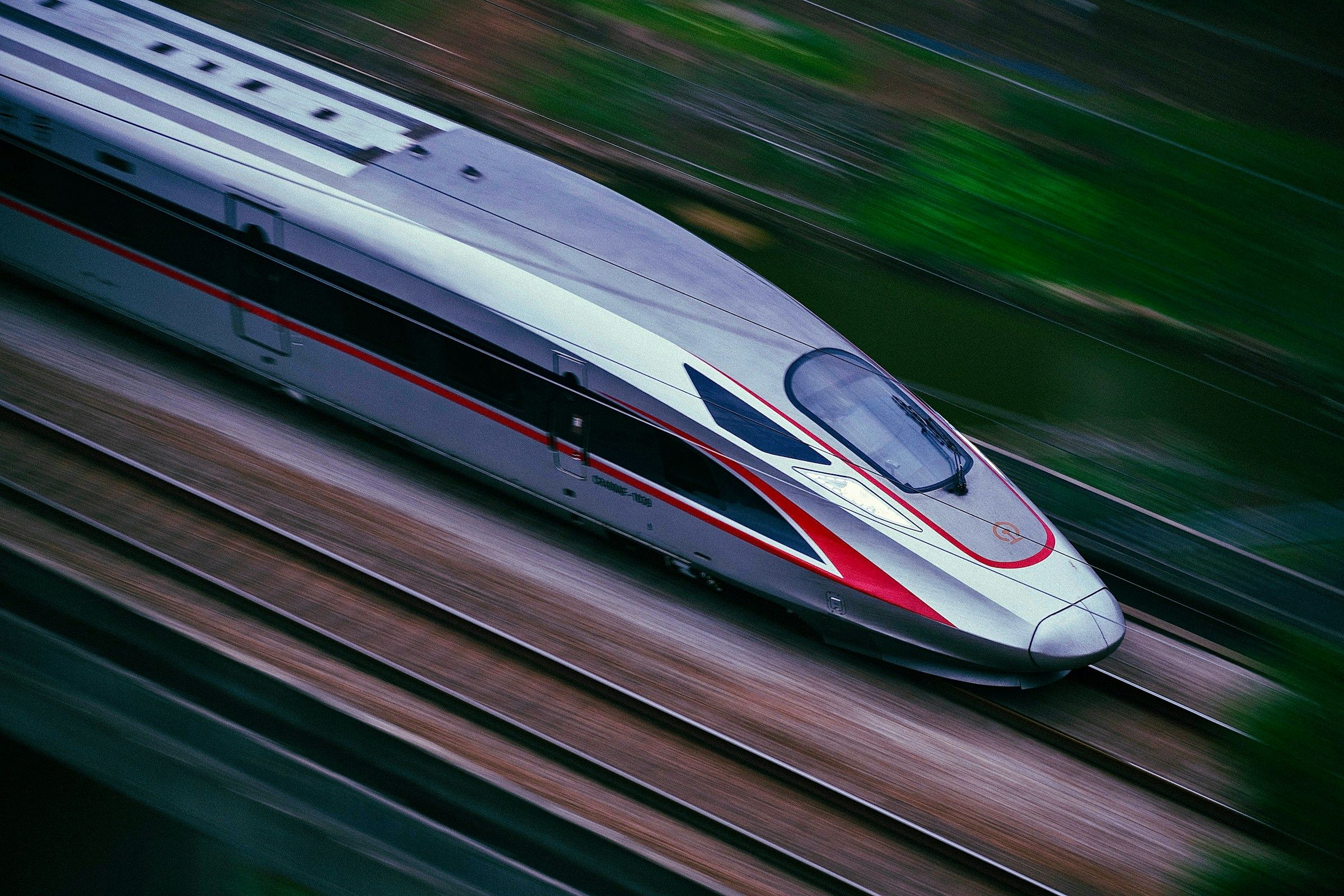
Japan’s rail network is the reason many visitors never think about driving. Between Tokyo and Osaka, trains can now make the journey in 2 hours and 25 minutes.[5] Trains also run on a strict schedule. JR Central reported an average delay of 1.6 minutes per train for fiscal 2023, and that figure includes delays caused by natural disasters.[6]
Cities are just as easy, with dense subway and commuter networks that make parking a nonissue. Reliability has limits, though. Typhoons in late summer and heavy snow in northern regions can force delays or temporary suspensions.[7] A car may still help in very rural corners of the country, but for the main tourist routes, the train wins.
The Netherlands

Dutch public transport works as one system, which is rarer than it sounds. Its national rollout was completed in June 2023, making the Netherlands the first country in the world to launch a fully contactless open loop public transport payment system on a nationwide basis.[8] In practice, you tap in and out across trains, trams, buses and metros.
The trains themselves are dependable. In 2025, about 85 percent of NS trains reached their final destination within three minutes of schedule, and roughly 95 percent arrived within ten minutes.[9] The last mile is covered too, since the OV-fiets bike share has around 22,000 bikes at 282 locations, mainly train stations.[10] One note for planning: the OV-chipkaart is due to be fully discontinued by 2027,[11] so the card details will change.
Germany
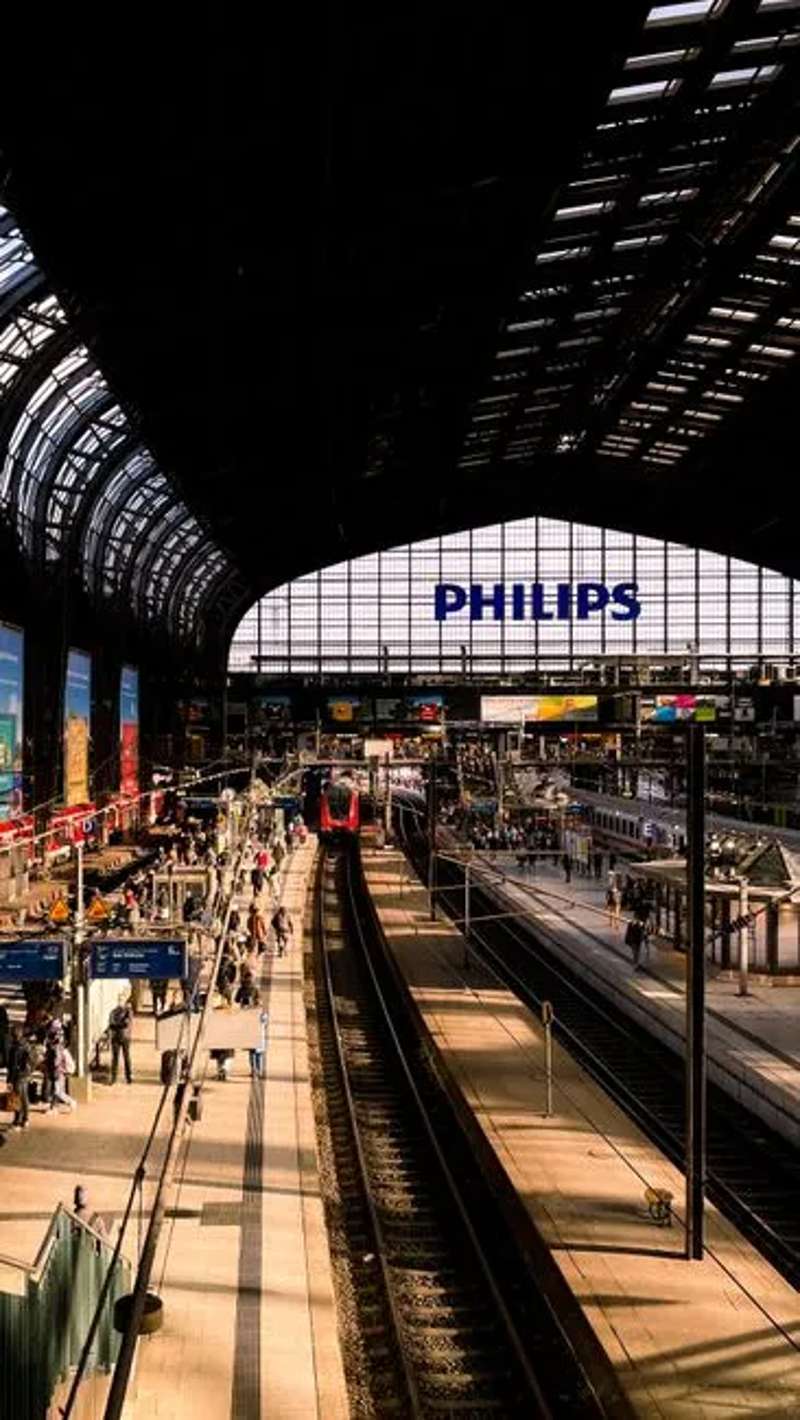
Germany’s big draw is one flat monthly pass. From 1 January 2026, the Deutschlandticket costs €63 per month.[12] It gives unlimited travel on local and regional transport nationwide, including buses, trams, S-Bahns, U-Bahns and regional RB and RE trains.[13] Tourists can buy it too, according to several websites and apps that offer purchase routes.[14]
There are catches worth knowing. The ticket doesn’t cover long distance trains such as IC, EC or ICE,[13] so cross country journeys can cost extra. It’s also a subscription, and cancellation is possible until the 10th day of each month.[15] Popularity has held up, with over 13 million active subscribers[16] reported in 2026.
Austria
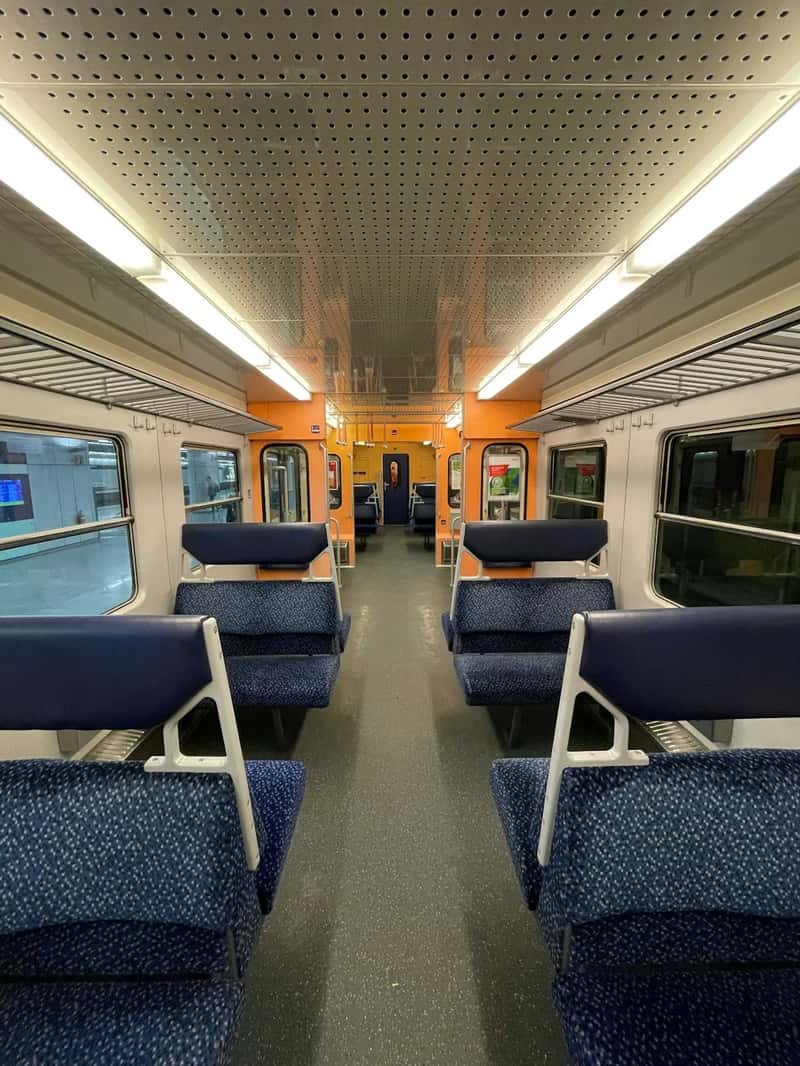
Austria has taken the flat rate idea further than most. Its KlimaTicket, launched in 2021, is a single annual pass that covers public transport across the whole country. That includes ÖBB trains, regional buses and city networks in places like Vienna, Salzburg and Innsbruck.
For visitors on a short trip, an annual pass doesn’t make sense, so day and regional tickets are the usual choice. The trains connect the major cities frequently, and Vienna’s metro and tram network is easy to use. Alpine valleys can be patchier, so check timetables for remote trailheads before ruling out wheels completely.
Singapore
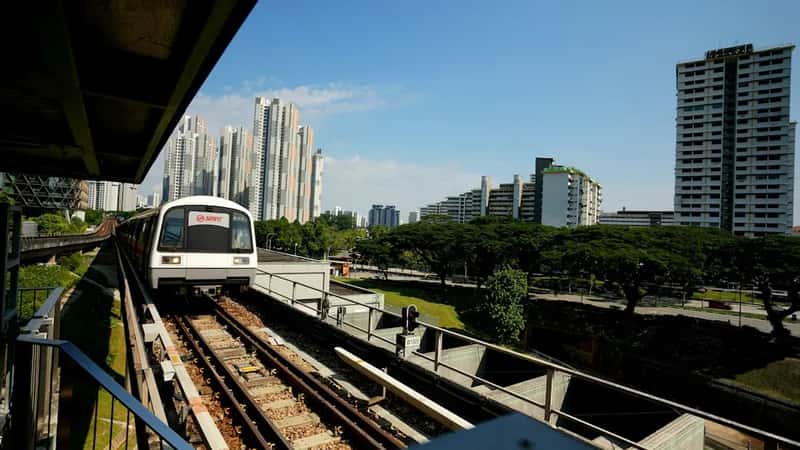
Singapore is small, dense and built around its MRT. The city state also makes driving deliberately expensive, since buyers must win a Certificate of Entitlement just to register a car. That policy pushes almost everyone toward trains and buses, and it shows in how well the network is run.
For a visitor, the setup is simple. Fares depend on distance, you can pay with a contactless card or a tourist pass, and stations sit within a short walk of most attractions. Taxis and ride hailing fill the odd gap late at night. A rental car here would mostly sit in a parking garage, costing money.
South Korea
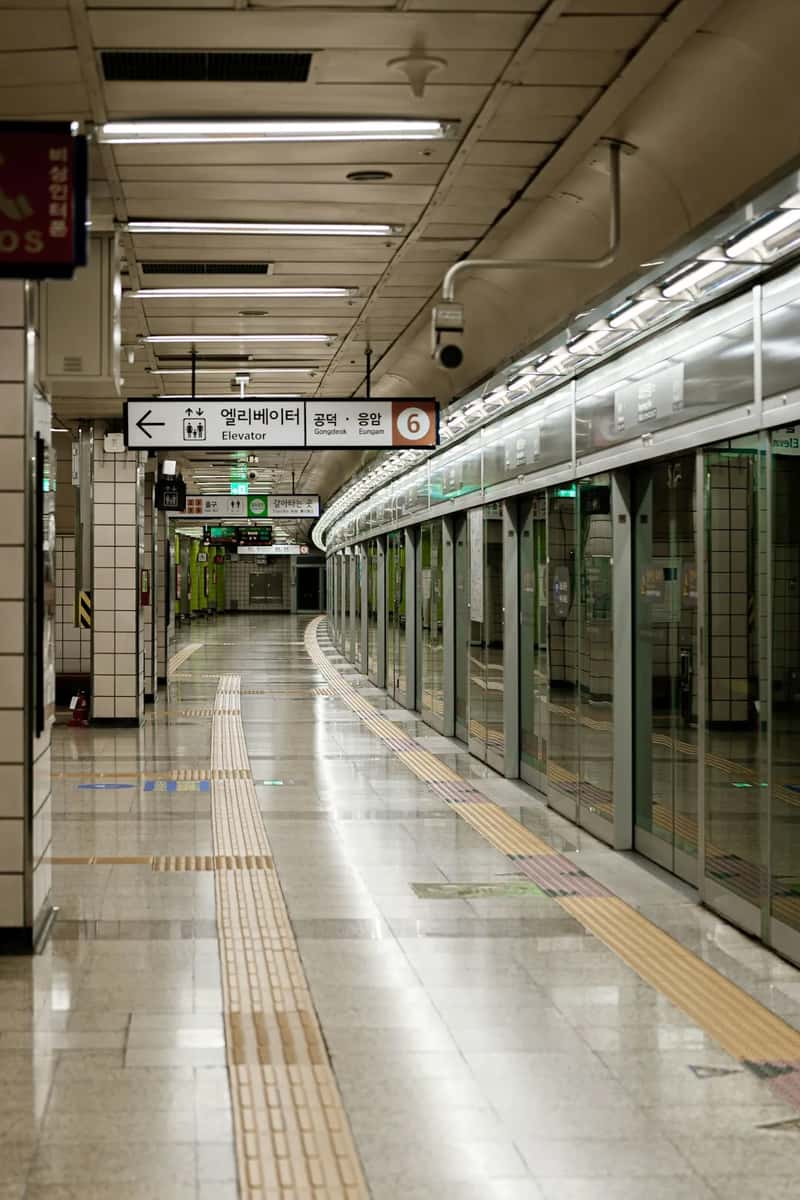
South Korea pairs a huge urban subway system with fast intercity rail. Seoul’s subway reaches airports, palaces, markets and the suburbs, and the T-money card works across subways and buses in Seoul and in many other cities. Signs and announcements come in English, which helps first timers.
Between cities, the KTX high speed trains connect Seoul and Busan in under three hours. Slower regional trains and express buses cover smaller towns. Rural Jeju Island is the main exception, where some travelers do rent cars, though buses cover the main sights.
Spain
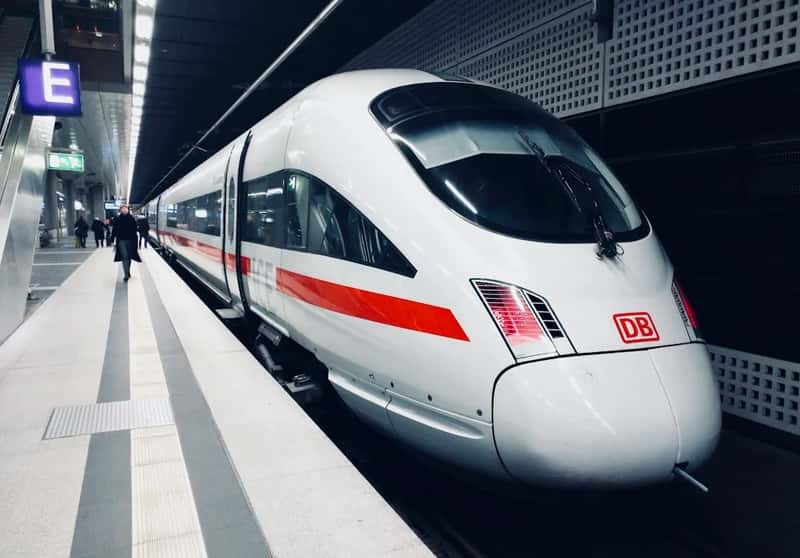
Spain surprises people who assume it’s a road trip country. Its AVE high speed network is among the largest in the world, linking Madrid with Barcelona, Seville, Valencia, Málaga and more. Madrid to Barcelona takes roughly two and a half hours by train, often city center to city center.
Competition has helped too, with private operators such as Ouigo and Iryo joining state run Renfe on major corridors, which has pushed some fares down. Madrid, Barcelona and Valencia all have metro systems that make a car pointless within city limits. The honest limit is the countryside, where small villages and the white towns of Andalusia are far easier with a car.