It’s hard to imagine in 2026 that in some parts of the world, adult women still need permission from a male relative to make basic life decisions. When we think about progress and equality, we often assume these battles have been won. The reality is far more complex than we’d like to believe.
Across multiple continents, deeply rooted systems continue to strip women of their autonomy, treating them as perpetual children who cannot be trusted with their own lives. These aren’t just cultural traditions existing in isolation. They’re codified into law, enforced by governments, and defended by those in power.
1. Saudi Arabia: When Reform Meets Reality
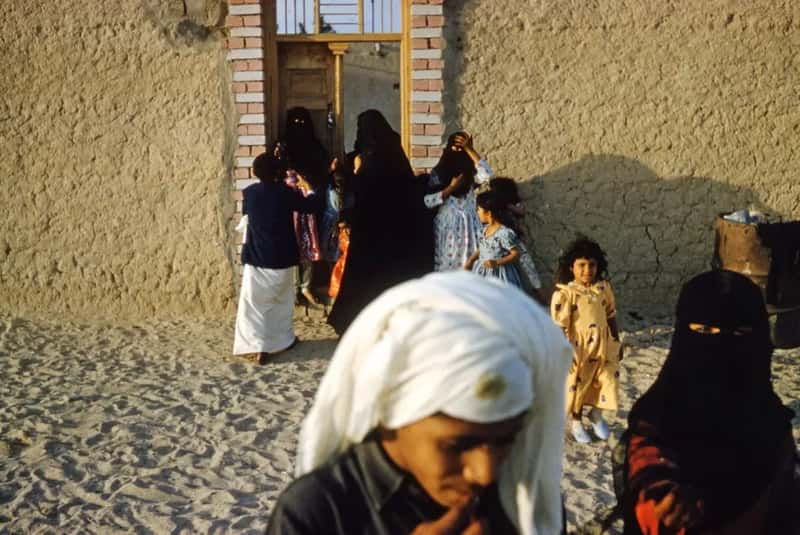
Women in Saudi Arabia have traditionally been treated as minors in legal terms for their entire lives. Since 2019, the system has undergone some reform, allowing women aged over 21 to access healthcare, education, state services, and jobs without their guardian’s approval. These changes made headlines worldwide and were celebrated as historic progress.
Yet the picture remains troubling. Saudi Arabia’s Personal Status Law, issued on March 8, 2022, formally enshrines male guardianship over women and contains discriminatory provisions concerning marriage, divorce, and decisions about their children. Women who are incarcerated still require male guardian permission to leave prison, even upon completion of their sentences. The gap between announced reforms and lived reality for Saudi women continues to be significant, according to human rights organizations monitoring the situation.
As a result of national efforts, the participation rate of women in the labour market until the end of the second quarter of 2024 was 35.4 per cent. Progress is happening, slowly. The question is whether it goes deep enough to truly dismantle a system that has controlled women for generations.
2. Afghanistan: Erased From Public Life
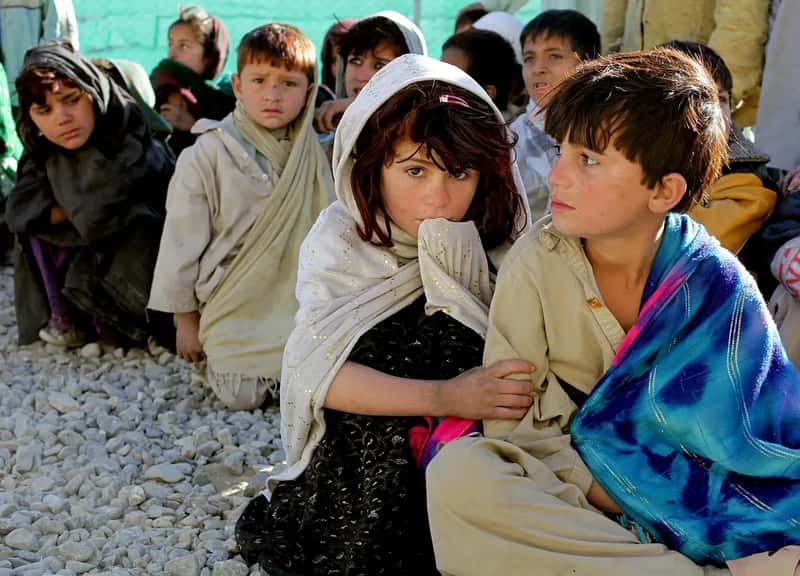
The situation in Afghanistan worsened in 2024 as the Taliban authorities intensified their crackdown on human rights, with Afghanistan remaining the only country where girls and women were banned from secondary and university education. This isn’t just discrimination. It’s systematic erasure.
In 2020, Afghan women held over 25 per cent of seats in Parliament, but today they hold no positions in the de facto cabinet. In many parts of the country, women must be accompanied by a male relative when they leave their homes, and widows or women without close male relatives must risk their safety simply to buy food or access healthcare.
More than 3,300 men designated by the Taliban now enforce a sweeping set of restrictions, including the requirement that women not speak in public, as set out in the Law on the Propagation of Virtue and Prevention of Vice introduced in August 2024. The world watches, but Afghan women remain trapped in what many experts now describe as gender apartheid.
3. Yemen: Conflict and Control
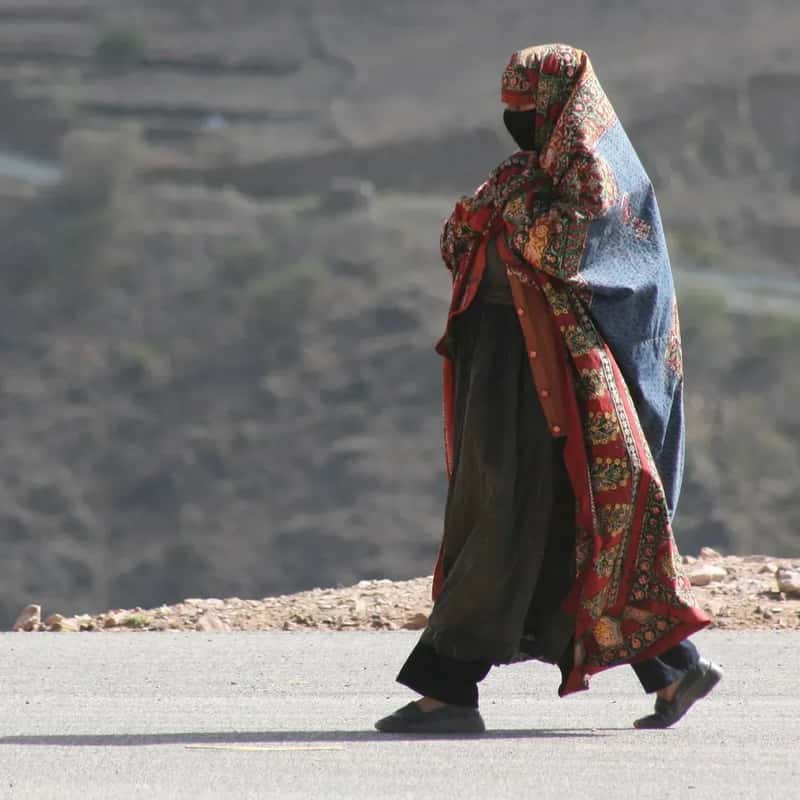
While Yemen’s law does not require women to travel with an immediate male family member, some of Yemen’s laws and practice restricted women’s movement long before the outbreak of the current conflict in 2014, and authorities require a woman to have both the permission and presence of their male guardian to obtain or renew their personal identity cards or passports.
Authorities across Yemen are increasingly restricting women’s freedom of movement, harming women’s ability to access work, education, and health care. Movement restrictions on women continue unabated and are pervasive across the country, with authorities in both government-controlled and Houthi-controlled areas continuing to hinder women from traveling between governorates and from traveling abroad without a male guardian’s permission.
In 2021, Yemen ranked 155 of 156 in the World Economic Forum’s Global Gender Gap Index, with Yemeni women holding only 4.1 per cent of managerial and decision-making positions. War has intensified inequalities that already existed, leaving women doubly vulnerable.
4. Sudan: Laws Written in Patriarchy
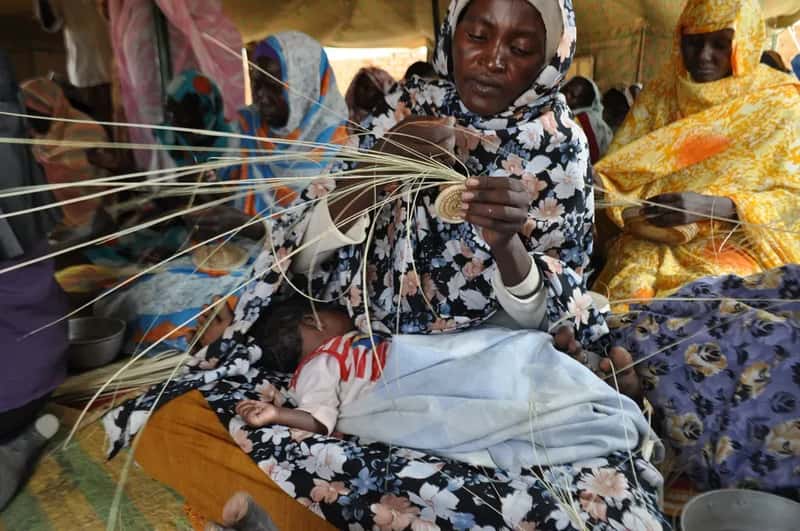
Sudanese women continue to be shackled by the guardianship system that is deeply rooted in society and facilitated by Sudan’s 1991 personal status laws for Muslims. The personal status law of 1991 is based on principles of male guardianship and a breadwinner model, and the husband has the right to confine his wife to their home unless she obtains his permission to leave.
Despite the 2019 revolution that brought down Omar al-Bashir’s regime and sparked hope for reform, the legal framework remains stubbornly discriminatory. Women cannot work outside the house if their husbands do not permit it, and regulations related to the passport and immigration law continue to hurdle women from travelling on their own or without their husband’s permission.
The legal framework does not protect women against domestic violence, and the police justice sector has actively discouraged women who have tried to report or take cases to court, with women and girls who report domestic violence being rejected and sent home to resolve problems within their family. The revolution brought new faces to power, but old laws remain intact.
5. Iran: Mandatory Control and Resistance
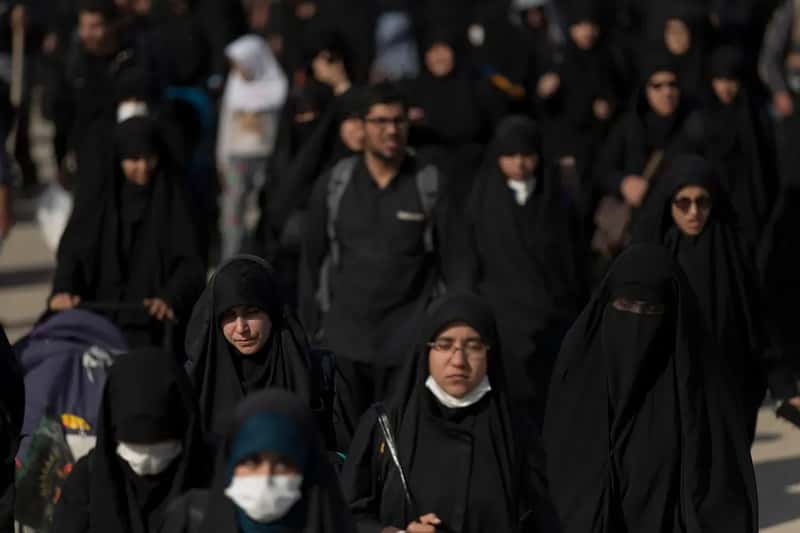
Women in Iran face legal and societal discrimination, especially concerning marriage, divorce and child custody, and the mandatory hijab law, enforced since the 1979 Islamic Revolution, restricts women’s freedom of expression, with women protesting against these laws facing arrest, imprisonment, and harassment.
The guardianship system in Iran operates through multiple layers of control. Women need permission for travel, marriage, and employment in many cases. The state enforces these restrictions through both formal law and informal pressure, making resistance dangerous.
Women who challenge the system pay a heavy price. The protests that erupted following the death of Mahsa Amini in 2022 showed the world how Iranian women risk everything to demand basic freedoms. Yet the legal framework that treats them as perpetual minors remains firmly in place, defended by authorities who see gender equality as a Western threat rather than a human right.
6. Iraq: Tradition Codified Into Law
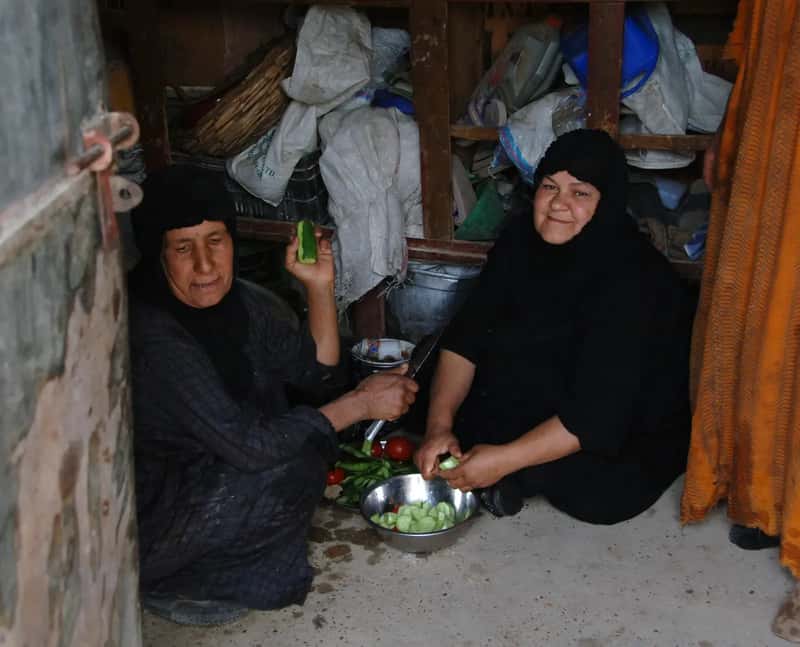
Iraqi women face restrictions embedded in the country’s Personal Status Law, which governs marriage, divorce, inheritance, and custody. Male guardianship requirements persist, particularly around marriage where women often need a male guardian’s consent to marry.
The situation varies dramatically depending on where you are in Iraq. Kurdish regions in the north have made more progress on women’s rights than other parts of the country. In conservative areas, social norms often impose even stricter controls than the law requires, leaving women with little room to exercise autonomy.
Conflict and instability have made enforcement inconsistent, but this hasn’t necessarily benefited women. Instead, it’s created a vacuum where tribal customs sometimes fill the gaps left by weak state institutions, and these customs are rarely progressive when it comes to women’s rights. Iraqi women continue to navigate a complex maze of formal laws and informal restrictions that limit their legal capacity.
7. Syria: War and Women’s Rights
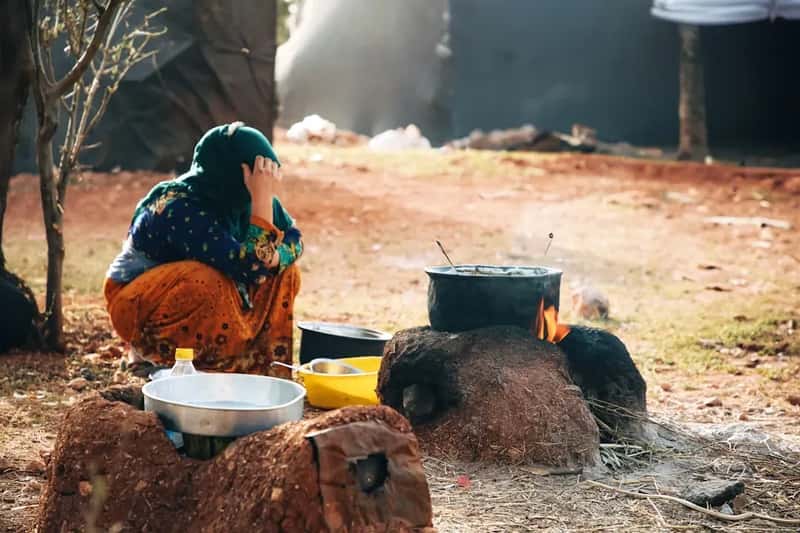
Syria’s legal system has long placed women under male guardianship for key decisions. The country’s Personal Status Law requires women to have a male guardian for marriage and limits their rights in divorce and child custody compared to men.
The ongoing conflict since 2011 has devastated what little progress existed. With the collapse of state institutions in many areas, women face control not just from family members but from various armed groups, each imposing their own interpretation of women’s proper role in society.
Different regions now operate under different legal systems, from government-controlled areas to territories held by various opposition forces. For women, this fragmentation means their rights depend entirely on geography. In some areas, restrictions have intensified beyond what Syrian law previously required, with women facing severe limitations on movement, education, and work. The war didn’t create Syria’s guardianship system, but it certainly hasn’t helped dismantle it.
8. Brunei: Wealth and Restrictions
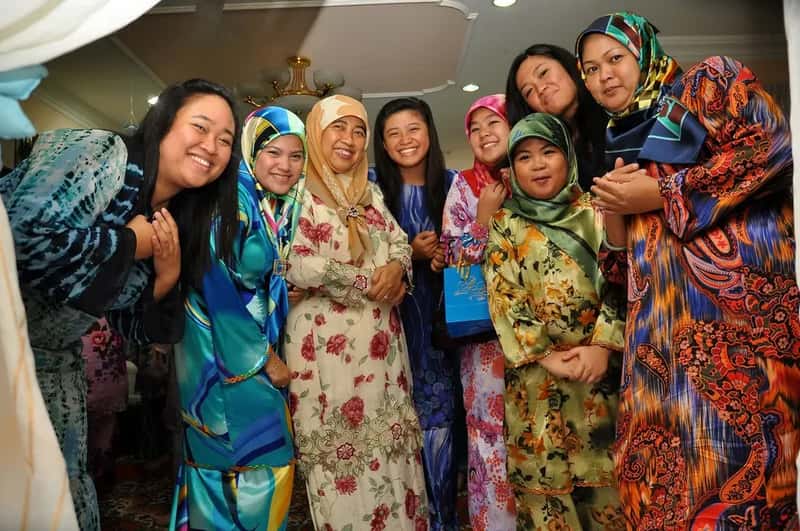
Brunei presents an interesting paradox. This small, wealthy nation on the island of Borneo has one of the highest standards of living in Southeast Asia, yet women still face significant legal restrictions under its dual legal system combining civil law and Sharia.
Muslim women in Brunei, who make up the majority of the female population, are subject to Islamic Family Law that places them under male guardianship for marriage. Women need a male guardian’s consent to marry, and the law grants fathers automatic guardianship of children in many circumstances.
The implementation of Sharia Penal Code provisions in recent years has raised concerns among international human rights organizations about further restrictions on women’s autonomy. While Brunei’s economic prosperity means women have access to education and healthcare, legal equality remains elusive. Wealth can provide comfort, but it doesn’t guarantee freedom when the law itself treats you as less than fully capable.
These eight countries represent different regions, cultures, and levels of economic development. What they share is a legal framework that refuses to recognize women as fully autonomous adults. Reform happens slowly when it happens at all, often celebrated loudly while leaving fundamental structures of control intact. For millions of women living under these systems, the question isn’t whether change will come, but whether they’ll see it in their lifetimes.