Arriving in the United Kingdom for the first time can feel a bit like landing in a place that speaks your language but plays by a different rulebook entirely. The signs are in English, the currency looks straightforward, and yet within a day or two, most visitors start noticing small frictions they never expected. These aren’t dramatic culture clashes so much as quiet surprises, the kind that make you pause mid-conversation and think, wait, what just happened there.
From how people talk about the weather to what actually happens when you try to tip a waiter, the UK has its own social choreography. Understanding it in advance can save a fair amount of confusion, and honestly, a bit of embarrassment too.
1. The unspoken rules of queuing
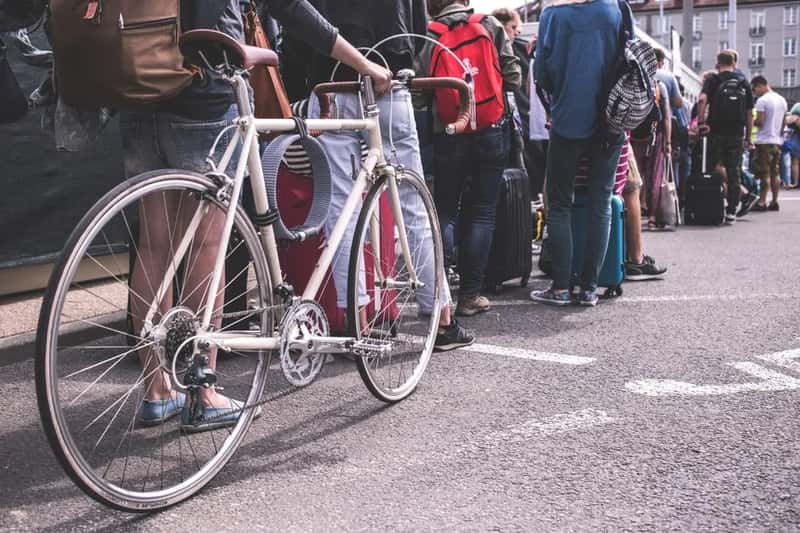
Queuing in Britain isn’t just a practical habit, it’s closer to a social contract. Cutting in line, even accidentally, can provoke a level of silent disapproval that feels disproportionate to the offense. Visitors often underestimate how seriously this is taken until they find themselves on the receiving end of a pointed stare or a polite but firm “excuse me.”
What surprises many newcomers is how orderly this happens without anyone actually organizing it. Bus stops, pharmacy counters, even informal gatherings tend to sort themselves into a line almost instinctively. There’s no shouting, no shoving, just a shared assumption that everyone waits their turn, and breaking that assumption stands out immediately.
2. Tipping is modest, and never automatic
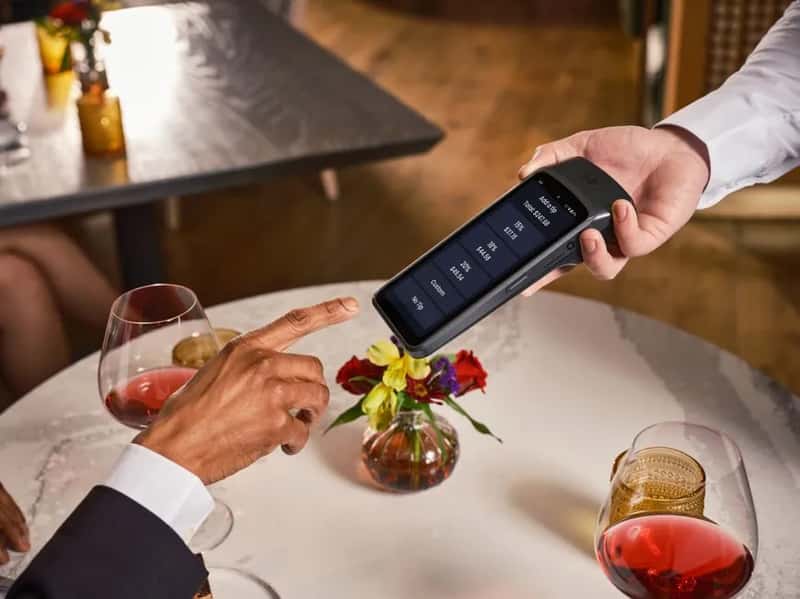
Unlike the United States, tipping in the UK carries far less weight and far fewer unwritten rules. Servers are legally entitled to at least the national minimum wage regardless of tips, which changes the whole dynamic around gratuity. In the UK servers must be paid the national minimum wage, and restaurant owners are not allowed to calculate tips into that figure.
Most guidance suggests around ten percent at sit-down restaurants if a service charge hasn’t already been added to the bill. Tipping is not mandatory in London, with restaurants typically expecting 10 to 15 percent if no service charge is included, since one is often already added. Bars, cafes, and takeaway counters rarely expect anything at all, which can catch American visitors off guard when their instinct to tip on every transaction meets polite indifference.
3. Small talk about the weather is a genuine social currency
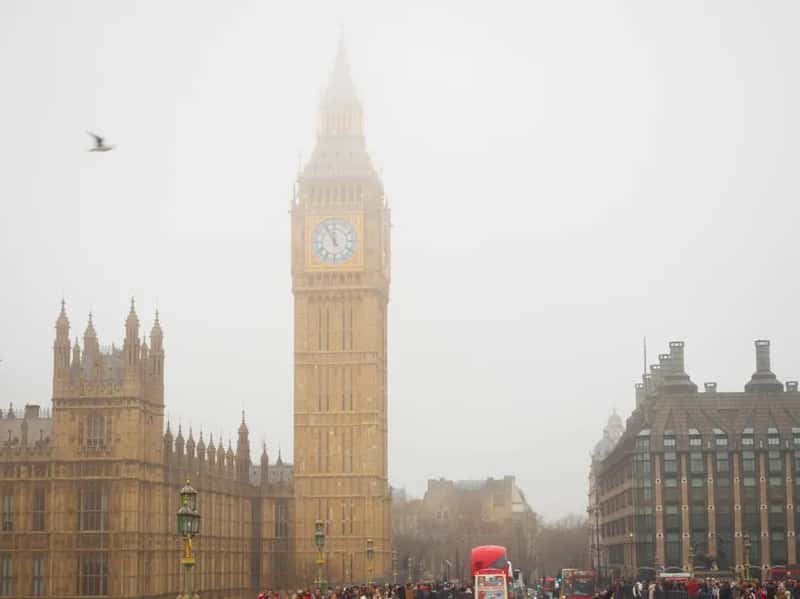
Talking about rain, sunshine, or the chance of both in the same afternoon isn’t filler conversation in Britain, it’s practically a national pastime. Strangers at bus stops, coworkers in elevators, even taxi drivers will open with a comment about the sky before anything else. First-time visitors often assume this is small talk in the dismissive sense, but it functions more as a gentle icebreaker that keeps social interactions comfortable and low-stakes.
What makes it stranger to outsiders is the sheer consistency of it. The weather genuinely does shift often enough to justify the obsession, and locals track it with a kind of resigned humor rather than complaint. Visitors quickly learn that responding with anything more than a shrug and a mild opinion can feel oddly intense.
4. “Sorry” becomes a verbal reflex

Newcomers are often stunned by how frequently British people apologize, even when nothing has gone wrong. Someone bumps into you, and you apologize. You ask a stranger for directions, and they apologize for not knowing. It’s less about genuine remorse and more a social lubricant that smooths over minor friction before it becomes awkward.
This habit can confuse visitors who take apologies literally, wondering what exactly they’re being apologized to for. Over time, most people realize “sorry” in British English carries a whole spectrum of meanings, from actual regret to a polite way of asking someone to move, to simply filling a conversational gap.
5. Pubs close earlier than most visitors expect
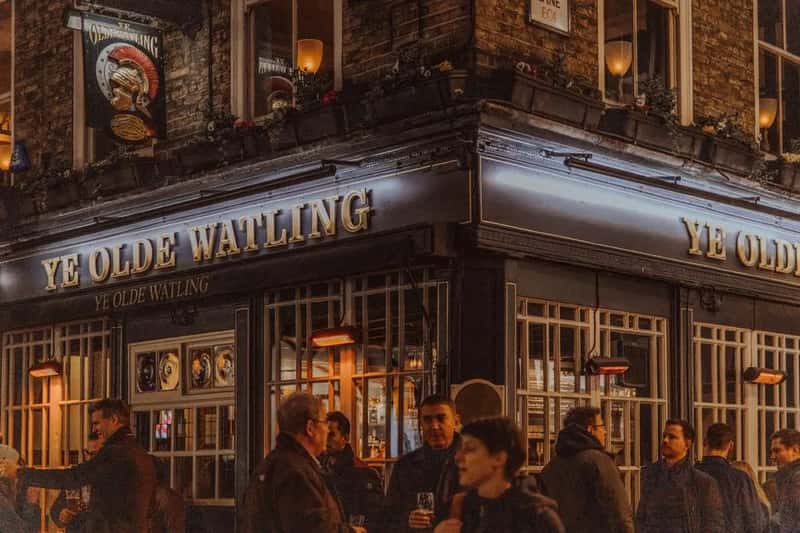
Pub culture is genuinely central to British social life, but the hours don’t always match the reputation. Many pubs, particularly outside major cities, still wind down service around eleven at night, and some close even earlier on Sundays due to long standing licensing traditions. Visitors expecting a late-night bar scene similar to continental Europe or the United States are often surprised to find streets quieting down well before midnight.
There’s also a shift happening around tipping in pubs specifically, which has become more common than it used to be. Tipping is now taking place at pubs, bars and nightclubs with the second-greatest frequency among all merchant categories, a noticeable change from the traditional “no tipping at the bar” norm that many locals grew up with.
6. Driving on the left, and roundabouts everywhere
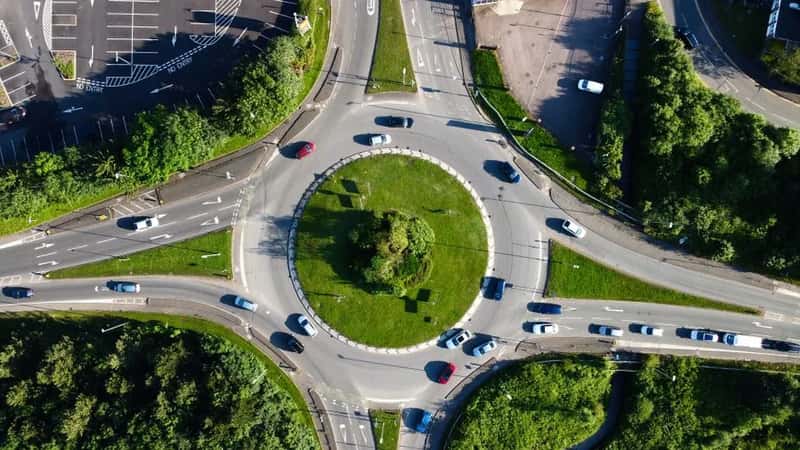
For visitors from countries that drive on the right, adjusting to British roads takes more mental effort than expected. It’s not just the side of the road, it’s the instinctive habits, reaching for the wrong side of the car, misjudging turns, or feeling disoriented at intersections that seem to have no clear order at all. Roundabouts in particular multiply this confusion, since the UK relies on them far more heavily than many other countries do for managing traffic flow.
Rural roads add another layer of surprise, often narrower and hedged in on both sides, sometimes barely wide enough for two cars to pass. First-time renters frequently describe the first hour behind the wheel as nerve-wracking, followed by a slow realization that locals navigate these roads with a casualness that seems almost unbothered.
7. The NHS isn’t automatically free for every visitor
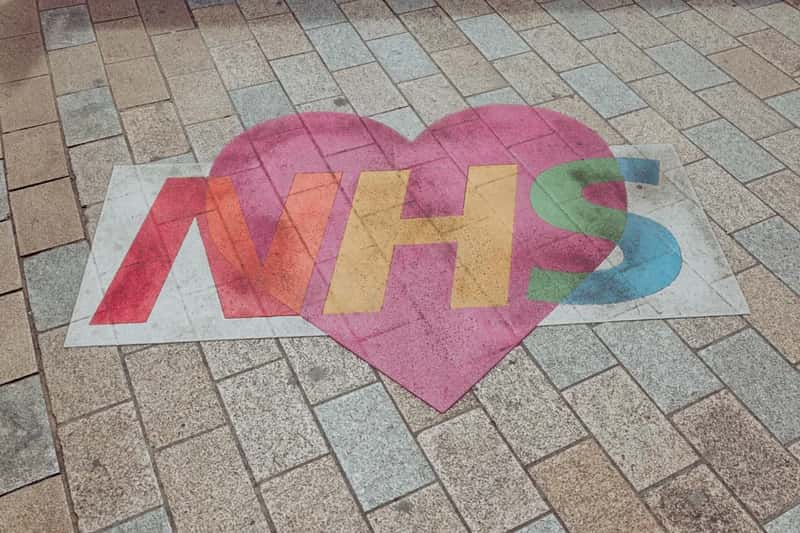
Many travelers arrive believing that Britain’s public healthcare system means free treatment for anyone within its borders, but the reality depends heavily on visa status. Short-term visitors on a standard visitor visa are generally exempt from the Immigration Health Surcharge, since visitor and short-term visa holders in the UK do not need to pay the surcharge.
However, that doesn’t mean healthcare is automatically free at the point of use for tourists. Those on longer visas typically pay a mandatory annual charge, which as of 2026 stands at £1,035 per year for most adult applicants, or £776 per year for students, their dependants, Youth Mobility Scheme visa holders and for child applicants under 18. Even after paying it, certain costs aren’t covered, since NHS prescriptions in England cost £9.90 per item, frozen for 2026/27, while prescriptions remain free in Scotland, Wales, and Northern Ireland. Tourists on short stays are usually better off relying on travel insurance rather than assuming free care applies to them.
8. Regional accents can be genuinely hard to decode
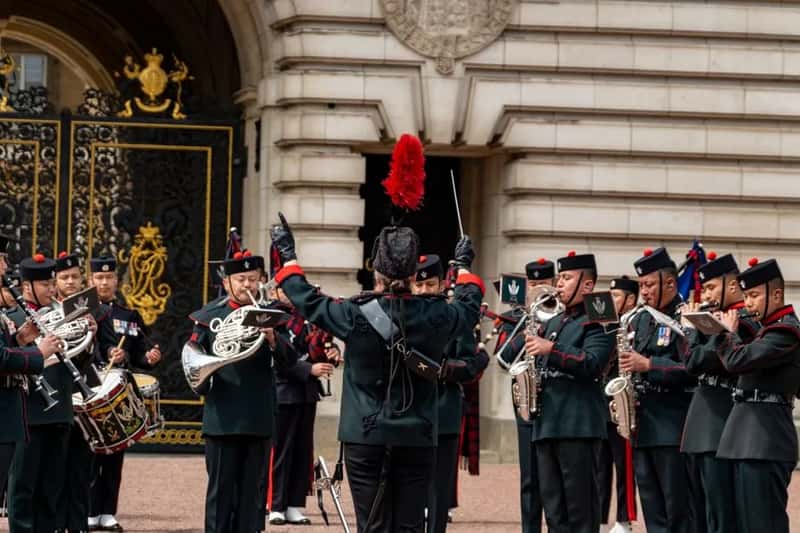
Visitors often expect one unified “British accent,” only to discover within days that Glasgow, Liverpool, Newcastle, and London sound almost like different languages layered on top of English. The range is wide enough that even native English speakers from other countries sometimes need a moment to catch up, especially in fast-paced conversations or thick regional slang. It’s not unusual for a visitor to understand a Londoner easily and then feel completely lost minutes later listening to someone from Glasgow or the Welsh valleys.
This diversity isn’t a minor detail either, it’s tied closely to identity and regional pride throughout the country. Locals are usually patient with confused visitors, often slowing down or rephrasing without complaint, but the sheer variety remains one of the more disorienting discoveries for anyone expecting a single, predictable British accent.
Taken together, these small shocks rarely ruin a trip. If anything, they tend to become the stories people tell afterward, the moments that made the UK feel distinct rather than just another English-speaking destination. Most visitors adjust within days, trading confusion for a kind of quiet fondness for the quirks that once caught them off guard.