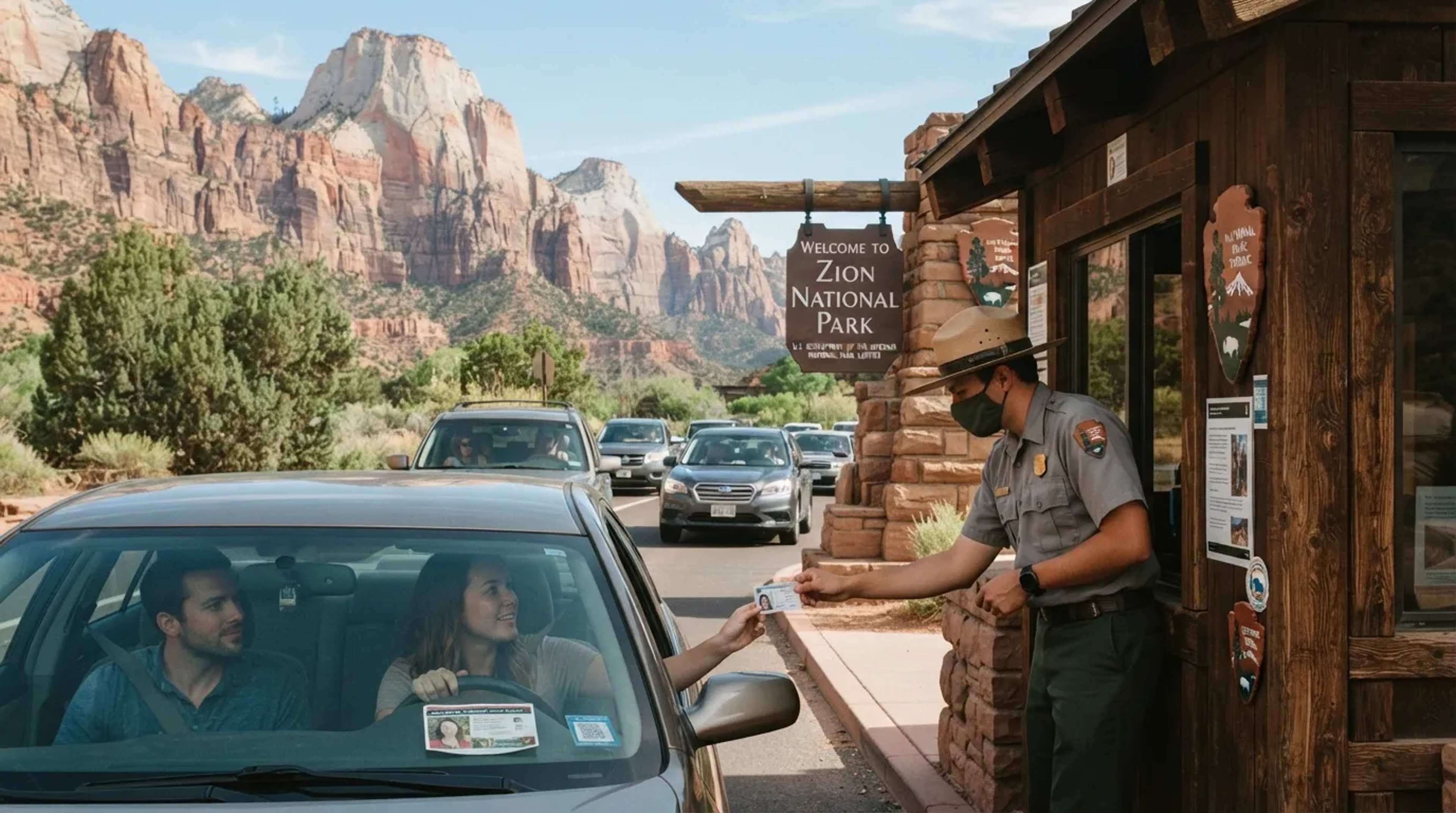
Not every postcard-perfect destination is as safe as its Instagram feed suggests. Behind the turquoise water, the dramatic cliff edge, or the buzzing city street, there’s sometimes a quieter reality that seasoned travelers and safety experts have learned to respect. Some of these places are famous precisely because of how risky they’ve become, and the people who study travel risk for a living tend to approach them with a lot more caution than the average tourist realizes.
What follows isn’t a list built on scare tactics. It’s a look at eight real destinations where the danger is documented, the statistics are public, and the reasons for caution are grounded in actual incidents rather than internet rumor.
1. Mont Blanc, France, Italy and Switzerland
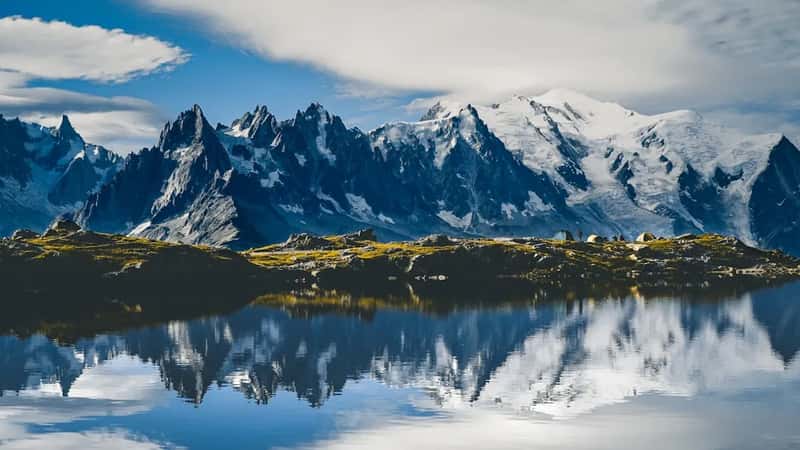
Mont Blanc might be Europe’s most photographed peak, but it also holds an uncomfortable distinction. It’s Mont Blanc, Europe’s highest peak, which straddles France, Italy and Switzerland, and is incredibly popular with skiers and hikers, but is the setting of an average of one hundred deaths per year. That figure alone puts it well ahead of mountains most people would assume are far more dangerous.
Part of the problem is accessibility. The mountain feels approachable because cable cars and well-marked trails get visitors most of the way up, but the final stretches involve glaciers, sudden weather shifts, and rockfall that catch even experienced climbers off guard. Overcrowding has added to the danger, and it’s one of the world’s most fatal mountains, with some figures citing an average of up to 100 deaths each year. Guides in Chamonix routinely turn away clients who underestimate what the climb actually requires.
2. Mount Everest’s death zone, Nepal
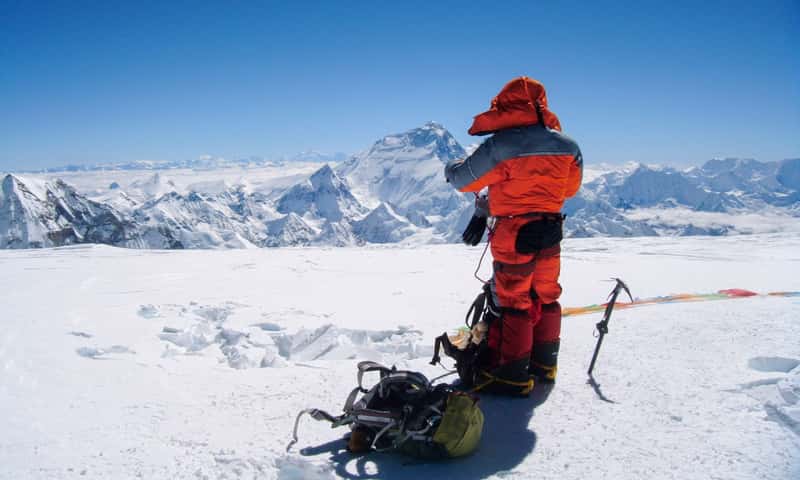
Everest’s reputation for danger is well earned, and the numbers back it up. Since the 1920s, over 330 climbers have lost their lives on Everest, with many bodies still unrecovered on the mountain, and the world’s highest peak at 29,032 feet draws climbers from around the globe, but its extreme conditions make it one of the deadliest. The so called death zone above 8,000 meters offers so little oxygen that the body begins deteriorating with every hour spent there.
Recent seasons have shown just how quickly conditions can turn fatal. In the 2023 climbing season, 18 people died, making it one of the worst years on record, with reports of extreme weather, inexperienced climbers and dangerous overcrowding in the death zone, though the figure dropped to eight in 2024. Mountaineering guides quietly acknowledge that traffic jams near the summit, not just altitude, have become one of the biggest risks on any given climbing day.
3. Huashan’s plank walk, China
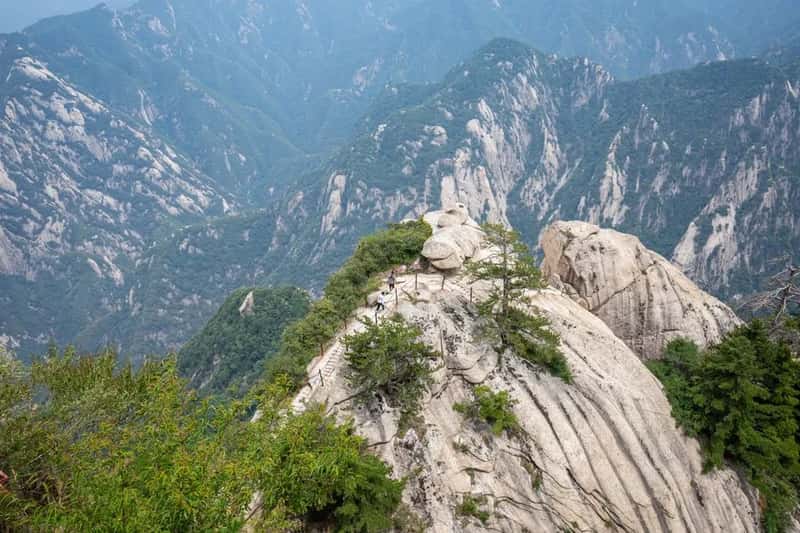
Huashan draws thrill seekers looking for the kind of view that requires genuine nerve. One of China’s Sacred Holy Mountains in Shaanxi Province features five peaks, and its famous Trail of Death, once used by Taoist monks to reach a temple, now attracts tourists seeking an adrenaline rush, consisting of a narrow wooden path without railings clinging to cliffs above a deep gorge. There’s no safety net here in any literal sense.
Getting across requires more than steady footing. Hikers must press against stone walls and hold onto chains for support, and the trek requires caution since mistakes can be fatal. Despite the obvious risk, the site remains one of the most visited spots in the region, largely because the danger itself has become part of the draw.
4. Kalalau Trail and the Nā Pali Coast, Hawaii
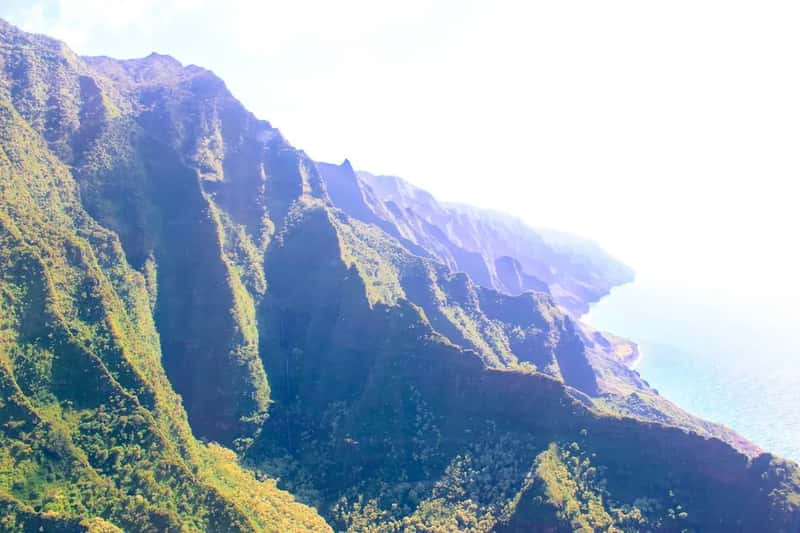
Hawaii’s rugged coastline hides one of the deadliest hiking routes in the United States. The Kalalau Trail along Kauai’s Nāpali Coast offers stunning views of the Pacific Ocean, coastal cliffs, and lush valleys, but this 21.7-mile route from Kee Beach to Kalalau Valley is both beautiful and perilous, with hikers facing challenging terrain, jungle paths, and treacherous mountain rivers that can swell after rain. It looks like a straightforward coastal walk in photos, which is exactly why so many underestimate it.
The beaches along the way pose their own separate threat. The beaches along the trail, especially Hanakapiai, appear inviting but are dangerous due to high waves, strong undercurrents, and rugged coastlines, contributing to over 100 tourist deaths. Local rangers have long warned visitors that the calm-looking water near Hanakapiai is anything but safe for swimming.
5. Table Mountain, Cape Town, South Africa
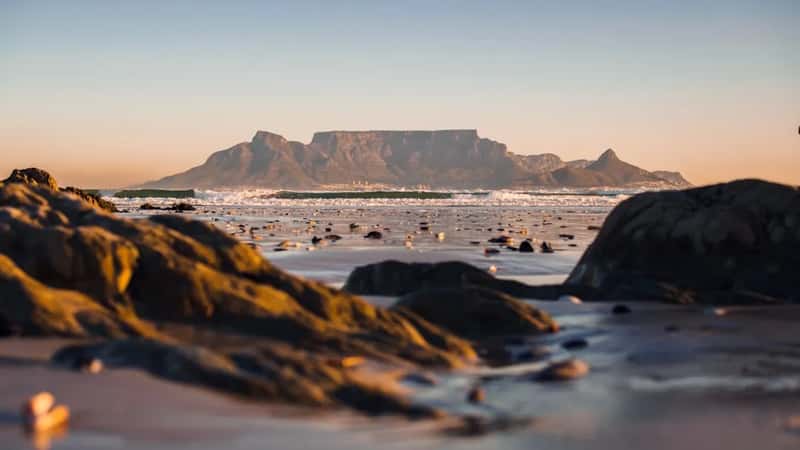
Table Mountain is one of Cape Town’s biggest draws, but its trails have seen a troubling rise in violent crime against hikers. In just the first five months of 2025, there were 47 reported attacks on the trails of Table Mountain alone, and if the trend continued, 2025 was on track to surpass the previous record of 151 attacks in 2023. Robberies on isolated sections of the mountain have become frequent enough that local guides now recommend hiking only in groups.
Nearby, the risk shifts from the trails to the streets. The Cape Flats sit a short drive from the city’s postcard waterfront, known for high crime rates and considered a no-go area for tourists, ruled by gangs, where extreme violence is common. Travel security experts consistently flag this contrast between Cape Town’s scenic core and its surrounding pockets of instability.
6. Rio de Janeiro’s favela-adjacent neighborhoods, Brazil
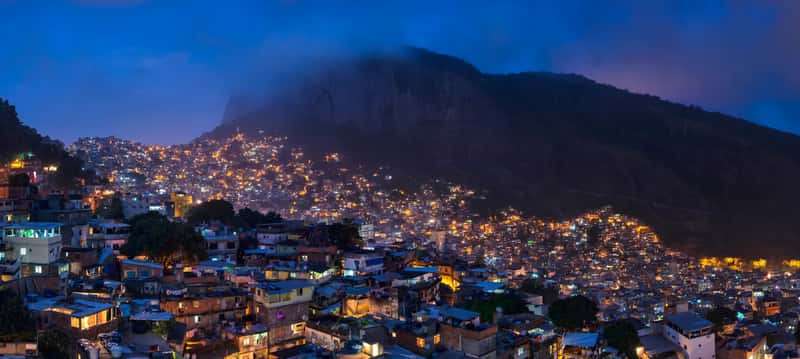
Rio’s beaches and mountain views make it one of South America’s most beloved cities, yet the danger sits closer than most visitors expect. Rio’s postcard image, the beaches, the mountain views, the samba, sits directly next to some of the most heavily armed urban conflict zones in the Western Hemisphere. Tourists who wander a few blocks off the standard route can find themselves in an entirely different environment without much warning.
Official guidance reflects this uneven risk. The U.K. government advises tourists to be cautious in certain neighborhoods, avoid favelas unless on an organized tour, and stay alert in crowded areas. Experienced travel guides in Rio tend to stick to well-trodden, well-lit routes and steer clients away from improvised detours, even during daylight hours.
7. Devil’s Pool, Victoria Falls, Zambia
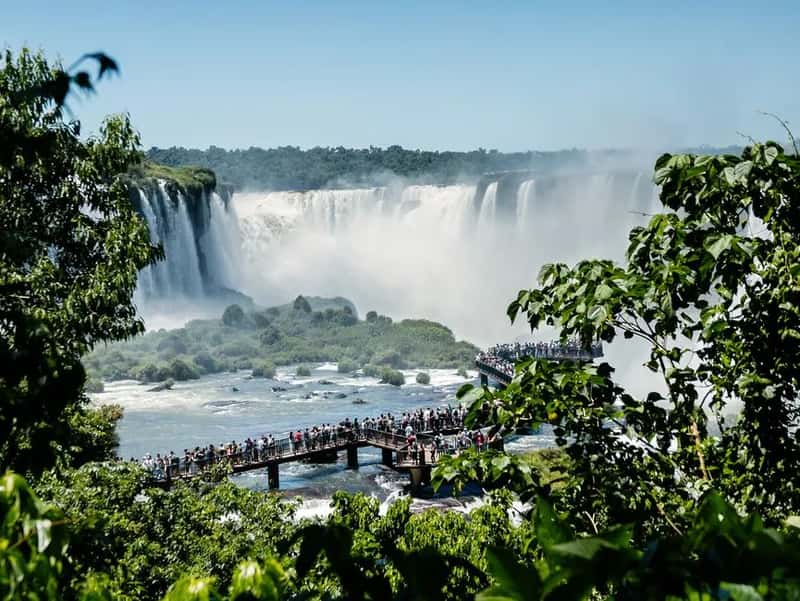
Perched at the very edge of one of the world’s largest waterfalls, Devil’s Pool is marketed as an unforgettable experience for the bold. Described by the Zambia tourist board as “the ultimate infinity pool,” the ominously named Devil’s Pool sits right at the top of the falls. Swimmers dip into a natural rock pool that stops just short of a sheer drop of more than three hundred feet.
The appeal is obvious, and so is the risk. Water levels, current strength, and rock stability all shift with the seasons, and the margin between a safe swim and a fatal one narrows considerably during the wet season. Local guides only operate the excursion during specific water level windows, and even then, insist on close supervision the entire time swimmers are in the pool.
8. K’gari, formerly Fraser Island, Australia

This UNESCO listed island off Queensland is known for its pristine beaches and rainforest, but it’s also home to a growing wildlife hazard. This UNESCO listed island in subtropical Queensland is a huge tourist hotspot, renowned for its castaway beaches, rainforests and huge array of wild animals, including dingos, however the dingos are known to attack humans and such incidents are on the rise. What was once considered a rare occurrence has become a recurring concern for park rangers.
Recent incidents have made the pattern harder to ignore. Four people were attacked in separate incidents in early 2025, including a toddler who was flown to hospital after being bitten. Wildlife officers now urge visitors to keep a strict distance from dingoes and never leave children unattended near known feeding zones, advice that many tourists still don’t take seriously until it’s too late.
Every destination on this list remains genuinely worth visiting for the right traveler, but each demands a level of respect that guidebooks rarely emphasize enough. Understanding the specific risk, whether it’s a crumbling trail edge, a sudden current, or a stretch of city best avoided after dark, tends to matter far more than luck ever will. The travelers who come back with nothing but good stories are usually the ones who did their homework first.