
Most Americans stick to the same travel patterns year after year. The same European capitals, the same beach resorts, the same well-trodden paths that millions follow. Yet some of the world’s most extraordinary destinations remain virtually untouched by American tourists.
These hidden gems offer experiences that rival or surpass their famous counterparts, often at a fraction of the cost and crowds. From ancient cities that predate Rome to pristine archipelagos that make the Caribbean look ordinary, these eight destinations deserve a spot on your 2025 travel list.
Slovenia: Europe’s Best-Kept Secret
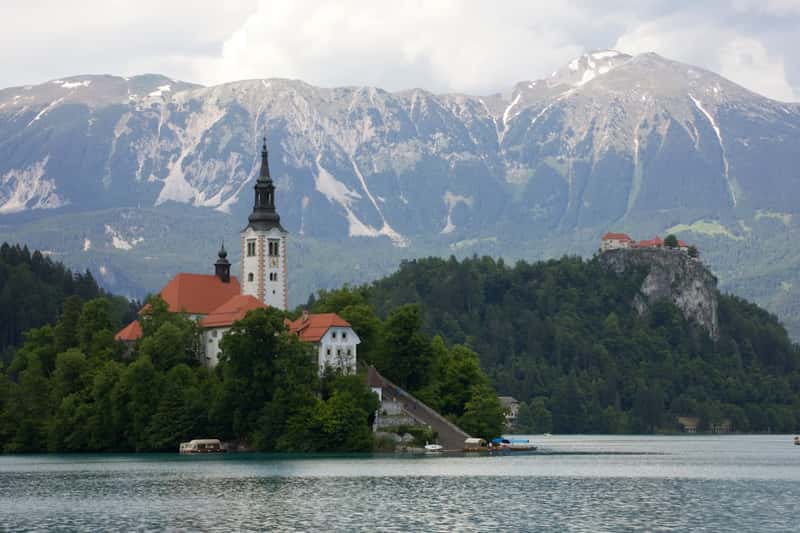
Nestled between Italy, Austria, Hungary, and Croatia, Slovenia packs incredible diversity into a country smaller than New Jersey. Lake Bled’s fairytale castle and emerald waters create scenes that seem plucked from a storybook, while the underground marvels of Postojna Cave stretch for miles beneath the earth. Ljubljana, the charming capital, feels like Prague’s quieter, more affordable cousin.
The Julian Alps offer world-class hiking without the Alpine price tags, and the wine regions produce bottles that would cost three times more if they came from neighboring Italy. Most Americans can’t even point to Slovenia on a map, which means you’ll have these incredible experiences largely to yourself.
The entire country feels like a well-kept secret that Europe doesn’t want to share. Honestly, after visiting Slovenia, I can’t understand why Americans flock to overcrowded Tuscany when this gem offers similar beauty with genuine authenticity.
Faroe Islands: Nordic Drama Without the Crowds
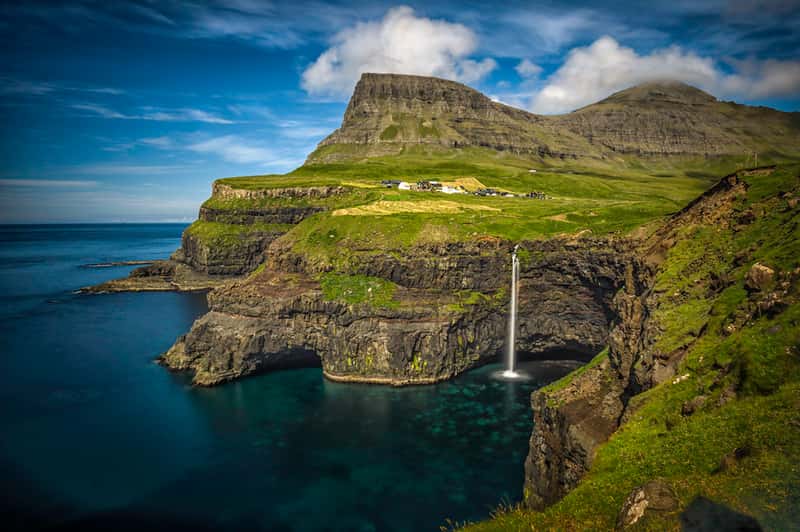
Eighteen islands scattered between Iceland and Norway create one of the most dramatic landscapes on Earth. Grass-roof houses cling to clifftops above churning seas, while waterfalls plunge directly into the ocean from heights that make Niagara look modest. The hiking here rivals anything in Iceland or Norway, yet you’ll encounter more sheep than tourists on most trails.
The Nordic cuisine scene has exploded in recent years, with restaurants that would earn Michelin stars if they weren’t located in the middle of the North Atlantic. Traditional fermented fish might sound intimidating, but the modern interpretation of Faroese cuisine surprises even the most skeptical palates.
Weather can be unpredictable, shifting from sunshine to storms within minutes, but this volatility creates the kind of raw, powerful beauty that Instagram filters try desperately to recreate. The islands feel like the edge of the world, which in many ways, they are.
Georgia: Where Europe Meets Asia in Spectacular Fashion
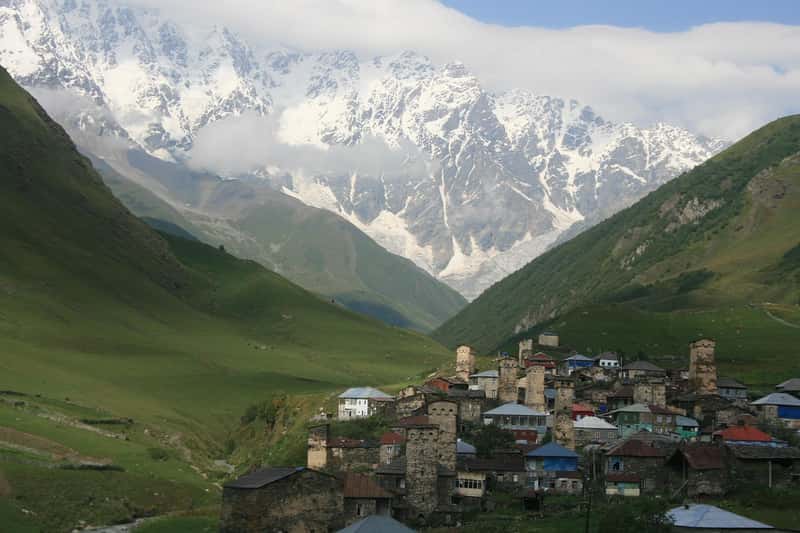
The country of Georgia sits at the crossroads of continents, creating a culture unlike anywhere else on Earth. Tbilisi’s old town mixes Persian, Russian, and European influences in architecture that tells the story of empires that have swept through these lands. The food scene combines the best of Mediterranean and Middle Eastern traditions, with wine-making techniques that predate those famous French vineyards by thousands of years.
The Caucasus Mountains provide some of the most accessible high-altitude trekking outside of Nepal, with medieval villages perched impossibly high among snow-capped peaks. Georgian hospitality is legendary, with families inviting strangers to share meals and wine as if they’ve known each other for years.
Everything costs a fraction of what you’d pay in Western Europe, yet the quality of experiences often exceeds what those expensive destinations offer. The country feels like it’s balanced perfectly between ancient traditions and modern aspirations.
Socotra Island: The Galápagos of the Arabian Sea
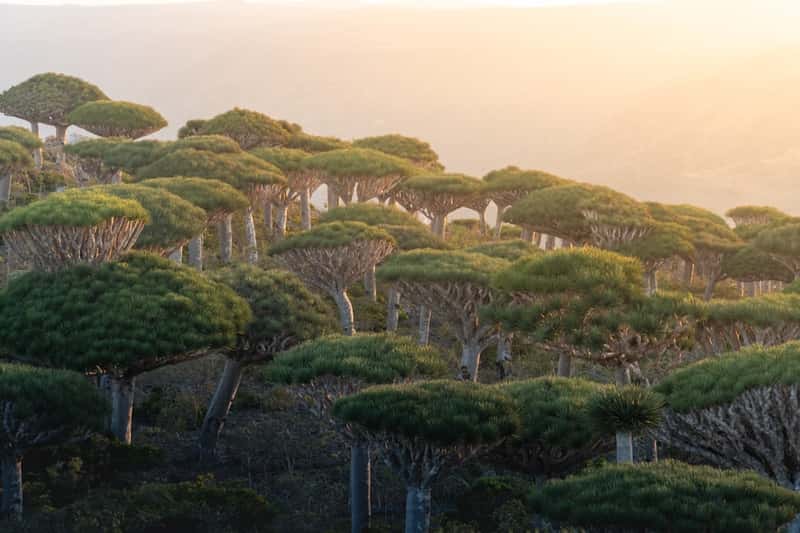
Yemen’s Socotra Island exists in biological isolation that has created one of the most alien landscapes on our planet. Dragon’s blood trees dot the landscape like enormous umbrellas, while bottle trees store water in their bulbous trunks for months at a time. About one-third of the plant species exist nowhere else on Earth, creating scenery that looks more suited to another planet than our own.
The beaches rival anything in the Maldives, with pristine white sand meeting impossibly blue water, yet you might be the only person walking them for miles. Local fishing communities maintain traditions that have changed little over centuries, offering glimpses into ways of life that modernity hasn’t yet touched.
Getting there requires planning and patience, but the reward is experiencing one of the last truly untouched destinations on Earth. Political situations can make travel complex, so timing and preparation become essential parts of the journey.
Azores: Portugal’s Volcanic Paradise
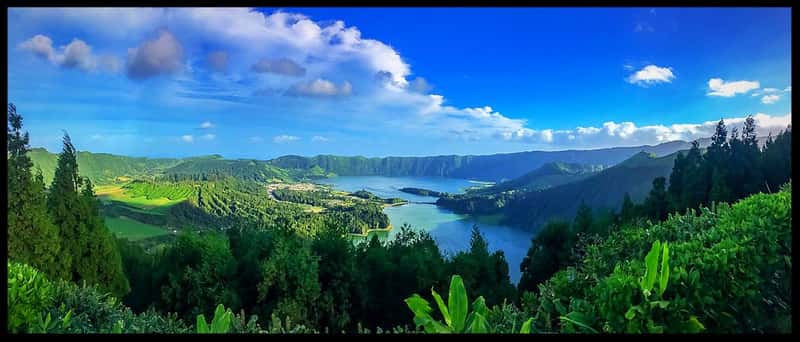
Nine volcanic islands scattered across the Atlantic create a landscape of crater lakes, hot springs, and lush green valleys that make Hawaii seem crowded and expensive by comparison. São Miguel island alone contains enough natural wonders to fill weeks of exploration, from the colorful lakes of Sete Cidades to the thermal pools of Furnas.
The whale watching here ranks among the world’s best, with multiple species migrating through these waters year-round. Portuguese culture blends with island isolation to create traditions found nowhere else, including unique cooking methods that use volcanic heat to prepare traditional stews.
Flights from the East Coast take less time than reaching California, yet these islands feel completely removed from the American travel radar. The combination of European sophistication and volcanic drama creates experiences that linger long after returning home.
Bhutan: The Last Shangri-La
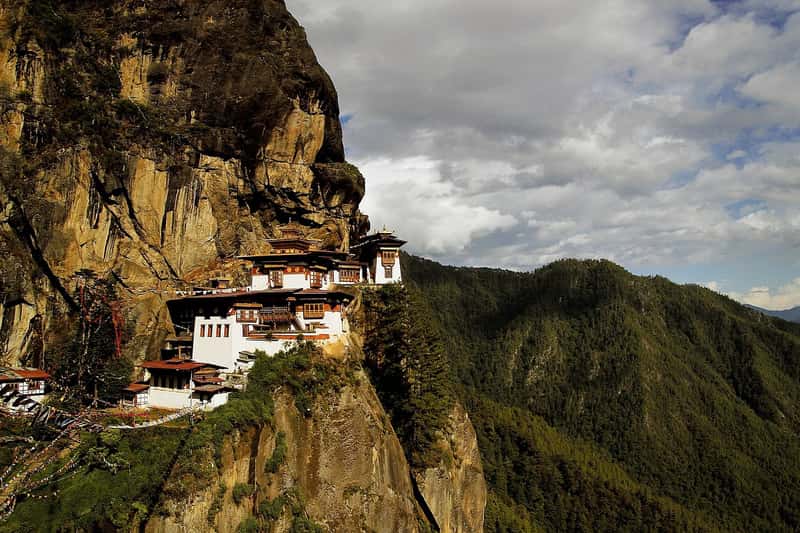
The world’s only carbon-negative country measures success not in GDP but in Gross National Happiness, creating a society that prioritizes well-being over wealth accumulation. Ancient monasteries cling to impossible cliff faces, while prayer flags flutter across mountain passes that connect valleys where time seems to move at a different pace.
The government limits tourism through a daily fee system, which keeps crowds manageable while ensuring that visitors contribute meaningfully to local communities. This approach creates authentic interactions with local people whose Buddhist philosophy offers perspectives that challenge Western assumptions about success and happiness.
Hiking through the Himalayas here provides access to peaks and valleys that rival Nepal’s famous routes, but without the crowds that have overwhelmed Everest Base Camp. The whole country feels like stepping into a living meditation on how humans can coexist harmoniously with nature.
São Tomé and Príncipe: Africa’s Tropical Secret
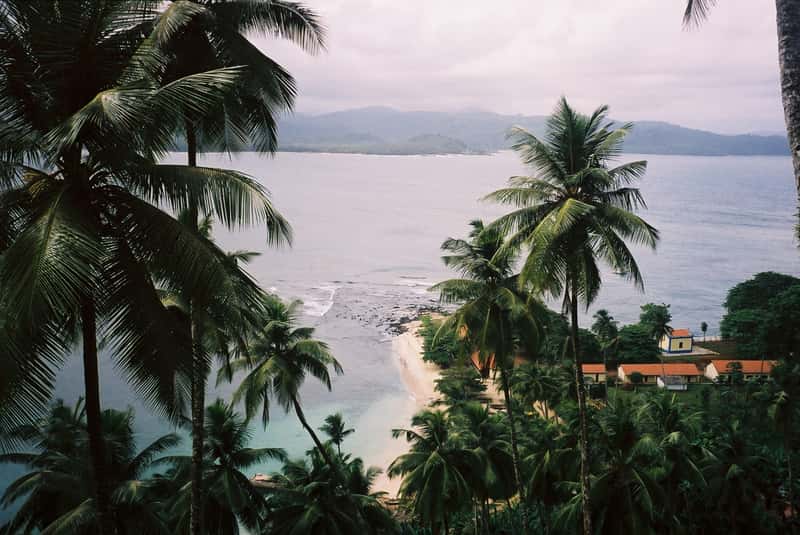
Two tiny islands off the coast of Central Africa create a tropical paradise that combines the best elements of the Caribbean and Indian Ocean without the tourist infrastructure that has transformed those destinations. Pristine beaches meet rainforest-covered volcanic peaks, while Portuguese colonial architecture crumbles romantically among overgrown cocoa plantations.
The islands played a crucial role in the chocolate trade, and today visitors can trace cacao from tree to bar in family-run operations that have perfected their craft over generations. Birdwatching here reveals species found nowhere else, while the surrounding waters teem with marine life that makes snorkeling feel like swimming in an aquarium.
Infrastructure remains charmingly basic, which means this destination rewards travelers who embrace spontaneity over rigid itineraries. The lack of mass tourism means every interaction with locals feels genuine and unscripted.
Kamchatka Peninsula: Russia’s Wild Frontier
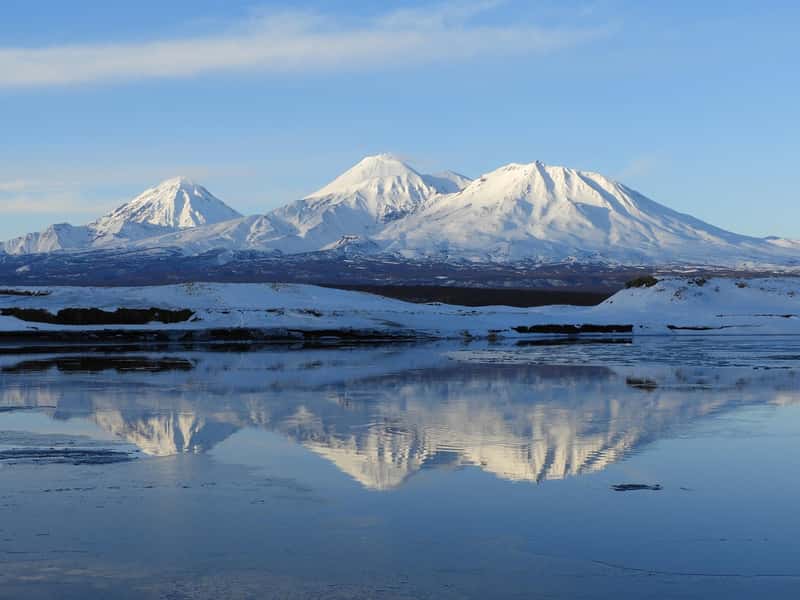
This remote Russian peninsula contains more active volcanoes than anywhere else on Earth, creating a landscape of geysers, hot springs, and volcanic peaks that extends beyond the horizon in every direction. Brown bears roam freely here in numbers that dwarf Alaska’s populations, while salmon runs turn rivers silver with their annual migrations.
Helicopter access opens wilderness areas larger than most countries, where you might be among the first humans to set foot in certain valleys. The indigenous Even and Koryak peoples maintain traditional relationships with this harsh but beautiful land, offering insights into survival strategies developed over millennia.
Tourism infrastructure remains minimal, which means this destination appeals primarily to serious adventurers willing to embrace uncertainty as part of the experience. The reward is witnessing Earth’s raw power in action, from active volcanic craters to glacier-carved valleys that stretch toward the Arctic Ocean.
Conclusion
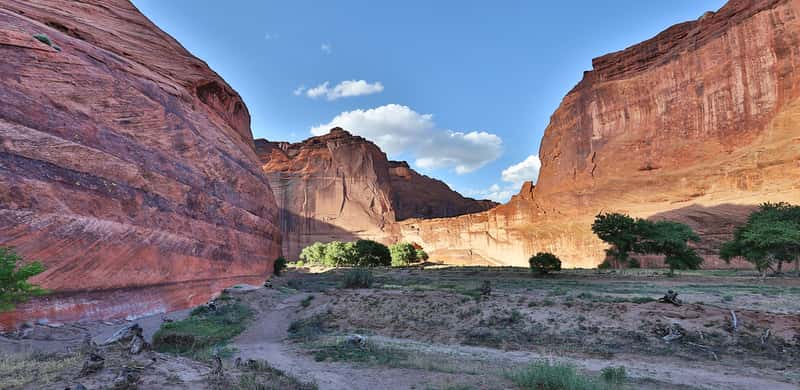
These eight destinations offer something increasingly rare in modern travel: genuine discovery. While millions crowd into the same European cities and tropical resorts, these places maintain their authentic character precisely because they remain off the beaten path.
Each destination rewards travelers who value experiences over Instagram opportunities, though the photos you’ll capture will likely outshine anything from more famous locations. The memories created in these lesser-known places tend to resonate more deeply, perhaps because they feel earned rather than purchased.
What draws you most to unexplored destinations? Tell us in the comments which of these hidden gems has captured your imagination for 2025.