Solo travel offers a powerful way to build confidence and carve out space for reflection, yet many first-time adventurers still stumble into avoidable setbacks that turn excitement into stress. The Points Guy has highlighted recurring errors that can affect safety, enjoyment, and even the decision to travel alone again. Understanding these patterns helps new soloists prepare more effectively and return home with stronger memories rather than regrets.
Skipping Advance Research and Planning
Rushing into a destination without checking official travel advisories or local conditions often leads to unnecessary complications once on the ground. First-time solo travelers may overlook neighborhood safety details or fail to enroll in programs that provide real-time alerts about disruptions. Taking time beforehand to review lodging options against personal preferences for quiet or lively surroundings pays off quickly. Booking popular attractions or restaurants in advance also prevents the frustration of long waits without company to pass the time. A loose framework of activities reduces the mental load of constant decision-making while still leaving room for spontaneity.
Overpacking and Mobility Challenges
Luggage that feels manageable at home quickly becomes a burden when navigating airports, public transit, or cobblestone streets alone. Solo travelers must handle every bag themselves, including during quick stops like restroom breaks or ticket purchases. Choosing a versatile backpack paired with a compact rolling carry-on often proves more practical for week-long trips and allows easy expansion for souvenirs on the return. This approach minimizes physical strain and keeps movement fluid through crowded spaces. Overpacking also increases the risk of lost items or higher airline fees that eat into a carefully planned budget.
Letting Others Know Your Status
Sharing too much personal information with new acquaintances can draw unwanted attention from those who target travelers traveling without companions. Simple precautions, such as mentioning plans to meet others later or using mobile check-in to avoid front-desk interactions, help maintain privacy without appearing unfriendly. At the same time, keeping trusted family or friends informed of flight details, accommodations, and emergency contacts provides a vital safety net. Sharing location through reliable apps offers additional peace of mind for everyone involved. These steps balance the desire for independence with practical security.
Overlooking Daily Essentials and Connections
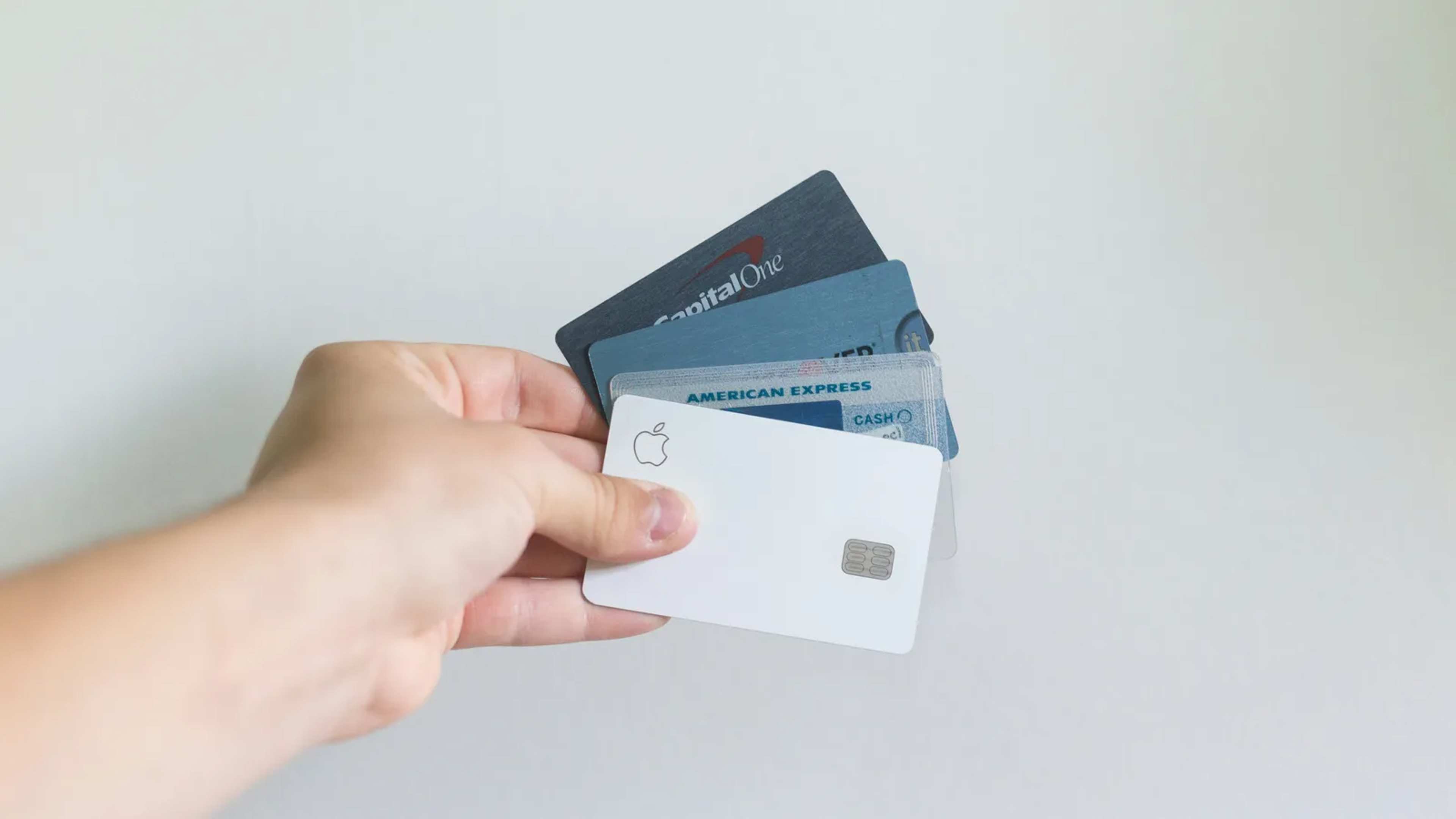
Forgetting backup power sources, extra payment methods, or a basic first-aid kit creates outsized problems when no one else is available to help. A dead phone in an unfamiliar city or an unexpected illness can quickly escalate without quick access to resources. Loneliness can also creep in during longer journeys, making it worthwhile to explore structured ways to meet others, such as small-group tours or traveler-focused social groups. These connections often lead to shared meals or local insights that enrich the experience far beyond what solo wandering provides.
Capturing Moments Without Hesitation
Many first-time solo travelers feel self-conscious about taking photos alone, yet these images become lasting reminders of personal growth. Simple tools like a compact tripod or remote shutter make self-portraits easier and more natural. Practicing the process early in the trip builds comfort and improves results over time. Prioritizing safety remains essential, especially near edges or in remote areas, but the effort to document the journey consistently rewards travelers with tangible proof of their adventures. Solo travel rewards those who prepare thoughtfully, turning potential pitfalls into opportunities for greater independence and memorable experiences. With these adjustments, first-timers often find the confidence to plan their next trip sooner than expected.