There’s a particular kind of daydream that involves stone walls, creaking wooden beams, and a view that stretches past olive groves or vineyards toward distant hills. For most people in major metros, that dream feels priced out of reach. Yet across parts of Europe, a budget around $250,000 (roughly the price of a modest condo in many American or British cities) can still buy a fully restored farmhouse, manor, or quinta with land attached.
The catch, of course, is location. These aren’t the postcard hotspots of the Côte d’Azur or the Tuscan hills near Florence. They’re quieter regions where rural depopulation, currency differences, and lower construction costs have kept prices grounded even as coastal and capital-city markets have surged. Here are eight places where that budget still stretches into genuine country estate territory.
1. Creuse and Limousin, France
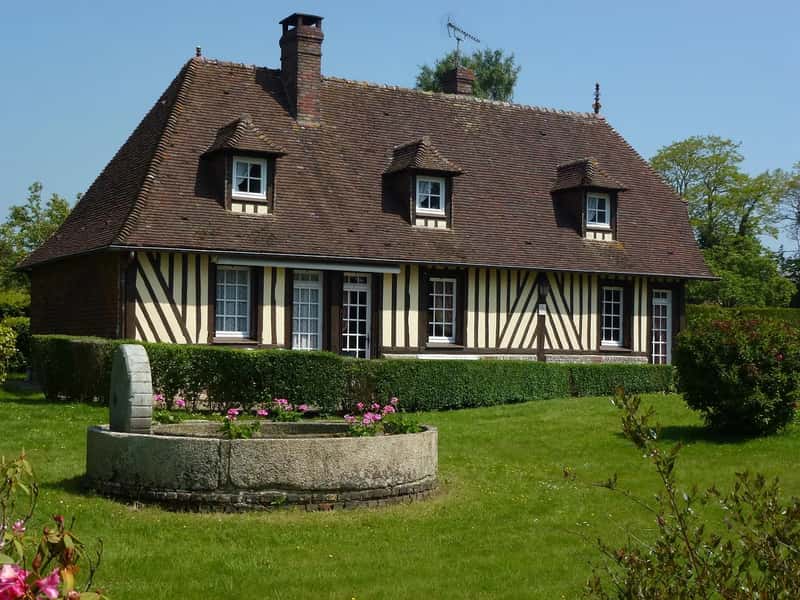
The Creuse department in central France remains one of the last corners of the country where a completely renovated stone property with real acreage sits comfortably within a $250,000 to $300,000 window. One listing in Gouzon showed a totally renovated stone farmhouse with more than 54 acres of land, pasture, woodland, and gardens priced at €294,250.[1] The region has seen steady price softening over the past decade as younger French buyers gravitate toward cities, which keeps inventory generous for foreign buyers.
What makes Limousin appealing isn’t just the price, it’s the character of what’s on offer. Listings in the area describe stone properties in pretty hamlets that have been lovingly restored over the years into spacious, stylish family homes while retaining original features.[2] Between rolling pastureland, old stone barns converted into living space, and proximity to small market towns, Creuse offers a version of rural France that still feels authentic rather than manicured for tourists.
2. Central Portugal’s Quinta Country
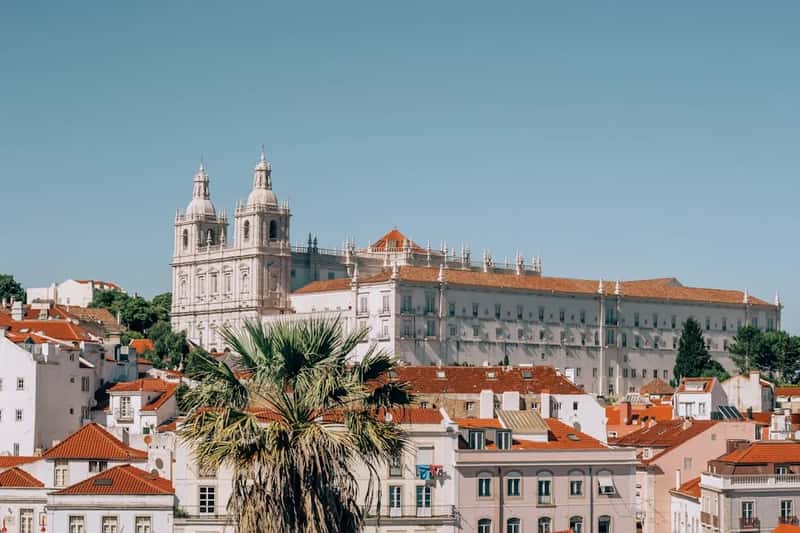
Portugal’s interior, away from the Algarve coast and Lisbon’s inflated housing market, is where the country’s traditional quintas (rustic farmhouses set on agricultural land) still trade at accessible prices. Country house prices in Portugal range from around €50,000 for fixer-uppers to well over a million euros for luxury estates[3], which means a restored mid-sized quinta with olive groves or vineyard land can land squarely in the $250,000 range depending on size and finish.
Regions like Castelo Branco, inland Beira, and parts of the Douro interior offer the best value. Interior regions of Portugal are drastically more affordable than Lisbon, with the country house market featuring traditional quintas, luxury farmhouses, and affordable fixer-uppers suited to different budgets.[3] Buyers willing to take on a property already restored, rather than starting from a ruin, can skip the lengthy licensing and construction timelines that often stretch renovation projects well past a year.
3. Abruzzo, Italy
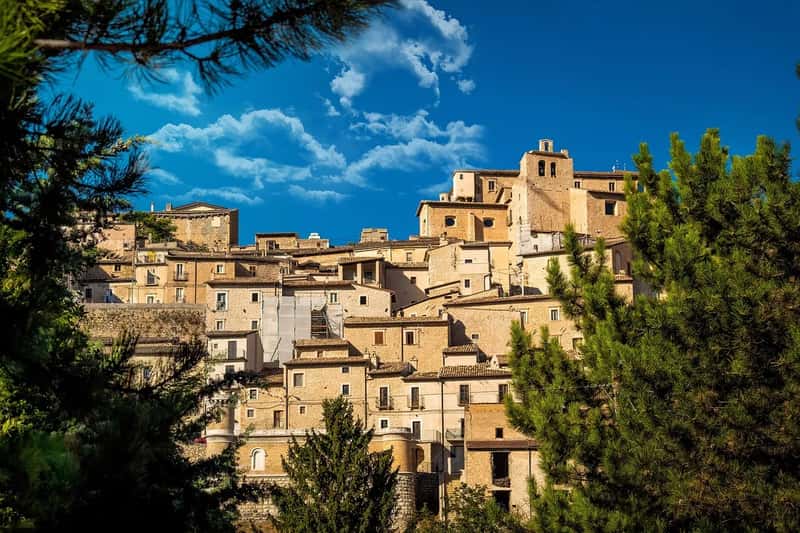
Abruzzo, tucked between the Apennine mountains and the Adriatic coast, has quietly become one of Europe’s best value regions for restored rural property. One listing described a beautifully restored country house set on seven hectares of land with olive trees, fruit trees, woodland, and a natural spring, priced at €249,000.[4] That’s a genuine country estate, fully renovated, for right around the $250,000 mark.
The region’s appeal goes beyond price. Abruzzo is often called “the green heart of Europe,” known for rugged, dramatic beauty and some of the best deals available for detached country homes.[5] It also helps that Abruzzo sits within reach of both mountain skiing and Adriatic beaches, giving restored estates here a lifestyle versatility that flatter, more expensive regions can’t always match.
4. Puglia, Italy
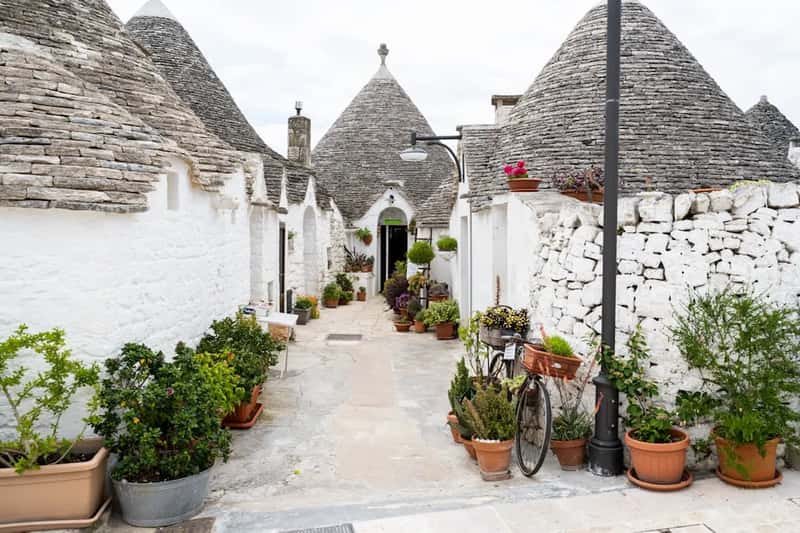
Puglia, the heel of Italy’s boot, has built a reputation over the past decade as the country’s most photogenic value region, largely thanks to its whitewashed trulli and fortified farmhouses known as masserie. With its iconic masserie and whimsical trulli, this southern region offers a brilliant mix of stunning coastline and affordable inland properties, and it has become a real hotspot.[5] Restored masserie closer to the coast command a premium, but inland examples with several acres of olive land can still fall within a $250,000 budget.
Puglia’s charm lies in its dual identity: part rustic countryside, part increasingly fashionable retreat for design-conscious buyers from Milan, London, and beyond. That growing interest has pushed up prices in the most Instagram-famous towns like Ostuni, but a short drive inland still turns up properties with genuine renovation work already completed. Buyers who prioritize authenticity over proximity to the beach tend to find the best value here.
5. The Peloponnese, Greece
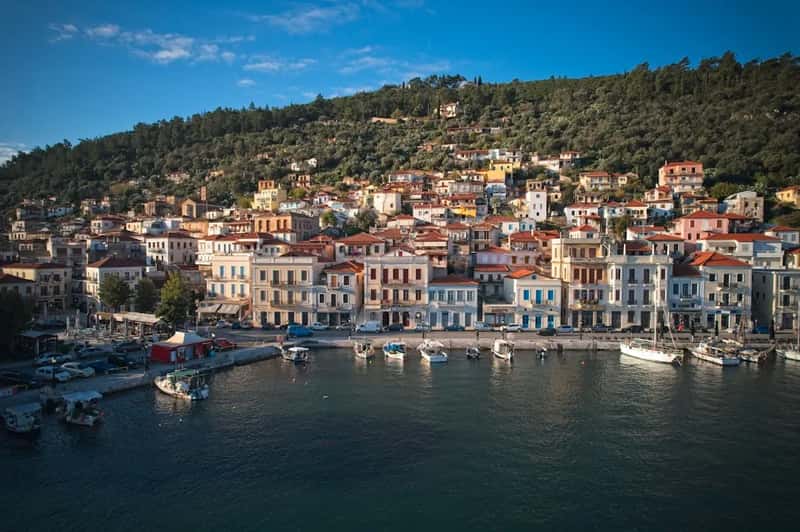
Greece’s southern peninsula offers a rare combination in the European property market: dramatic Mediterranean scenery paired with prices that haven’t yet caught up to the islands. Property listings across the Peloponnese start from around €250,000[6], and that entry point often includes restored stone houses with outdoor space rather than bare apartments. Some properties in the region are listed from as low as €195,000[7], leaving room for renovation-inclusive purchases near the $250,000 ceiling.
Towns like Kalamata and Nafplio have seen renewed interest thanks to improved flight connections and Greece’s Golden Visa program, though the surrounding countryside remains far quieter and cheaper than the towns themselves. Restored stone farmhouses in the hills above Messinia or Arcadia offer olive terraces, mountain views, and a slower pace of life that increasingly appeals to remote workers and retirees alike. The region’s food culture and mild winters only add to the draw.
6. Rural Bulgaria
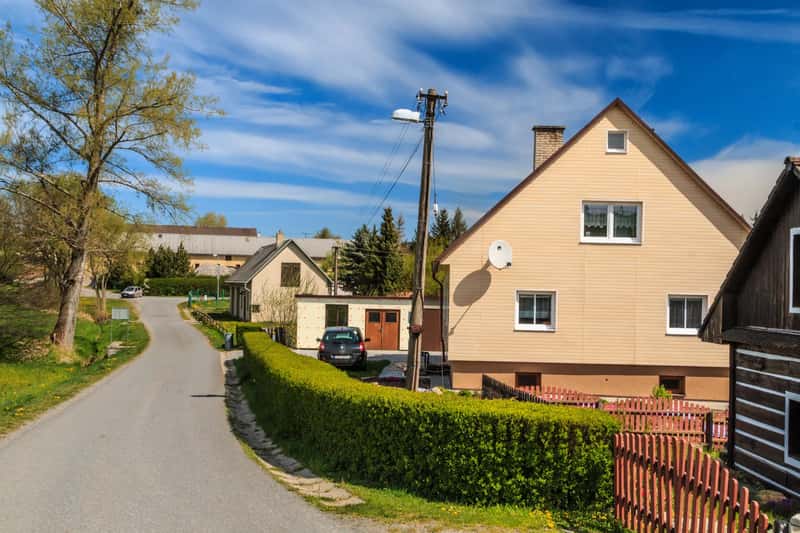
Bulgaria remains, without much competition, the cheapest entry point into European rural property ownership. Whether buyers are dreaming of a peaceful countryside escape or a charming village house to restore, options exist at great value, many priced under £10,000[8], though that figure typically applies to unrenovated village houses rather than fully restored estates. Step up in budget toward $250,000 and the market shifts to something more substantial.
At that higher tier, buyers can find genuinely impressive properties. Listings in southern Bulgaria have included completely renovated countryside residences with panoramic terraces, extensive outbuildings, and landscaped grounds featuring a pond.[9] Regions near the Rose Valley and the Balkan Mountains combine dramatic scenery with a cost of living that remains among the lowest in the European Union, making a $250,000 estate here feel considerably larger and grander than the same budget elsewhere on this list.
7. Rural Galicia and Asturias, Spain
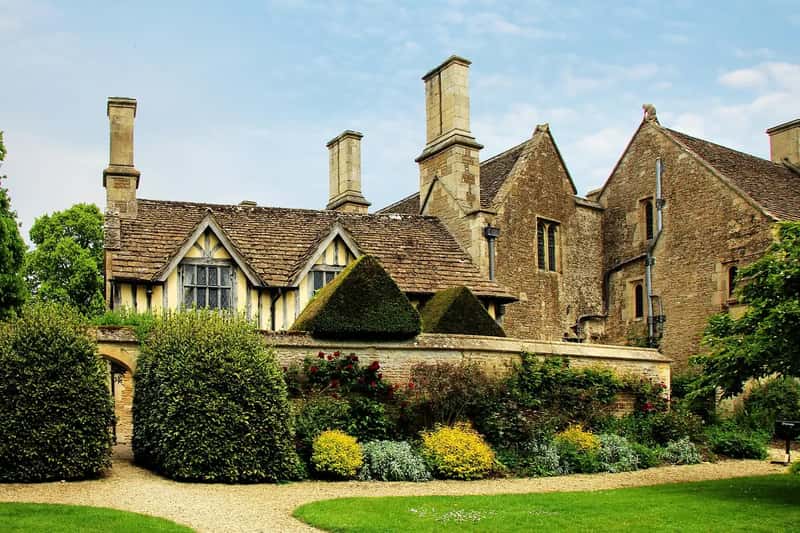
Spain’s green, rainy north rarely gets the attention that Andalusia or the Balearics receive, but that’s precisely why it remains affordable. Galicia and neighboring Asturias are dotted with pazos, the traditional granite manor houses of the region, along with stone farmhouses set among eucalyptus groves and Atlantic coastline. Restoration costs in this part of Spain tend to run lower than in more tourist-heavy provinces, partly because skilled stonemasons and traditional builders are still relatively easy to find locally.
The lifestyle appeal here is different from the sun-drenched south. Galicia offers a misty, green landscape closer in feel to Ireland or Brittany than to typical Spanish postcards, along with a renowned food scene built around seafood and hearty rural cooking. Buyers looking for a restored estate with genuine privacy and low population density, rather than a poolside villa near a resort town, often find this corner of Spain delivers more house for the money than the Mediterranean coast ever could.
8. Rural Ireland
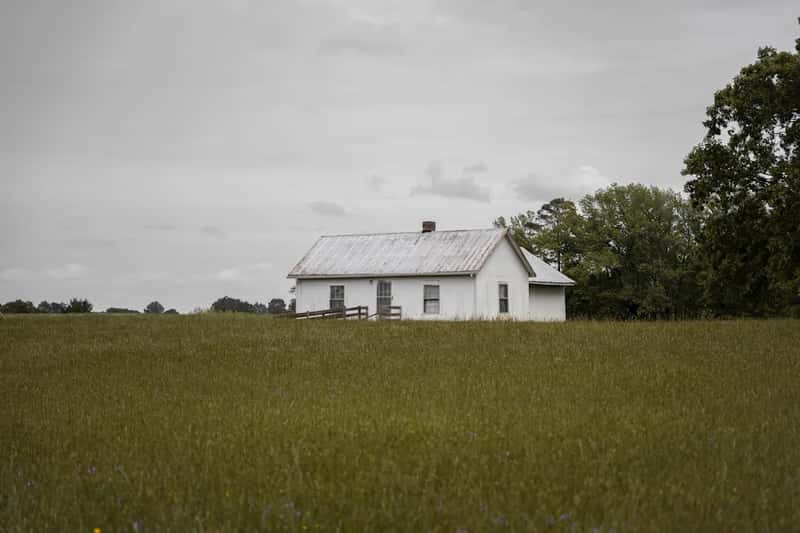
Ireland’s midlands and northwest, counties like Leitrim, Roscommon, and parts of Cavan, have long been known among Irish buyers themselves as the country’s most affordable rural property markets. Restored stone farmhouses and old rectories with several acres of land regularly trade well below prices seen in Dublin’s commuter belt or the more scenic (and expensive) counties like Kerry and Wicklow. The region’s slower population growth over recent decades has kept a steady supply of renovation-ready and already-restored properties on the market.
What buyers get for their money tends to be understated rather than showy: thick stone walls, mature gardens, paddocks suited to horses, and a genuine sense of rural quiet that’s increasingly rare in Western Europe. Ireland’s English-speaking environment and EU membership also make it a simpler transition for many overseas buyers compared to countries requiring a new language or unfamiliar legal system. It won’t have the Mediterranean sun of Italy or Greece, but for buyers prioritizing greenery, tradition, and a slower pace of life, rural Ireland remains one of the more overlooked options on this list.
None of these eight destinations offer a shortcut around due diligence. Renovation quality varies enormously from one seller to the next, and “fully restored” can mean very different things depending on the country, the region, and the agent describing it. Still, taken together, they show that the dream of owning a genuine country estate hasn’t disappeared, it’s just moved to quieter corners of the map where land is still plentiful and prices haven’t fully caught up to demand.
For buyers willing to trade proximity to major airports and famous coastlines for space, character, and a slower rhythm of life, $250,000 still goes a remarkably long way. The trick is simply knowing where to look.