Planning a trip abroad used to mean checking the weather and maybe glancing at exchange rates. These days, it also means reading the fine print on a government advisory page, because conditions in some of the world’s most visited places have shifted quickly this year. From resort towns dealing with organized crime spillover to entire regions reclassified after geopolitical flare-ups, the gap between the postcard image and the on-the-ground reality has widened in a handful of spots that Americans still book in huge numbers.
None of this means travelers should cancel every trip on the calendar. It does mean paying closer attention to what the State Department, local embassies, and on-the-ground reporting are actually saying, rather than relying on last year’s assumptions. Here are eight destinations where that extra homework is worth the time in 2026.
Quintana Roo, Mexico (Cancun, Tulum, and Playa del Carmen)
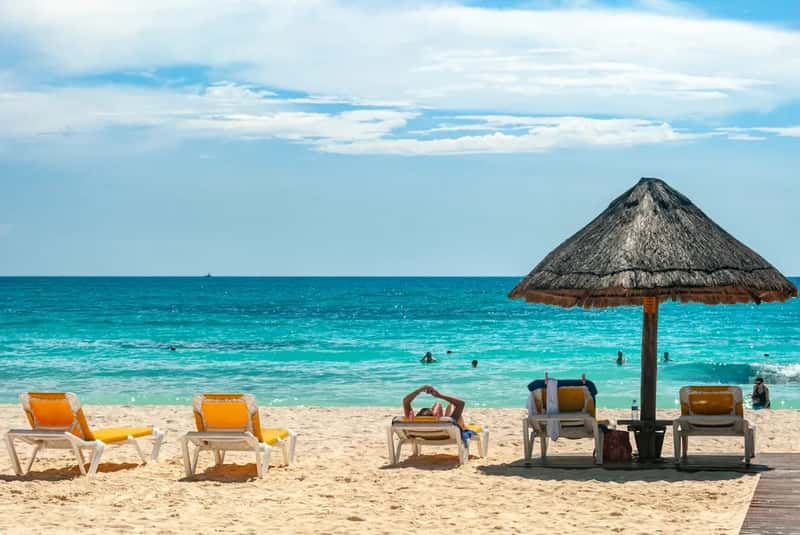
Mexico’s Caribbean coast remains one of the top international destinations for American travelers, and the federal government still rates the country at Level 2 overall. At the national level the U.S. State Department lists Mexico at Level 2 (“Exercise Increased Caution”), but the country is unique in that the advisory is split state-by-state. Quintana Roo, home to Cancun, Tulum, and Playa del Carmen, sits within that Level 2 tier rather than the stricter warnings applied elsewhere.
What makes this destination worth watching is the pattern of localized incidents inside otherwise busy tourist zones. The U.S. Mission to Mexico said crime, including violent crime, can occur anywhere in Mexico, including in popular tourist destinations, and advised travelers to maintain situational awareness and promptly leave potentially dangerous situations. Officials have specifically flagged downtown areas of these resort towns after dark, and past incidents, including a fatal dispute at a Tulum beach club, have kept the advisory language pointed even as the beaches themselves stay busy.
Jamaica
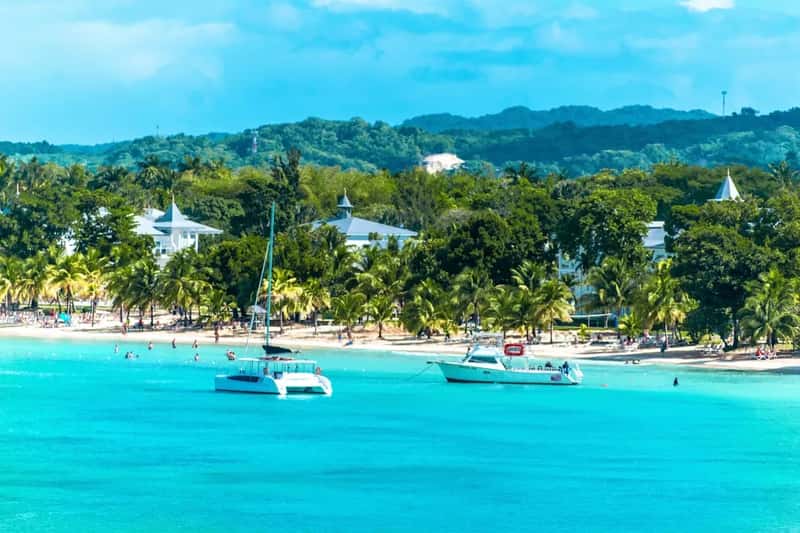
Jamaica’s advisory status has moved twice in fairly short order, which is exactly the kind of shift travelers should track before booking. The State Department lowered Jamaica’s advisory level to Level 2: Exercise Increased Caution on January 17, 2026, citing crime, health, and natural disaster risks, with some areas carrying increased risk. That followed an earlier upgrade to Level 3 after a spike in violence, so the situation has genuinely been in flux over the past year rather than static.
The underlying safety picture explains why the caution persists even at Level 2. The advisory notes that while violent crime in Jamaica has decreased since 2024, it remains statistically high throughout the country, with tourist areas generally seeing lower rates of violent crime than other parts of the country, and the homicide rate reported by the Jamaican government among the highest in the Western Hemisphere. Certain neighborhoods within specific parishes remain under a standing Level 4 do-not-travel designation, and the island is still working through recovery from Hurricane Melissa, which struck in late October 2025 and damaged infrastructure in the western part of the country.
The Bahamas
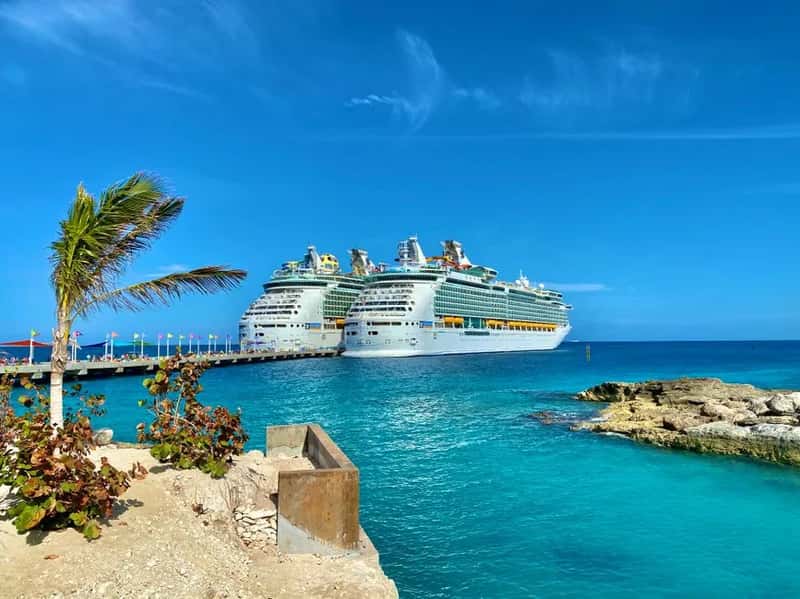
The Bahamas draws millions of American cruise passengers and resort guests every year, and it typically carries a lighter advisory than many of its Caribbean neighbors. Even so, the State Department has kept it at Level 2, urging increased caution. The advisory has remained at Level 2, urging Americans to exercise increased caution, despite a series of murders there.
The distinction that matters for most visitors is geographic. Puerto Rico and the Bahamas are typically considered safe for tourists, though travelers are reminded to remain vigilant in certain areas known for higher crime rates. That generally translates into resort corridors and cruise ports feeling routine, while wandering into unfamiliar neighborhoods on Nassau or other islands warrants more caution than the glossy tourism marketing might suggest.
Dominican Republic
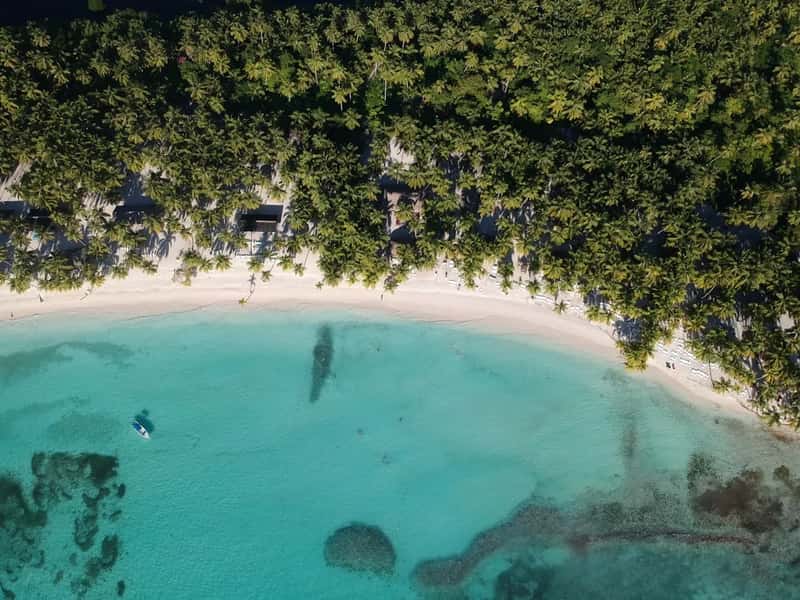
The Dominican Republic remains hugely popular with American travelers heading to Punta Cana and other beach resorts, and it currently sits at Level 2 alongside Jamaica. Jamaica and the Dominican Republic are both under Level 2 “Exercise Increased Caution” advisories, reflecting concerns about violent crime and security challenges even in areas frequented by visitors. That phrasing is deliberate: the concern isn’t confined to remote areas but extends into places where tourists actually spend their time.
Officials have been fairly specific about where the risk tends to concentrate. These warnings do not prohibit travel but underscore the need for heightened vigilance, especially outside major resort zones where incidents such as armed robberies and assaults have been reported. For most vacationers who stay within all-inclusive properties and organized excursions, the practical impact is limited, but independent travelers venturing beyond resort walls should factor this into their planning.
Turks and Caicos Islands
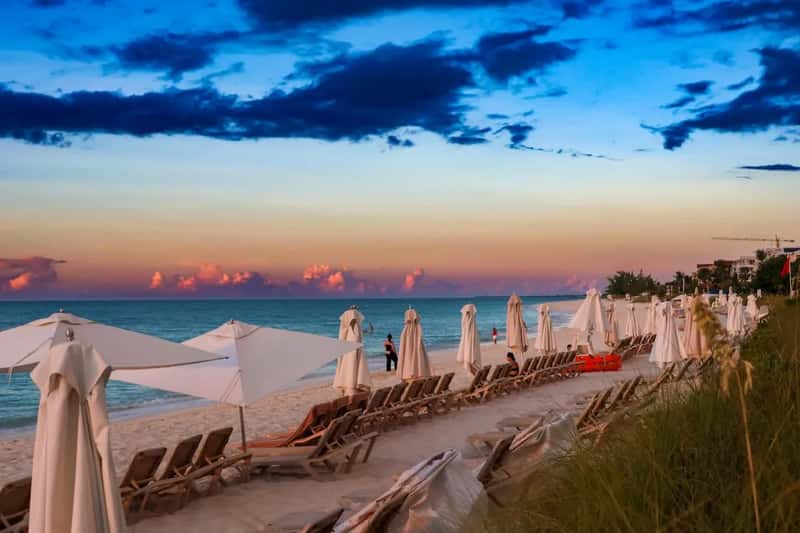
This one is less about violent crime and more about a legal trap that has caught out several unsuspecting Americans. Firearms and ammunition, including single bullets brought by mistake in carry-on bags or luggage, are illegal in the Turks and Caicos Islands, and police strictly enforce these laws, even at the airport when travelers are leaving, with offenders facing arrest, jail time, and heavy fines. The advisory itself sits at a modest Level 2, but the consequences of an accidental violation can be severe.
The pattern of cases makes the risk feel less theoretical. Five Americans were arrested in Turks and Caicos and accused of carrying ammunition during trips to the islands in one recent year, including a Pennsylvania man who received a one-year suspended sentence and a $6,700 fine, and a Florida grandmother fined $1,500 after two stray bullets were found in her luggage. Anyone who owns firearms for hunting or sport shooting should double-check every bag, since the State Department has specifically recommended using different luggage than what’s typically used for those activities.
Haiti
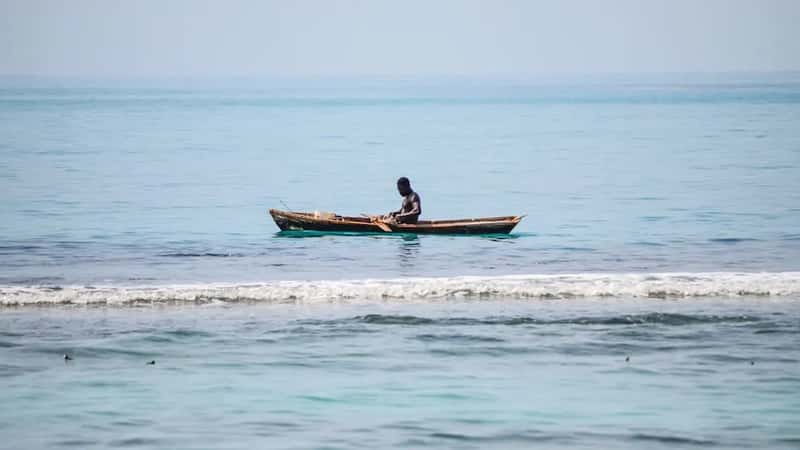
Haiti sits at the far end of the advisory spectrum and offers a useful contrast to the more moderate warnings elsewhere on this list. Haiti remains at the centre of concern with a Level 4 “Do Not Travel” warning, the highest advisory issued by the U.S. government. This isn’t a nuanced regional caveat the way Mexico’s advisory works; it applies across the country.
For the many Americans with family ties or humanitarian work connecting them to Haiti, the practical guidance is stark. The State Department has placed the country on its highest travel advisory level, and this warning is not bureaucratic paperwork, reflecting conditions that can include armed conflict, terrorism, crime and limited ability for the U.S. government to assist citizens in an emergency. Anyone with essential travel needs to Haiti should coordinate closely with the nearest U.S. embassy resources and register with the State Department’s STEP program well in advance.
Venezuela
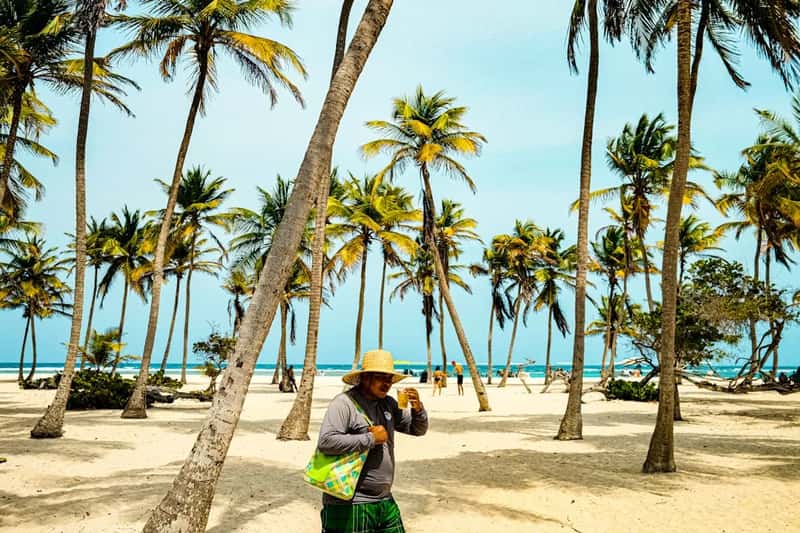
Venezuela’s advisory status has actually improved slightly in 2026, but the backstory behind that change is worth understanding before anyone reads it as a green light. The advisory was reduced from a Level 4 travel advisory to a Level 3 in March, months after a U.S. military operation in January 2026 that launched airstrikes into the country and took President Nicolas Maduro and his wife, Cilia Flores, into custody on narco-terrorism, drug-trafficking and weapons charges. That is an extraordinary sequence of events for any country to have gone through in the same year.
Even with the downgrade, Level 3 still carries real weight. Level 3 and Level 4 advisories constitute “serious” risks to travelers’ safety, with Level 3 urging Americans to “reconsider travel,” while Level 4 more decisively declares “do not travel.” Given how recently the political situation changed, conditions inside Venezuela remain fluid, and anyone considering travel there should treat the current advisory level as a snapshot rather than a settled outlook.
The Gulf States (Saudi Arabia, UAE, Qatar, Bahrain, Kuwait, and Oman)
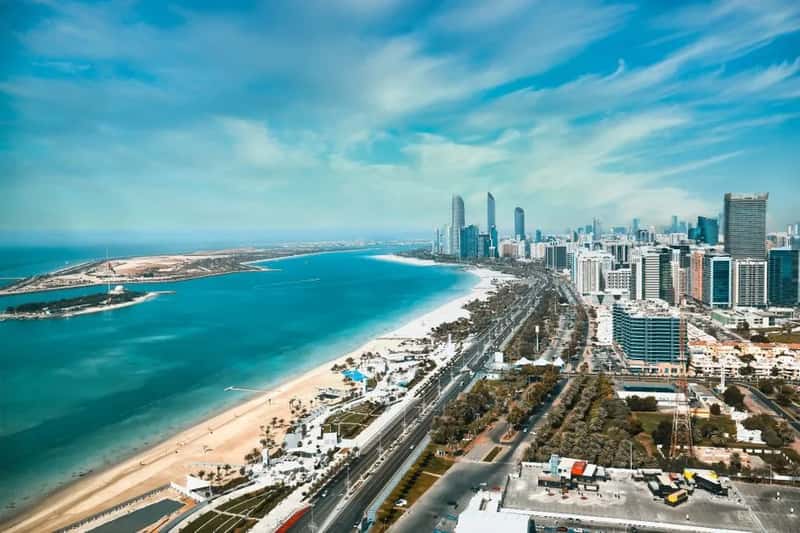
This is the clearest example of an entire region shifting almost overnight due to geopolitics rather than crime or natural disasters. Following the February 2026 hostilities between the United States and Iran, the State Department moved the entire region to Level 3, Reconsider Travel, covering Bahrain, Kuwait, Oman, Qatar, Saudi Arabia, the United Arab Emirates and Jordan. These are destinations that many Americans previously booked with little hesitation, from Dubai stopovers to Doha business trips.
What makes the Gulf case distinctive is that the underlying reason has nothing to do with local crime rates. A Level 3 for a Caribbean island is usually a crime story, while a Level 3 for a Gulf state in 2026 is about the risk of a wider regional conflict. The State Department has also flagged the practical side effects of that tension, warning travelers to be prepared for possible flight cancellations and periodic airspace closures tied to the broader regional situation, which matters as much for logistics as it does for safety.
The pattern across these eight destinations is less about outright danger and more about advisories that have moved, sometimes more than once, within the same year. A Level 2 designation in Jamaica or the Dominican Republic doesn’t mean cancel the trip, but it does mean the conditions on the ground deserve a fresh look rather than an assumption carried over from a previous vacation. Checking the official State Department advisory page and enrolling in the Smart Traveler Enrollment Program before departure takes a few minutes and can make a real difference if conditions change while you’re already there.