You might expect a place with a warm climate, good food and centuries of history to be happy about visitors. In 2026, more and more residents of those places aren’t. A June 2026 study covered by Euronews compared 30 countries on protest intensity, media attention, tourist tax rates and visitor to resident ratios. Spain ranked first and recorded protests in more than 40 cities, from Barcelona to the Canary Islands.[1]
Not every destination is turning hostile, and the picture needs some care. The same study found Cyprus and Albania to be the most welcoming in Europe, with no documented protests and little regulatory pressure on travellers.[1] The eight places below are where the friction is easiest to see, and in most cases the anger is aimed at a tourism model and housing costs rather than at individual visitors.
Barcelona, Spain
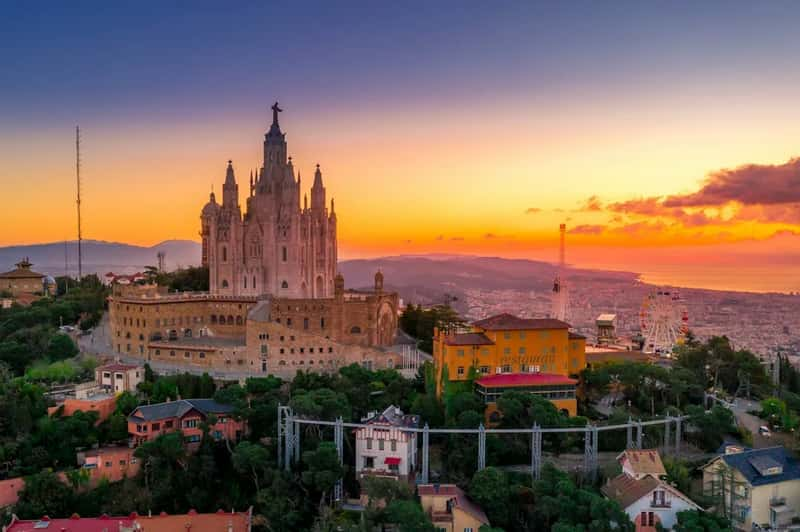
Barcelona has become the face of the backlash. Catalonia, the region around the city, drew around 20.1 million tourists in 2025, slightly more than in 2024.[1] The city’s answer is aimed at housing. It will phase out all licensed whole home tourist apartments by November 2028, which effectively ends stays of 31 days or fewer in ordinary flats.[2]
That policy affects roughly 10,000 licences that will expire and not be renewed.[2] The city says the aim is to ease rents. Over the past decade, the rise of short stay rentals has pushed rents up by roughly two thirds, according to the figures cited.[3] Visitors are also being asked to pay more to stay overnight, as Catalan authorities push for higher accommodation levies.[4]
Venice, Italy
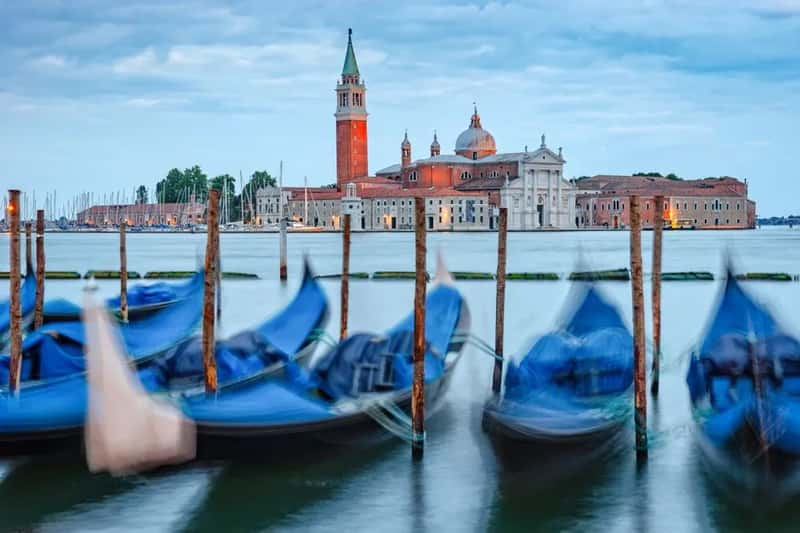
Venice was the first major city to charge people just for walking in. The day tripper fee, introduced in summer 2024, returned in 2026.[5] It now applies on 60 days, up from 54 in 2025.[5] Those days run from April to July,[6] and they cluster on Fridays to Sundays and holiday peaks.
The price depends on timing. Visitors aged 14 and over who register several days ahead pay 5 euros, while late bookings cost 10 euros.[7] Overnight guests are exempt. Whether it works is debated. The 2025 trial raised 5.4 million euros but produced only modest changes in crowding.[8]
Palma and the Rest of Mallorca
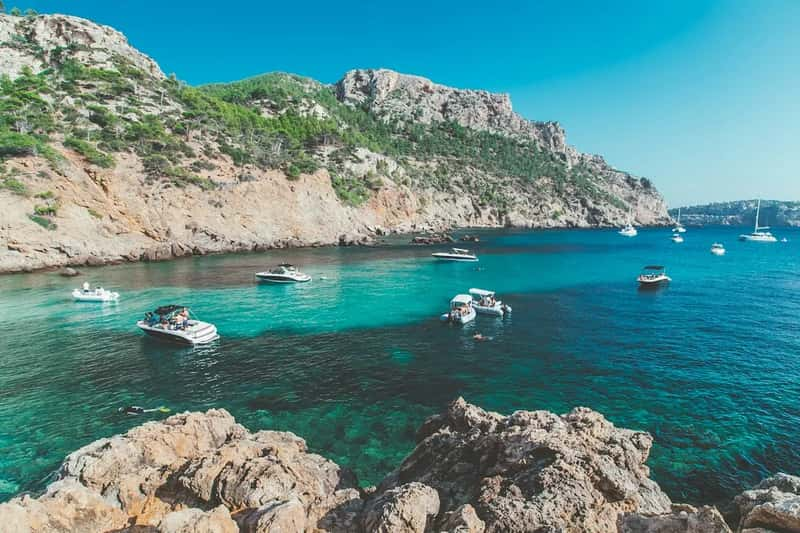
Mallorca’s summers now come with large street marches. A July 2026 demonstration drew about 25,000 people by police estimates, while organisers put it at roughly 70,000.[9] Spain expects around 100 million tourists this year, and locals say the surge is harming the environment and their quality of life.[10]
The anger has also become political. Mallorca’s summer of protests is now turning towards the Balearic elections in May 2027.[11] Campaigners also targeted a cove in Illetes that they said a hotel had privatised.[11] If you’re visiting, the mood is more about access to beaches and housing than hostility to individual travellers.
The Canary Islands
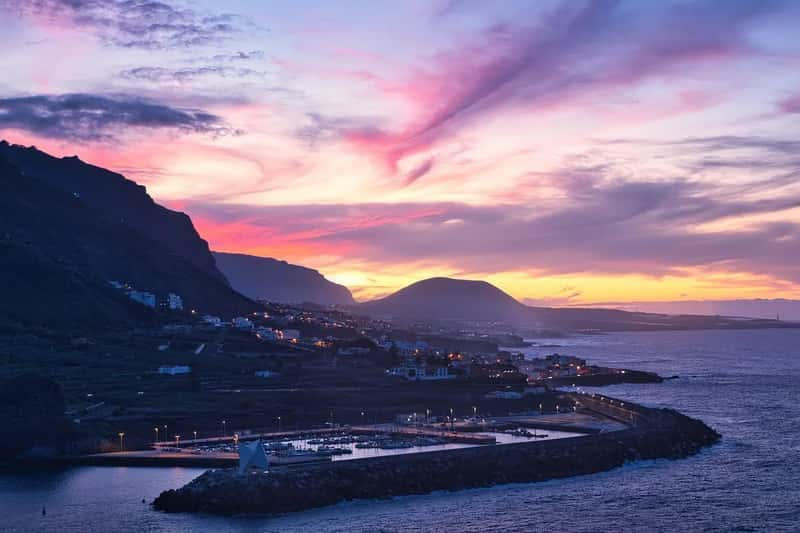
The Canaries were an early flashpoint in this wave. An estimated 57,000 people joined protests across the islands in April 2024, according to Spanish media reports citing the central government’s representative.[12] Around 30,000 marched again that October under a banner saying the islands have a limit.[13] Tourism contributes roughly a third of the archipelago’s economic output,[14] which is why the argument is so tangled.
Visitor numbers haven’t dropped. The first quarter of 2025 saw 4.36 million international tourists, up roughly two percent on the year before.[15] Authorities have started with small steps. Tenerife is introducing an eco tax in 2026 for non residents visiting Teide National Park, and private car access is being restricted in favour of electric shuttle buses.[15]
Lisbon, Portugal
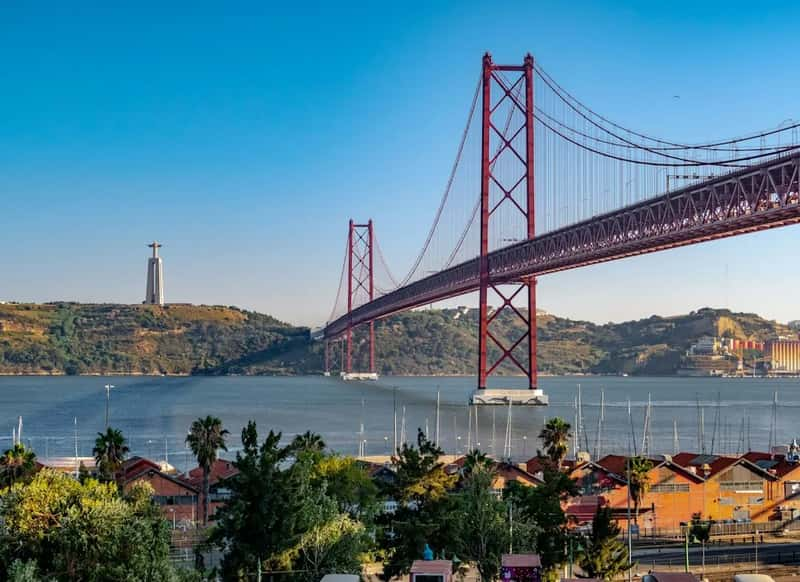
Lisbon’s tension is mostly about rent. Hundreds of demonstrators took to the city’s streets in March 2026 over rising housing costs.[9] Housing pressures have several causes, though short stay tourist accommodation has become an important part of the political debate.[9]
The city is part of a wider southern European pattern. Activists held protests across Spain, Portugal and Italy on June 15, 2025, as anger grew in southern Europe over excessive levels of tourism.[16] Reporting on these events also notes that the protests are largely peaceful and organised by neighbourhood associations, unions and housing groups rather than aimed at individual tourists.[17]
Nice and Cannes, France
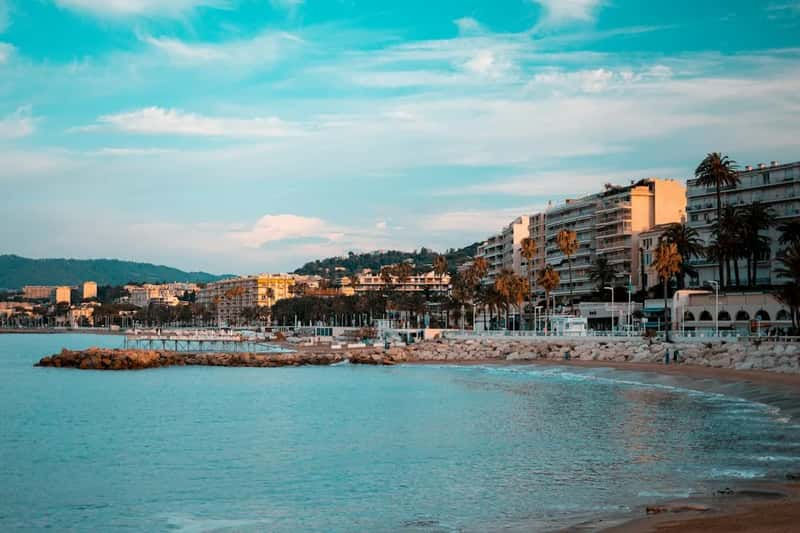
France has mostly avoided the headlines that Spain attracts, but the Riviera is adjusting. Nice and Cannes began limiting the number of cruise ship passengers coming into the towns from summer 2026.[18] Cruise crowds are one of the more visible pressures on small historic centres, and these two towns are acting on it.
The wider French picture is more mixed. France welcomed more than 100 million people in 2024, yet tourism protests were few and far between.[19] Forbes framed this summer’s protests as aimed partly at big business, which locals now see as a new target alongside visitors.[18]
Paris and Montmartre, France
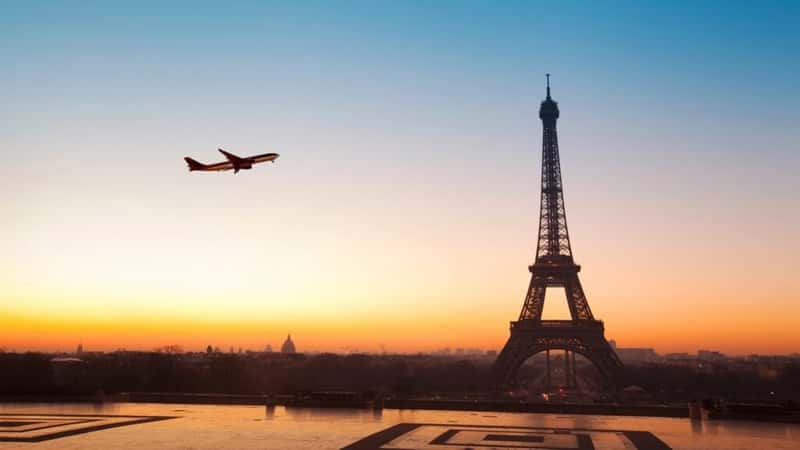
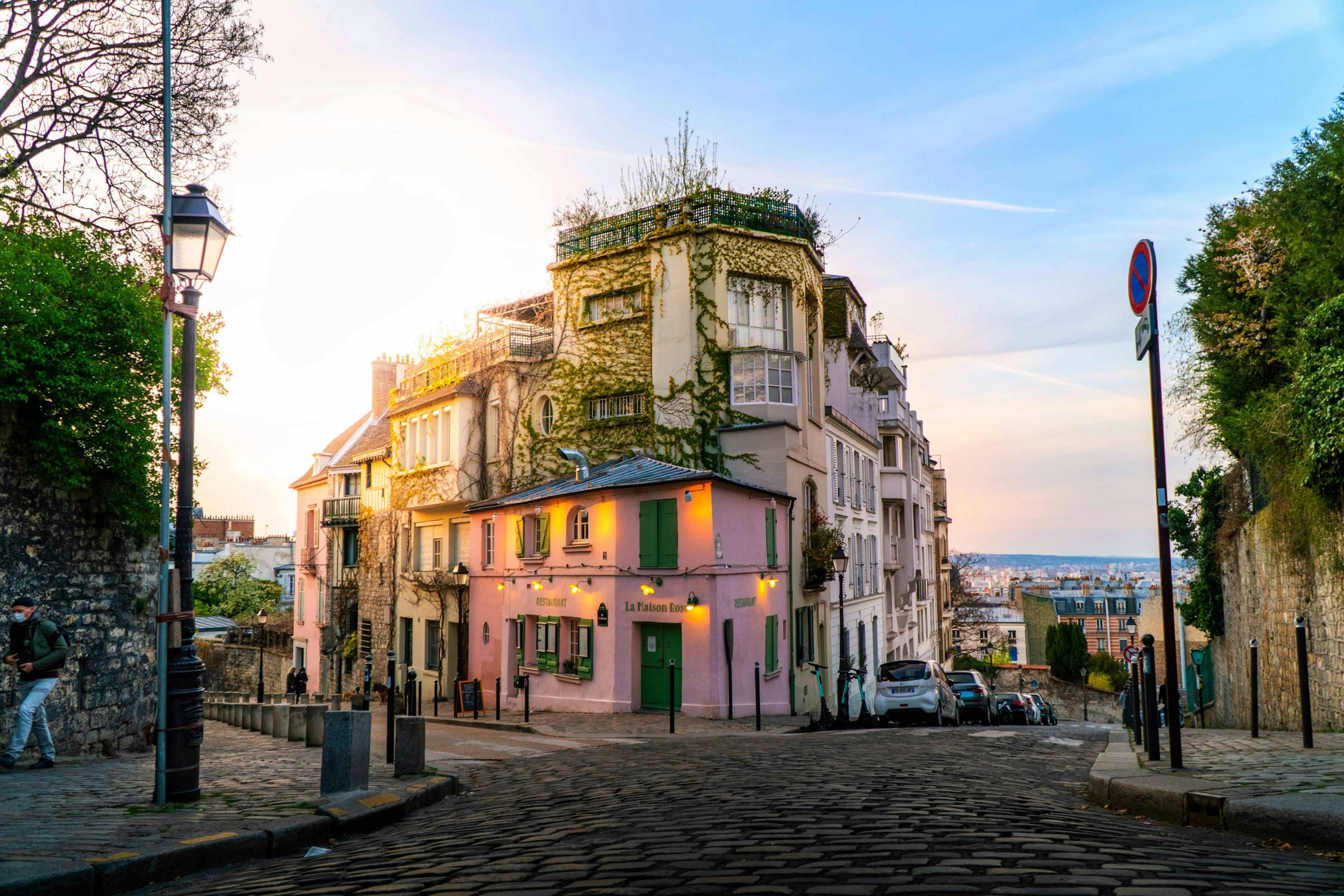
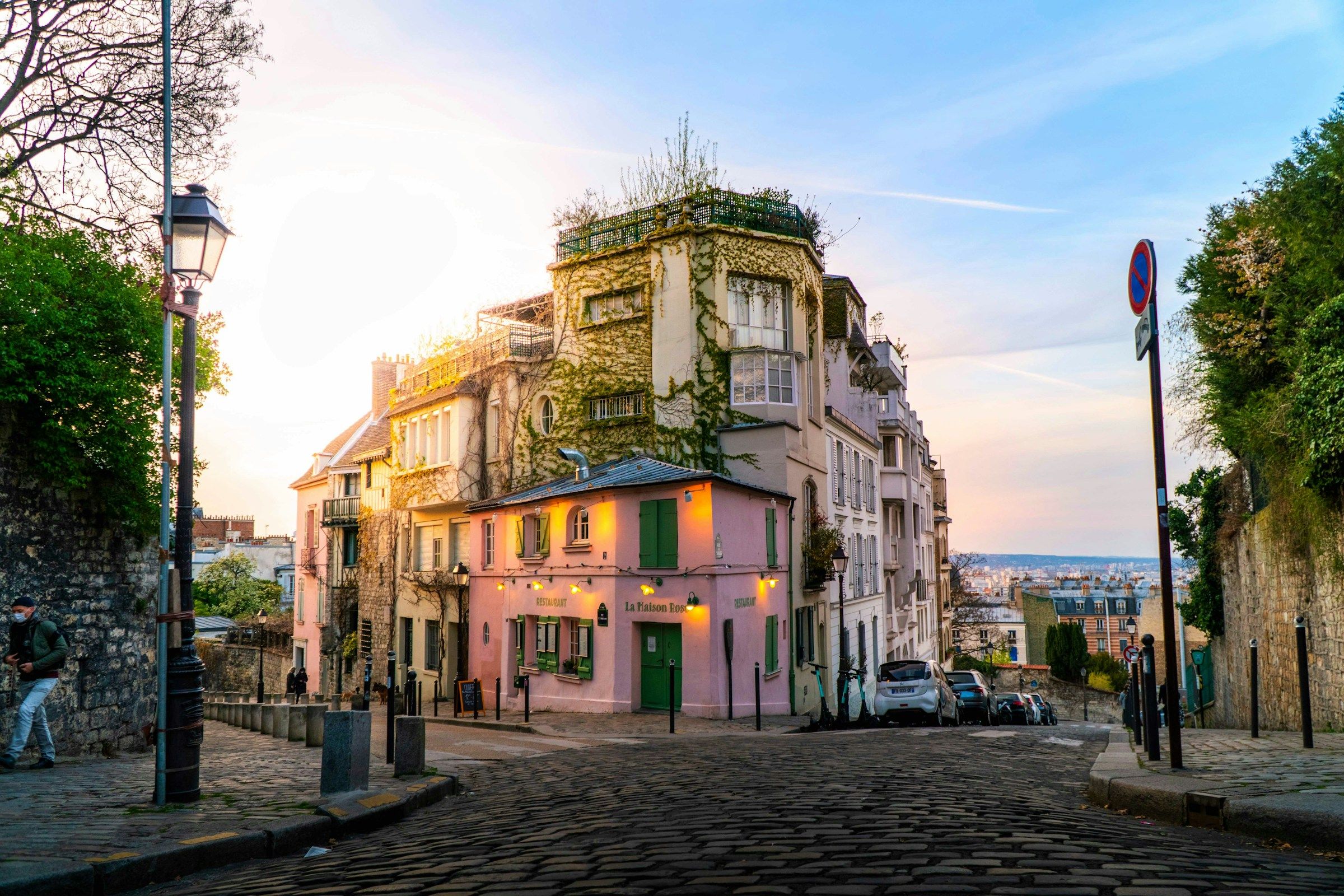
In Paris, the sore spot is a single hillside. The city welcomed 48.7 million tourists in 2024, and Montmartre residents say visitor numbers are taking their toll, fighting what they call the Disneyfication of their neighbourhood.[20] The complaints are less about housing laws and more about daily life in streets built for villagers rather than coach groups.
Pricing has also shifted for some travellers. One 2026 roundup reports that the Louvre now charges non Europeans nearly half as much again as locals.[21] That is a pricing policy rather than a protest, but it shows how Paris is starting to treat visitors differently from residents.
Ibiza and Menorca, Spain
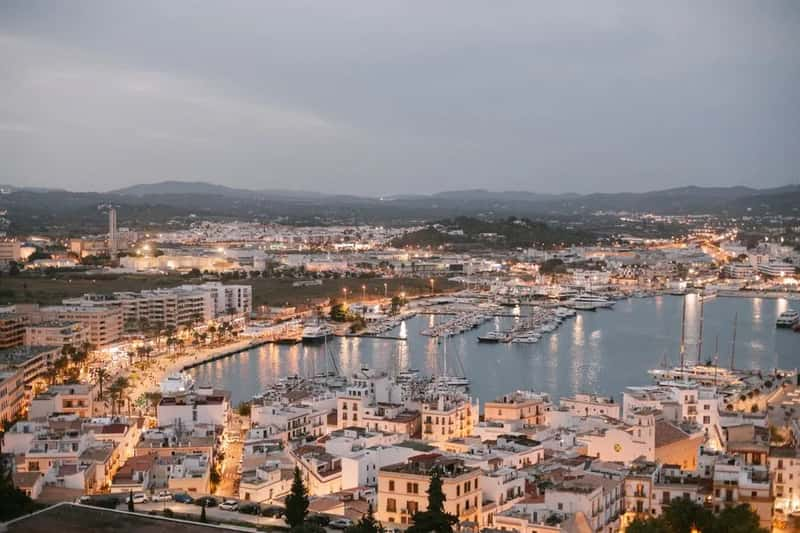
The Balearic backlash isn’t limited to Mallorca. Protests took place in Menorca and Ibiza in May 2024 alongside Palma,[22] and Menorca residents complained that the island government was ignoring local concerns. In 2026, one researcher noted actions on Ibiza and Menorca, where the movement had not previously been as active as on Mallorca.[11]
Regional authorities are tightening the rules on rentals. Fines in the Balearic Islands for unlicensed holiday rentals can reach 500,000 euros, raised from 400,000 under a 2025 decree.[23] Balearic president Marga Prohens defends a policy of containment and extending the season, while opposition parties want measures to reduce tourism growth.[11]