Ask anyone who has sailed a dozen times or more, and they will tell you the last morning of a cruise is where things go sideways. Not because ships are poorly run on that final day, but because passengers rush, assume, or simply forget details that felt minor at the time. A missed customs allowance, a shared shuttle that never shows, a folio nobody checked until they were home again. Each of these has a price tag attached, and most veteran cruisers only learned the lesson once it cost them something.
What follows are eight habits that experienced cruisers now treat as non negotiable, built from years of watching disembarkation morning go wrong in fairly predictable ways.
Reading the final folio before the ship even docks
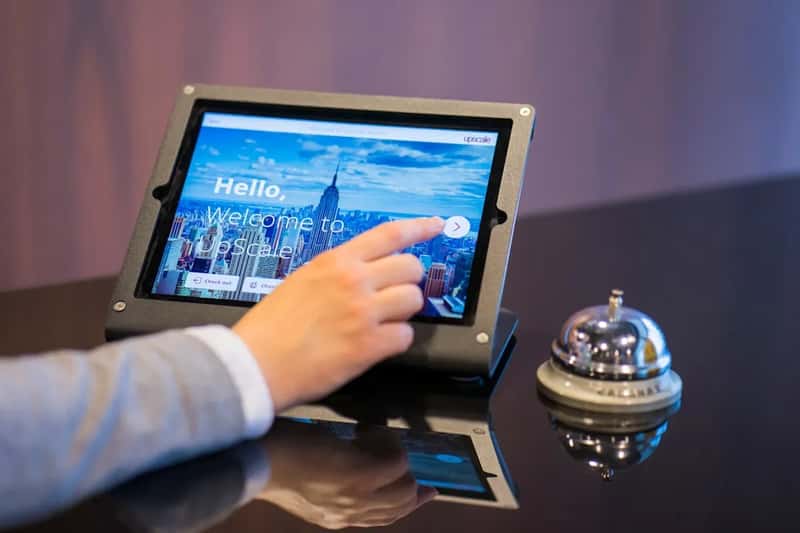
Plenty of first time cruisers assume their onboard bill is automatically correct, and most of the time it is. Still, billing errors happen often enough that Cruise Critic threads are full of travelers kicking themselves for not checking their folio before leaving, with some admitting it only took two minutes at Guest Services onboard versus hours of phone calls once they got home[1]. That gap between a two minute fix and a multi hour headache is exactly why seasoned cruisers now build in time for this.
The logic is simple once you have been burned by it. The best advice is to always check your final bill the night before disembarking[1]. Nobody thinks the cruise line is trying to overcharge them, but mistakes can happen due to human error or technical glitches[1], and it is far easier to sort those out while you are still standing at Guest Services than after you have already flown home.
Eating a real breakfast instead of rushing off hungry

Skipping breakfast on the last morning feels efficient in the moment, but veteran cruisers almost universally regret it. While it may be tempting to skip breakfast on disembarkation day and wait until you’re off the ship, that plan often leads to unnecessary frustration, so planning for breakfast onboard is best[2]. The buffet is still free, the coffee is still hot, and there is no telling how long the terminal or airport food lines will be once you leave the ship.
The cost of skipping it tends to show up later, usually somewhere between customs and the departure gate. It always surprises how many cruisers skip breakfast on that last morning, even though the breakfast buffet is still free, unlike the food stalls in the cruise terminal or airport[1]. Combine an empty stomach with a long customs line, and a pleasant last day can turn sour fast, which is exactly why breakfast has become a fixed rule for repeat cruisers rather than an optional extra.
Choosing self assist only when the math actually works

Self assist disembarkation sounds appealing on paper since it lets you skip the wait and leave whenever you are ready. There are two options for disembarking the cruise, self-assist or regular departure, and self-assist does not require any luggage tags, letting guests disembark at any time provided they manage their own luggage without help from porters[3]. Veteran cruisers who travel light love it, but those hauling oversized suitcases have learned it can backfire.
The physical reality is what trips people up. Passengers carrying their own bags get no help from the crew, since cruise ships don’t offer luggage carts like hotels do, and this option is not recommended for travelers with lots of unwieldy luggage, working much better for those who travel light[4]. Add in the fact that managing bulky suitcases in and out of crowded elevators is the disadvantage[5], and it becomes clear why experienced cruisers now match their disembarkation method to their actual luggage load rather than to convenience alone.
Tracking duty free purchases against real customs limits

Duty free shops are hard to resist on the last few days of a cruise, and that is precisely the problem. Duty-free feels irresistible on vacation, so a bottle here and a carton there can leave a bag bulging, but the regret comes later when you’re over the limit and paying a fortune in unexpected taxes and import duties[1]. It is a mistake most people only make once, because the bill that follows tends to be memorable.
Veteran cruisers now keep a running tally rather than trusting memory at the gangway. Experienced travelers track their purchases and check limits for their return country, especially on longer itineraries, since nobody wants their cruise memories ending with a surprise customs bill or losing an expensive bottle[6]. It takes a few minutes of math partway through the cruise, which is a small price compared to an unexpected duty charge at the border.
Grabbing luggage tags early rather than waiting until the last day
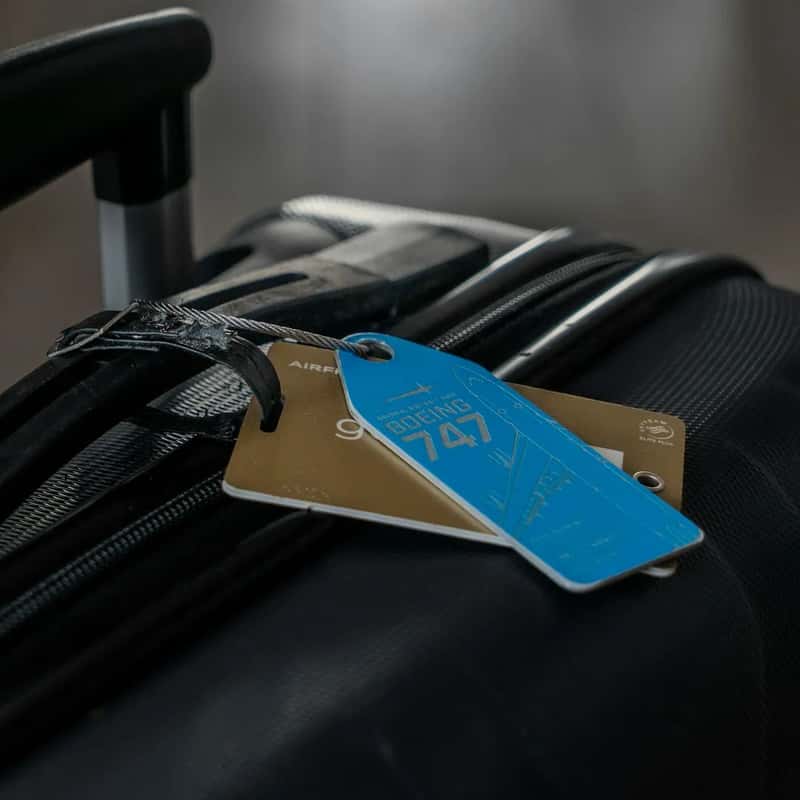
Luggage tags might seem like a formality, but they actually determine when you get off the ship. Debarkation tags will either have a letter, group numbers, or be color-coded, and the tag will function as your group ID, corresponding to specific debarkation times[7]. Passengers who wait until the last possible moment to pick theirs up sometimes find the schedule already filled around them.
This is a lesson many cruisers learn only after missing a preferred slot. If you have a preferred time to leave the ship, picking up your tag early is wise, since they can run out and your preferred disembarkation time may no longer be available[7]. For anyone with a specific flight to catch, grabbing that tag on day one of it being offered has become a small but firm habit.
Booking reliable transportation instead of gambling on a shared ride

Getting off the ship is only half the job. What happens curbside matters just as much, and this is where plenty of cruisers have been caught off guard. Nothing kills the cruise glow faster than standing at the curb with no ride, no signal, and no backup plan, and it happens more than people would think, with forums full of stories about shared shuttles that never showed and rideshares that canceled mid-wait[6].
Terminal pickup zones add another layer of difficulty, since port pickup zones can be so chaotic that people couldn’t find their drivers[6]. Veteran cruisers now book a fixed transfer, whether through the cruise line or a private car service, rather than leaving that last leg of the trip to chance. It costs a little more upfront, but it removes one of the more stressful variables on an already busy morning.
Building in a buffer day before the flight home
One of the most common regrets among repeat cruisers involves timing the return flight too tightly. Flying home the same day the ship docks sounds efficient, but it leaves almost no room for delays, weather, or a slow disembarkation morning.
Travel writers with dozens of cruises behind them tend to build in a cushion on both ends of the trip for exactly this reason. Arriving a day early avoids the risk of missing the ship entirely due to flight delays, and the same logic applies in reverse on the way home, since a same day flight leaves no margin if disembarkation runs late or a line at customs stretches longer than expected. That extra hotel night costs money, but it is far cheaper than rebooking a missed flight or losing a full vacation day to travel stress.
Packing valuables into one grab and go bag from day one
Stateroom safes are useful right up until the moment someone forgets what is inside them. This one may seem obvious to seasoned cruisers, but forgetting valuables stored in the stateroom safe is surprisingly easy, and items like passports, medications, jewelry, and car keys are too important to leave behind[2]. Replacing a lost passport or medication mid trip is not just inconvenient, it is genuinely expensive and can derail travel plans for days.
The fix that veteran cruisers swear by is almost embarrassingly simple. A common cruise tip is to place all safe contents into a large zip-top bag at the start of the cruise, so that on disembarkation day it’s one quick grab[2]. Some even place one of their disembarkation day shoes inside the safe, since no one leaves their cabin barefoot[2], turning a simple habit into a built in reminder that nothing gets left behind.
None of these habits are complicated, and none require special status or insider access. They are small adjustments built from repeated experience, the kind that only start to feel obvious after the first expensive mistake has already happened. For anyone about to sail, borrowing a few of them upfront is a lot cheaper than learning them the same way the veterans did.