Walk through Venice on a Saturday morning in July and you will notice something odd: locals moving with purpose past a QR code checkpoint that didn’t exist a few years ago. Across Europe, a similar shift is happening in quiet, bureaucratic ways, mostly involving booking systems, port authorities, and daily headcounts that would have seemed unthinkable a decade ago.
These aren’t blanket bans on visitors. They are calculated attempts to keep historic centers, fragile coastlines, and small island communities from being overwhelmed on their busiest days. Some of these measures are new for 2026, others have been tightened after years of trial and error, and a few remain more aspiration than enforced rule. Here is a look at eight places where officials have decided that a cap, however imperfect, beats doing nothing.
1. Venice, Italy
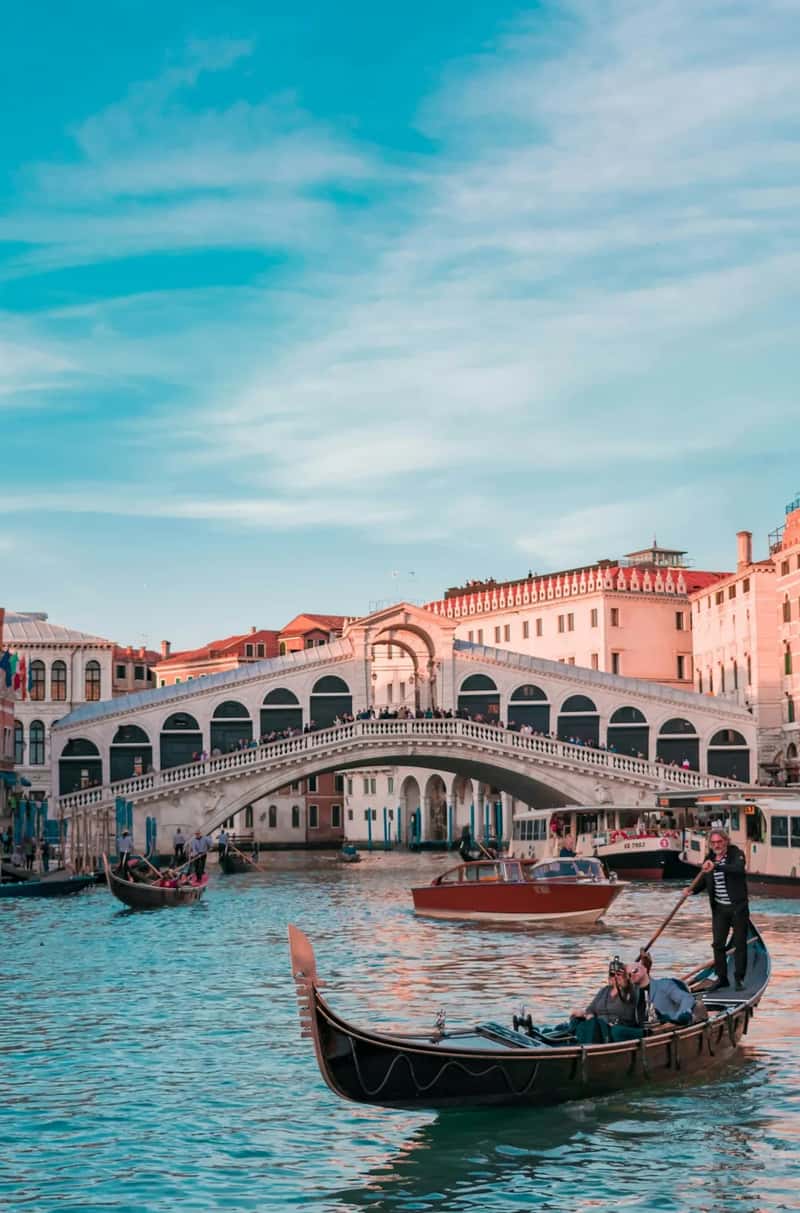
Venice made history as the first city in the world to charge day-trippers simply for entering on its busiest dates. It is the first in the world to charge for day-tripper admission. In 2026 the scheme has grown rather than shrunk. Venice’s daytripper fee is returning in 2026 as of April, with the number of days that the levy will be in place extended to 60, compared to 54 in 2025.
The mechanics are straightforward but the numbers behind them are striking. In 2026, daytrippers will be required to pay from Friday to Sunday in April, May, June, and July. On the single busiest day recorded so far, 24,951 visitors paid the daytripper fee, a striking number equivalent to over half the resident population. Overnight guests skip the charge entirely, since the fee does not apply to overnight guests, as they already pay a separate tourist tax through their accommodation.
2. Santorini, Greece
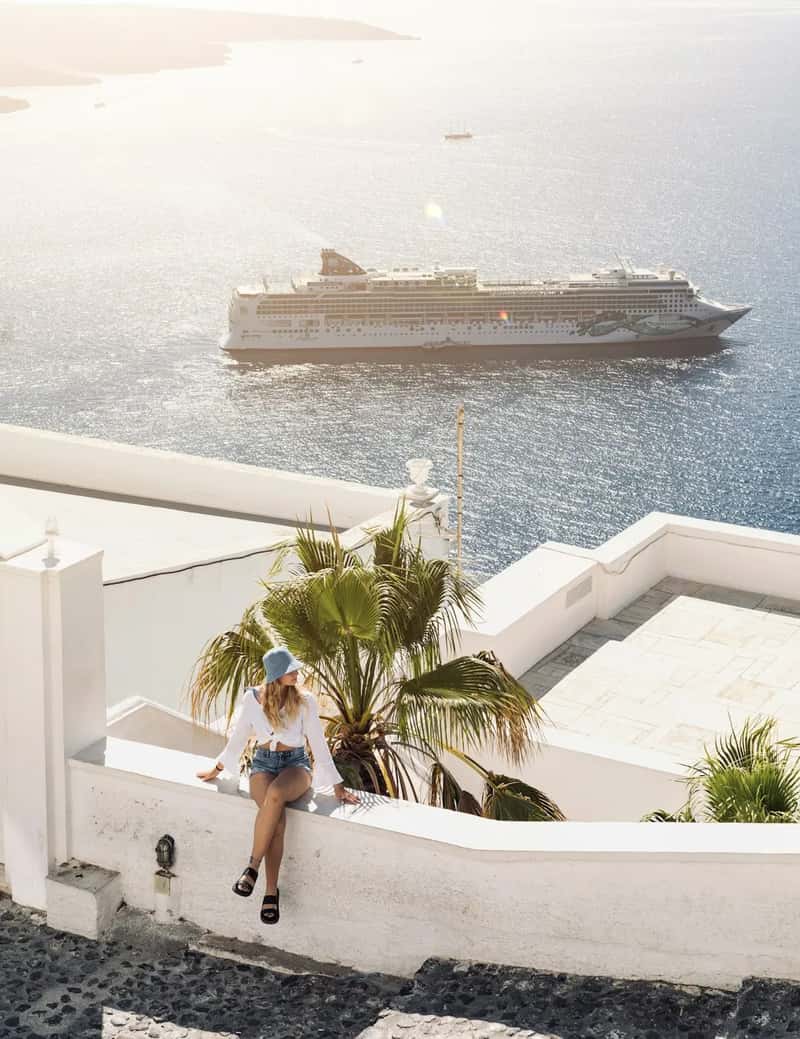
Few Greek islands have felt the strain of cruise tourism quite like Santorini, where narrow caldera paths built for donkeys now carry thousands of daily arrivals. The response has been one of the most aggressive cruise policies in the Mediterranean. Santorini enforces a daily limit of 8,000 cruise passengers.
What makes the 2026 version notably stricter is a technical change in how that number gets calculated. For 2026, the calculation method was tightened significantly, as the shift to 100% occupancy calculation is the most impactful change, since a cruise ship with 3,000 berths was previously counted as 2,400 passengers. Passengers are further managed on arrival, since Santorini enforces the cap through a berth allocation system rather than turning ships away at the dock, and if bookings exceed the limit, lower-priority calls get shifted to a different date. A tiered landing fee, rising to €20 per person in peak months, adds another layer of restraint on top of the headcount itself.
3. Dubrovnik, Croatia
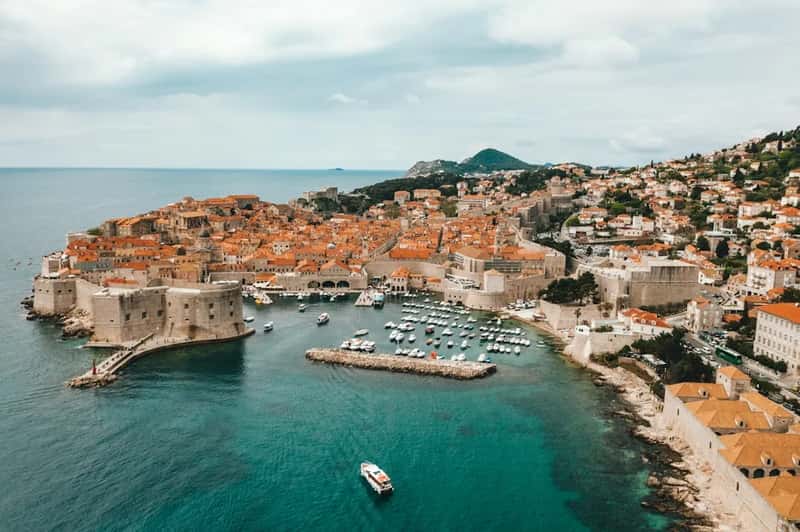
Dubrovnik’s medieval walls were never designed for modern cruise crowds, and the city has responded by rationing the ships themselves rather than the tourists directly. Dubrovnik allows two ships a day at its main port plus one near the Old City, targeting around 8,000 passengers on the busiest days.
Enforcement appears to be more than paperwork. Travelers checking recent schedules have found that the Port Authority’s website says dozens of ships were not allowed to dock this year, with about six days each summer when the limit is temporarily lifted for a few thousand additional passengers. The goal is less about excluding visitors outright and more about spacing out arrivals so the Old City’s stone lanes never face two or three ships’ worth of people at once.
4. Hallstatt, Austria
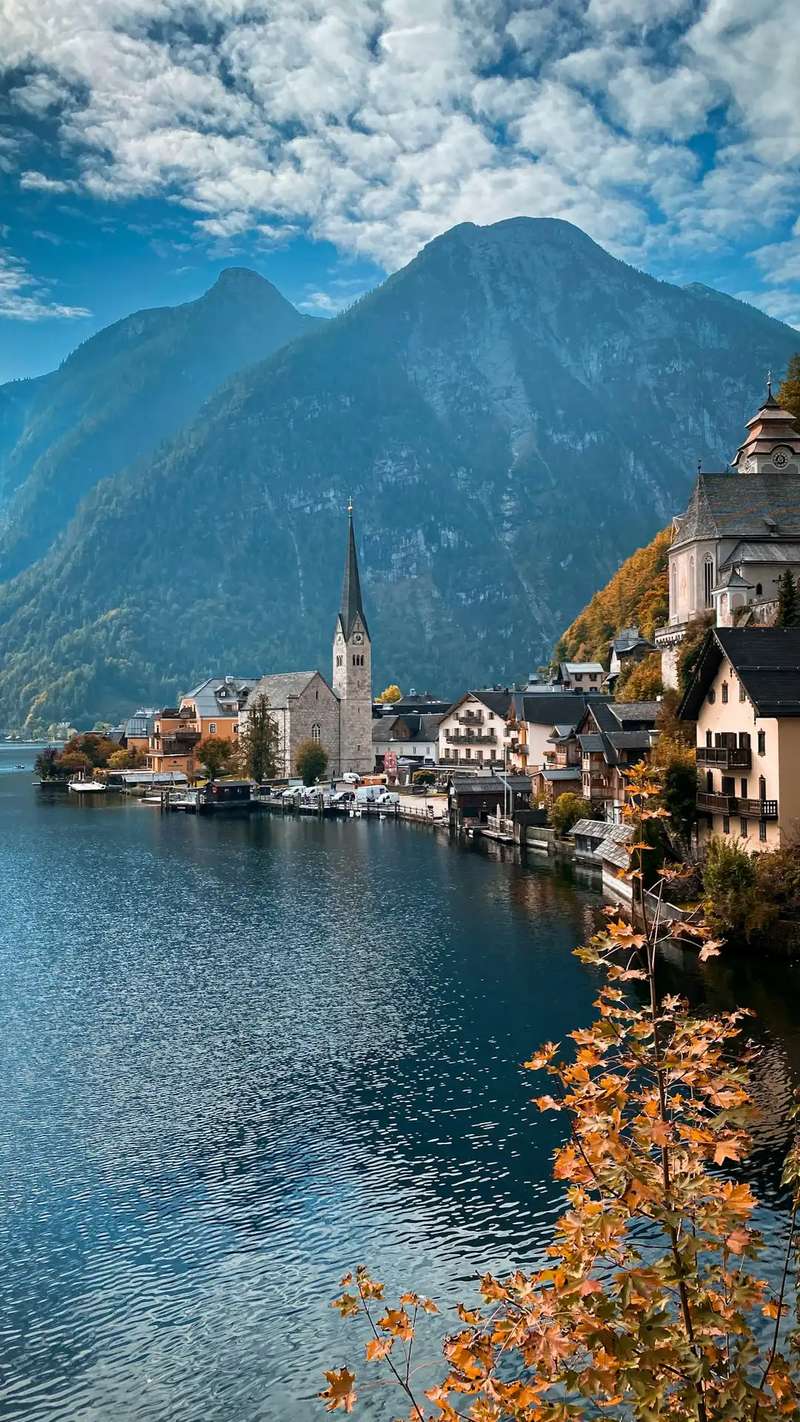
Hallstatt is a village of roughly 760 people that somehow became one of the most photographed places in Europe, largely thanks to social media. The mismatch between size and fame has been dramatic: Hallstatt is an alpine UNESCO World Heritage village that sees more than one million visitors per year and up to 10,000 on a single peak day.
Local officials have tried blunt tactics before, including a 2023 fence built to block a popular selfie viewpoint, though social media backlash was intense enough that the fence came down within days. A formal cap has been proposed but not yet approved, since the village has called for a reservation-based daily cap of 5,000 visitors, but as of 2026 lacks the authority from provincial government to enforce one. For now, the closest thing to an active limit involves buses rather than people, as coach bus time slots, strictly regulated, remain Hallstatt’s most effective tool, though they apply only to group travel.
5. Cinque Terre, Italy
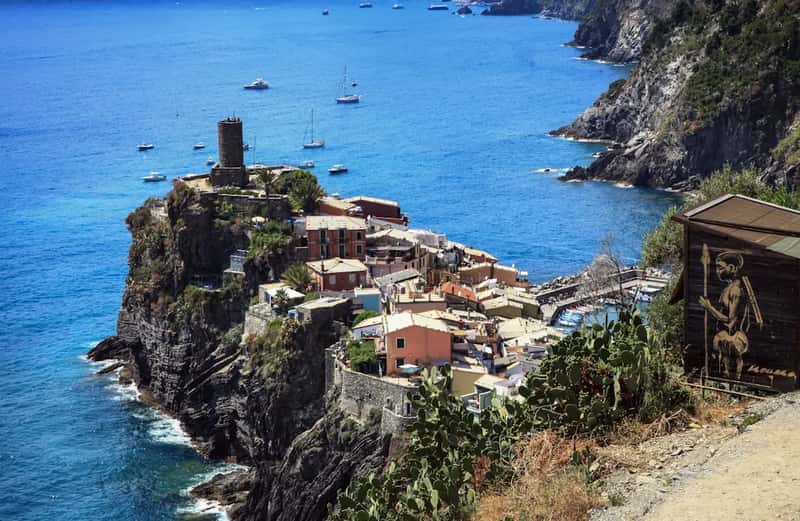
The five cliffside villages of Cinque Terre have flirted with the idea of a hard visitor cap for years without ever fully committing to one. What has changed more recently is access to specific trail segments, particularly the famous coastal path connecting two of the villages. The Via dell’Amore, the first section of the Blue Path between Riomaggiore and Manarola, was closed for twelve years, and after its 2024 reopening a new system was introduced requiring visitors to book a 30-minute time slot along with a Cinque Terre Card.
It’s worth being clear about what this is not. Despite plenty of media speculation about a special permit limiting overall tourist numbers, that system has never actually been developed, so visitors don’t need to register or obtain a general Cinque Terre pass. Instead, the park manages pressure indirectly, through the mandatory hiking card, timed trail slots, and train ticketing that spread arrivals across the day rather than turning anyone away outright.
6. Amsterdam, Netherlands
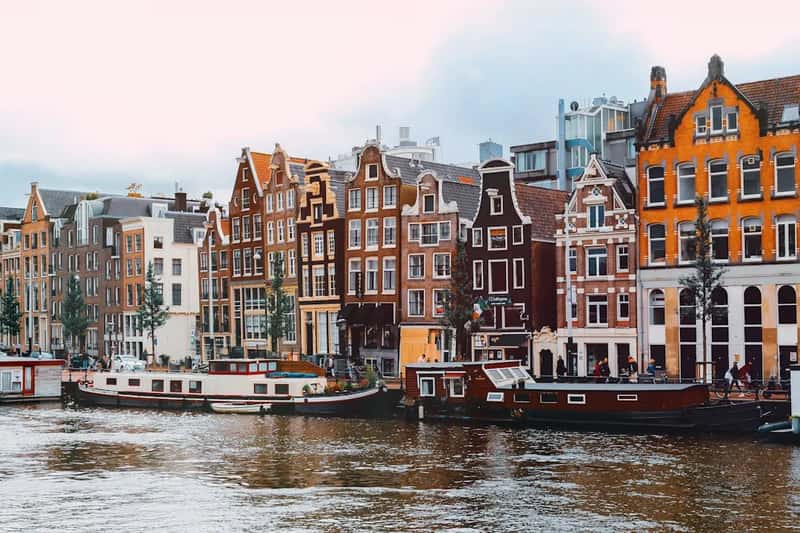
Amsterdam’s overtourism problem has less to do with a single monument and more to do with volume, particularly from cruise ships docking near the historic center. The city has chosen to attack the source directly. Beginning in 2026, Amsterdam plans to cut the number of cruise ship calls from about 200 per year to 100.
City officials have also floated relocating cruise terminals farther from the city center altogether, a move that would separate large groups of disembarking passengers from the narrow canal streets they currently flood within minutes of arrival. Combined with existing restrictions on new hotel construction and short-term rentals, the cruise cut is part of a broader pattern in Amsterdam of managing tourism through capacity rather than pricing alone. The city has been notably willing to say no to growth that other destinations might have welcomed a decade ago.
7. Palma de Mallorca, Spain
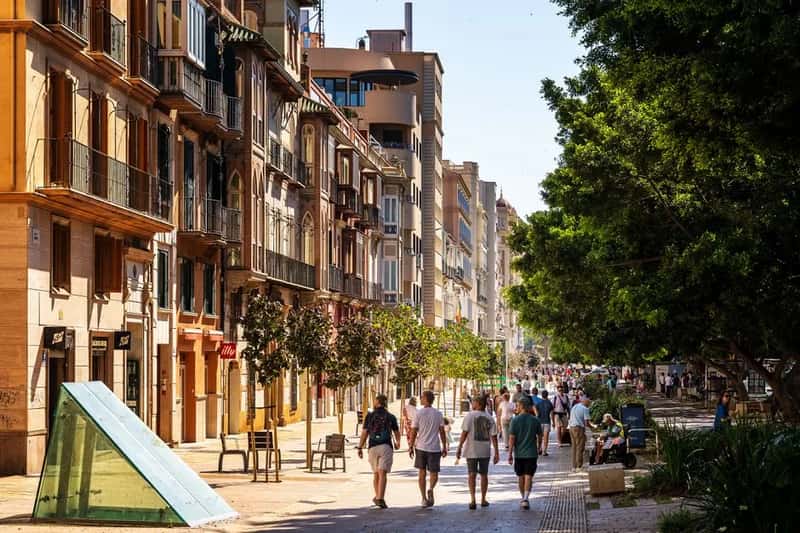
Mallorca’s capital has become one of the busiest cruise ports in the western Mediterranean, and Palma has responded with one of the clearer numeric limits on the continent. Palma de Mallorca caps arrivals at three ships a day, dropping to 7,500 passengers in summer from 2027.
The rule isn’t just about the count of vessels, either. Palma caps calls at three ships a day, with only one allowed to carry more than 5,000 passengers, and summer berths will drop from 8,500 to 7,500 a day starting in 2027. That distinction matters, since three modest-sized ships create a very different crowd than three mega-ships arriving at once, and Palma’s rule specifically discourages the latter.
8. Alhambra, Granada, Spain
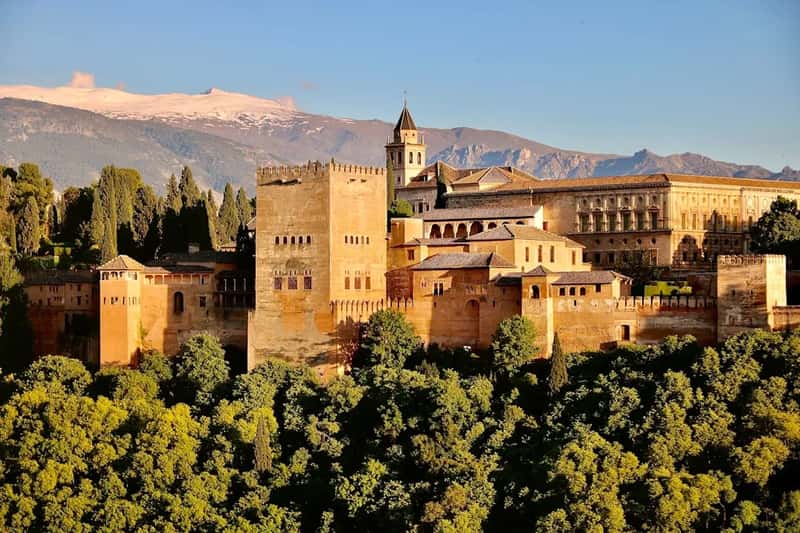
Long before overtourism became a headline topic, Granada’s Alhambra palace complex was already rationing entry through timed tickets, largely to protect fragile Nasrid-era plasterwork and courtyards that simply cannot withstand unlimited foot traffic. Visitors are assigned specific entry windows to the most delicate sections, particularly the Nasrid Palaces, and tickets for peak season routinely sell out weeks in advance.
This isn’t a citywide measure like Venice’s fee or a cruise cap like Santorini’s, but a site-specific one that has quietly worked as a model for monument management for decades. The approach reflects a simple logic: a fixed number of people can move through a given space per hour without causing damage or ruining the experience for everyone else, and pricing alone doesn’t solve that problem the way scheduled access does. Other historic sites across Europe, from certain Vatican Museum sections to select French châteaux, have since borrowed pieces of the same playbook.
None of these eight approaches look quite alike, and none of them have fully solved the tension between welcoming visitors and protecting the places that draw them. Venice’s fee has barely dented day-tripper numbers, Hallstatt still lacks the legal authority to enforce its own proposed cap, and Cinque Terre’s limits exist mostly in specific bottlenecks rather than as a citywide rule. What they share is an admission, increasingly common across Europe, that unmanaged growth eventually costs a place the very character that made it worth visiting.