Most travelers pack sunscreen and a phone charger, not a mental list of local ordinances. Yet some of the smallest, most automatic habits back home, chewing gum on a walk, snapping a quick selfie, sitting down for a snack, can turn into an unexpected conversation with a police officer overseas. The gap between what feels normal in the United States and what’s actually allowed elsewhere is often wider than people expect, and it rarely shows up in a guidebook until it’s too late.
Chewing gum in public places

In Singapore, popping a piece of gum is not the harmless habit it is at home. Since 1992, chewing gum has been illegal to import or sell unless it’s for medical reasons. Tourists sometimes assume a personal pack is fine, but the law doesn’t really carve out that exception the way people think it does.
Violating this law could result in fines of up to SGD 100,000 or imprisonment. In practice, most visitors who get caught face far smaller penalties, but the legal ceiling is genuinely that high. Chewing gum is not available in shops in Singapore, tourists are not legally allowed to bring it into the country, and if you’re caught consuming gum you will be fined at least $500. It’s one of those quirks that sounds like a myth until someone actually experiences it.
Jaywalking outside marked crossings
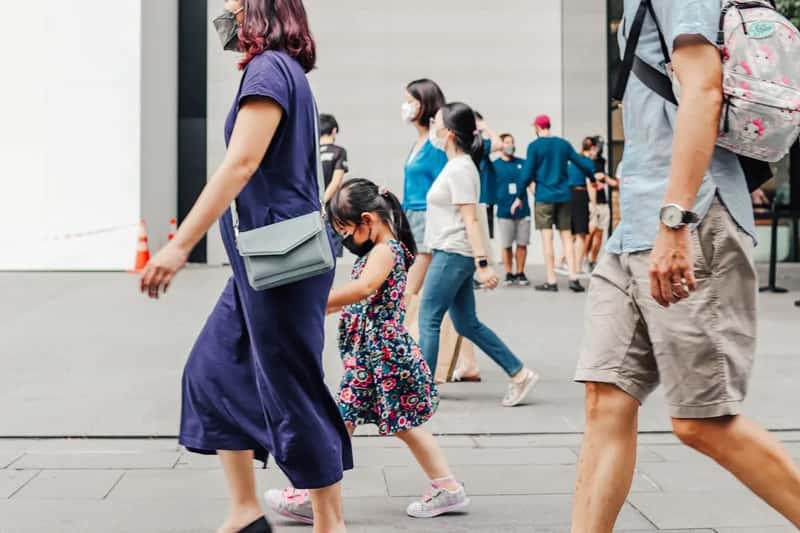
Crossing the street wherever seems convenient is second nature for a lot of Americans, especially in cities with light traffic. In Singapore, though, that habit is a genuine legal violation, not just a mild traffic risk. Jaywalking, or crossing the road outside of designated pedestrian crossings, is illegal in Singapore.
Offenders can face fines ranging from SGD 20 to SGD 1,000, depending on the severity and number of offenses. The rule applies just as much to tourists as it does to residents, and enforcement tends to be consistent rather than selective. Waiting an extra thirty seconds for a green signal is a small price compared to the alternative.
Littering, even something as small as a cigarette butt
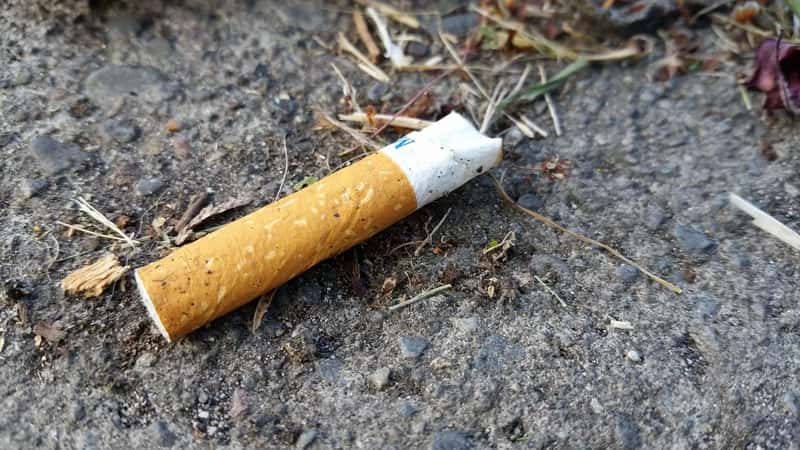
Tossing a candy wrapper or flicking a cigarette butt onto the sidewalk barely registers as an offense in most American cities. Singapore treats it very differently. First-time offenders can be fined up to SGD 1,000, which increases to a maximum of SGD 2,000 and SGD 5,000 for second and third offenses.
The country doesn’t reserve its toughest penalties for tourists alone, but it also doesn’t go easy on them. One widely reported case involved a resident who was fined a striking amount for a habit many people wouldn’t think twice about. A man in Singapore found out how seriously the country takes its cleanliness when he was fined $15,000 for throwing cigarette butts out his apartment window. It’s an extreme example, but it shows how far enforcement can go.
Sitting down or eating on historic steps and monuments

Grabbing gelato and plopping down on a picturesque staircase feels like the whole point of a European vacation. In Rome, that instinct now comes with a real cost. Sitting down on the Spanish Steps, and being caught, will cost you 250 euro, and if you are caught damaging the steps or making a mess, the fine increases to 400 euro.
Venice has similar rules covering more than just its most famous bridge. Venice has a 200 euro fine in place for those who decide to sit down and eat on monuments, steps, bridges, or even raised walkways. Florence enforces comparable restrictions around its cathedral and historic streets, so the pattern isn’t limited to one city. The habit of resting on a scenic ledge with a snack simply doesn’t translate the way it might at home.
Wearing swimwear or going shirtless away from the beach
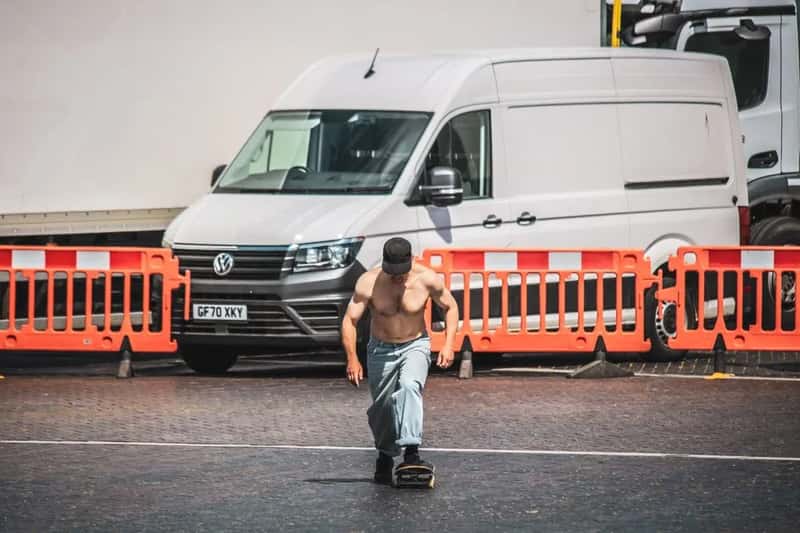
Walking from the beach to a nearby café in a bathing suit feels completely normal in most American coastal towns. Several European destinations disagree, sometimes strongly. In Barcelona, holidaymakers and locals are only allowed to wear bikinis on the beach, with a fine of up to £260 for anyone caught wearing them in the streets.
Italy has pushed this further in recent seasons. In Sorrento, wandering around town in a bikini or swimming trunks can land you a fine of up to 500 euros. The lakeside village of Varenna joined in as well, and it updated its urban police regulation to prohibit visitors from strolling around in only swimwear or walking around shirtless, with fines ranging from about 57 to about 228 dollars. Croatia has followed a similar path along its coast, so it’s worth packing a cover-up before leaving the sand.
Showing affection in public, like kissing or hugging
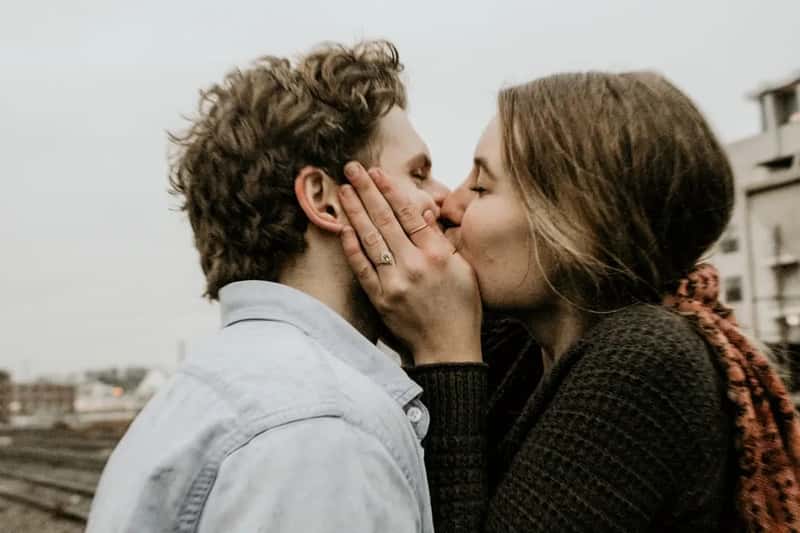
A quick kiss or a hug in a restaurant is nothing anyone would blink at in most American cities. In the United Arab Emirates, including Dubai, it’s treated as a matter of public decency law rather than personal choice. Public displays of affection should be minimal; holding hands is acceptable but kissing and hugging in public is not.
This isn’t just guidance that gets ignored in practice. Kissing in public is a violation of UAE public decency laws and can result in a fine of AED 1,000 or more. There’s real precedent behind the warning, too. The 2010 case of British tourists Ayman Najafi and Charlotte Adams resulted in one-month jail sentences followed by deportation for kissing in a restaurant. Holding hands tends to be fine, but anything beyond that deserves some caution.
Feeding the pigeons in famous public squares
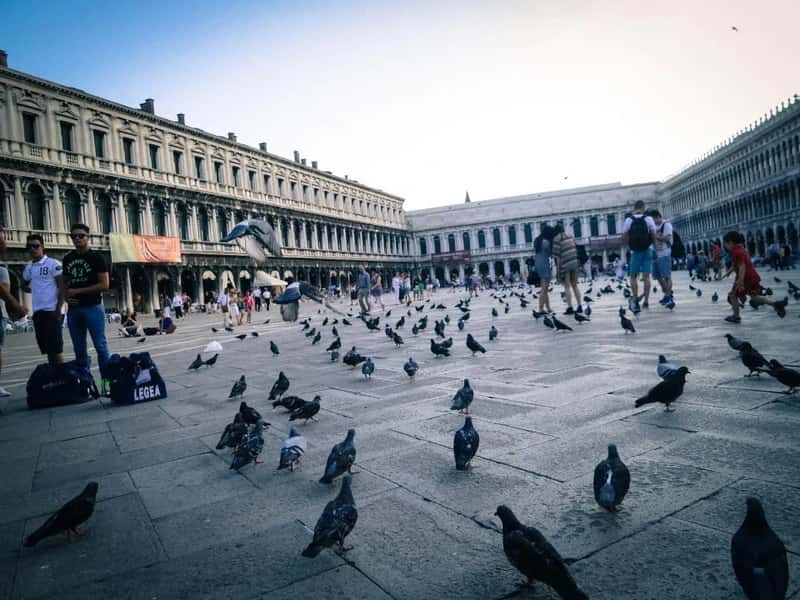
Tossing bread to pigeons in a picturesque piazza feels like a charming, harmless tourist moment, the kind of thing that shows up in old postcards of Venice. The city, however, banned the practice outright years ago. Feeding pigeons anywhere in Venice has been banned since 2008, and the ban was introduced to reduce pigeon populations that cause significant damage to historic marble facades through their droppings.
The penalties aren’t symbolic, either. The fines range from 25 euros for minor infractions to 500 euros for serious or repeated violations. Piazza San Marco in particular sees regular enforcement, since it’s the spot most associated with the old feeding tradition. A photo with birds on your arm just isn’t worth the risk anymore.
Photographing government buildings, military sites, or airports
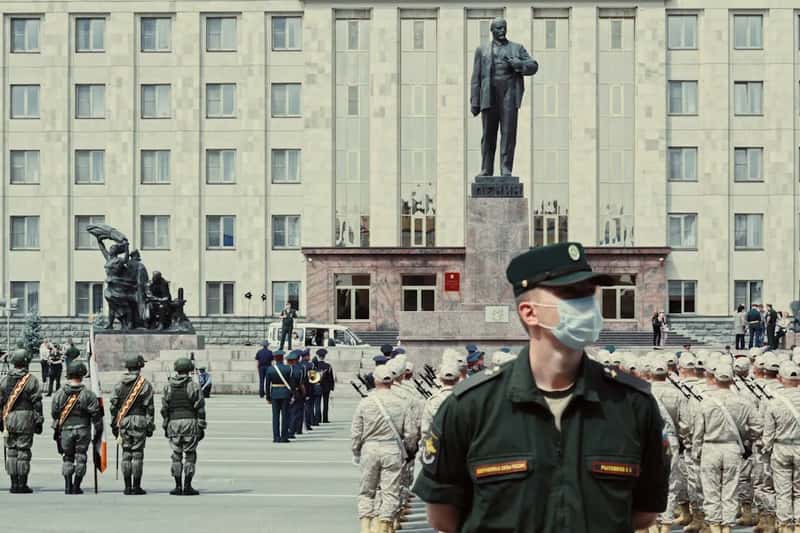
Snapping a picture of an interesting building is such an automatic travel habit that most people don’t even think about what the structure actually is. In a number of countries, that reflex can cross a legal line quickly. Photographing military, police, or government buildings, which sometimes include palaces or even airports, is prohibited in several countries, including Algeria, Saudi Arabia, Uganda, and Vietnam.
Cuba is another place where this rule catches visitors off guard, since the buildings in question aren’t always obviously marked as sensitive. Some countries go a step further with additional restrictions around people rather than buildings. Uganda and Saudi Arabia take it a step further, requiring you to obtain permission from any local person you photograph. Consequences vary widely, from a stern warning to a confiscated camera, so it’s worth pausing before photographing anything with an official or military look to it.
None of these rules are secret exactly, but they rarely make it into a typical vacation checklist. A little awareness before landing, especially around gum, swimwear, affection, and photography, tends to make the difference between a smooth trip and an unplanned trip to a local police station.