Travel budgets are getting a little more complicated this year. Across Europe, Asia, and the Pacific, cities and countries that once relied purely on hotel taxes are now layering in entry fees, environmental levies, and departure charges aimed squarely at visitors. Some of these changes are modest line items that barely register on a final bill, while others could add real money to a longer stay. Either way, knowing what’s coming before you book is the difference between a smooth trip and an unwelcome surprise at check-in.
1. Venice, Italy
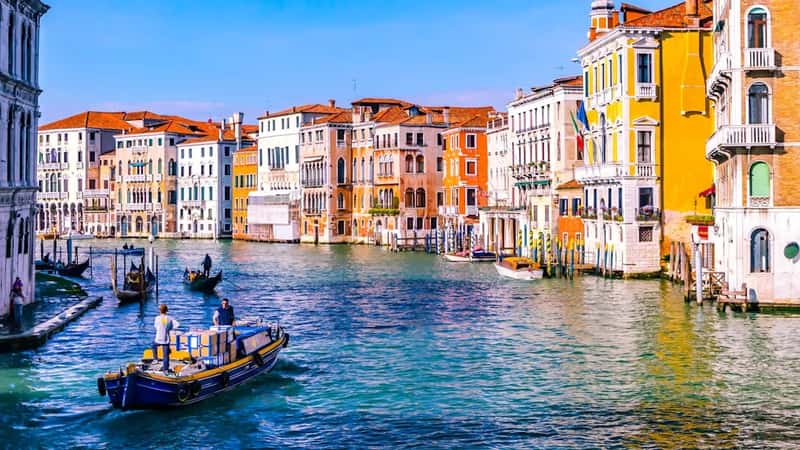
Venice has moved from a one-off pilot into a fully expanded system for 2026. The city has expanded its day-tripper entry fee in 2026 to 60 peak days between April 3rd and July 26th. Day visitors who haven’t booked overnight accommodation now need to secure an access pass before entering the historic center on those dates.
The pricing structure rewards early planners and penalizes procrastinators. The amount of tax to enter Venice has been set at 5 euros for anyone over the age of 14, provided you pay before the fourth day of your arrival, after which the rate rises to 10 euros. Overnight guests are generally exempt, since if you stay overnight in Venice you generally do not need to pay the entry fee, as your contribution is already covered through the tourist tax.
2. Kyoto, Japan

Kyoto is rolling out the most dramatic accommodation tax overhaul in Japan’s history. Starting March 1, 2026, visitors to Kyoto will face dramatically higher hotel taxes, with luxury travellers potentially paying up to ¥10,000 per person per night, a tenfold increase from current rates. The change replaces a system that had been stable for years, since this represents the first major revision since the accommodation tax was originally introduced in October 2018.
The increase isn’t uniform across price categories, so budget travelers will barely notice it. Kyoto’s hotel tax for stays priced between ¥50,000 and ¥99,000 per night will increase from ¥1,000 to ¥4,000, those costing between ¥20,000 and ¥49,999 will see their levy rise from ¥500 to ¥1,000, stays of ¥6,000 to ¥19,999 will see their tax increased from ¥200 to ¥400, and budget travelers staying at accommodations under ¥6,000 a night won’t face an increase. City officials have framed this bluntly, arguing that tourists must bear the cost of countermeasures against overtourism.
3. Edinburgh, Scotland

Edinburgh becomes the first Scottish city to charge visitors directly for overnight stays. Starting July 24, 2026, visitors to Edinburgh will face a 5% accommodation tax, which will be added to hotel bills. The charge applies to the room rate itself rather than incidental extras, since the tax will apply to overnight accommodations, excluding extras like room service.
City officials expect the levy to add up meaningfully over time. This new levy is expected to generate over £100 million by 2030, with funds directed toward improving local infrastructure, cultural programs, and public services. The council has been explicit about its purpose, stating the charge is meant to “sustain Edinburgh’s status as one of the world’s greatest cultural and heritage cities.”
4. Barcelona, Spain

Barcelona has effectively doubled its tourist tax as part of a broader response to housing pressure. According to reporting cited by Travel Noire, Barcelona doubled its tourism tax, bringing the fee to as much as about $18 per night for some hotel guests, while directing a quarter of the revenue toward the city’s housing crisis. The exact amount depends on where you’re staying, since the city doubled its tourism tax to about $12 to $18 per night for hotel guests depending on category, while holiday rental guests can pay up to about $15 per night and cruise passengers continue to pay about $7.
This isn’t happening in isolation. The increase reflects years of visible tension in the city, since the measure comes amid growing anti-tourism sentiment in Spain, with protesters in Barcelona demonstrating against overtourism and rising living costs in the summers of 2024 and 2025. Barcelona has also paired the tax hike with structural changes, including its wider response to overtourism and housing pressure, including its plan to phase out short-term tourist apartments by 2028.
5. Hawaii, United States

Hawaii has become the first US state to formally adopt a climate-focused visitor tax. Starting in 2026, travelers heading to Hawaii will be taxed at a higher rate for their hotel and vacation rental stays, after Governor Josh Green signed the “Green Fee” tax into law as Act 096, increasing the transient accommodations tax by 0.75%. On a typical booking, the impact is small but noticeable, since the fee amounts to an extra 0.75%, raising the statewide Transient Accommodations Tax from 10.25% to 11%, which equals an extra $3 a night on a $400 hotel room.
Cruise passengers are being brought into the system for the first time as well. Hawaii’s new “green tax” will apply to cruise ships that visit the island in 2026, whereas currently cruises are exempt from the state’s transient accommodation tax. The revenue target is substantial, with officials projecting the fee will raise around US$100 million per year, according to media reports.
6. Bali, Indonesia
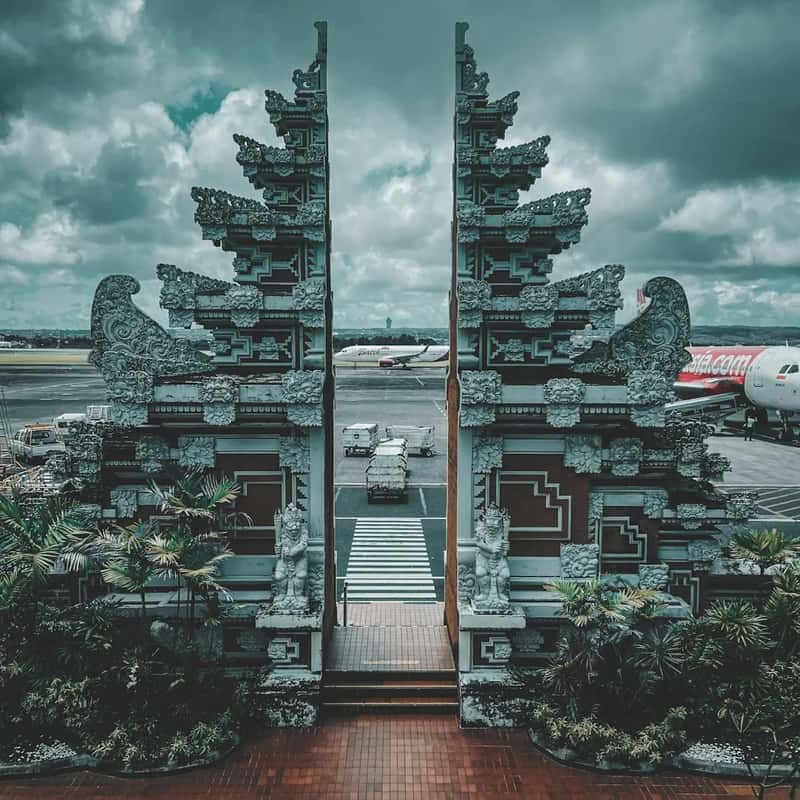
Bali’s tourist levy technically launched back in 2024, but 2026 marks a period of renewed enforcement and attention as visitor numbers climb. Introduced in February 2024, the IDR 150,000 (approximately $10 USD) mandatory fee for all international visitors to the island is still often overlooked. Compliance has lagged well behind expectations, since despite being in effect for over two years, only a fraction of tourists are fulfilling the payment requirement, with a reported 35% compliance rate.
The fee applies broadly regardless of how travelers arrive, since the tax levy applies to all international visitors who arrive in Bali via air or sea. Authorities have urged visitors to handle it ahead of time rather than at the airport, advising travelers to pay online before arriving at Bali Airport, using only the official Love Bali app or website.
7. Amsterdam, Netherlands
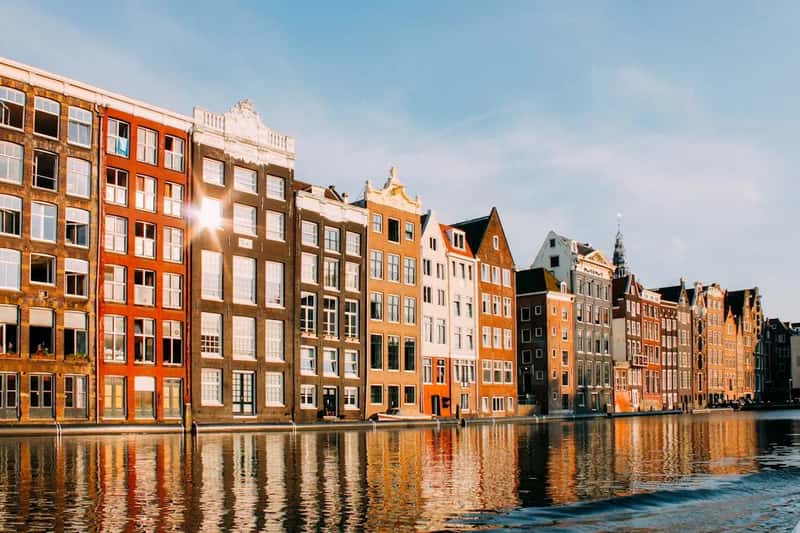
Amsterdam already carries one of Europe’s steepest nightly tourist taxes, and a nationwide change is amplifying that further in 2026. From January 2026, the Netherlands raised the tax on overnight accommodations from 9% to 21%, with this increased levy applying to all forms of accommodation, including hotels, vacation rentals, and guesthouses. Combined with the city’s own local surcharge, Amsterdam remains near the top of any European comparison, since on a nightly basis, Amsterdam’s 12.5% accommodation tax is currently the steepest in Europe.
City leadership has been candid about the strategy behind the pricing. Amsterdam’s approach is deliberate: fewer visitors spending more, rather than unlimited arrivals spending less. The reasoning is tied directly to residents’ quality of life, since officials describe it as reclaiming livability for its 900,000 residents, who have long voiced frustration over tourism’s impact on housing costs and neighborhood character.
8. Tromsø and Lofoten, Norway

Norway is taking a more decentralized approach, letting individual regions opt into new charges rather than imposing a blanket national tax. Popular tourist destinations in Norway, such as Tromsø and Lofoten, will begin charging a 3% tax on accommodation starting summer 2026, though this will not be a nationwide tax but rather an option for individual regions to implement. The move puts Norway in line with a broader Nordic and European trend of targeting accommodation spending rather than entry itself.
These two regions were chosen because they’re already straining under seasonal visitor numbers. In Norway, a 3% tourist tax will be applied to accommodations in select regions starting in summer 2026. Both Tromsø and Lofoten draw heavily on their dramatic Arctic scenery to attract travelers, which is exactly the kind of fragile, high-traffic landscape these regional taxes are designed to help protect and fund long term.
None of these fees are large enough on their own to derail a travel budget, but stacked together across a multi-country itinerary, they add up faster than most travelers expect. The common thread is clear: destinations that once welcomed unlimited arrivals are now trying to fund infrastructure, ease housing pressure, and protect fragile sites by charging visitors directly rather than relying solely on general tax revenue. Checking the current fee status for each specific destination before booking, rather than assuming last year’s price still applies, is now a basic part of trip planning in 2026.