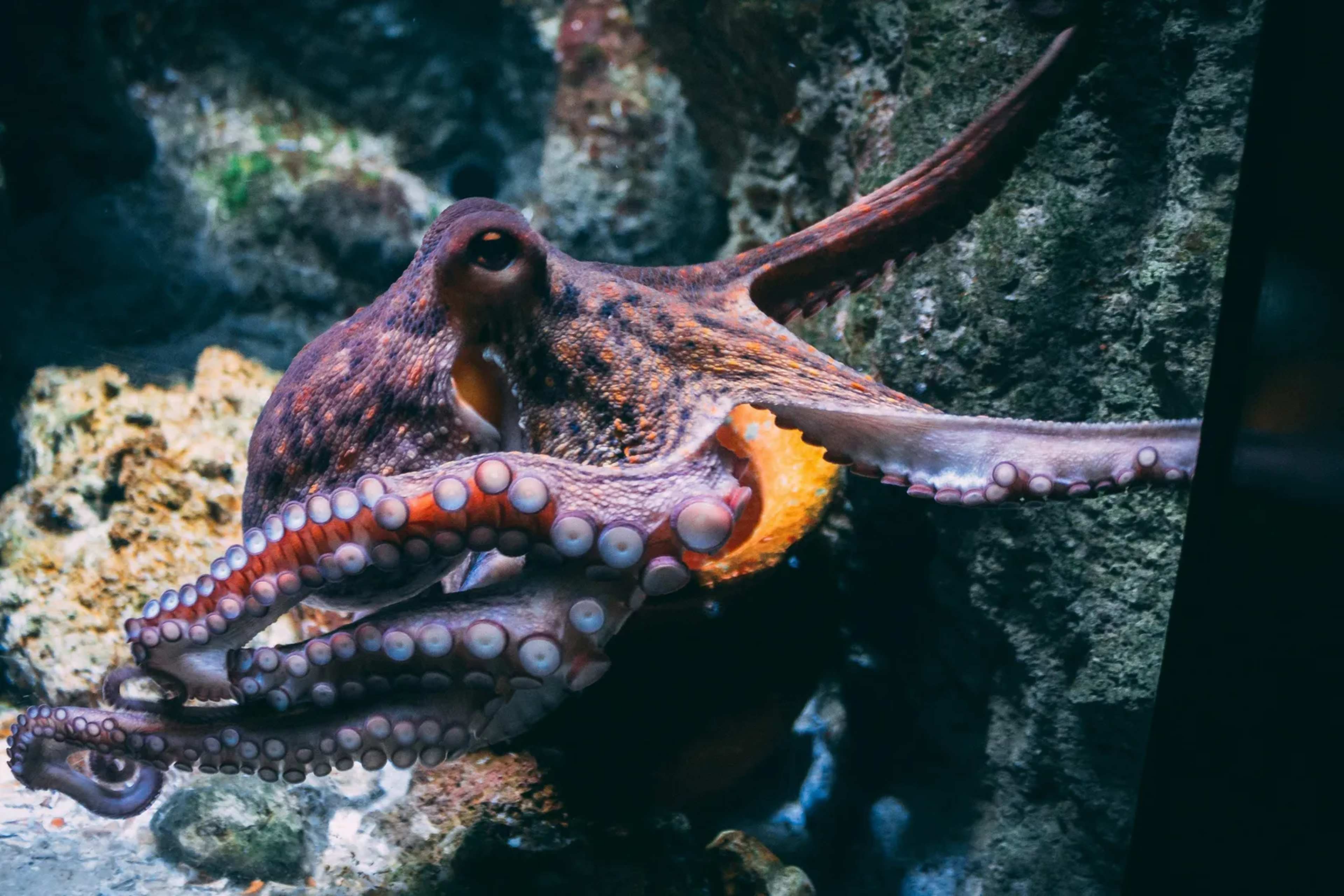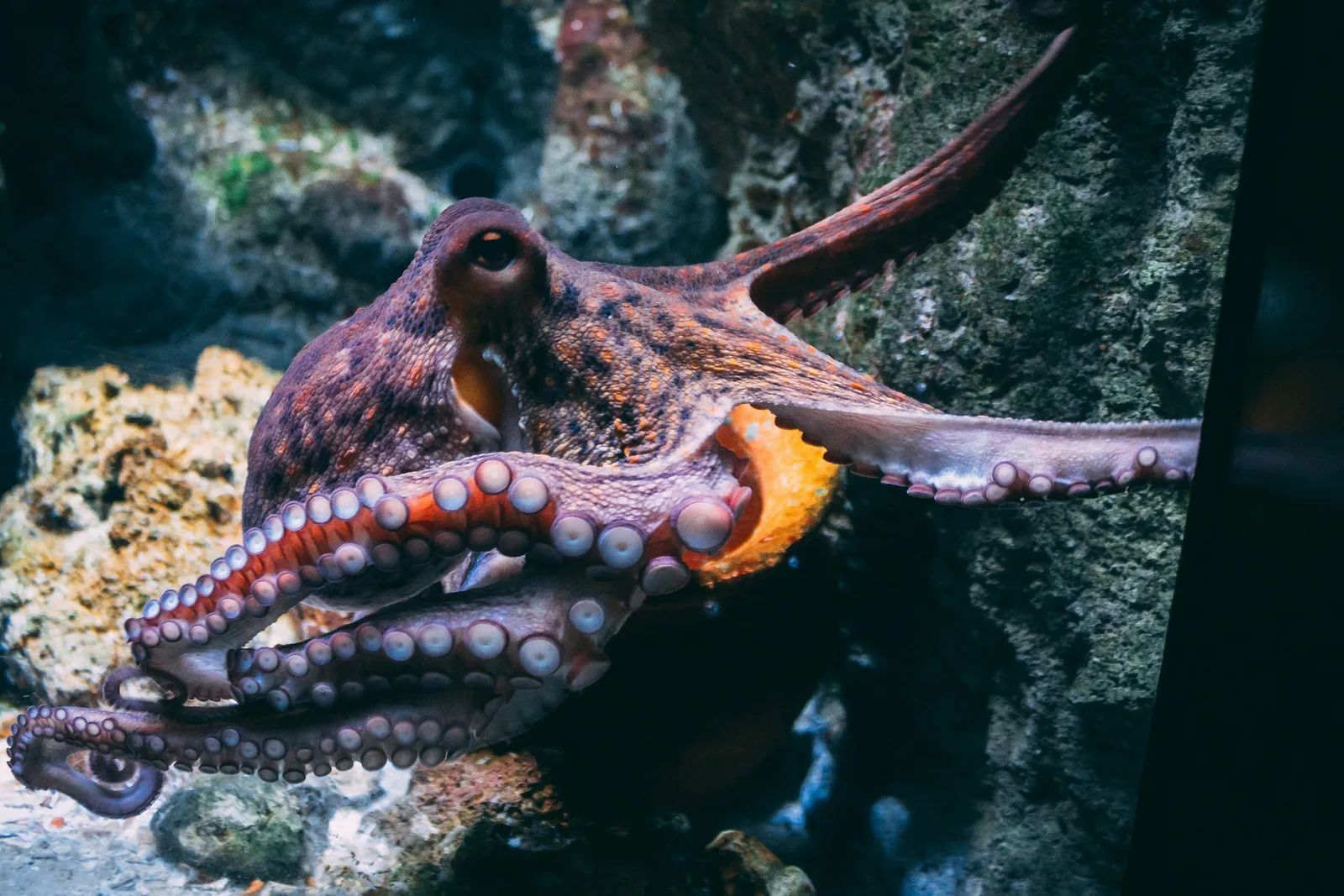
Every October 8, attention turns to one of the ocean’s most distinctive animals. Octopuses stand out for their eight arms, their habit of releasing ink when threatened, and their demonstrated ability to employ tools. They also alter both color and texture to blend seamlessly with their surroundings, a form of camouflage that helps them avoid predators and approach prey undetected. Recent reports have added fresh details to what is known about these invertebrates. ([1])
Signs of Problem-Solving Ability
Observers have documented octopuses manipulating objects in ways that suggest planning and adaptation. Such behavior qualifies as tool use, a marker of cognitive flexibility rarely seen among invertebrates. The same animals routinely adjust their appearance to match rocks, coral, or sand, an ability that relies on rapid changes in skin cells called chromatophores. These traits together point to a level of environmental awareness that continues to draw scientific interest.
Evidence of Much Larger Ancient Relatives
Fossil evidence now indicates that some prehistoric octopuses grew far larger than any living species. In April 2026, Japanese researchers described a jawbone from the extinct Nanaimoteuthis haggarti. Size estimates based on that fossil range from 6.6 to 18.6 meters in total length. On the upper end of the scale, the animal would have approached two-thirds the length of an adult blue whale. The find comes from deposits of the late Cretaceous period, between 100 million and 72 million years ago.
“It suggests that it may have been among the largest invertebrates ever known,” study co-author Yasuhiro Iba of Hokkaido University noted. The species is thought to have functioned as an apex predator in its marine environment. While modern colossal squid hold the record among living invertebrates, the fossil record shows that even larger forms once existed.
A Glimpse of the Earliest Life Stages
Alongside the fossil work, researchers have captured rare images of newly hatched octopuses. Photographs of Patagonian octopus eggs and hatchlings in Puerto Lobos provide one of the clearer views yet of these vulnerable early stages. Such observations help fill gaps in understanding how young octopuses survive and develop before they reach the size and camouflage skills of adults.
What Remains to Be Learned
Each new finding adds pieces to a larger picture, yet many questions persist about octopus cognition, growth limits, and evolutionary history. The combination of observed tool use, dynamic camouflage, and evidence of outsized ancient forms underscores how much these animals continue to reveal. Ongoing study of both living populations and the fossil record will likely refine current estimates and interpretations in the years ahead.