There’s a particular kind of silence that follows when someone asks how a bucket list trip went and the honest answer is “fine, I guess.” Social media rarely captures that feeling, since nobody posts a photo captioned “this was underwhelming and cost me four hundred dollars.” Yet ask around enough dinner tables and travel forums, and the same handful of famous places keep coming up as quiet letdowns.
None of these spots are bad, exactly. They’re simply victims of their own reputations, worn down by crowds, logistics, and price tags that don’t always match the experience on the ground. Here are eight places where the gap between expectation and reality has become impossible to ignore.
Venice, Italy
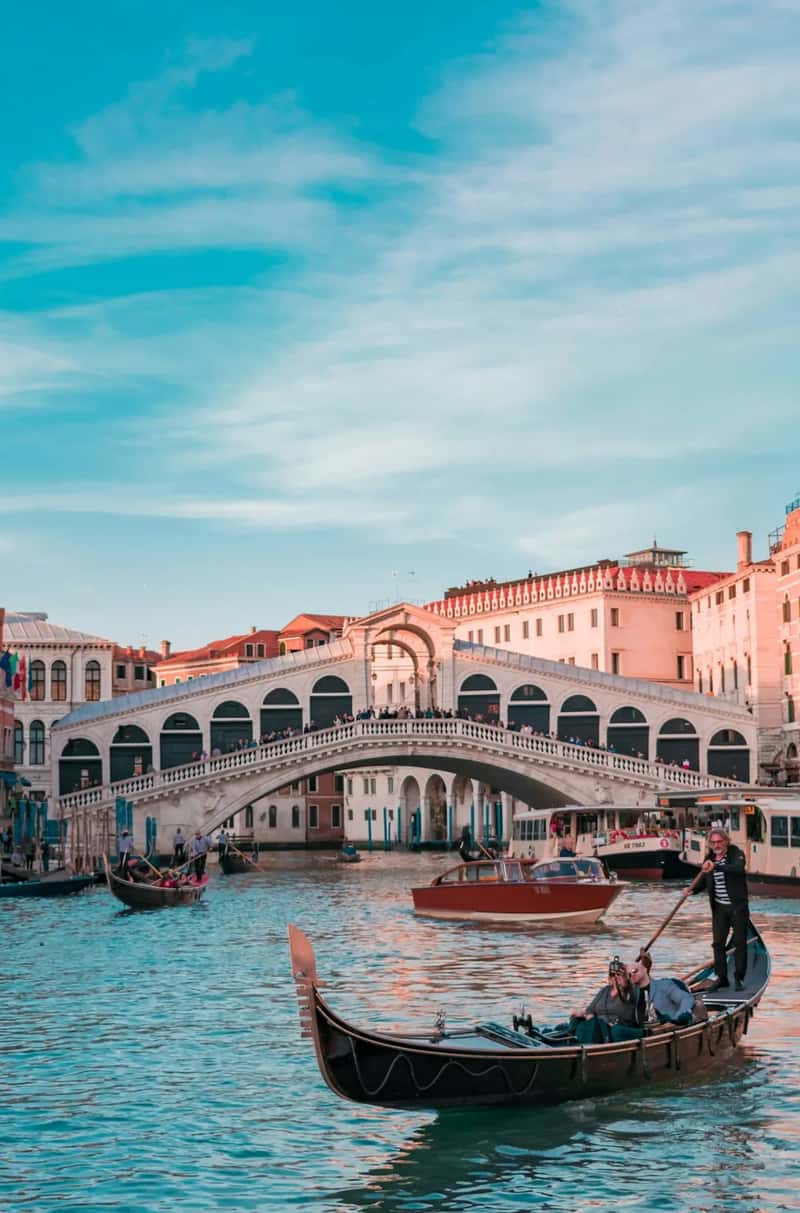
Venice sells itself on romance, but for a growing number of day-trippers the reality involves shuffling through narrow alleys behind tour groups holding selfie sticks. The city has become the poster child for overtourism in Europe, and officials know it. The city has more tourist beds than official residents in the historic center, which makes it more challenging in maintaining the city’s character and quality of life.[1]
In an effort to manage the crush, Venice has leaned hard into entry fees. The city applied its €5 or €10 visitor contribution across 60 non-consecutive days, issuing 679,553 paid vouchers and collecting €5.21 million during the trial.[2] Even with that system in place, critics argue the fee hasn’t solved the underlying problem. One opposition city council member called the ticket a failure, citing data that showed an average of 75,000 daily visitors during the trial period, 10,000 more than on similar days in 2023.[1] For many visitors, paying to enter a crowded city only adds insult to an already exhausting day.
Machu Picchu, Peru
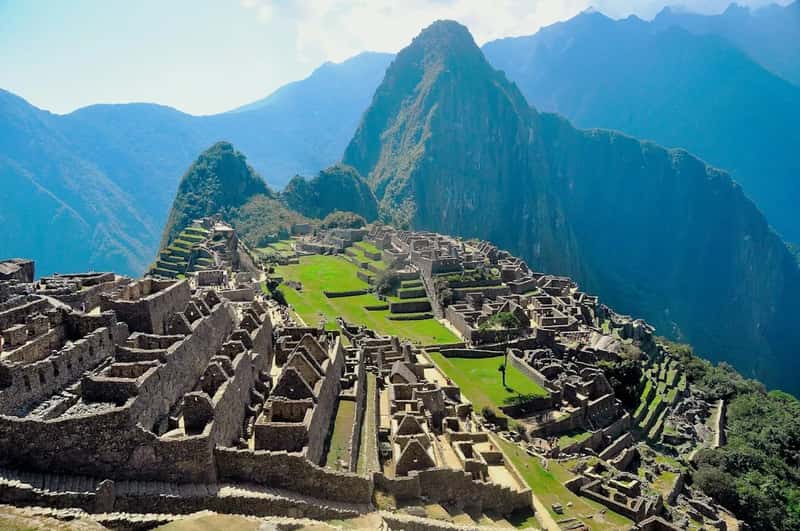
Machu Picchu remains one of the most photographed ruins on earth, and most people who make the trek do come away moved. Still, plenty of travelers privately admit the logistics wear down the magic long before they reach the citadel gates. Between trains, buses, timed entry slots, and separate tickets for add on hikes, the day can feel more like an obstacle course than a spiritual pilgrimage.
The costs keep climbing too. A standard Machu Picchu entry ticket for a foreign adult costs S/163 in 2026, that is the S/152 base fare plus the S/11 SERNANP conservation fee added on May 1, 2026.[3] Demand isn’t slowing down either, since over four million tourists are expected to visit according to MINCETUR, Peru’s Ministry of Foreign Trade and Tourism[4], and the site’s capacity will not be able to accommodate such high demand[4]. Travel guides now openly note that travellers who left underwhelmed reveal a consistent pattern, they went underprepared, mid-day, in peak season, without a guide, and expected the photos to match reality[5].
Stonehenge, England
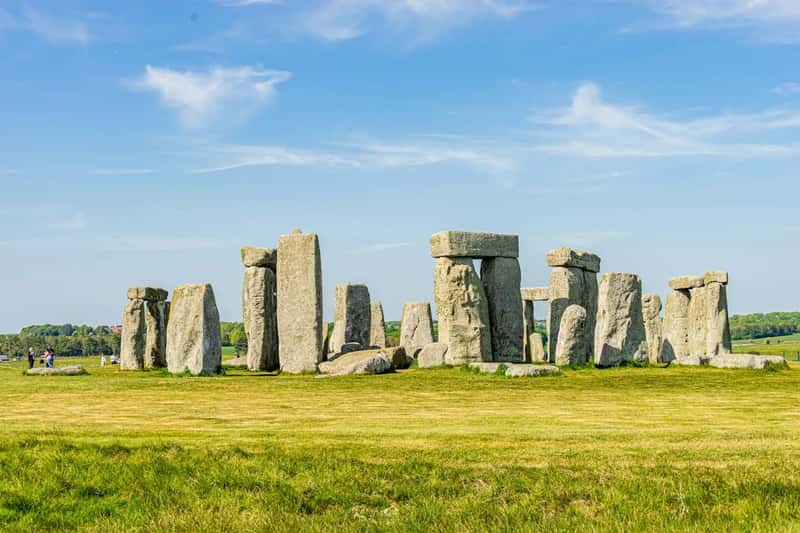
Stonehenge photographs beautifully from a distance, and that’s precisely the problem. Visitors expecting to walk among the ancient stones are often surprised to learn how far the viewing path actually keeps them. As one reviewer put it plainly, Stonehenge has always been evocative, but I was unprepared for the realisation as to how far away from the actual monument visitors pass.[6]
The disappointment tends to compound once people notice the practical details. Some describe the monument as smaller than expected, roped off, and surrounded by a visitor center that feels disconnected from the ancient site itself. One frequent complaint even suggests that you can actually take a walk nearby and see it from behind the fence for free[7], which raises an obvious question for anyone who has already paid the entry fee.
Bali, Indonesia
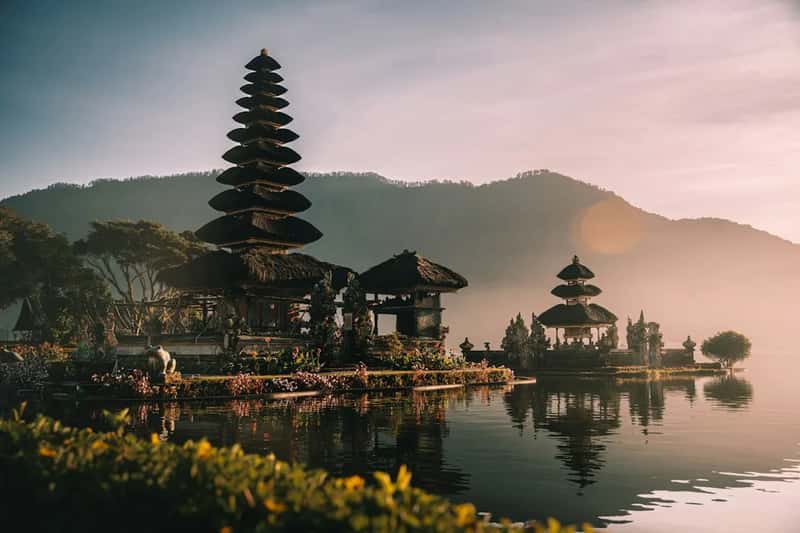
Bali still gets glowing headlines, and it earned a major accolade recently when TripAdvisor named Bali the World’s Best Destination for 2026, placing the island above hundreds of competitors across the globe[8]. Yet plenty of travelers who land in the popular southern strip come away exhausted rather than inspired. The disconnect often comes down to geography and timing rather than the island itself.
The trouble is concentrated in a few well known zones. Overtourism is real in Canggu, Seminyak, and Uluwatu, where traffic and viral circuit crowding at Tegallalang and Tanah Lot drive most of the disappointment.[8] Even Bali’s most Instagrammed temple isn’t immune, since at popular attractions like the Gates of Heaven, queues of an hour or more for a single photo are routine during peak season[9]. Travelers who stick to the well worn circuit often leave with a very different impression than those who wander further inland.
Paris, France
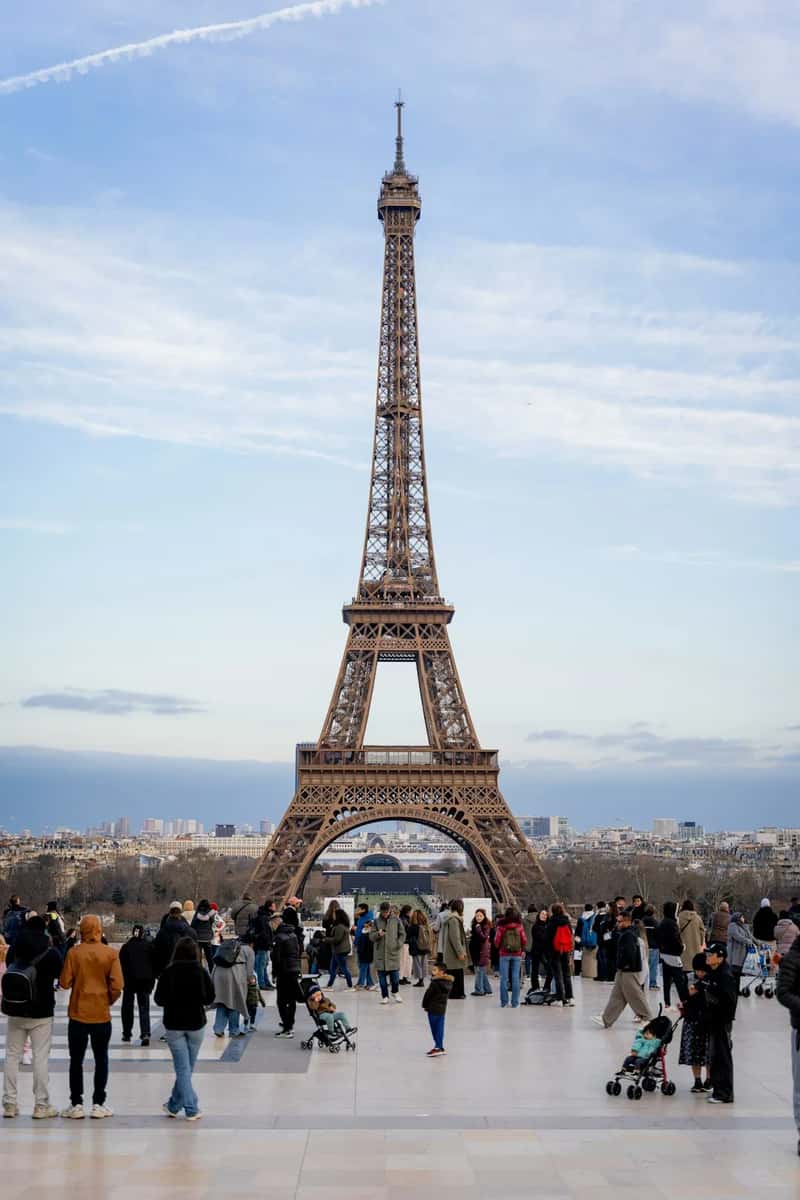
Paris carries an almost mythical weight in the travel imagination, largely thanks to decades of film and literature. That reputation sets a bar that’s hard to clear once you’re standing in a two hour line under a gray sky. As one recent roundup of overrated spots noted, long lines at popular attractions like the Eiffel Tower or the Louvre and pricey hotels often lead tourists to wish they had picked a different place.[10]
Part of the fatigue comes from sheer volume. Millions of people visit each year, making it one of the most overcrowded destinations[10], and pricing changes haven’t helped ease the sting. Museums have started adjusting fees for international visitors too, with the Louvre introducing dual pricing for non-EU visitors[11], a shift that’s added another layer of friction for travelers already juggling crowds and cost.
Times Square, New York City
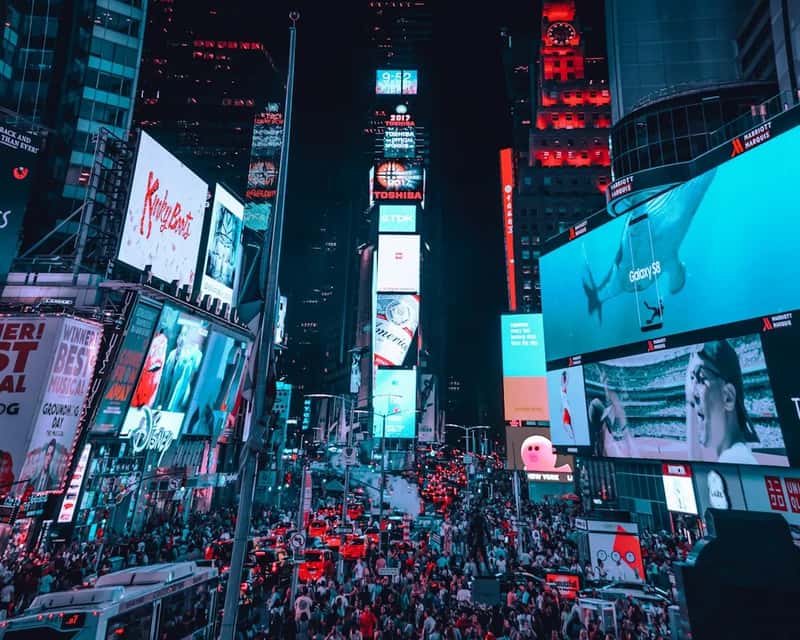
Times Square is one of those places nearly every visitor to New York feels obligated to see, and almost everyone leaves a little deflated. The reality is a wall of digital billboards, costumed characters angling for tips, and a crush of pedestrians moving in every direction at once. It photographs well at night, but standing in the middle of it rarely feels like the electric moment travel shows promise.
Locals tend to avoid the area entirely, treating it as a spot to pass through rather than linger in. Visitors often admit the same thing once they get home, describing it as something to check off rather than something they’d rush back to. The irony is that many of New York’s more memorable experiences, from quiet parks to neighborhood restaurants, sit just a short walk away from the chaos.
Iceland’s Golden Circle
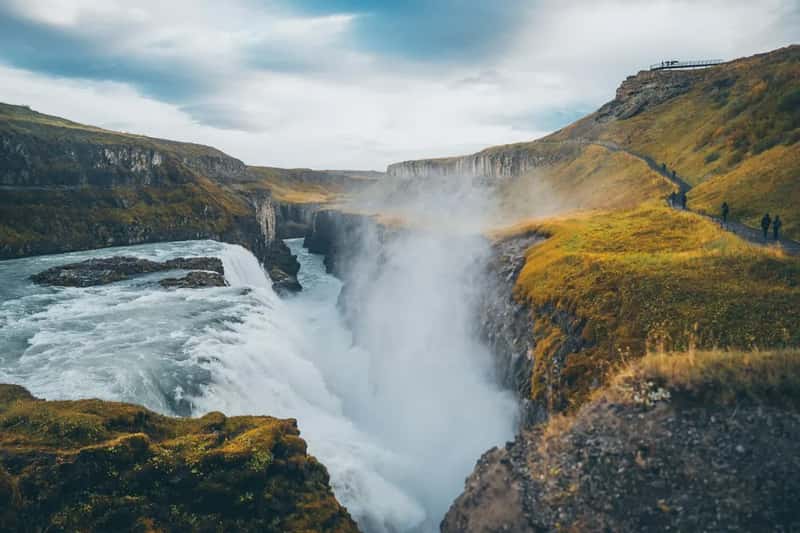
Iceland’s dramatic landscapes made it one of the fastest growing destinations of the past decade, and the Golden Circle route became the default way to see it in a single day. The problem is that everyone else had the same idea. The sheer volume of tourists visiting the country has turned it from a pristine wilderness into a busy, expensive location, especially during the peak summer months.[12]
Travelers who arrive expecting solitude often find parking lots full of tour buses and viewpoints crowded with people taking the same photo. Many travelers enjoy Iceland’s natural beauty, but some find the high prices and crowded tourist sites such as the Golden Circle disappointing.[12] The landscapes themselves haven’t changed, but the experience of seeing them alongside hundreds of other visitors rarely matches the solitary, otherworldly images that drew people there in the first place.
The Great Wall of China (Badaling section)
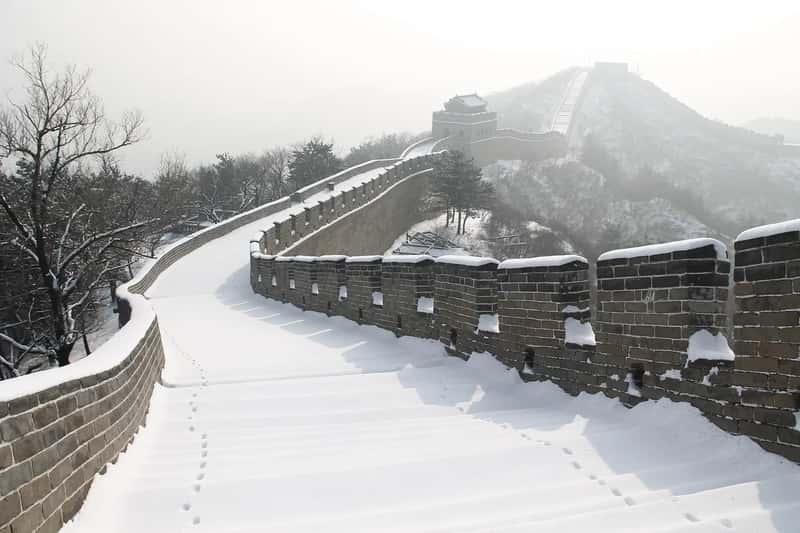
The Great Wall stretches for thousands of miles across China, but almost every first time visitor ends up at Badaling, the section closest to Beijing and by far the most heavily marketed. What looks like an endless, empty ridge of stone in postcards is, in practice, a narrow walkway packed shoulder to shoulder with tour groups during peak season. The climb itself is steep, and moving at a crowd’s pace rather than your own tends to drain the sense of scale that makes the wall impressive in photographs.
Travelers who do their research often skip Badaling for quieter, less restored sections like Jinshanling or Mutianyu, where the crowds thin out and the wall’s age feels more present. Those who don’t tend to come home with the same complaint: they climbed the wall, but they never really got to experience it. The disappointment isn’t with the structure itself, which remains genuinely remarkable, but with the version of it most tour packages default to selling.
None of this means these places should be crossed off a list entirely. It usually means the difference between disappointment and genuine wonder comes down to timing, planning, and picking a quieter angle on a place everyone else is racing to see. A little research before booking, and a willingness to visit outside peak hours or peak seasons, tends to matter more than the destination itself.