Heart health advice tends to circle back to the same short list of ingredients, olive oil, fish, maybe a handful of nuts. Yet walk through markets in Lisbon, Tokyo, or Tbilisi and you start noticing how many everyday dishes elsewhere quietly support cardiovascular health, often for reasons that have little to do with trend cycles and a lot to do with centuries of habit.
At the same time, some international staples that seem harmless, or even wholesome, carry hidden costs for the heart once you look at sodium counts or fat profiles. This piece walks through eight foods from around the world worth adding to your plate, followed by four that deserve a smaller portion, or a second thought.
Extra virgin olive oil from the Mediterranean
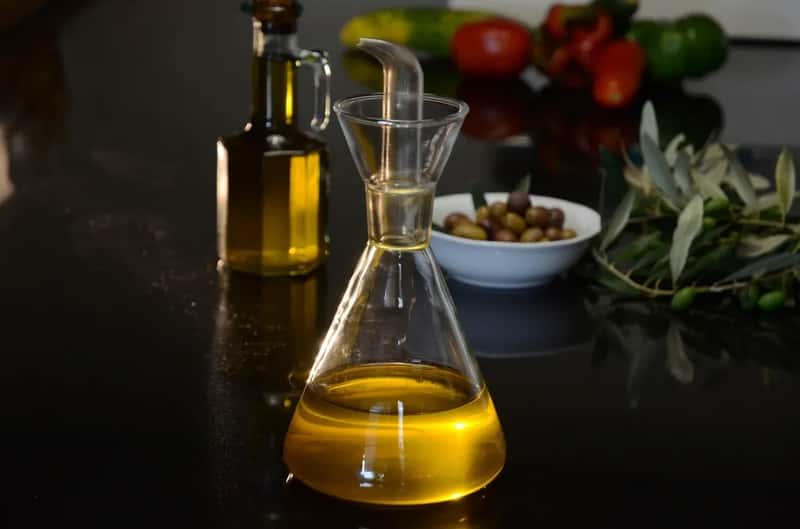
Extra virgin olive oil sits at the center of what nutrition researchers now consider one of the best studied dietary patterns for cardiovascular protection. A recent network meta-analysis found that adherence to the Mediterranean diet was associated with a 28% lower risk of all-cause mortality, a 52% lower risk of coronary heart disease, and a 35% lower risk of stroke. The oil itself, pressed from olives grown in Greece, Italy, and Spain, replaces the saturated fats found in butter and lard with monounsaturated fat.
Research on this pattern suggests that the type of fat consumed matters more than the total amount of fat in the diet, with an emphasis on healthy unsaturated fats helping manage cholesterol, blood pressure, weight, and blood sugar. A drizzle over vegetables or bread, used instead of butter, is a small swap with outsized backing from decades of population studies.
Natto from Japan
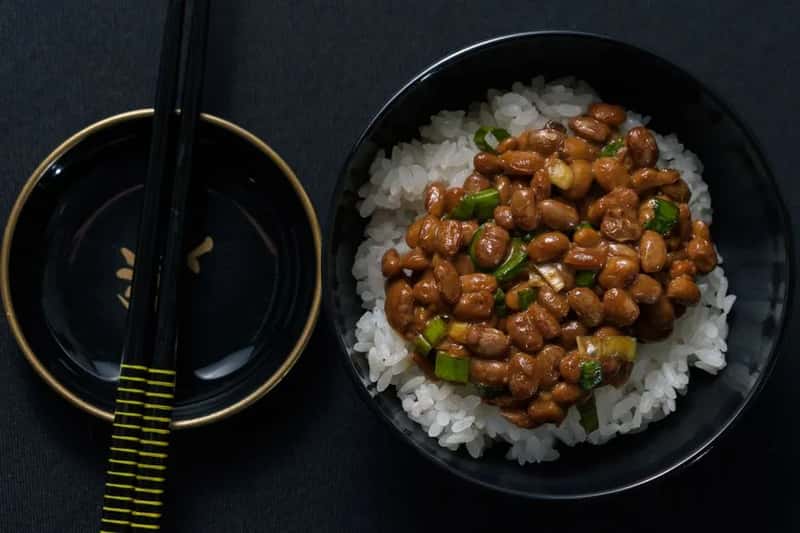
Natto, a sticky, fermented soybean dish eaten with rice across Japan, has a smell and texture that takes some getting used to, but the science behind it has become hard to ignore. A study from Japan published in The BMJ found that a higher intake of fermented soy products such as miso and natto is associated with a lower risk of death. The research, based on tens of thousands of participants followed for nearly 15 years, found that higher fermented soy intake was linked to a significantly lower risk of all cause mortality, and that natto eaters also had a lower risk of cardiovascular mortality.
Part of the interest centers on nattokinase, an enzyme produced during fermentation. As a serine protease produced by Bacillus subtilis, nattokinase has potential anti-coagulatory, thrombolytic, anti-atherosclerotic, lipid-lowering, and anti-hypertensive effects. It is not a food most Western supermarkets stock, though fermented soy products and nattokinase supplements are becoming easier to find outside Japan.
Fatty fish from Nordic waters
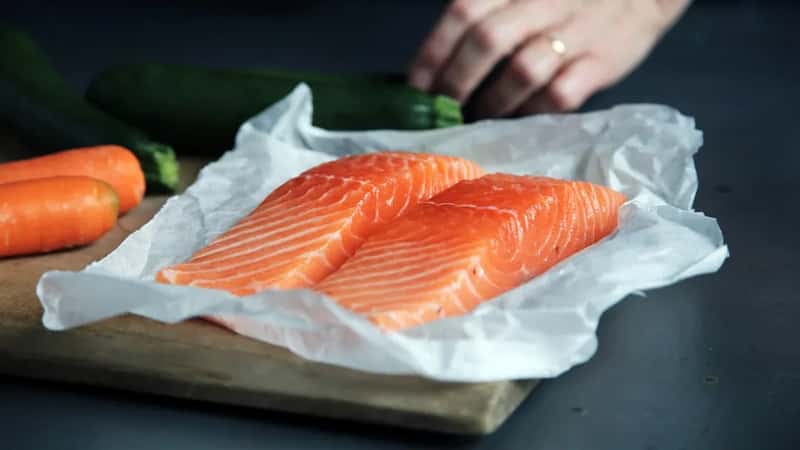
Herring, mackerel, and salmon have been dietary staples in Norway, Sweden, and Finland for generations, largely because they were what was available, not because anyone was chasing a health trend. These cold water fish are rich in omega-3 fatty acids, compounds the body cannot produce on its own and that play a role in reducing triglycerides and supporting healthy heart rhythm. Traditional Nordic diets built around fish, rye bread, and berries have earned attention from researchers as a regional cousin to the Mediterranean pattern, minus the olive oil.
What makes fatty fish distinct from many other protein sources is the combination of lean protein with beneficial fat, rather than saturated fat. Two servings a week, roughly the amount recommended by most cardiology guidelines, is achievable with canned or smoked versions if fresh fish is not on hand. It is one of the simplest substitutions available for anyone trying to eat less red meat without giving up protein.
Green tea from East Asia

Green tea, consumed daily across Japan and China, contains catechins, a group of antioxidant compounds that have been studied for their potential role in supporting healthy blood vessel function and modestly lowering LDL cholesterol. Unlike coffee, it delivers a smaller, steadier dose of caffeine paired with plant compounds that researchers believe may help counteract oxidative stress in blood vessels. It is not a cure for anything on its own, but as a replacement for sugary drinks it removes a source of empty calories that otherwise contributes to weight gain and blood pressure issues.
Traditional preparation, unsweetened and brewed rather than bottled, matters here. Many commercial green tea drinks sold internationally are loaded with added sugar, which cancels out much of the benefit before it starts. Brewing a cup at home, the way it has been done in East Asia for centuries, keeps the drink close to its original, unadulterated form.
Lentils from South Asia and the Middle East
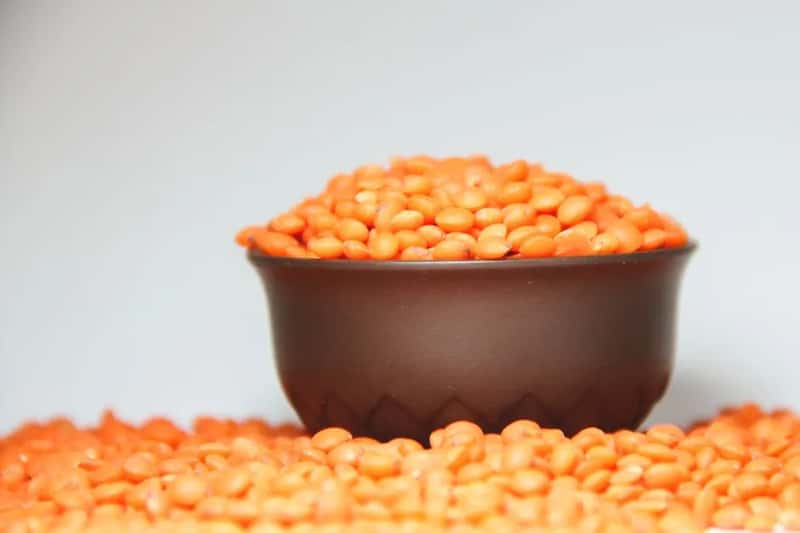
Lentils show up in dals across India, in Lebanese mujadara, and in Egyptian koshari, and their appeal to heart health researchers is straightforward. They are a plant based protein source that is naturally low in saturated fat and high in soluble fiber, which helps bind cholesterol in the digestive tract before it enters the bloodstream. A single cup provides a meaningful amount of daily fiber alongside potassium and magnesium, both of which support healthy blood pressure regulation.
What sets lentils apart from many Western protein defaults is cost and versatility. They cook quickly compared to other legumes, absorb spices well, and can replace meat in a dish without much adjustment to cooking time. Swapping a few weekly meals from ground beef to lentils is a change that shows up in grocery bills as much as in cholesterol panels.
Walnuts from the Mediterranean and Persian tables
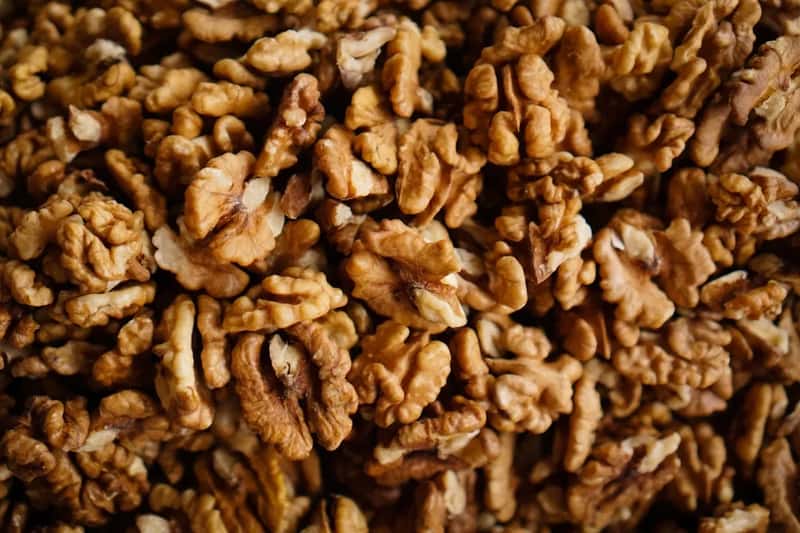
Walnuts have been part of Mediterranean and Persian cuisine for thousands of years, used in everything from Greek desserts to Iranian fesenjan. Nutritionally, they stand out among tree nuts for their relatively high concentration of plant based omega-3 fatty acids, specifically alpha linolenic acid, which the body partially converts into the same compounds found in fish oil. A small handful a day, unsalted and unroasted, fits easily into a snack routine without adding much in the way of sodium or added sugar.
Their fat content is calorie dense, which sometimes worries people trying to manage weight alongside cholesterol. Still, most research on nut consumption points to a favorable trade, with modest portions linked to improved lipid profiles rather than the weight gain some assume. Keeping servings around a small handful, rather than a bowlful, keeps the calorie math reasonable.
Avocado from Mexico
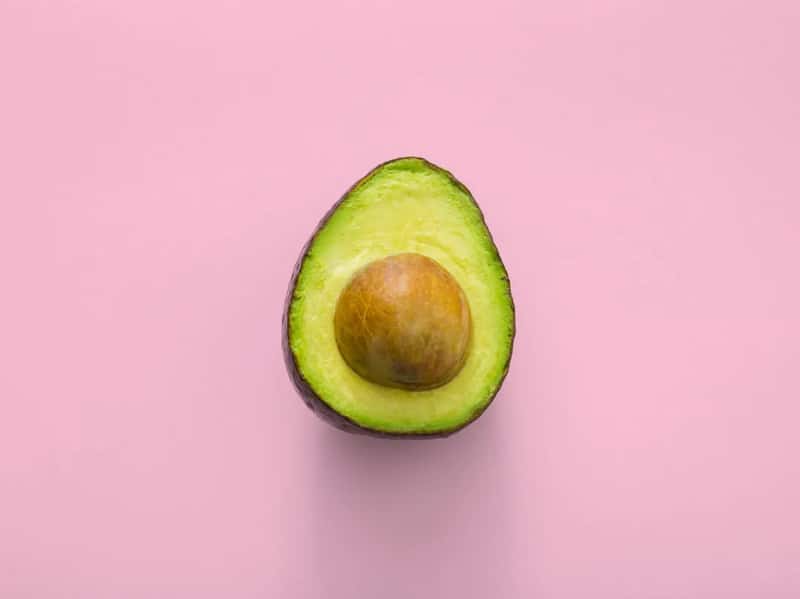
Avocado has traveled far from its origins in Mexico and Central America, but the fruit’s nutritional case for heart health has not changed along the way. It delivers a substantial amount of monounsaturated fat, the same category of fat prized in olive oil, along with potassium, a mineral that helps counterbalance sodium’s effect on blood pressure. Unlike many fats added to food, avocado brings its own fiber, which slows digestion and blunts blood sugar spikes that can otherwise stress the cardiovascular system over time.
Its rise in popularity outside Mexico has also brought avocado toast, guacamole loaded with extra salt, and avocado oil marketed alongside less healthy products, so context matters. Eaten simply, mashed with lime and a little salt or sliced into a salad, it remains one of the more straightforward whole food fats available.
Dark chocolate and cacao from Latin America

Cacao, native to Central and South America, has been consumed for thousands of years, though the sweetened chocolate bar most people know today bears little resemblance to the bitter, unsweetened drink Indigenous cultures once made. Dark chocolate with a high cacao percentage retains flavonoids, plant compounds that researchers have linked to modest improvements in blood vessel flexibility and blood pressure. The benefit shrinks quickly as sugar and milk content rises, which is why nutritionists typically point to bars in the seventy percent cacao range or higher.
Portion size remains the deciding factor. A square or two after a meal offers flavonoids without much sugar; a full bar several times a week undoes any advantage almost immediately. Cacao nibs or unsweetened cocoa powder stirred into oatmeal or smoothies is another way to access the compound without the calorie load of a candy bar.
Cured and processed meats from European charcuterie traditions

Salami, chorizo, prosciutto, and similar cured meats are woven into food culture across Italy, Spain, and much of Europe, but the preservation methods that give them their signature flavor also load them with sodium and nitrates. Some studies have shown that the sodium content per gram of processed red meat is about four times higher than that of unprocessed red meat, and excessive sodium intake activates a system that increases blood pressure. Over years of regular consumption, that steady sodium load contributes to hypertension, one of the most direct pathways to heart disease.
A large European cohort study offered some of the clearer evidence on this front. After multivariate adjustment, intake of unprocessed red meat was not significantly associated with total or cause specific mortality, while intake of processed meat was associated with a 30% higher rate of cardiovascular disease per 50 grams a day. An occasional plate of charcuterie is not the concern; treating it as a daily protein source is where the risk accumulates.
Instant noodles popular across East and Southeast Asia
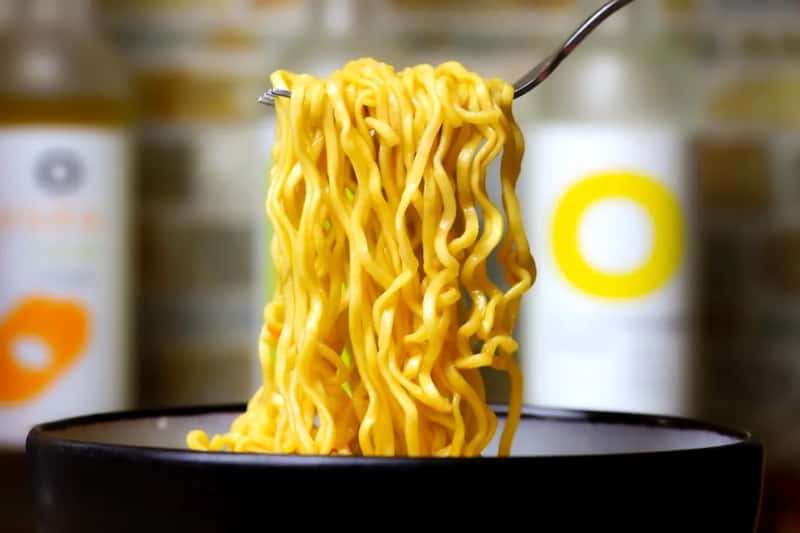
Instant noodles are cheap, fast, and eaten by millions of people across South Korea, Japan, Indonesia, and beyond, but their sodium content has drawn sustained attention from cardiovascular researchers. In a study of more than ten thousand adults in South Korea, where instant noodle consumption is the highest in the world, women who ate instant noodles at least twice a week showed a 68% higher risk of metabolic syndrome. Metabolic syndrome, a cluster of risk factors including high blood pressure and abnormal cholesterol, is one of the strongest predictors of future heart disease.
The sodium problem is not limited to one country’s brands. A comparison across countries found that the average instant noodle packet contributed between 35% and 95% of the World Health Organization’s recommended daily salt intake in a single serving. Choosing noodles occasionally rather than as a weekly staple, and using only part of the seasoning packet, cuts a meaningful amount of that sodium load.
Deep fried street food across Southeast Asia and beyond
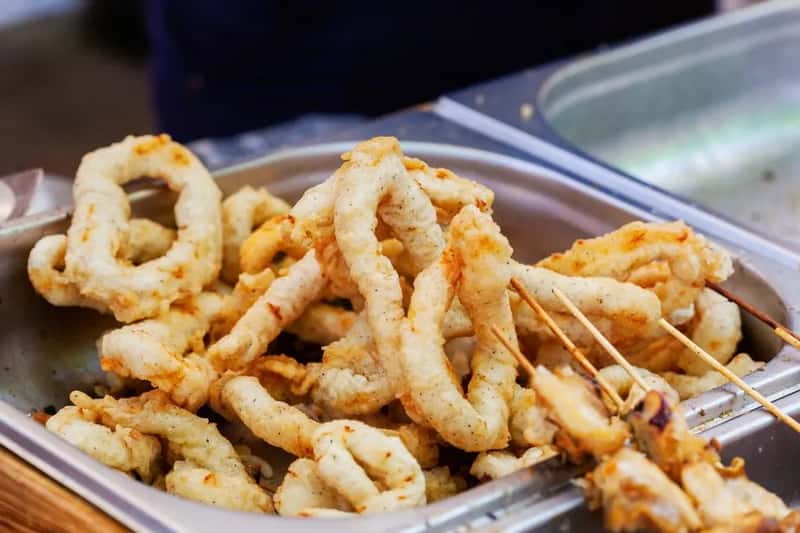
Fried dough, tempura, samosas, and their many regional cousins are beloved street food staples from Bangkok to Mumbai, often cooked in oil that gets reused far longer than nutritionists would recommend. Repeated heating breaks oil down and can generate compounds linked to inflammation, while the frying process itself adds a substantial amount of fat and calories to foods that might otherwise be reasonably light. The combination of refined carbohydrates, reused oil, and generous salting makes these snacks an occasional indulgence rather than an everyday habit for anyone managing cholesterol or blood pressure.
None of this means street food deserves a blanket ban, since context and frequency matter enormously. A fried snack eaten once during a trip or a festival carries a different risk profile than the same food eaten several times a week as a lunch replacement. The heart tends to notice patterns more than isolated meals.
Ghee and coconut cream heavy curries from South Asia
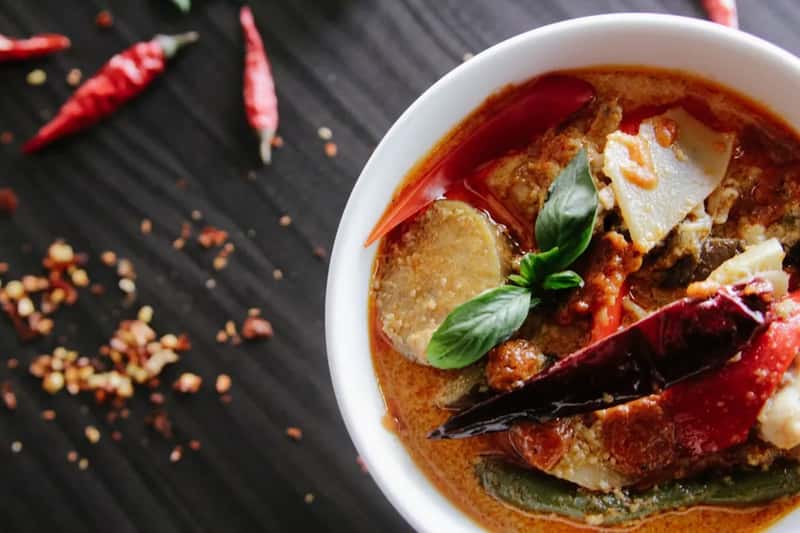
Rich curries built on generous amounts of ghee, clarified butter common across Indian and Pakistani cooking, or coconut cream used widely in South Indian and Sri Lankan dishes, bring flavor that is hard to replicate with lighter fats. The trouble is saturated fat content, since both ghee and coconut cream sit near the top of the saturated fat scale among cooking fats used worldwide. Regularly eating dishes built around a heavy base of either ingredient can push saturated fat intake well past what most heart health guidelines recommend, nudging LDL cholesterol upward over time.
This is less an argument against South Asian cuisine as a whole, which includes plenty of lentil, vegetable, and lean protein dishes, and more a note on portion and frequency for the richest preparations. A butter chicken or a coconut based fish curry occasionally fits into most eating patterns without issue. Eating that style of dish as a daily default, particularly alongside white rice and little vegetable content, is where the saturated fat adds up.
The foods that help or strain the heart rarely come down to a single ingredient banned or embraced outright. What separates the Mediterranean table from a diet heavy in processed charcuterie and instant noodles is mostly a matter of ratio and habit, built up meal by meal over years rather than decided in a single sitting. Borrowing the better half of these global traditions, while keeping the richer ones occasional, is a more realistic path than chasing any single miracle food.