Most travelers never think twice about how a hotel room gets from disaster to spotless in under thirty minutes. Housekeepers do it hundreds of times a week, often on tight schedules that leave little room for surprises. When those surprises pile up, though, the frustration tends to show up in the same places again and again, according to workers who have spoken openly about what actually happens behind the “Do Not Disturb” sign.
1. Leaving the “Do Not Disturb” sign up for the entire stay

It sounds like a small act of privacy, but housekeepers say it often backfires on everyone involved. One former housekeeper explained that after working the job, they would never leave the “do not disturb” sign up for their whole stay, because guests may think it’s easier when the room isn’t cleaned, but after two or three days without service the room becomes very dirty.[1]
The delay does not just mean more mess. Rushing to clean a heavily neglected room afterward puts real strain on the body, and it’s easy to end up with an injury.[1] Cleaning the room daily, even briefly, tends to be far less punishing for the staff member than tackling three days of buildup in the same fifteen-minute window.
2. Scattering trash everywhere while the bin sits empty
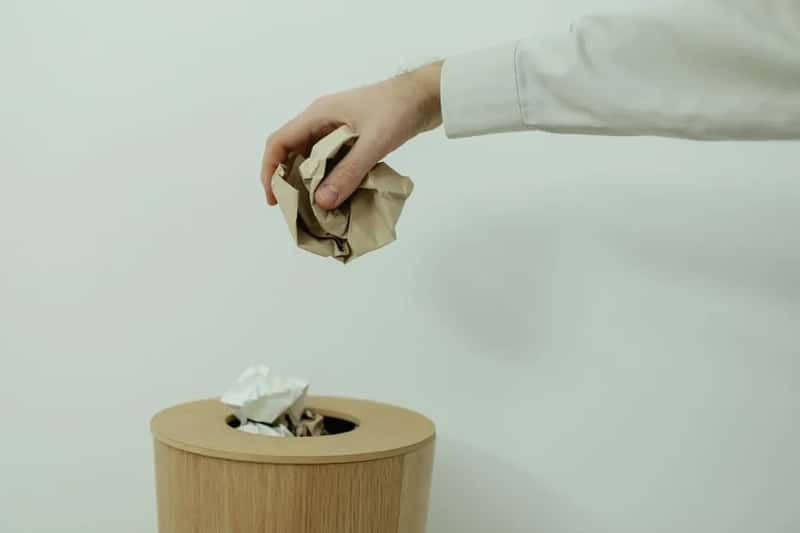
This is one of the most consistently mentioned complaints across housekeeping forums and interviews. One of the most common complaints was guests scattering trash all over the room while the garbage can sits practically empty, with food containers, drink bottles, wrappers, and tissues left across tables and floors slowing down cleaning and creating unnecessary work.[2]
It is a strange pattern once you notice it: the bin is right there, empty and unused, while wrappers and cups end up on nightstands, floors, and windowsills instead. Housekeepers are not just annoyed by the extra sweep. Every extra minute spent gathering loose trash from around the room is a minute not spent turning that room around for the next guest.
3. Using towels and sheets to wipe off makeup and greasy food
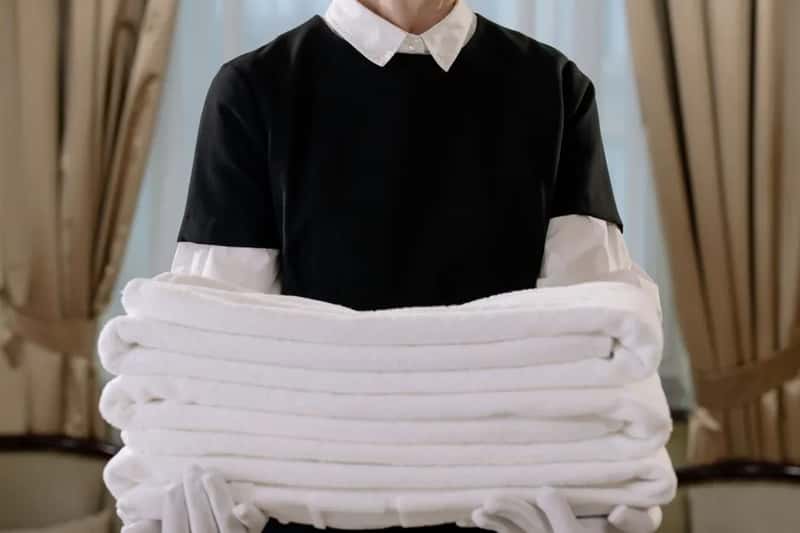
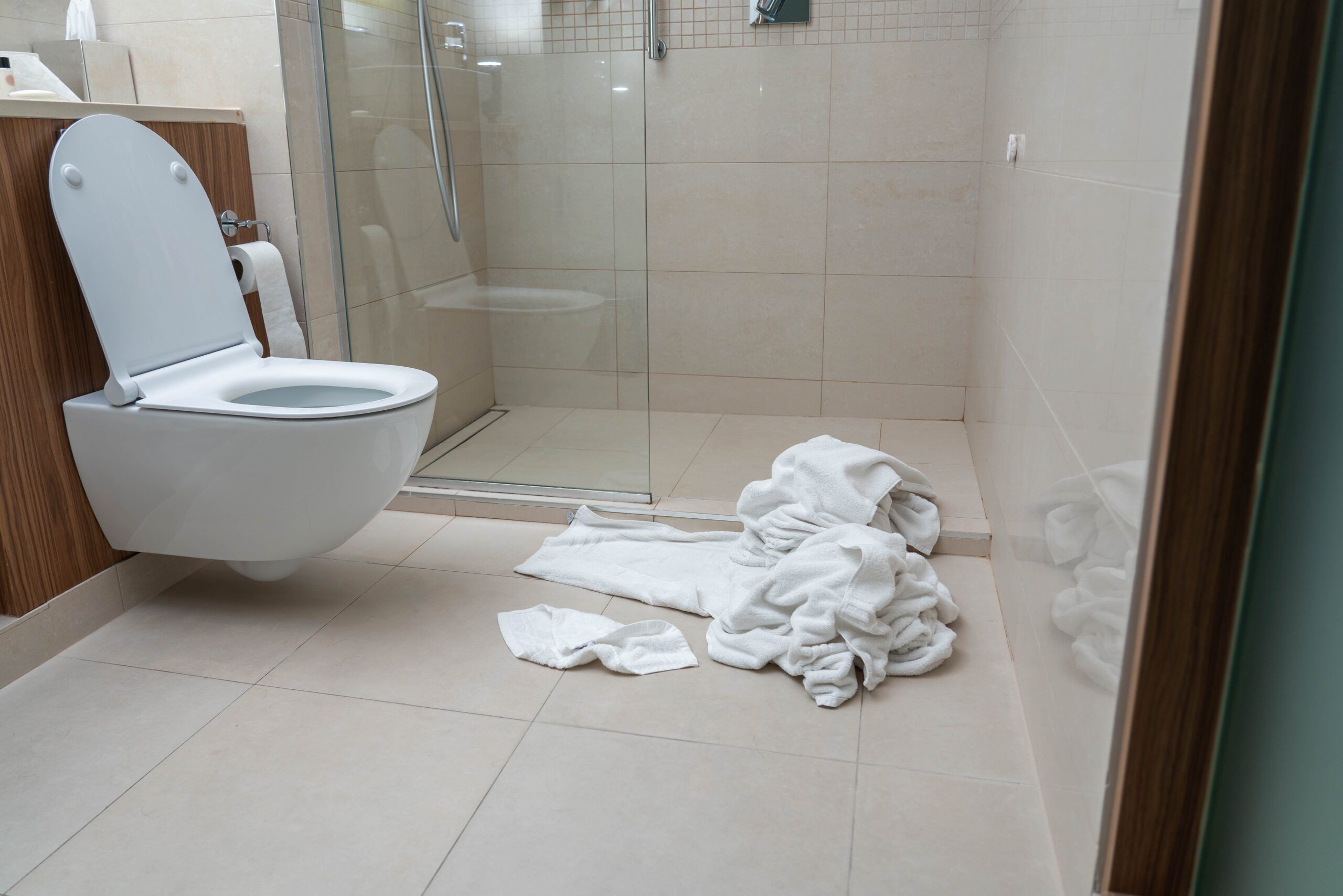
White linens and grease do not mix, and housekeepers notice immediately. Housekeepers said guests often wipe greasy food-covered hands on white towels, sheets, and comforters instead of using paper towels or napkins, with barbecue sauce and makeup stains being especially common and difficult to remove.[2]
The damage is not always fixable with a normal wash cycle either. Hand towels used to remove makeup can sometimes be bleached clean, but others often need to be discarded, and some hotels ask housekeepers to keep working the stain until it’s gone, adding extra work on top of an already busy day.[3] A guest who reaches for a makeup wipe or a napkin instead saves the linen and saves someone else a genuinely tedious task later.
4. Sticking around and watching them clean

It might feel polite to stay out of the way quietly in the corner, but housekeepers overwhelmingly disagree. Housekeepers overwhelmingly said they hate cleaning while guests sit there watching them work, and many said they’d rather come back later than vacuum around someone attending a Zoom meeting or lounging in bed.[2]
Being watched changes the rhythm of the job in a way that is hard to describe unless you have done service work yourself. It slows the process down, adds a layer of self-consciousness to a task that is usually done fast and on autopilot, and often means the housekeeper simply skips the room and circles back, which can delay service for the guest too.
5. Leaving bodily fluid messes without saying a word
Accidents happen, and no housekeeper expects a perfect room every time. What frustrates them is silence. Accidents happen, and the real issue is guests who leave the mess behind without a single word of warning, as in one widely shared account of a New Year’s stay where vomit covered the bed and pillows and the guest simply stacked a pillow on top of it.[4]
This is not a rare, one-off story either. One former housekeeper recalled being annoyed when guests made a huge mess and didn’t say anything, including cases where guests threw up on the bed or left blood everywhere without mentioning it, even after talking to multiple employees in the lobby.[5] A quick heads-up at the front desk takes thirty seconds and changes the entire experience for the person who has to walk into that room unannounced.
6. Hiding trash and used items in drawers and under the bed
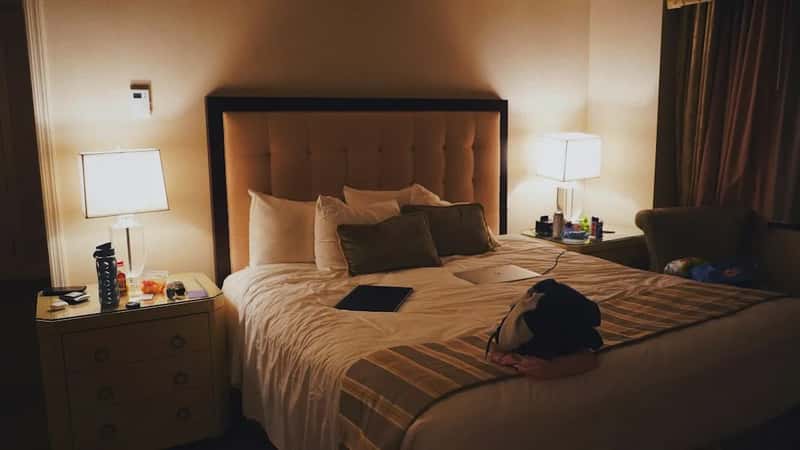
Some messes are not left out in the open. They are tucked away, which somehow makes cleanup worse. Housekeepers described finding chew-spit cups, soaked towels, adult items, and used tissues hidden in drawers, closets, and under beds, with one worker even finding vomit inside a bedside drawer.[2]
There is something particularly unsettling about opening a drawer expecting to find nothing and finding the opposite. One hotel cleaner admitted their biggest pet peeve is dealing with slimy used soap bars stuck to the shower ledge.[6] None of these hiding spots are checked out of curiosity. They get discovered because housekeepers have to open every drawer and check every corner as part of the standard turnover process.
7. Burying the room in luggage and clothes so there’s no room to work
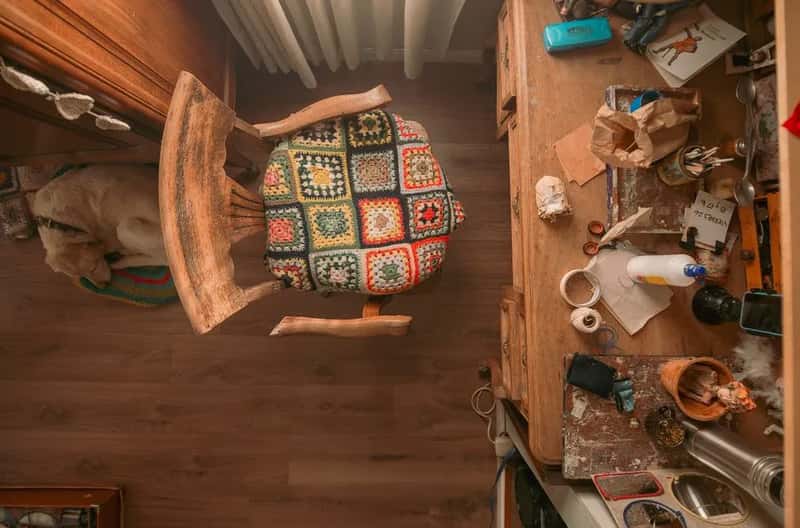
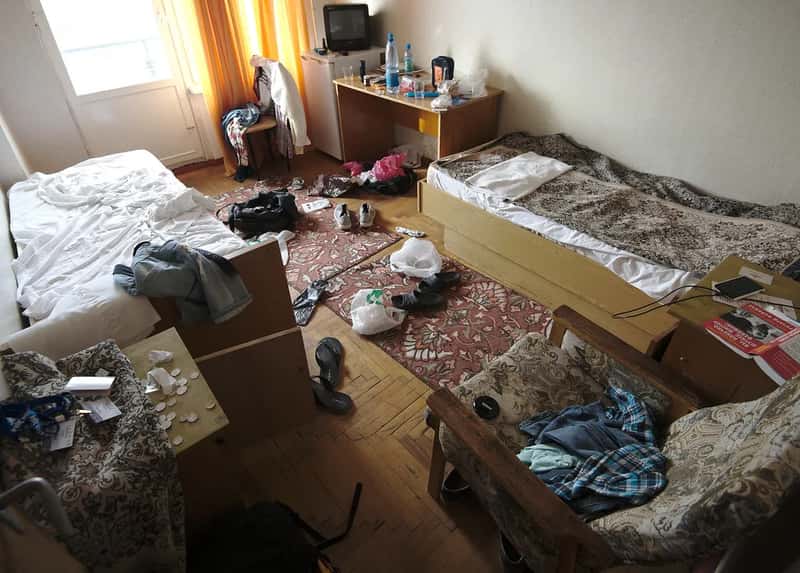
A room does not need to be dirty to be difficult. Sometimes it just needs to be full. Cleaners said it becomes almost impossible to properly service a room when clothes, electronics, luggage, and food are covering every surface, and some guests still complain their room “wasn’t cleaned well” despite leaving no space to work.[2]
It is a frustrating mismatch of expectations. The guest expects hotel-level polish, but the housekeeper is navigating around suitcases stacked on chairs, clothes draped over every flat surface, and cords running across the floor. Hotels are pretty good at making everything feel effortless, but just keeping belongings and trash somewhat under control can make the housekeeper’s job much easier.[7] A little bit of clearing before heading out for the day goes a long way toward an actually thorough clean.
8. Treating them like they’re invisible
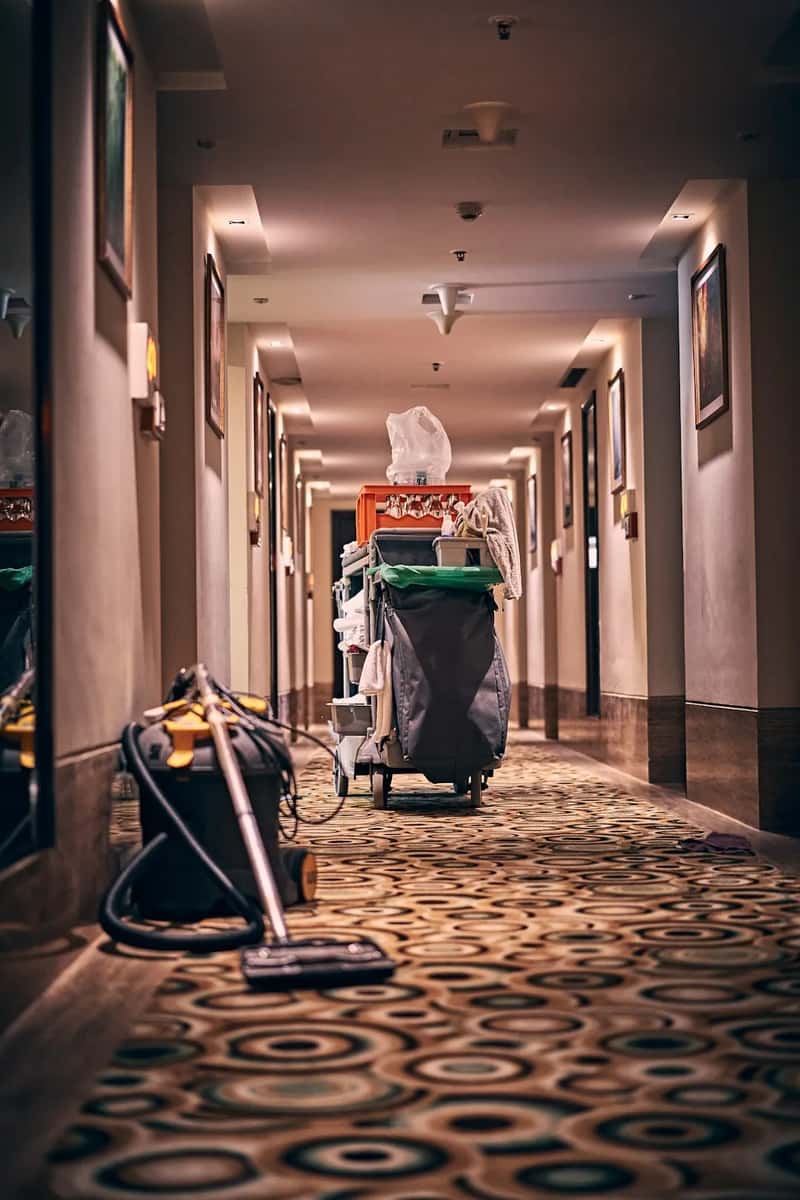
Of all the habits on this list, this is the one that seems to sting the most, and it has nothing to do with mess. Of every habit housekeepers bring up, this is the one mentioned most, and it’s rarely about any single mess. It’s the guests who won’t make eye contact, won’t say hello in a hallway, or talk over them like the room somehow cleans itself.[4]
The fix costs nothing and takes almost no effort. A simple nod or “thank you” costs nothing and takes two seconds, yet staff say it’s rarer than almost any other courtesy on this list, and the guests housekeepers actually remember fondly are almost never the ones who tipped the most, but the ones who treated a person doing hard work like a person, not furniture in the hallway.[4] It is a reminder that hospitality, at its core, tends to run in both directions.
None of these habits are likely to get a guest banned from a hotel or flagged at the front desk. They are smaller than that, the kind of everyday friction that builds up quietly over a long shift rather than exploding into a single dramatic complaint. A little awareness of what happens on the other side of that housekeeping cart tends to make the stay better for everyone involved, including the person who has to clean the room after you leave.