Most people check the nightly rate, the taxes and the cancellation terms before they book a room. Few of us read the small print on the desk, the tag on the robe or the card sitting next to the little fridge. That’s usually where the surprises on the final bill begin.
Some of these charges are printed somewhere in the room, and some are only spelled out in hotel policy. A few are triggered by nothing more than curiosity. Here are eight things guests get billed for more often than they’d expect.
Minibar Snacks and Drinks

The minibar is the classic trap, and modern versions have made it trickier. In some hotels, guests are automatically charged when sensors detect that an item has been moved for more than 60 seconds.[1] That means reading a label a little too long can put a line on your bill.
Sensors aren’t perfect, either. Faulty sensors or an item not returned within the time limit can both cause a wrongful charge.[2] Listed prices are often two to three times what the same item costs at retail,[3] and some hotels may add a restocking fee on top.[3] If you don’t plan to use it, ask the front desk to lock the minibar or request a room without one.
The Bottle of Water on the Desk
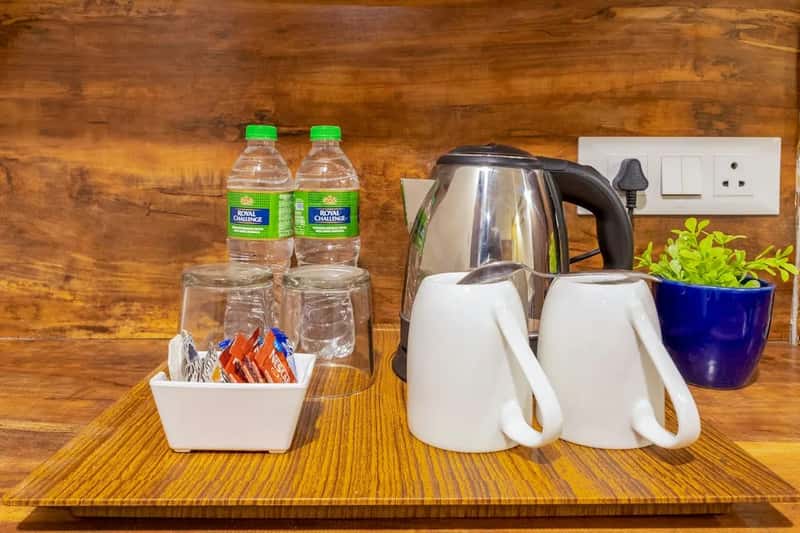
A single bottle sitting next to the glasses looks like a welcome gift. It often isn’t complimentary.[4] Some guests only find out at checkout, when anywhere from $4 to $10 has been added to the bill.[5]
The tricky part is the missing price. Some hotels remove the price label altogether,[5] so there’s nothing to warn you. A quick call to the front desk to ask whether the water is included takes less than a minute and settles it.
Coffee Pods and Other Tempting Extras

In-room coffee feels like a basic courtesy, so people rarely question it. Still, hotels sometimes place snacks, coffee pods or bottled drinks in the room without making the price obvious.[4] Travel advisers quoted by Newsweek in early 2026 also flagged coffee pods as something some hotels charge for.
The fix is dull but effective. Check the room’s price list or ask the front desk before opening anything.[6] Two complimentary pods at one hotel can be a paid upgrade at the next, so it pays to look each time.
The In-Room Safe

You’d think a safe is just part of the room. Some hotels charge guests for having a safe in the room, even if it’s never opened.[7] The fee is said to cover the cost of the safe and insurance for its contents.[7]
Amounts tend to be small, and one travel guide has put them at around $2 to $4 a day whether or not you use the safe.[8] Over a week, though, that adds up to a charge for something you may never have touched. Ask at check in whether the safe carries a daily fee before you decide to leave your valuables in the suitcase.
Wi-Fi and the Resort Fee Behind It

Free internet is common now, though not universal. Some hotels offer basic Wi-Fi for free and charge for faster service, and it’s worth checking whether the fee applies to the room or to each device.[6] A family with several phones, tablets and laptops can end up paying much more than expected.
Sometimes the cost is hidden inside a resort fee instead. Those fees run from $10 to $60 per day and can cover the pool, the gym or internet, and you pay even if you use none of it.[7] Since May 12, 2025, the FTC’s Rule on Unfair or Deceptive Fees has prohibited bait and switch pricing for short term lodging,[9] but it doesn’t ban resort fees or cap them.[10]
The Bathrobe

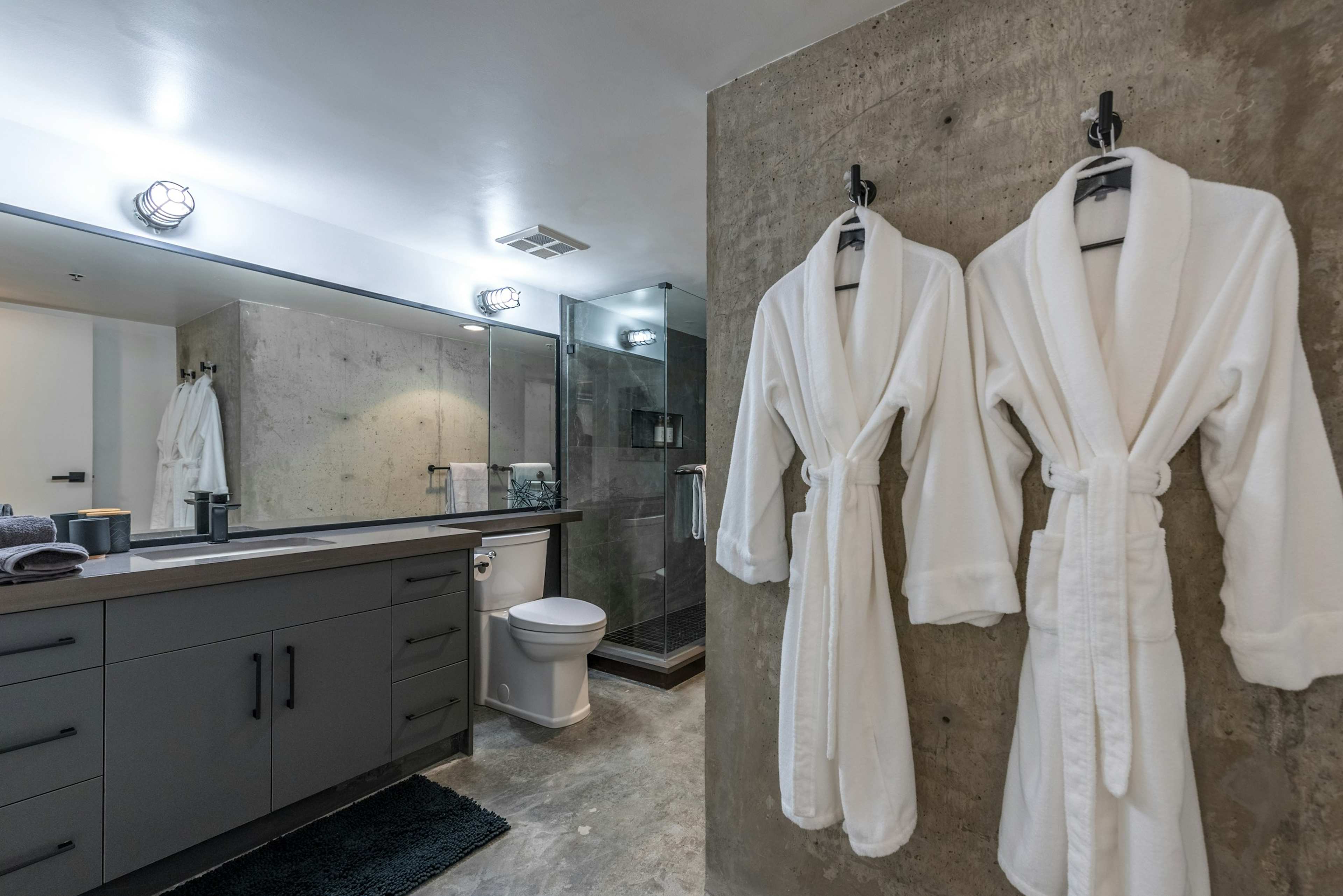
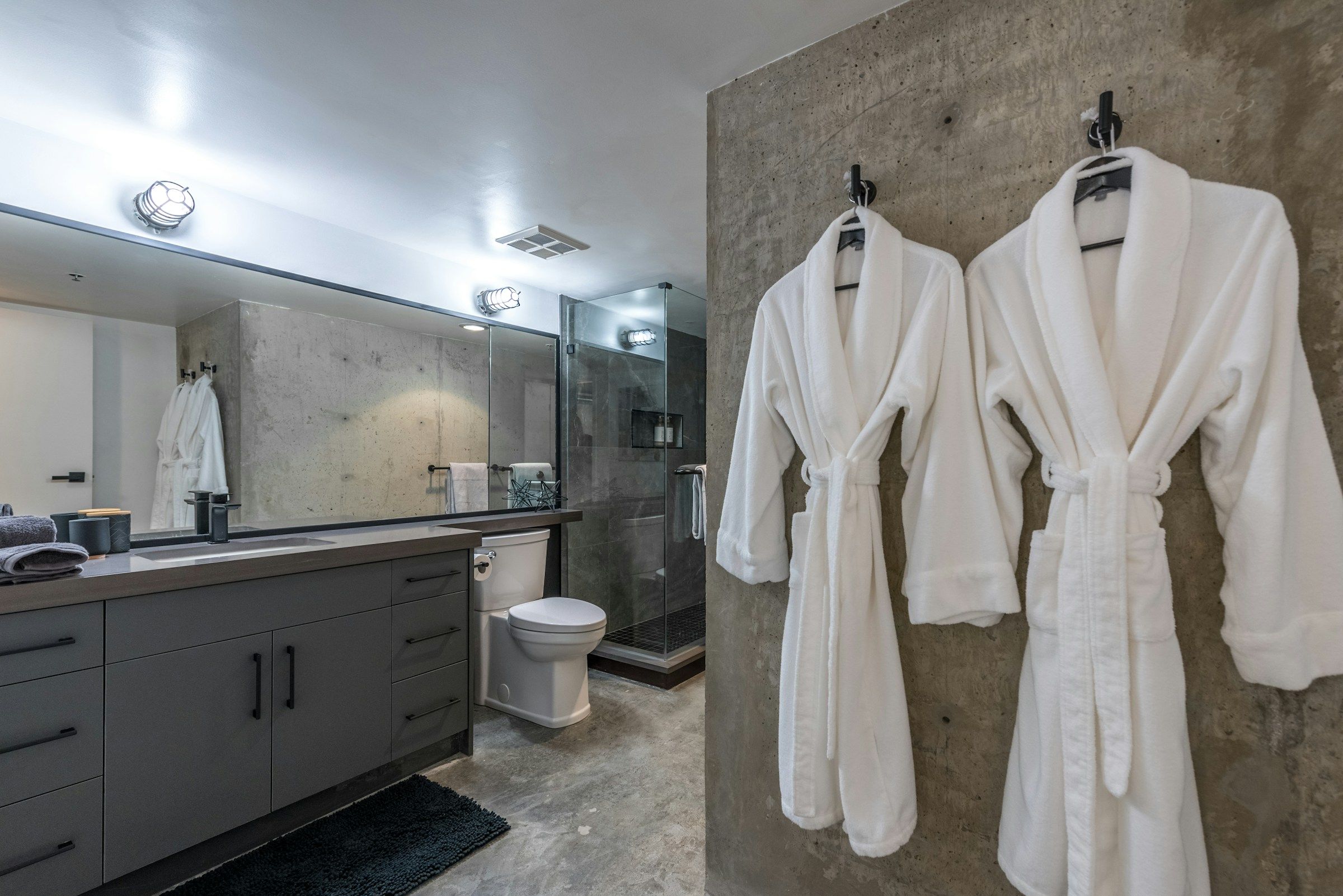
A plush robe feels like part of the package, especially at a spa hotel. It isn’t a gift. When housekeeping finds a robe missing, they report it to the front desk, and the card on file is billed a replacement fee.[11]
That amount typically runs from $50 to $150.[11] Some local reports have cited charges as high as $200. If you love the robe, some hotels sell them, so check with the front desk to see if you can buy one.[12]
Bath Towels

Towels are the everyday version of the robe problem, and the bill can arrive after you’ve gone home. Hotels can often bill a card after you leave if they believe there was theft, damage or another unpaid charge.[13] Some hotels now tag their towels with RFID chips to track theft.[14]
Mistakes do happen, especially with beach towels that end up in the car. Hotels often don’t check linens until guests have left,[15] which can feel like being guilty until proven innocent. A charge should generally reflect a real replacement cost or a disclosed fee that matches hotel policy,[13] and the Fair Credit Billing Act gives consumers the right to dispute certain billing errors on credit card accounts.[13]
Pillows and Other Room Property

Pillows rarely cross anyone’s mind as billable items. Yet a missing one can cost you as much as $50.[16] The same reasoning covers other reusable items in the room.
AAA’s guidance is direct on this. It says never to remove towels, bathrobes, sheets, pillows, electronics, lamps, decorative items, artwork or furniture.[17] Travel size shampoo, conditioner, body wash and bar soap provided for guest use are generally fine to take home.[17]