Packing for an international trip usually comes down to a familiar ritual: rolling clothes tighter, weighing the suitcase twice, and wondering if you really need that third pair of shoes. Yet security specialists and government travel offices say the more important question is not what to pack, but what to deliberately leave behind. A wallet or bag stuffed with unnecessary extras does not just add weight, it adds risk the moment you step off the plane in an unfamiliar city.
The advice below draws on guidance from the U.S. State Department, university international offices, and consumer safety groups that study how travelers actually lose money, documents, or peace of mind abroad. None of it requires special gear or a big budget. It just means being a little more selective about what goes in the carry-on before you lock the front door.
1. Extra credit and store cards
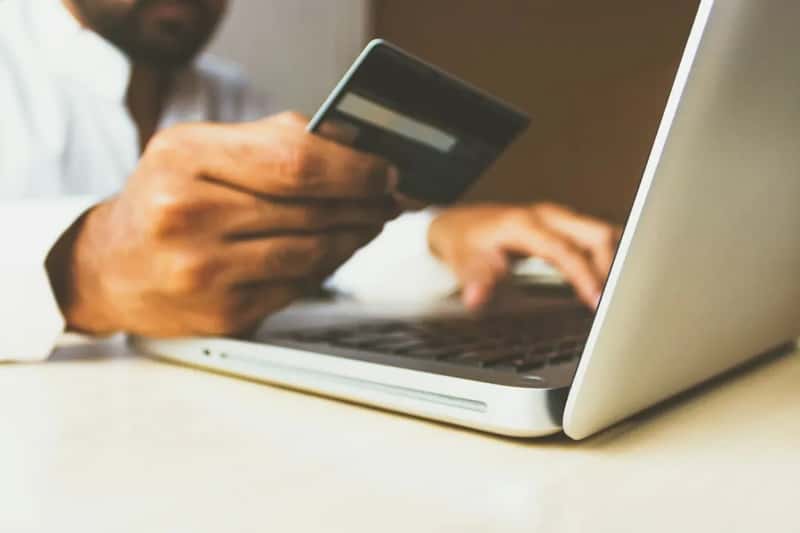
Most people carry more plastic than they need for daily life, let alone for a trip overseas. Most of us carry several credit cards, gasoline cards, and department store charge cards in our wallets, and for safety’s sake, the U.S. State Department recommends traveling with just one credit card, leaving the rest at home.[1] The logic is simple: if a wallet is lost or stolen, fewer cards mean fewer accounts to freeze and monitor from a foreign country.
Consumer safety guides echo this, suggesting travelers strip their wallet down to the essentials, bringing only the cards and ID they will actually use.[2] A single card, backed by a mobile banking app for balance checks, does the job without the clutter of five or six accounts to keep track of overseas.
2. Social Security card
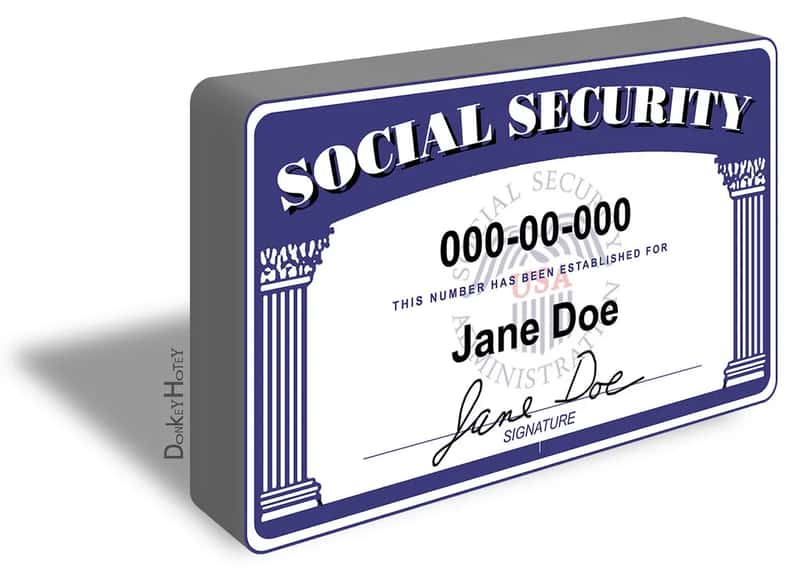
A Social Security card has no practical use on an international trip, but it has enormous value to an identity thief. Travel safety resources are specific on this point, listing the Social security card[1] among the items that should never leave the house for a trip abroad.
Consumer guides reinforce the same message, recommending travelers leave their Social Security card, checkbook, and spare credit cards at home.[2] If the number is needed for any reason during the trip, a photo stored in an encrypted app or a note with a trusted contact back home covers that rare case without the physical card ever leaving a drawer.
3. Checkbooks
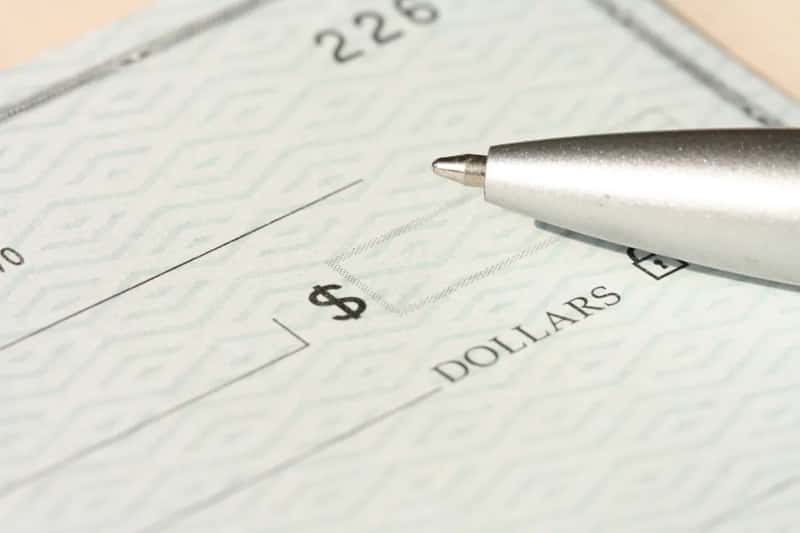
Checkbooks feel like a relic in many countries, and that is exactly why they should stay behind. Most destinations no longer accept personal checks from foreign visitors, so the book serves no travel purpose while still exposing bank account numbers if lost.
The same consumer safety guidance that flags credit cards and Social Security cards also lists the checkbook directly, advising travelers to leave their Social Security card, checkbook, and spare credit cards at home.[2] A debit card or mobile payment app handles the rare situations where cash and credit cards will not work.
4. Non-essential ID and membership cards
A passport and one government-issued ID are enough documentation for almost any trip abroad. Older travel safety checklists specifically call out extras like a ID cards you won’t need on the trip, voter’s registration card, and library card[1] as items with no purpose overseas.
These cards add bulk to a wallet without adding usefulness, and each one is another piece of personal information that could be misused if the wallet disappears. Sorting through a wallet before a trip and pulling out anything that will not be used in the destination country is a five minute task that reduces exposure considerably.
5. Fine jewelry and expensive watches

Flashy accessories tend to draw the wrong kind of attention in unfamiliar places. The State Department’s own crime prevention guidance for travelers is blunt on this point, advising people to not wear expensive jewelry or carry valuable items.[3]
Financial institutions that study travel theft patterns note that this is a genuinely personal decision, since it may seem weird to leave something like an engagement or wedding ring behind, though it’s always smart to consider whether it’s worth the risk that it could be stolen or lost.[4] Questions worth asking before packing a valuable piece include whether insurance covers it abroad and how safe the destination actually is.
6. Large amounts of cash

Carrying a thick stack of bills feels reassuring, but it is one of the fastest ways to turn a minor pickpocketing incident into a major financial loss. Government advisories for outbound travelers, including a recent winter holiday advisory from the UAE’s Ministry of Foreign Affairs, specifically advised travelers to avoid carrying significant amounts of cash or valuable items.[5]
Older State Department guidance for Americans abroad recommends the same restraint, suggesting travelers carry the minimum amount of valuables necessary for the trip and plan a place to conceal them, since a passport, cash, and credit cards are most secure when locked in a hotel safe.[6] A prepaid travel card or a debit card tied to a limited account covers daily spending without the exposure of carrying a full trip’s budget in a pocket.
7. Irreplaceable photos and personal mementos

It is tempting to tuck a treasured photograph or a small keepsake into a bag for a big trip, but sentimental value is exactly what makes these items risky to bring. Longstanding travel safety guidance lists photographs or other mementos that cannot be replaced[1] among the items travelers should leave at home.
A lost suitcase or a stolen bag is frustrating under any circumstance, but losing something with no replacement value turns an inconvenience into genuine heartbreak. A digital photo on a phone or cloud account offers the same emotional connection during the trip without the risk of losing the physical original for good.
8. Unencrypted devices with sensitive personal or work data

Laptops and phones loaded with years of personal files, saved passwords, or sensitive work documents are a liability the moment they leave home turf. University IT security offices that advise faculty and students traveling internationally recommend that travelers bring only what they need, leaving personal and restricted data, devices, and other items like ID cards and credit cards at home.[7]
For anyone who genuinely needs a computer on the road, the safer approach is a stripped down option rather than a primary device. The same guidance suggests travelers use a temporary laptop that has had its storage securely deleted and the operating system and applications freshly installed,[7] which limits what is exposed if the device is lost, searched, or compromised while abroad.
A trip abroad rarely turns on what got packed. It tends to turn on what got left behind, tucked safely in a drawer instead of a carry-on. Trimming a wallet, skipping the good jewelry, and traveling a little lighter on data and cash will not guarantee a trouble free trip, but it removes several of the easiest ways a good trip goes sideways.