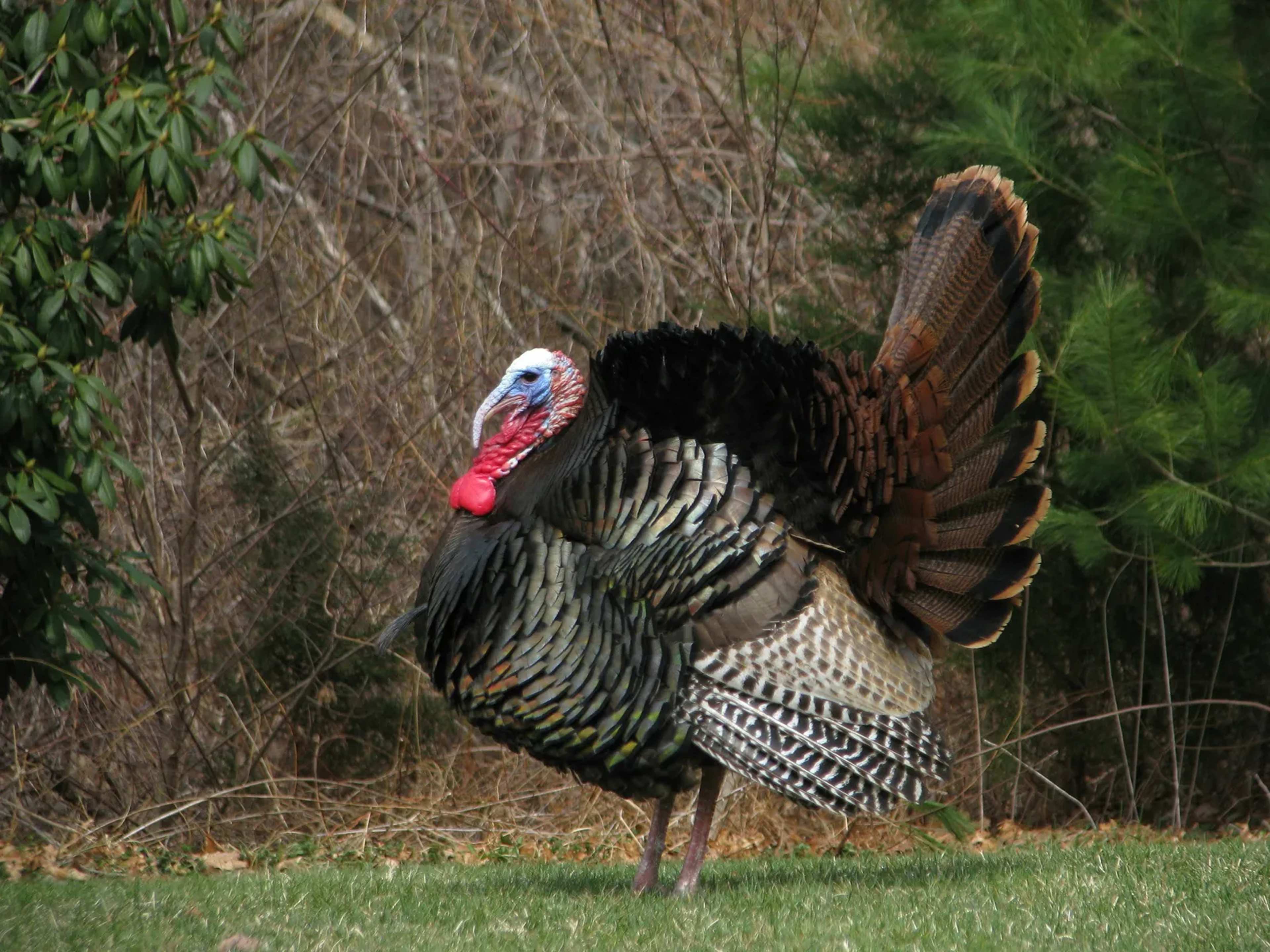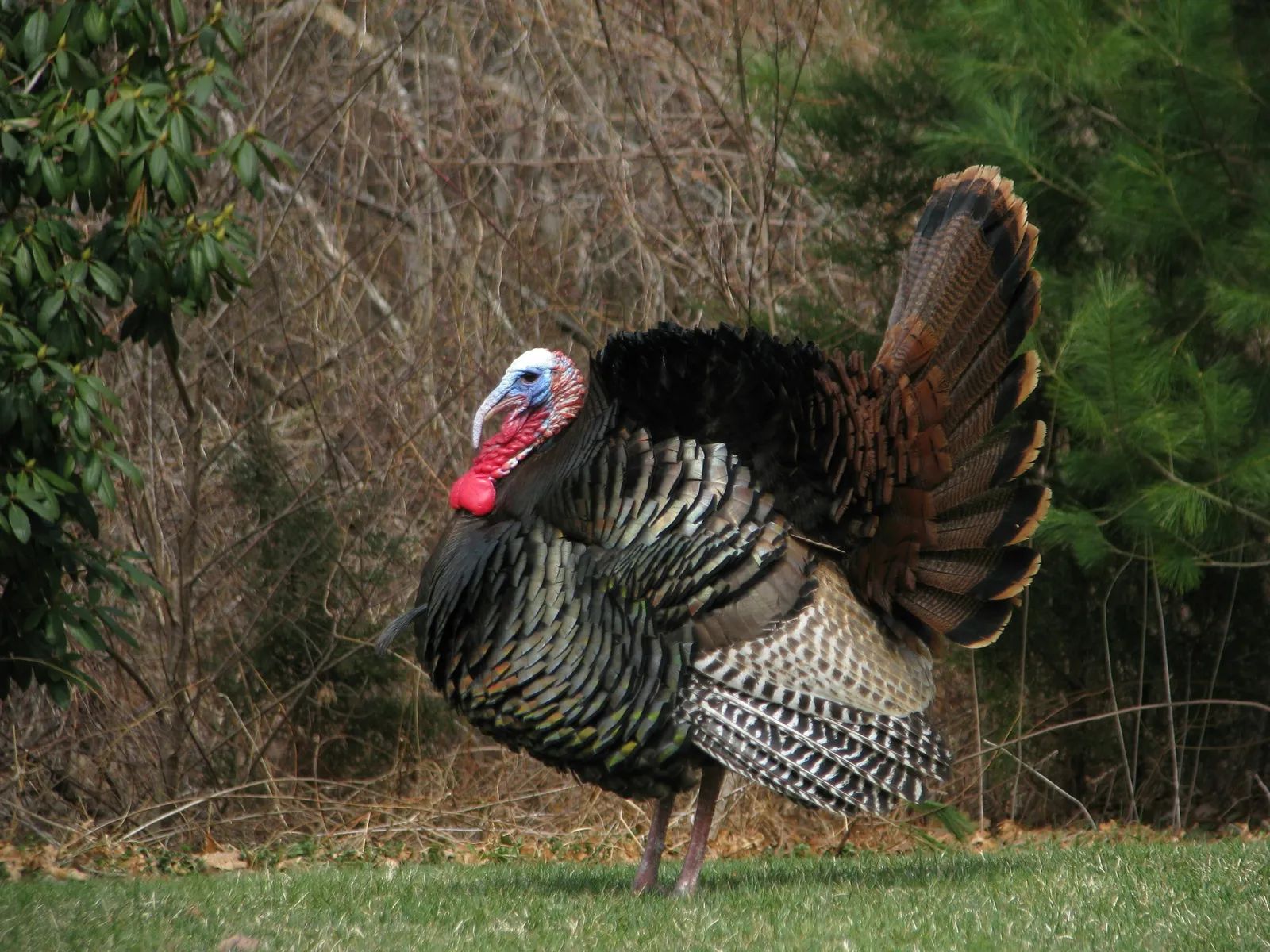
Thanksgiving approaches quickly, and many households still have a frozen bird sitting in the freezer. The U.S. Department of Agriculture stresses that safe thawing requires planning measured in days rather than hours, especially for a typical 16-pound turkey. Proper timing keeps the meat out of the temperature danger zone where bacteria can multiply.
The Refrigerator Method Sets the Standard
The USDA recommends thawing a turkey in the refrigerator at 40°F or below. This approach allows about one day for every 4 to 5 pounds of weight. A 16-pound bird therefore needs roughly four days, while larger turkeys up to 24 pounds may require five or six days. The bird stays in its original wrapping and rests on a tray or pan with raised sides to catch any drips. Placement on the bottom shelf further reduces the chance of juices contacting other foods. Once fully thawed, the turkey remains safe in the refrigerator for one to two additional days before cooking.
Cold Water and Microwave Offer Faster Alternatives
When time grows short, the cold water method provides a reliable backup. Submerge the turkey in a leak-proof bag in cold water, changing the water every 30 minutes. This process takes about 30 minutes per pound, so a 16-pound turkey finishes in roughly eight hours. Cooking must begin immediately after thawing. Microwave thawing works for some birds if the appliance instructions permit the size. The general estimate runs about six minutes per pound, with rotation and flipping during the cycle. Any turkey thawed this way also requires immediate cooking. Both quicker methods prevent safe refreezing of the raw bird.
Unsafe Practices to Avoid Entirely
Counter, garage, or porch thawing carries clear risks. USDA guidance states that frozen poultry left at room temperature for more than two hours enters the danger zone between 40°F and 140°F. Bacteria multiply rapidly on the outer layers even while the center remains frozen. No reliable protection comes from a cold outdoor temperature either. Extension services across multiple states echo the same warning against these approaches. Discarding a turkey exposed to unsafe conditions remains the only prudent choice.
Handling Last-Minute Situations and Storage Rules
A turkey that remains partly frozen on cooking day can finish thawing in cold water or the microwave. Oven roasting from a solidly frozen state is also safe, though the usual cooking time increases by at least 50 percent. Smoking, grilling, deep-frying, or microwaving a frozen turkey is not recommended. A refrigerator-thawed turkey can be refrozen without cooking if plans change, though quality may decline slightly. Cold-water or microwave-thawed birds must be cooked first. Internal temperature must reach 165°F in the innermost thigh, wing, and thickest breast portion for safety.
Practical Planning for the Holiday
Counting backward from Thanksgiving helps avoid last-minute pressure. An 8-pound turkey might move to the refrigerator on Monday, while a 20-pound bird benefits from starting the previous Friday. Checking progress a day early provides a buffer if the bird thaws faster or slower than expected. Clear space in the refrigerator beforehand and verify the temperature with a thermometer. These steps turn a potential scramble into a straightforward part of holiday preparation.